Key Takeaways
- The Signpost serves as the journalistic bridge between niche WikiProjects and the broader editor base.
- Community drives are highlighted to boost participation and create a sense of collective urgency.
- Coverage focuses on measurable impact, such as the number of articles improved or the reduction of "stubs."
- The newsletter format helps turn complex administrative disputes into readable stories.
The Role of WikiProjects in the Ecosystem
To understand the news coverage, you first have to understand the subjects. A WikiProject is an organized effort by a group of editors to improve Wikipedia's coverage of a specific topic. Whether it's WP:MED for medicine or a project dedicated to a specific city, these groups set the standards for what a "good" article looks like in their field. They create checklists, categorize pages, and peer-review each other's work.
For The Signpost, these projects aren't just administrative units; they are the sources of the most compelling human-interest stories on the platform. When a group of editors spends three years meticulously documenting every battle of the Napoleonic Wars, the newspaper doesn't just report the fact-it highlights the passion and the meticulous nature of the work. This visibility is crucial because it encourages new editors to join these projects, providing them with a structured way to contribute without feeling overwhelmed by the entire encyclopedia.
Turning Community Drives into Headlines
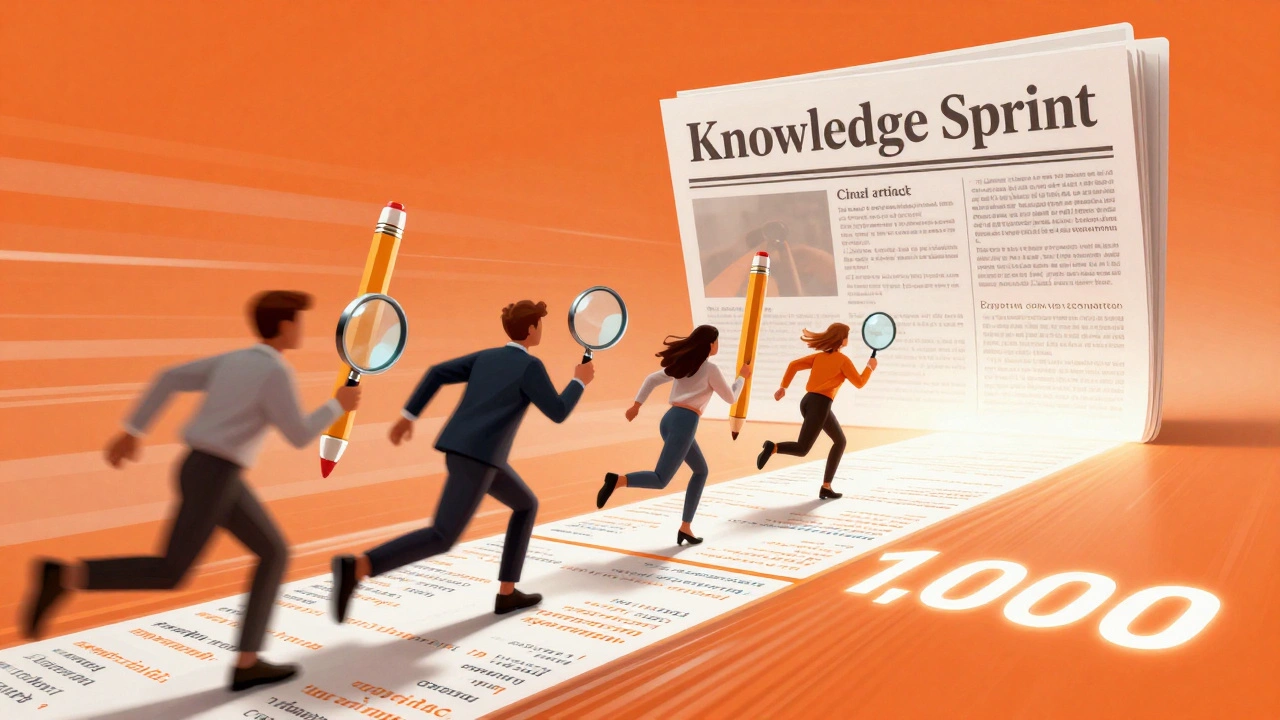
While WikiProjects are permanent fixtures, Community Drives are time-limited, high-intensity campaigns designed to tackle a specific problem. Think of them as a "sprint" for knowledge. Maybe it's a push to add more female scientists to the site or a drive to clean up outdated citations in the history section. These are high-stakes events because they usually have a deadline and a specific goal, like "reaching 1,000 new articles by December."
The Signpost treats these drives like major events. By reporting on the progress of a drive, the newspaper creates a psychological effect known as social proof. When a regular editor sees a headline stating that 500 people are currently participating in a drive to improve LGBTQ+ biographies, they are far more likely to jump in. The coverage usually includes a call to action, guiding the reader directly to the project page where they can find a list of "to-do" tasks.
| Feature | WikiProject Coverage | Community Drive Coverage |
|---|---|---|
| Focus | Long-term sustainability and standards | Short-term goals and rapid growth |
| Tone | Analytical and appreciative | Urgent and motivational |
| Key Metric | Quality of articles (Featured/Good status) | Quantity of edits/new pages |
| Call to Action | "Join the project for long-term growth" | "Help us reach the goal by Friday" |
The Journalism of Internal Governance
Reporting on these groups isn't always about celebrating wins. A huge part of The Signpost's value is its willingness to cover the friction. When a WikiProject clashes with the general community over a specific formatting rule, or when a drive is accused of prioritizing quantity over quality, the newspaper steps in to mediate. This is Community Journalism in its purest form.
For example, if a project dedicated to a specific political figure is accused of bias, The Signpost doesn't just report the accusation. They interview the project leads, look at the Talk Pages (the discussion forums where editors argue and agree), and present a balanced view. This transparency prevents the same arguments from happening in a loop for five years. By documenting the resolution of a conflict, The Signpost creates a precedent that other projects can follow.
How Coverage Impacts Editor Retention
One of the biggest problems with large-scale collaborative platforms is "editor burnout." People spend hundreds of hours improving a project, but if nobody notices, they eventually quit. The Signpost combats this by giving editors a sense of recognition. Being featured in the newsletter is a badge of honor in the Wikipedia world. It tells the contributor that their labor isn't invisible.
This recognition loop is vital for the health of the Wikipedia Community. When the newspaper highlights a successful drive, it validates the effort of the organizers. This makes them more likely to lead another drive in the future. It transforms a thankless task into a recognized achievement, which is the primary fuel for volunteer-driven work.
The Technical Side of Reporting
Writing for The Signpost isn't like writing for a traditional newspaper. The journalists have to be comfortable with Wikinews style and the specific jargon of the site. They use tools like the Wikipedia API and various bot-generated lists to find out which projects are actually growing and which ones are dormant. They don't just take a project leader's word for it; they look at the data.
If a drive claims to have improved 5,000 articles, a Signpost reporter will check the edit history to see if those changes were substantial or just minor typo fixes. This commitment to evidence-based reporting ensures that the community trusts the news they read. It keeps the "hype" of a community drive grounded in actual progress.
The Feedback Loop: News as a Catalyst
The most interesting thing about this relationship is that the coverage often changes the event itself. Once The Signpost writes about a particular WikiProject, that project often sees a surge in membership. This surge can lead to a "critical mass" of editors who then start their own community drive, which then gets covered by the newspaper, starting the cycle all over again.
This feedback loop means that the newspaper isn't just observing the community; it is actively shaping it. By choosing which projects to highlight, The Signpost subtly influences where the community's energy goes. If they focus heavily on environmental projects, the site's coverage of climate change improves. If they highlight the need for more content from the Global South, you'll see a corresponding rise in drives targeting those regions.
Who writes the articles for The Signpost?
The Signpost is written by a rotating team of volunteer editors. These are regular Wikipedia users who have an interest in journalism and community governance. They operate independently of the Wikimedia Foundation, meaning they can be critical of the platform's leadership without fear of being fired.
Can any WikiProject be featured in the news?
Yes, any project can be covered, but the editors usually look for stories with an angle. This could be a massive milestone (like reaching 10,000 articles), a significant conflict, or a unique way of organizing that other projects could adopt. Purely administrative updates are less likely to make the front page than a story about human collaboration.
What is the difference between a WikiProject and a Community Drive?
A WikiProject is a permanent organization focused on a topic (like "World War II"), whereas a Community Drive is a temporary event (like "The 2025 Women in Science Sprint"). One is like a permanent department in a company; the other is like a weekend hackathon.
How does The Signpost handle disputes between editors?
They treat disputes as news stories. Instead of taking a side, they describe the arguments, provide links to the relevant talk pages, and report on the final consensus reached. This converts a messy argument into a useful case study for the rest of the community.
Does The Signpost influence which articles get improved?
Indirectly, yes. By highlighting specific drives or under-represented projects, they draw the attention of thousands of editors. This effectively redirects the community's collective effort toward the topics the newspaper deems important or urgent.
Next Steps for New Contributors
If you're new to the site and want to get involved, don't just start editing random pages. Start by reading the latest issue of The Signpost. Look for the sections on community drives-these are the best places to find a welcoming group of people who are actively looking for help. Once you find a drive that interests you, check the project's "Getting Started" guide and jump into the task list. If you're feeling brave, you can even reach out to the Signpost reporters to tell them about a project you think deserves a spotlight.