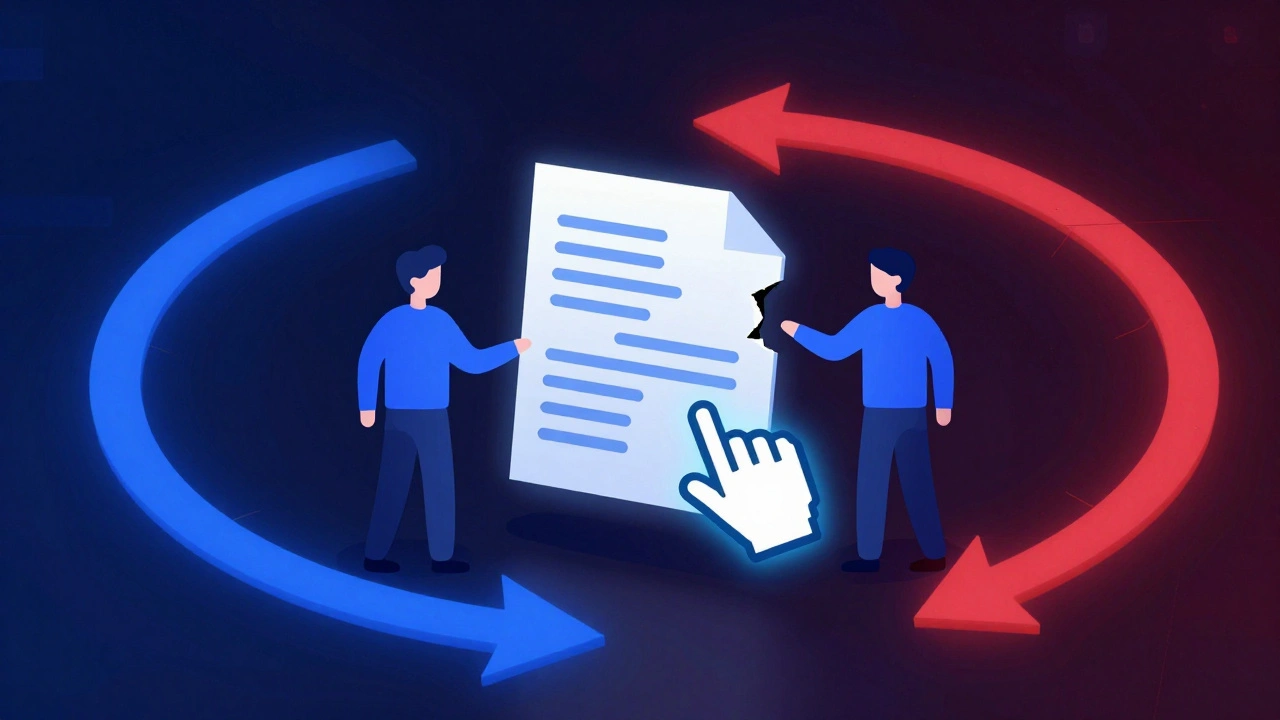
Imagine you are editing an article on Wikipedia, the free online encyclopedia that anyone can edit. Suddenly, another editor reverts your changes. You revert them back. They revert again. This cycle continues for days, turning a simple disagreement into a bitter war of attrition known as a "revert war." In these situations, standard community discussions often fail. That is when the Wikipedia Arbitration Committee (ArbCom) steps in.
The Arbitration Committee is not just another group of editors; it is the highest authority in dispute resolution on the English-language Wikipedia. Often referred to simply as "ArbCom," this body handles the most serious conflicts that cannot be resolved through normal consensus-building processes. Understanding how ArbCom works is crucial for any serious contributor who wants to navigate the complex social dynamics of the world’s largest collaborative project.
What Is the Wikipedia Arbitration Committee?
The Arbitration Committee serves as the final court of appeal for disputes on Wikipedia. It consists of volunteer editors elected by the community to serve fixed terms. Unlike other administrative roles on the site, such as administrators or bureaucrats, ArbCom members have specific powers granted to them to enforce rules and impose sanctions.
Established in 2003, the committee was created to address escalating tensions between early editors. Over the years, its role has evolved from handling personal attacks to managing complex systemic issues involving coordinated editing campaigns, copyright violations, and persistent harassment. The committee operates under the principle that Wikipedia must remain a safe and productive environment for all contributors, even those with opposing viewpoints.
It is important to note that ArbCom does not make editorial decisions. They do not decide whether a topic is notable or which version of an article is factually correct. Their jurisdiction is strictly limited to behavioral disputes and process failures. If you disagree with the content of an article, ArbCom will tell you to discuss it on the talk page. If you are being harassed while trying to discuss it, they may intervene.
How Editors Get Elected to ArbCom
Becoming a member of the Arbitration Committee is one of the most rigorous processes on Wikipedia. Every year, usually around January, the community holds an election for new arbitrators. Candidates must nominate themselves or be nominated by others, providing a detailed statement of their experience and philosophy regarding conflict resolution.
- Nomination Phase: Potential candidates submit their statements, outlining their past contributions and approach to arbitration.
- Voting Period: Eligible voters-those with sufficient account age and edit count-cast votes based on candidate qualifications.
- Election Results: Candidates who receive a majority of supportive votes are elected to serve a term, typically lasting one year.
The election process ensures that only experienced, trusted editors gain access to ArbCom’s powerful tools. Members must demonstrate a deep understanding of Wikipedia’s policies, particularly Wikipedia:No personal attacks and WP:NPA, which prohibit insults and ad hominem arguments.
When Should You File a Case?
Filing a request for arbitration is a last resort. The community expects editors to exhaust all other options before approaching ArbCom. These alternatives include:
- Talk Page Discussions: Attempting to reach consensus directly with the opposing editor.
- Third-Party Opinion: Asking neutral editors to weigh in on the dispute.
- Mediation: Using Wikipedia’s formal mediation service to facilitate dialogue.
- Administrative Intervention: Requesting help from administrators to block disruptive behavior temporarily.
If these methods fail, and the conflict involves significant disruption, you can file a case at Wikipedia:Arbitration. Common reasons for filing include persistent vandalism, sock puppetry (using multiple accounts to deceive the community), and systematic bias in article coverage.
However, trivial disputes or minor disagreements over wording will likely be declined. ArbCom reserves its time for cases that threaten the integrity of the encyclopedia or the well-being of its contributors.
The Arbitration Process Explained
Once a case is accepted, it moves through several stages. First, the committee assigns a clerk to manage the logistics and ensure deadlines are met. Then, the parties involved submit evidence, including diffs (comparisons of edited versions) and logs of interactions.
| Stage | Description | Duration |
|---|---|---|
| Request Submission | Parties present their arguments and evidence. | 1-2 weeks |
| Case Assessment | Committee decides whether to accept or decline the case. | 1 week |
| Evidence Gathering | Additional information is collected from witnesses and experts. | 2-4 weeks |
| Determination | Final ruling is issued with specific sanctions or remedies. | 1-2 weeks |
During this period, other editors may comment publicly on the case, offering perspectives that help the committee understand the broader context. Transparency is key, as all proceedings are visible to the entire community.
Powers and Sanctions Imposed by ArbCom
The Arbitration Committee has unique powers that allow it to enforce compliance with its rulings. These sanctions can range from mild warnings to permanent bans. Some common measures include:
- Topic Bans: Restricting an editor from contributing to specific subjects, such as politics or biography.
- Editing Restrictions: Limiting the number of edits per day or requiring approval before making changes.
- Communication Blocks: Prohibiting direct interaction between conflicting parties.
- Permanent Bans: Removing an editor’s ability to contribute entirely due to severe misconduct.
These sanctions are designed to protect the encyclopedia rather than punish individuals. For example, if an editor consistently introduces biased content into articles about religious topics, a topic ban might prevent further damage without excluding them from other areas of interest.
In extreme cases, ArbCom can also coordinate with external organizations, such as the Wikimedia Foundation, to take legal action against malicious actors threatening the platform’s security.

Criticisms and Controversies Surrounding ArbCom
Despite its essential role, the Arbitration Committee faces criticism from various quarters. Some argue that it operates too slowly, leaving disputes unresolved for months. Others claim that its decisions lack consistency, leading to perceptions of favoritism or bias.
A frequent complaint is that ArbCom tends to favor established editors over newcomers. This dynamic can create barriers for fresh voices entering the community, especially those from underrepresented groups. To address this concern, recent reforms have aimed to increase transparency and provide clearer guidelines for evaluating claims.
Additionally, there is ongoing debate about whether ArbCom should expand its scope beyond behavioral issues to include editorial judgments. While some advocate for greater involvement in content-related disputes, most believe that doing so would undermine the collaborative nature of Wikipedia.
Impact on Community Dynamics
The existence of the Arbitration Committee shapes how editors interact with each other daily. Knowing that serious consequences await bad behavior encourages self-regulation among contributors. Many editors avoid contentious debates altogether, opting instead to focus on less controversial topics.
This cautionary effect helps maintain stability but can also stifle innovation. New ideas sometimes struggle to gain traction because potential opponents fear retaliation or lengthy arbitration battles. Balancing freedom of expression with order remains one of ArbCom’s greatest challenges.
Moreover, the visibility of high-profile cases influences public perception of Wikipedia itself. High-stakes disputes involving celebrities or political figures attract media attention, reminding users that behind every seemingly neutral article lies a complex web of human interaction.
Recent Developments and Future Directions
In recent years, the Arbitration Committee has adapted to changing circumstances within the Wikimedia ecosystem. With increasing scrutiny over misinformation and bias, ArbCom has prioritized cases related to organized manipulation efforts, such as paid advocacy disguised as independent editing.
Efforts to improve accessibility have included simplifying language used in rulings and providing summaries for non-experts. Additionally, initiatives to recruit diverse candidates aim to reflect the global nature of Wikipedia’s user base.
Looking ahead, discussions continue about modernizing procedures to keep pace with technological advancements. Automated tools could assist in detecting patterns of abuse earlier, reducing the burden on human reviewers. However, balancing efficiency with fairness requires careful consideration to preserve trust in the system.
Can I appeal an ArbCom decision?
Yes, appeals are possible but rare. You must demonstrate new evidence or procedural errors during the original hearing. Appeals go back to the same committee, though different members may review the case.
Does ArbCom handle copyright infringement?
Generally no. Copyright issues are managed separately through deletion requests and legal channels. ArbCom focuses primarily on interpersonal conflicts and process violations.
How long does an arbitration case typically last?
Cases vary widely depending on complexity. Simple matters might conclude in weeks, while intricate disputes involving numerous parties can stretch over several months.
Who qualifies to vote in ArbCom elections?
Voters must meet certain criteria, including having an account older than four months and making at least 100 edits prior to the election start date. Specific requirements change annually.
Is ArbCom active on other language Wikipedias?
Not necessarily. Each language edition manages its own governance structures independently. Some smaller projects rely on informal consensus rather than formal committees.