The First Line of Defense: Pre-Publication Verification
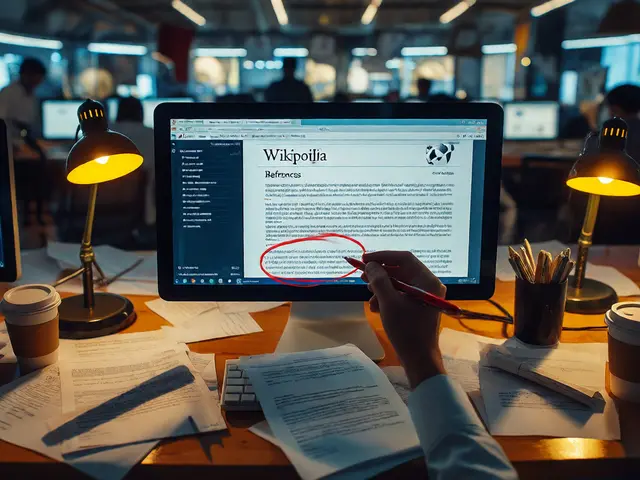
Before a story ever hits the website, it goes through a gauntlet of checks. The goal isn't just to find typos, but to verify every single claim. In a typical workflow, a reporter doesn't just rely on one source. If a source says a university policy changed on Tuesday, the editor asks for the official memo or a second confirmation from the administration.This process involves several layers of scrutiny. First, there is the reporter's own self-check. Then, it moves to a section editor who looks for logical gaps. Finally, a copy editor focuses on the technical details. They use a technique called "cross-referencing," where they check a name against a LinkedIn profile or a company's official website to ensure the title is current. For example, if a story mentions a Dean of Students, the editor will verify if that person is still in that role or if they've transitioned to a different department. This prevents the embarrassment of calling someone by an outdated title.
When the System Fails: Identifying the Error
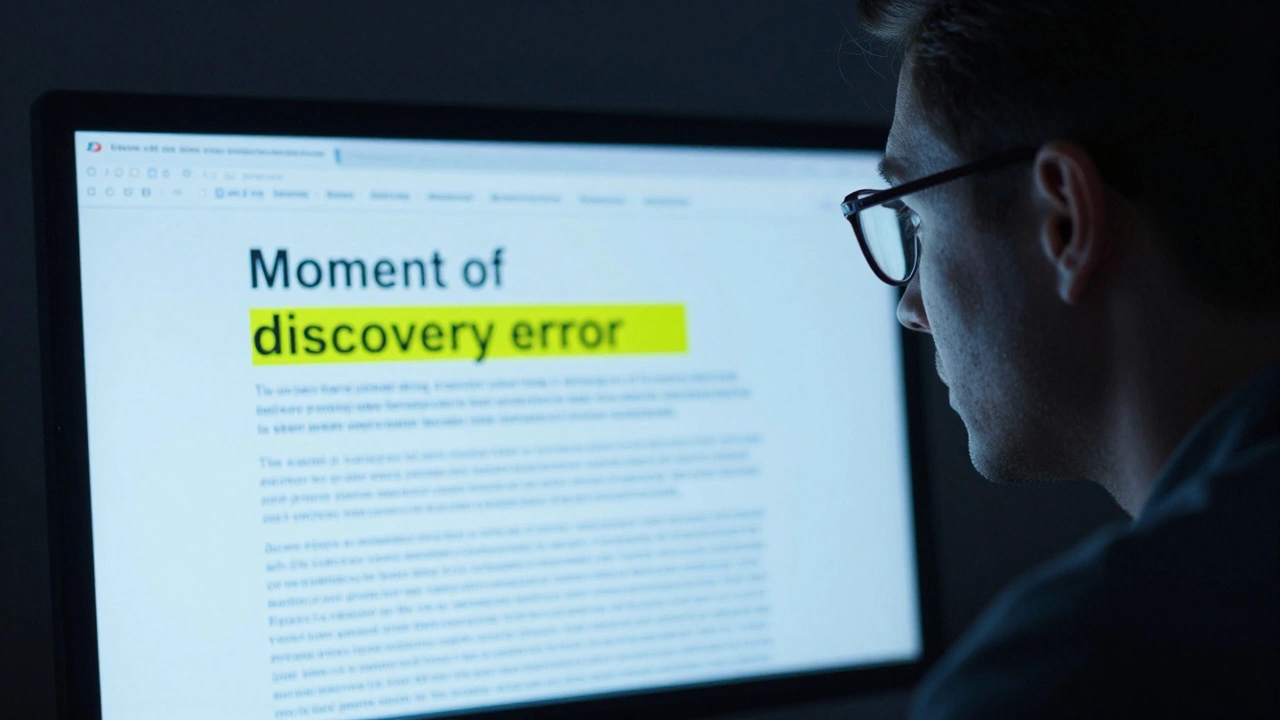
Despite the best efforts, mistakes happen. Maybe a source provided a wrong date, or a fast-typing reporter swapped two numbers in a financial table. The real test of a newsroom isn't whether they make a mistake, but how they handle it once it's discovered. At The Signpost, errors usually come to light in three ways: through an alert from a reader, a tip from a source, or an internal realization by the staff.When a mistake is spotted, the clock starts ticking. The team doesn't bury the error or quietly change the text without telling anyone. That's called "stealth editing," and it's a cardinal sin in journalism. Instead, they follow a strict protocol to determine the severity of the mistake. A misspelled name in a non-essential sentence is a minor error. A wrong quote that changes the meaning of a person's statement is a major error. The response varies based on this scale, but the commitment to transparency remains the same.
The Anatomy of a Professional Correction
How do you actually fix a mistake without losing your audience's trust? It all comes down to the correction note. A good correction isn't vague. Saying "This article has been updated for clarity" is useless because it doesn't tell the reader what was wrong. A professional correction specifies exactly what was changed and why.A typical correction at The Signpost looks like this: "A previous version of this article stated that the town hall meeting was on Friday, April 12. The meeting actually took place on Thursday, April 11. This article has been corrected to reflect the right date." By being specific, the publication proves it is monitoring its work and is honest about its shortcomings. This practice aligns with the standards set by the Society of Professional Journalists, which emphasizes that journalists should be accountable and transparent.
| Error Type | Example | Correction Method | Urgency |
|---|---|---|---|
| Typographical | "The mayor said 'no'" (should be "know") | Direct edit + minor note at bottom | Low |
| Factual | Wrong date for a public event | Clear correction statement at the top/bottom | Medium |
| Substantive | Misattributing a quote to the wrong person | Prominent correction + apology if necessary | High |
| Legal/Libel | False accusation of a crime | Immediate retraction and formal apology | Critical |
The Role of Digital Tools in Modern Fact-Checking
In 2026, fact-checking isn't just about flipping through a phone book. The Signpost utilizes several digital tools to maintain accuracy. They use CMS (Content Management Systems) that track every edit, allowing editors to see exactly who changed what and when. This audit trail is crucial if a dispute arises over a source's statement.Furthermore, they employ digital verification tools for images and videos. When a user submits a photo of a campus protest, the staff might use reverse image searches to ensure the photo isn't from a different event three years ago. They also lean on API integrations from official government databases to verify public records in real-time. These tools don't replace the human editor, but they act as a safety net, catching the kinds of errors that human eyes often miss during a late-night deadline rush.
Building a Culture of Accountability
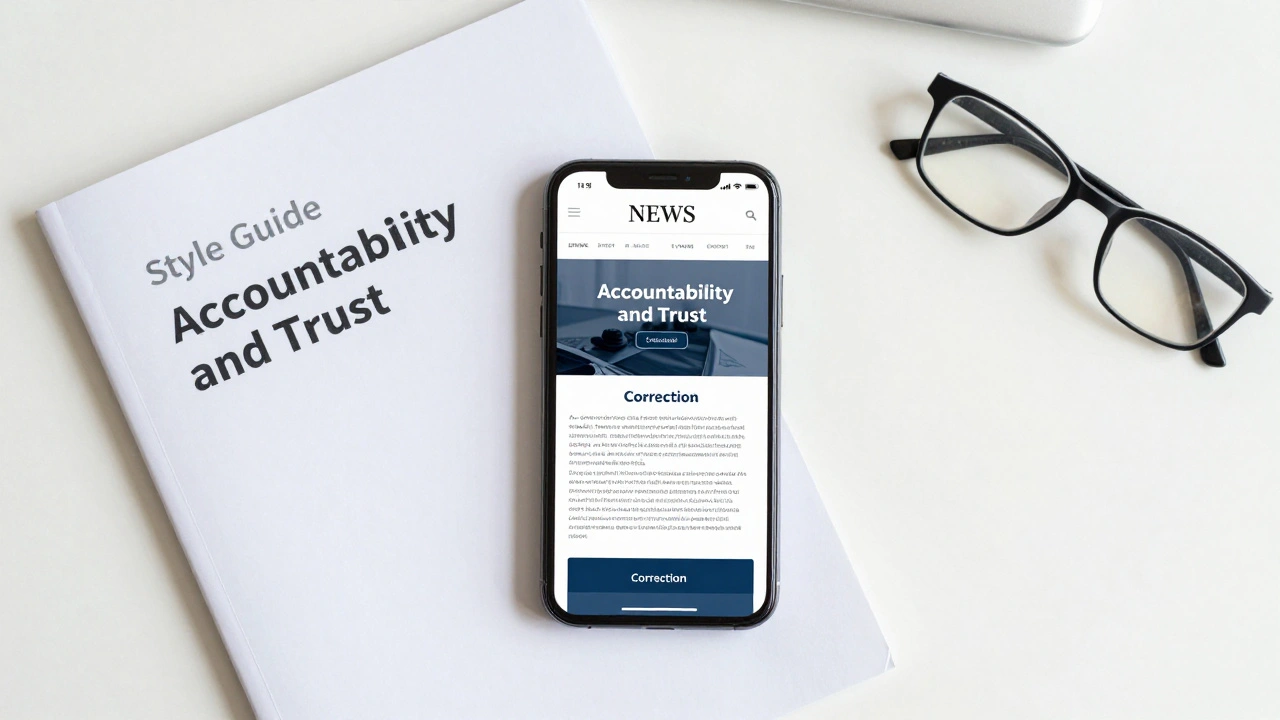
Fact-checking isn't just a checklist; it's a culture. In some newsrooms, reporters are afraid to admit mistakes because they fear reprimand. However, the most successful teams, including those at The Signpost, treat errors as learning opportunities. When a major correction is issued, the editorial board often holds a "post-mortem" meeting. They ask: Why did this slip through? Was the source unreliable, or was the editor rushed?By analyzing the root cause of the error, they can update their Style Guide-the internal document that dictates grammar, spelling, and formatting rules-to prevent the same mistake from happening twice. This cycle of error, correction, and analysis is what transforms a student publication into a professional-grade news source. It teaches young journalists that the goal isn't to be infallible, but to be relentlessly pursuit of the truth.
The Psychological Impact of Corrections on Readers
You might wonder if readers lose faith when they see a list of corrections at the bottom of a page. Interestingly, the opposite is often true. When a reader sees a publication admitting a mistake, it signals that the publication is actively auditing its work. It creates a sense of reliability. If a site never issues a correction, a skeptical reader might wonder, "Are they actually making mistakes but just hiding them?"This trust is especially vital in local reporting. If a resident knows that The Signpost will correct a wrong address for a community event within an hour of the error being reported, they are more likely to rely on that source for future information. The transparency creates a two-way street where the community feels invested in the accuracy of the news. It turns the audience from passive consumers into active partners in the truth-seeking process.
What is the difference between an update and a correction?
An update adds new information to a developing story-like adding the final score to a game report. A correction fixes a factual error that was already published, such as changing a wrong name to the correct one. Updates expand the story; corrections fix the story.
How does The Signpost handle anonymous sources during fact-checking?
Anonymous sources are handled with extra caution. While the public doesn't know the source, at least one editor must know the identity of the source to verify their credibility and expertise. The editor checks the source's background to ensure they are in a position to know the information they are providing.
Do all typos require a formal correction note?
Not necessarily. Minor typos that do not change the meaning of the sentence (like "teh" instead of "the") are often fixed silently. However, if the typo changes a fact-like writing "100" instead of "1,000"-a formal correction is required to maintain transparency.
What happens if a source asks for a correction after a story is published?
The newsroom doesn't just change the text because a source is unhappy. They re-verify the claim. If the source provides evidence that the original reporting was wrong, the publication issues a correction. If the reporting was accurate, they stand by the story, though they may offer a right of reply in a follow-up.
How often does a typical news organization issue corrections?
It varies by volume. High-output newsrooms with hundreds of articles a day will have more corrections. The frequency is less important than the consistency of the process. A healthy newsroom corrects every single factual error regardless of how small it is.