You’ve got a great idea for a Wikipedia article. Maybe it’s about a local nonprofit you volunteer with, a small business that changed your life, or a niche topic you’ve spent years researching. You’re excited to share it with the world. But when you try to create the page, it gets deleted. Why? Because it doesn’t meet Wikipedia notability.
What Does Notability Actually Mean?
Notability isn’t about being famous. It’s about being covered. Wikipedia doesn’t exist to list every person, organization, or thing that exists. It’s a summary of what’s been independently verified by reliable sources. If no one else has written about it in a serious way, Wikipedia won’t either.
Think of it like this: if you walked into a library and asked for a book about your neighbor’s backyard garden, the librarian wouldn’t pull one off the shelf unless someone had published a book or a major article about it. Wikipedia works the same way. It doesn’t create content from scratch. It compiles what’s already out there.
The Core Rule: Independent, Reputable Sources
The single most important thing you need to establish notability is independent, reliable sources. Let’s break that down.
- Independent means the source isn’t connected to the subject. A company blog, a personal website, or a press release from the organization itself doesn’t count. You need third-party coverage - news outlets, academic journals, books from reputable publishers, or established magazines.
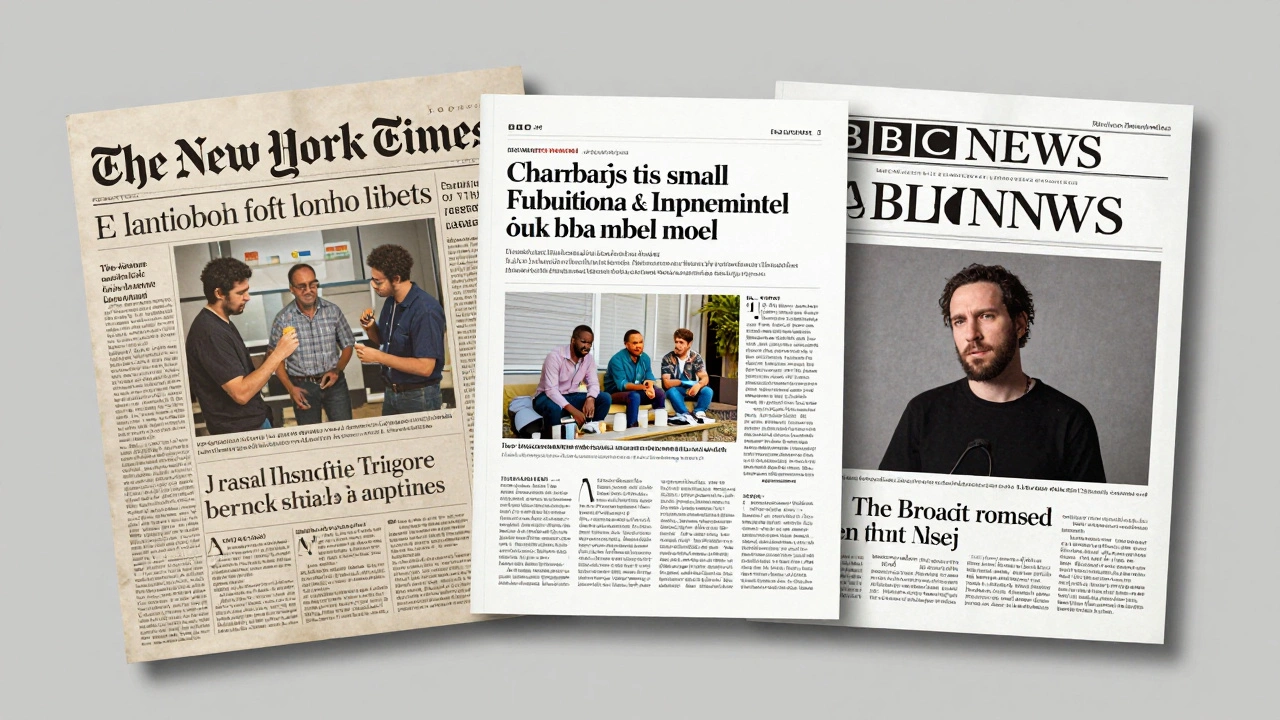
- Reliable means the source has editorial standards. Wikipedia trusts outlets like The New York Times, BBC, The Guardian, academic journals like JSTOR, and well-known trade publications. Blogs, forums, social media posts, and personal websites are not reliable.
- Multiple sources are required. One article isn’t enough. You need at least two or three separate, in-depth mentions over time.
For example, if you’re trying to write about a local musician, a single feature in your town’s weekly paper won’t cut it. But if they’ve been covered by a regional newspaper, interviewed on a public radio station, and reviewed in a national music magazine - that’s a different story.
Notability by Category
Wikipedia has specific notability guidelines for different types of subjects. You can’t use the same standard for a person, a company, and a book. Here’s what matters for each:
People
For individuals, notability usually means one of these:
- Significant coverage in multiple independent sources (e.g., major news outlets, biographies, scholarly articles)
- Leadership roles in major organizations (CEO of a Fortune 500 company, president of a national nonprofit)
- Major awards or recognition (Pulitzer Prize, Nobel, Grammy, Olympic medalist)
- Long-term public impact (e.g., influential activists, scientists with widely cited research)
Local teachers, small business owners, or amateur athletes rarely qualify - unless they’ve been covered by multiple independent sources that go beyond basic announcements.
Organizations and Companies
For businesses and nonprofits:
- Must have received significant coverage in independent media (not press releases or their own website)
- Should be notable enough to have been discussed in books, academic papers, or major news outlets
- Size alone doesn’t matter. A small local bakery won’t qualify just because it’s been around 20 years. But if it was featured in The Economist for its innovative supply chain model - that’s a different case.
Many startups get rejected because they only have a website, a LinkedIn page, and a few tweets. That’s not enough.
Books, Music, Films
For creative works:
- Must have received significant critical attention - not just reviews, but in-depth analysis
- Bestsellers are automatically notable if they appeared on major lists (New York Times, Amazon, etc.)
- Independent films need reviews from established critics, not just festival listings
A self-published novel with 500 copies sold and a few Amazon reviews? Not notable. A novel that made the New York Times bestseller list and was analyzed in Literary Review? That’s a Wikipedia article.
What Doesn’t Count as Notability
People often think these things prove notability - but they don’t:
- Having a Wikipedia page in another language
- Being mentioned in a list (e.g., “Top 10 Local Restaurants”)
- Getting interviewed on a podcast or YouTube channel
- Having a large social media following
- Being cited in a student paper or thesis
None of these are independent, authoritative coverage. Wikipedia isn’t a popularity contest. It’s a repository of verifiable, significant information.
How to Check Before You Write
Before you start drafting, do this:
- Search Google News and Google Scholar for the subject’s name.
- Look for at least two independent sources that go beyond a basic mention. They should be detailed - not just a headline and a quote.
- Check if those sources are reputable. Is it a newspaper? A journal? A respected magazine? If it’s a blog, a forum, or a personal site, skip it.
- Use Wikipedia’s own notability guidelines page to compare your subject to examples.
If you can’t find enough coverage, wait. Build visibility first. Get interviewed by a local paper. Get reviewed by a national outlet. Then come back.

Why This Rule Exists
Wikipedia isn’t a personal blog or a promotional platform. It’s a public encyclopedia that millions rely on for accurate, neutral information. If anyone could create a page about anything, the site would be flooded with spam, self-promotion, and misinformation.
The notability rule protects the integrity of the platform. It ensures that only topics with lasting, documented significance get a page. That’s why Wikipedia has deleted over 1.5 million articles since 2001 - most of them for failing this exact test.
What to Do If You’re Rejected
Getting your article deleted is frustrating, but it’s not the end. Here’s what to do:
- Read the deletion reason carefully. It’s usually clear: “No independent sources,” “Not notable,” etc.
- Don’t re-create the same article. That just leads to another deletion.
- Work on building coverage. Get featured in a real publication. Get cited in a book or academic paper.
- After six months to a year, if you’ve got solid sources, try again.
Many successful Wikipedia articles were created after years of public recognition. Patience pays.
Final Thought
Wikipedia doesn’t care how much you believe in your topic. It cares about what the world has documented. If your subject hasn’t been written about by others - in a serious, independent way - then it doesn’t belong on Wikipedia… yet. Don’t fight the system. Work with it. Build the evidence. Then, when the world has noticed, Wikipedia will too.