Every week, dozens of volunteers log into The Signpost to write, edit, and fact-check news about Wikipedia and its sister projects. They do it for free. They do it because they care. But many of them are exhausted.
It’s not rare to hear someone say, "I used to write for The Signpost every week. Now I can’t even open the page." This isn’t just a personal story-it’s a systemic issue. The same people who kept the publication alive for over a decade are now stepping away, not because they lost interest, but because they burned out.
What Volunteer Burnout Actually Looks Like
Burnout doesn’t start with crying at your keyboard. It starts with skipping meals to finish a draft. It starts with checking your email at 2 a.m. because you’re afraid someone else will miss a typo. It starts with saying "yes" to one more task, then another, until you realize you haven’t taken a full day off in six months.
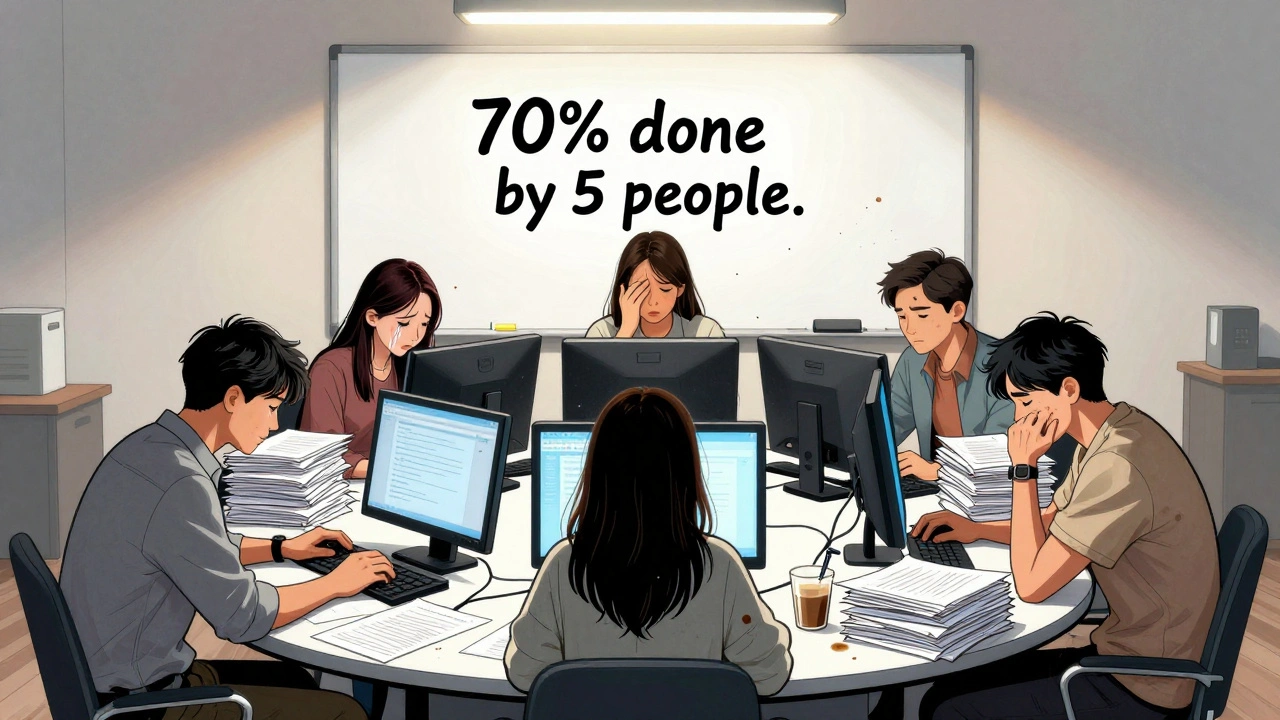
At The Signpost, volunteers aren’t paid. They don’t get bonuses. They don’t get time off. They get a byline and the occasional thank-you note. That’s not enough when the workload keeps growing. In 2024, the number of articles published jumped 40% compared to 2022, but the number of active contributors dropped by 30%. The same five people were handling 70% of the content.
One contributor, who asked to remain anonymous, said: "I edited 14 articles in three weeks. I was waking up with panic attacks. I didn’t want to let people down, but I was letting myself down more. I quit. I still love Wikipedia. I just can’t do it like this anymore."
Why The Signpost Can’t Just Hire Staff
The Wikimedia Foundation doesn’t fund The Signpost as a newsroom. It’s a volunteer-run project, and that’s by design. Adding paid staff would change its identity-and likely trigger debates about editorial independence, funding fairness, and institutional control.
But that doesn’t mean sustainability has to mean more unpaid labor. It means rethinking how work gets done. The problem isn’t that volunteers are lazy. It’s that the system doesn’t protect them.
Think of it like a car with no oil. You can keep driving it, but eventually, the engine seizes. The Signpost is running on the same people, the same routines, the same expectations. No one’s refilling the tank.
Small Changes That Make a Big Difference
Here’s what’s working in other volunteer communities-and what could work at The Signpost.
- Rotating roles: Instead of letting the same person handle all headlines and copy edits, split tasks. One person writes, another proofreads, a third formats. Rotate every two weeks.
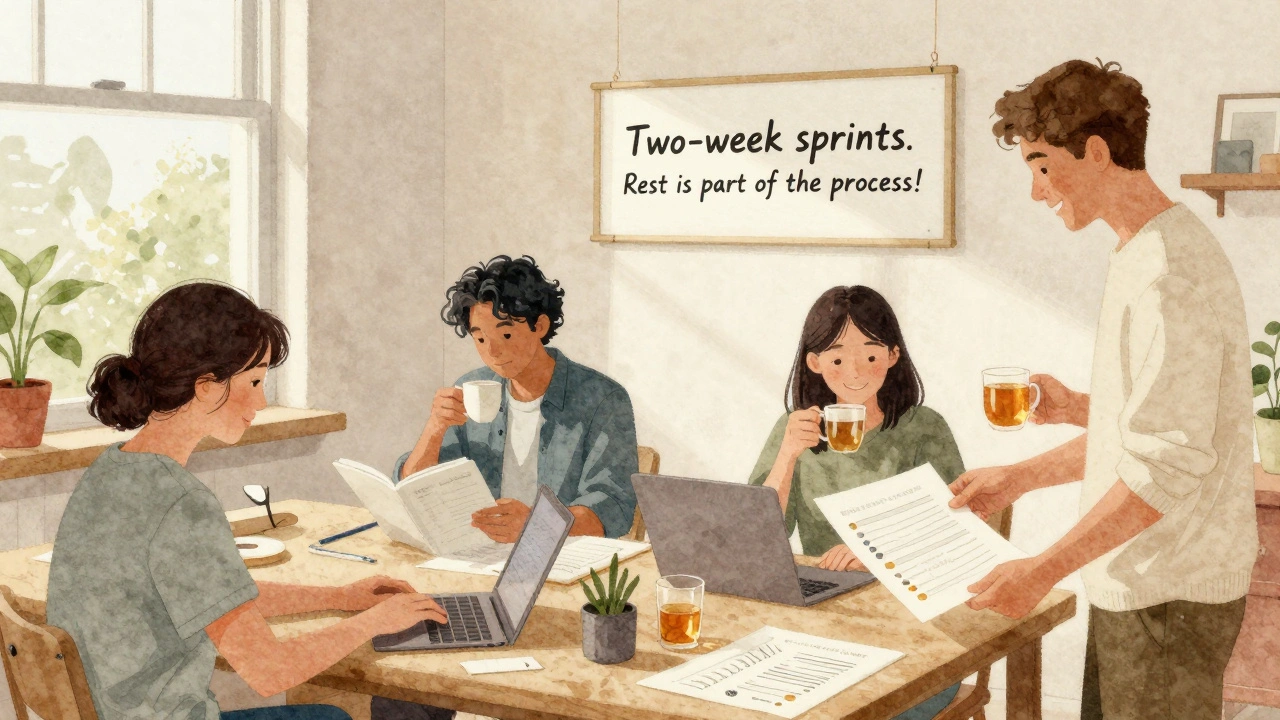
- Two-week sprints: Instead of expecting weekly articles, run content in two-week cycles. Publish every other week. Use the off-week to rest, plan, or catch up.
- Explicit rest periods: When someone takes a break, the team publicly says, "Thanks, Alex, for the last six months. Alex is on break until January. We’ll cover for you." No guilt. No pressure.
- Onboarding with boundaries: New volunteers aren’t handed a full editorial calendar on day one. They start with one article. They’re told: "You’re allowed to say no. You’re allowed to ask for help. You’re not expected to be perfect."
One editor started doing this last year. She began with a simple rule: "No drafts after 8 p.m. on weekends." Within three months, her output didn’t drop. Her stress did. And three new people joined her team because they saw she wasn’t drowning.
The Hidden Cost of Perfectionism
Wikipedia’s culture prizes accuracy above all. That’s good. But it’s also led to a culture where volunteers feel they can’t publish unless everything is flawless. A single typo becomes a reason to delay a whole article. A missed citation becomes a reason to scrap the draft.
But news moves fast. Wikipedia changes fast. The Signpost can’t wait for perfection. It needs to be timely. It needs to be human.
There’s a difference between sloppy and human. A typo isn’t a scandal. A delayed headline isn’t a failure. A rough draft that gets published is better than a perfect one that never sees the light.
One contributor started publishing rough drafts with a note: "This is a first pass. Please help fix it." The response? More edits. More collaboration. More people feeling like they belonged. The quality didn’t suffer. The community grew.
How to Keep New Volunteers From Burning Out Fast
New volunteers often come in with energy. They want to help. They want to make a difference. And then they hit the wall.
They see the same five names on every article. They get feedback that feels like criticism, not guidance. They’re told, "We need you to do this," but no one shows them how.
Here’s how to fix it:
- Assign a mentor for the first month. Not an editor. Not a supervisor. Just someone who says, "Hey, I’ve been there. What do you need?"
- Give them one small, clear task: "Write a 300-word update on this policy change." Not "Write a full article."
- Publicly thank them-even if it’s just a comment on the draft: "Thanks for getting this out so fast. This helps a lot."
People don’t stay because they’re perfect. They stay because they feel seen.
What Happens If Nothing Changes
If The Signpost keeps asking the same people to do more with less, the publication won’t vanish overnight. It’ll fade. Articles will come out less often. Coverage will shrink. The archive will become a museum piece.
And when it’s gone, who will document the changes inside Wikipedia? Who will call out bias? Who will explain the technical updates to new editors? Who will keep the community honest?
There’s no backup plan. That’s the problem.
It’s Not About Working Harder. It’s About Working Smarter.
Sustainable publishing doesn’t mean more work. It means less burnout. It means respecting time. It means trusting people to do good work without crushing them to do it.
The Signpost doesn’t need more volunteers. It needs a better system.
It needs to stop glorifying exhaustion. It needs to stop treating rest as a failure. It needs to stop acting like one person can carry the whole thing.
Change doesn’t require a grant. It doesn’t require a board meeting. It just requires someone to say: "Enough. We’re doing this differently now."
Why doesn’t The Signpost just get paid staff?
The Signpost was created as a volunteer-run project to maintain independence from the Wikimedia Foundation. Adding paid staff would risk changing its identity, triggering debates about editorial control, funding fairness, and institutional influence. While paid staff could reduce burnout, the community has chosen to preserve its volunteer roots-even if it means finding smarter ways to share the work.
Can one person really handle all the work at The Signpost?
No. In 2024, just five contributors produced 70% of all articles. That’s not sustainable. Even the most dedicated volunteers have limits. When one person handles headlines, editing, fact-checking, formatting, and outreach, they’re not just busy-they’re on the edge of collapse. Sustainable systems rely on shared responsibility, not heroism.
What if I’m new and feel overwhelmed?
Start small. Write one 300-word update. Ask for help. Say no if you need to. The Signpost doesn’t need perfect articles-it needs consistent, human voices. You’re not expected to know everything. You’re expected to care enough to try. That’s enough.
Is it okay to take a break from The Signpost?
Yes. Taking a break isn’t quitting. It’s protecting your ability to contribute long-term. The community thrives when people come back refreshed, not when they disappear after burning out. If you need time off, say so. Others will cover for you-and they’ll thank you later for setting that example.
How can I help without writing articles?
You don’t have to write to help. Proofread drafts. Suggest sources. Fix formatting. Reply to comments. Share articles with new editors. Even small tasks reduce the load on writers. The Signpost needs more than reporters-it needs a team.