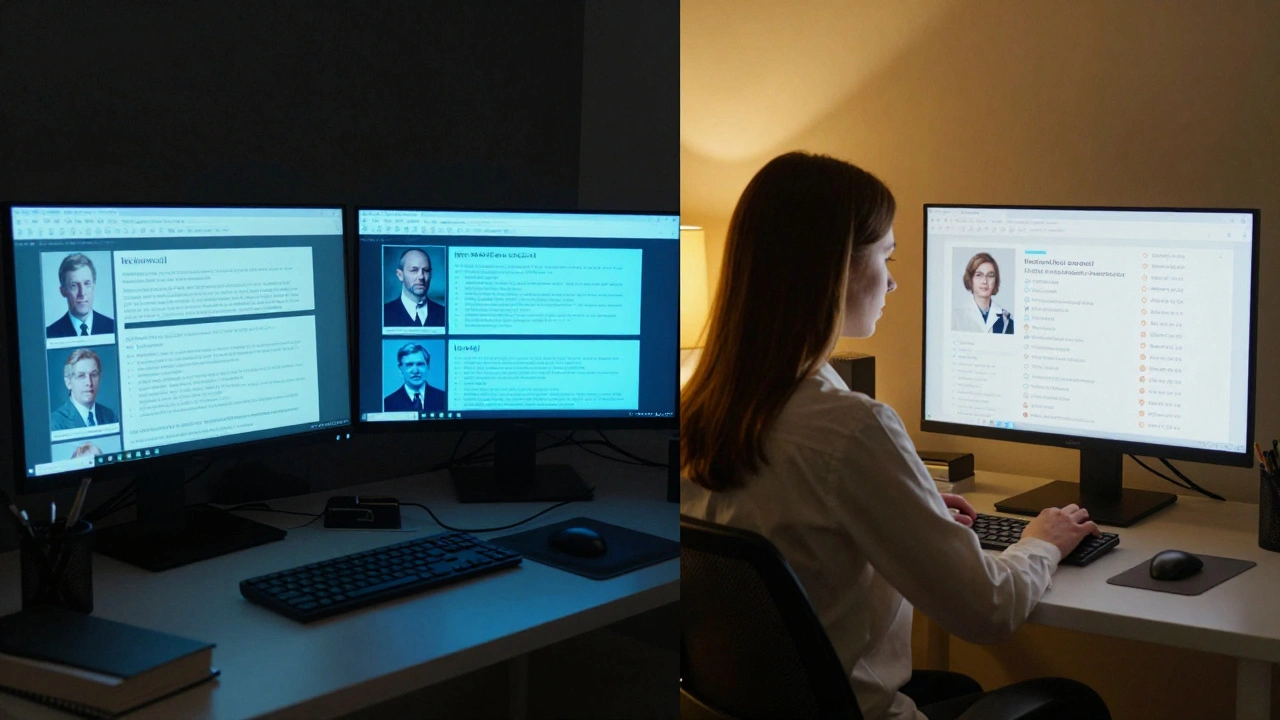
Wikipedia is the largest encyclopedia in history, with over 60 million articles in more than 300 languages. But behind its massive public success is a quiet, persistent imbalance: most of its editors are men. Research consistently shows that fewer than 20% of Wikipedia contributors identify as women. This isn’t just a numbers game-it shapes what gets written, what gets left out, and who gets remembered.
What the data says about editor demographics
A 2023 study by the Wikimedia Foundation analyzed over 1.2 billion edits across 12 major language versions of Wikipedia. The results were clear: women made up only 16.5% of active editors. That’s a slight improvement from 12% in 2015, but progress has stalled since 2020. In some language editions, like Japanese and Korean, the percentage of female editors dropped below 10%.
It’s not that women don’t use Wikipedia. In fact, women make up nearly half of all readers. But when it comes to editing, the gap is stark. A 2021 survey of 15,000 Wikipedia editors found that 84% of those who edit weekly were men. The reasons? Many women cited hostile editing environments, lack of recognition, and fear of being corrected or attacked for minor edits.
What gets left out
When most editors are men, the content reflects their interests and experiences. Research from the University of Oxford found that articles about women are more likely to be deleted, merged, or flagged for lack of notability-even when they meet the same criteria as articles about men.
Take the case of female scientists. A 2022 analysis of English Wikipedia showed that 82% of biographies about scientists were about men. Even among Nobel laureates in science, women were underrepresented by nearly 50%. Meanwhile, articles about domestic life, caregiving, and women’s health topics often lack depth or are buried under technical jargon.
And it’s not just about people. Wikipedia’s coverage of women’s history, feminist movements, and gender studies is fragmented. A 2024 study from Stanford University mapped 2.3 million Wikipedia articles and found that topics centered on women were, on average, 37% shorter than comparable articles about men.
Why this matters beyond Wikipedia
Wikipedia isn’t just a website. It’s a primary source for school assignments, news reports, and even AI training data. Google, Bing, and Siri pull answers from Wikipedia. If the platform lacks balanced perspectives, those systems inherit the bias.
One 2025 experiment by researchers at MIT showed that when AI models were trained on Wikipedia data, they were 40% more likely to associate leadership roles with men than women-even when the training data included profiles of female CEOs. The model didn’t invent the bias; it learned it from the source.
This isn’t theoretical. Students writing essays on female inventors, activists, or artists often find little more than a paragraph. Teachers report frustration when students can’t find credible information on women who changed history-because Wikipedia, the go-to resource, doesn’t have it.
Efforts to fix the gap
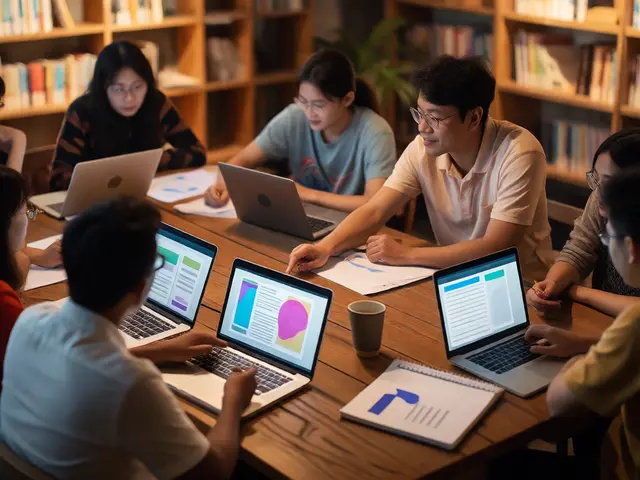
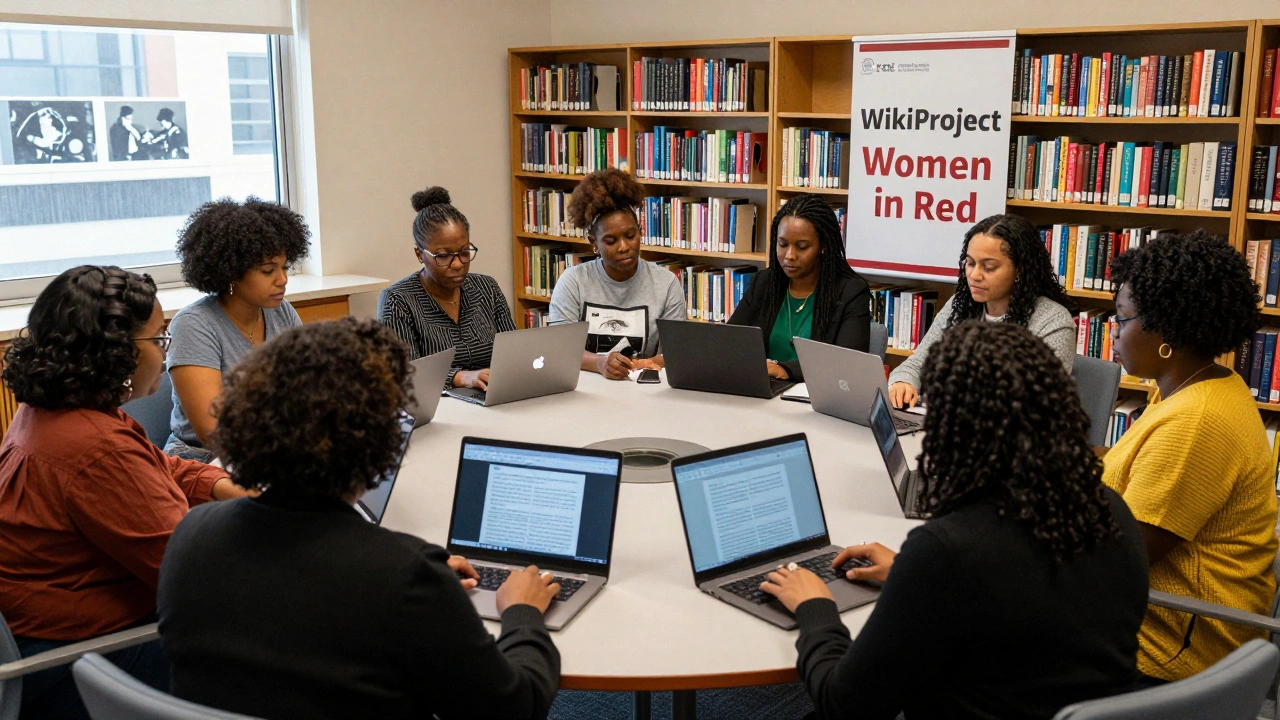
Some groups are trying to change things. Edit-a-thons focused on women’s history have grown since 2018. Events like “WikiProject Women in Red” have created over 300,000 new biographies of women since 2015. In 2024, a collaboration between universities and Wikimedia chapters led to the addition of 18,000 articles about Black women in science, art, and activism.
Wikipedia’s own policies have shifted too. In 2023, the Wikimedia Foundation updated its notability guidelines to explicitly state that “lack of coverage in mainstream media should not automatically disqualify a subject if they have made a documented impact in their field.” This change helped save hundreds of articles about women in non-Western countries and grassroots movements.
But policy changes alone aren’t enough. The real barrier is culture. Many women avoid editing because they’ve been told their edits are “too emotional,” “not neutral,” or “not encyclopedic.” One editor from Brazil shared that after her first edit on a female filmmaker’s page was reverted with the comment “This isn’t Wikipedia material,” she didn’t edit again for two years.
What can be done
Fixing the gender gap isn’t about recruiting more women-it’s about making Wikipedia feel like a place where women want to stay.
- Training programs that teach new editors how to navigate edit wars and cite sources confidently.
- Mentorship networks where experienced editors, especially women, guide newcomers.
- Tool improvements that reduce the friction of editing-like simpler interfaces and better feedback systems.
- Recognition that celebrates contributions, not just edits. Highlighting female editors in newsletters and community spotlights.
Some universities now offer credit for students who edit Wikipedia as part of their coursework. At the University of Wisconsin-Madison, over 800 students have added or improved articles on women in STEM since 2022. The result? A 20% increase in the number of detailed, well-sourced articles about female scientists on the English Wikipedia.
The future of Wikipedia’s representation
The gender gap won’t close overnight. But the research is clear: diversity in editors leads to better content. When more women edit, more women are written about-and that changes how history is remembered.
Imagine a world where a student searching for “Ada Lovelace” finds not just a brief bio, but a full breakdown of her collaboration with Charles Babbage, her influence on early programming, and quotes from historians who call her the first computer scientist. That’s possible. But only if the people writing Wikipedia look more like the world it claims to represent.
Wikipedia doesn’t need more rules. It needs more voices.
Why are there so few female editors on Wikipedia?
Research points to several factors: hostile editing environments, fear of criticism, lack of mentorship, and cultural norms that discourage women from public editing. Many women report being corrected harshly for minor edits or having their contributions dismissed as "emotional." The platform’s technical complexity and unwritten social rules also create barriers.
Does the gender gap affect the accuracy of Wikipedia content?
Yes. Studies show that articles about women are more likely to be deleted, shortened, or flagged for lack of notability-even when they meet the same criteria as articles about men. Topics like women’s health, caregiving, and feminist history are often underdeveloped. This doesn’t mean the content is false, but it’s incomplete, which affects how knowledge is understood.
Can editing Wikipedia help close the gender gap?
Absolutely. Every edit matters. When more women edit, they create articles about women who’ve been overlooked. Projects like WikiProject Women in Red have added over 300,000 biographies of women since 2015. Universities that assign Wikipedia editing as coursework have seen measurable increases in coverage of female figures in science, politics, and culture.
Is Wikipedia biased against women in all languages?
The gap exists in every major language, but its size varies. In English Wikipedia, women make up about 16% of editors. In Japanese and Korean, it’s below 10%. In Spanish and Portuguese, the numbers are slightly higher, around 20-22%. Cultural norms, access to technology, and local editing communities all influence participation rates.
How can I help reduce the gender gap on Wikipedia?
Start by editing. You don’t need to be an expert. Add a citation, expand a short biography, or create a new article about a woman who made an impact in your community. Join a WikiProject like Women in Red or participate in an edit-a-thon. Support organizations that train women to edit. And if you’re a teacher or professor, consider assigning Wikipedia editing as part of your curriculum.