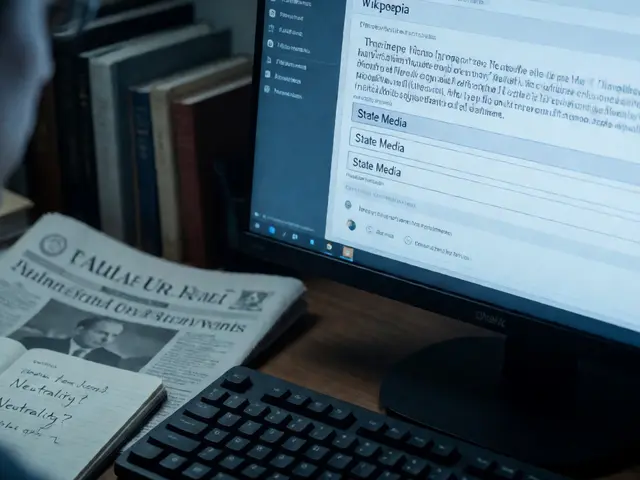
Most people see Wikipedia is a multilingual, web-based free encyclopedia written collaboratively by volunteers. While the end product is a set of articles, the engine driving it is a complex web of human psychology. Research into Wikipedia contributions shows that the motivation to edit isn't a single thing. It's a cocktail of altruism, a desire for status, and a genuine love for the 'rabbit hole' of learning.
The Core Drivers: Why Do They Do It?
If you talk to a long-term editor, they'll likely mention a few key reasons for their commitment. Research generally splits these into intrinsic and extrinsic motivations. Intrinsic drivers come from within-the joy of the task itself-while extrinsic drivers are external rewards or pressures.
- The Altruistic Urge: Many editors are driven by the "democratization of knowledge." They believe that information should be free and accessible to everyone, regardless of their social or economic status. This is a powerful driver for people who feel that traditional textbooks or encyclopedias are biased or exclusionary.
- The Joy of Learning: The act of writing is often the best way to learn. Editors frequently discover that by researching a topic to meet the site's strict sourcing standards, they become experts in that field. It's a self-perpetuating loop: you edit to learn, and you learn to edit better.
- Correcting the Record: There is a psychological trigger called "cognitive dissonance" that hits when an editor sees a factual error. For a certain type of person, seeing a wrong date or a misspelled name on a page viewed by millions is physically uncomfortable. Fixing it provides an immediate sense of relief and achievement.
- Social Connection: While it's a digital platform, the Wikipedia Community is a social network. Editors form bonds in talk pages, coordinate massive cleanup projects, and develop a shared identity as "Wikipedians."
The Role of Status and Gamification
While altruism is the headline, status plays a quiet but significant role. In any community, people want to be recognized as experts. On Wikipedia, this doesn't happen through a fancy job title, but through trust and reputation.
Consider the Administrator role. An administrator is a trusted user with special technical tools to protect pages and block disruptive users. Getting these rights isn't about power in a corporate sense; it's about being recognized by your peers as a reliable steward of the project. This "social capital" is a huge motivator for people to stay active over years or even decades.
There's also a subtle form of gamification. Watching your edit count rise or seeing your contributions move a page from "stub" to "featured article" provides a dopamine hit similar to leveling up in a video game. It transforms a tedious task into a series of achievable goals.
| Motivation Type | Primary Driver | Typical Behavior | Long-term Outcome |
|---|---|---|---|
| Intrinsic | Personal satisfaction / Curiosity | Deep dives into niche interests | High retention and quality |
| Altruistic | Public good / Accessibility | Expanding coverage of under-represented topics | Steady, purpose-driven growth |
| Extrinsic | Status / Recognition / Resume building | Focus on high-visibility pages | Variable; may drop off after goal met |
| Corrective | Accuracy / Fact-checking | Rapidly fixing typos and errors | High volume of small edits |
Demographics and the "Contributor Gap"
Who are these people? For a long time, the image of the Wikipedia editor was a tech-savvy male from a Western country. While that was largely true, the demographics are slowly shifting, though a significant gap remains. This is often called the "gender gap" or the "geographic gap."
Research suggests that the barriers to entry aren't just technical, but cultural. Many women or editors from the Global South may feel intimidated by the often-aggressive tone of talk page debates. When a new user's first edit is reverted with a blunt "Not following guidelines" message, it kills the motivation to return. This creates a cycle where the community's culture inadvertently limits its growth.
To combat this, the Wikimedia Foundation-the non-profit that hosts Wikipedia-has pushed initiatives to encourage diverse contributors. They've found that people are more likely to contribute when they feel a personal connection to the subject. For example, an editor from Nigeria is far more likely to contribute to articles about West African history than to general physics, proving that personal identity is a primary catalyst for engagement.
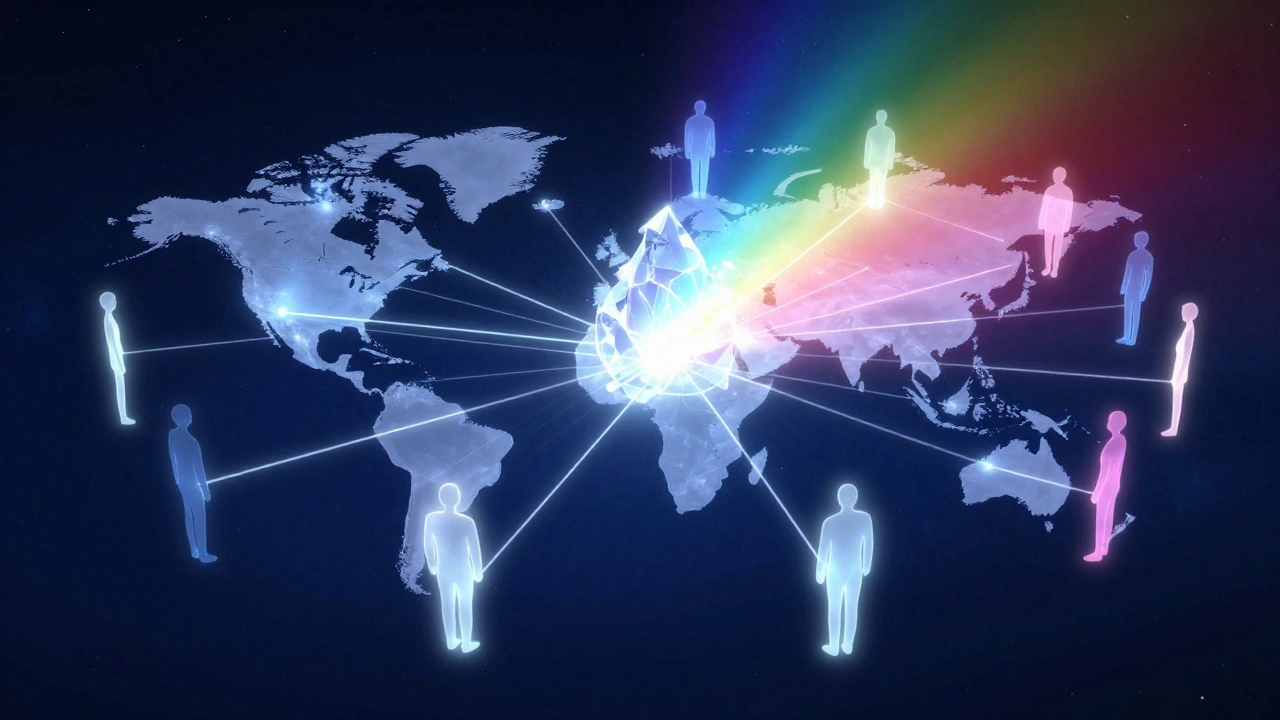
The Psychology of the "Edit War"
We can't talk about motivation without talking about the conflict. Why do people spend hours in "edit wars," where two users repeatedly change a sentence back and forth? This isn't usually about the facts-since both sides usually cite sources-but about the *framing* of the truth.
This is driven by Confirmation Bias, the tendency to search for, interpret, and remember information that confirms one's pre-existing beliefs. For some editors, the motivation is protective. They feel that a certain perspective is being "erased," and their contribution becomes a form of digital activism. While this can lead to toxicity, it also ensures that articles on controversial topics remain balanced (or at least reflect the ongoing debate).
How Contribution Patterns Change Over Time
Most people start as "drive-by editors." They see a typo in their favorite movie's page, fix it, and leave. This is a low-stakes, high-reward interaction. However, a small percentage move into the "power user" category. What causes this shift?
The transition usually happens when the user discovers the Wiki Syntax and the backend tools. Once the technical hurdle is cleared, the focus shifts from the *content* to the *process*. They start caring about categories, templates, and the "Neutral Point of View" (NPOV) policy. The motivation evolves from "I want to fix this page" to "I want to help the project function better." This is the shift from a consumer of the platform to a producer of the infrastructure.
This evolution is mirrored in how they interact with others. New users are often timid; experienced users are often assertive. This creates a natural hierarchy where the "old guard" manages the quality, while the "new blood" provides the raw updates and corrections. Without this balance, the site would either become a stagnant archive or a chaotic mess of unverified claims.

Practical Lessons for Online Communities
The Wikipedia model offers a blueprint for anyone trying to build a crowdsourced project. The key takeaway is that you cannot rely on a single motivator. If you only appeal to altruism, you'll miss the people who want status. If you only gamify the experience, you'll attract people who care about numbers rather than quality.
The most successful communities combine three things: a clear sense of purpose (The Mission), a way to gain respect (The Hierarchy), and an easy way to start (The Low Barrier). Wikipedia succeeds because it allows you to be a tiny helper or a community leader, and you can move between those roles as your interests evolve.
Do most Wikipedia editors get paid?
No. The vast majority of Wikipedia contributors are unpaid volunteers. The Wikimedia Foundation employs a small number of staff for technical and administrative oversight, but the actual writing and editing of articles are done by a global community of volunteers who are motivated by altruism and a passion for knowledge.
Why are some Wikipedia editors so aggressive?
This is often due to a high valuation of accuracy and site integrity. Because anyone can edit, long-term editors can become protective of "high-quality" pages. This can result in a blunt communication style that focuses on rules and guidelines rather than social niceties, which can be intimidating to new users.
What is the 'gender gap' in Wikipedia editing?
The gender gap refers to the fact that a significantly higher percentage of contributors identify as male. This is attributed to several factors, including a lack of confidence among women in technical spaces, the aggressive nature of some community discussions, and a historical bias in the topics that were prioritized for documentation.
How does Wikipedia prevent people from editing for fame or money?
Wikipedia has strict policies on "Conflict of Interest" (COI) and "Paid Editing." Users are required to disclose if they are being paid to edit. Additionally, the community uses a system of peer review and citations; if a user adds promotional content without a reliable source, other editors will quickly remove it or flag it for deletion.
What is a 'featured article' and why does it matter?
A featured article is the highest quality rating a page can achieve. It requires a rigorous review process to ensure it is comprehensive, well-written, and perfectly sourced. Achieving this status is a major motivational milestone for editors, as it represents the peak of their contributional craft.
Next Steps for Aspiring Contributors
If you're looking to get started, don't try to rewrite a major political page on your first day. That's a quick way to get your edits reverted and your motivation crushed. Instead, look for "Cleanup" tags or "Stub" articles. These are pages that explicitly need help, and the community is much more welcoming to those who tackle the unglamorous work.
Start with a topic you know personally. If you're a fan of a specific niche hobby or a local historian, that's where you'll provide the most value. Once you feel comfortable with the sourcing rules, you can move toward more complex areas. The transition from a casual editor to a community pillar happens one small, cited correction at a time.