The internet is changing fast. Governments are building walls around information, and big tech companies are deciding what you see based on algorithms you didn't ask for. In this messy landscape, one organization stands out not for its ads or its user data, but for a simple, stubborn idea: knowledge should be free.
That organization is Wikimedia, the non-profit behind Wikipedia. But Wikimedia isn't just hosting an encyclopedia anymore. It has become a serious player in public policy advocacy. They are fighting for "free knowledge positions"-a term that sounds academic but actually means real-world legal and political battles to keep information accessible, editable, and free from corporate control.
If you use Wikipedia, you benefit from these fights every day. Here is how Wikimedia is shaping the rules of the internet, why it matters to you, and what happens when they win or lose.
What Are Free Knowledge Positions?
You might hear "free knowledge" and think of free Wi-Fi or free apps. It’s not about price. It’s about freedom. In the world of policy, "free" means two things: the freedom to share and the freedom to adapt.
Free Knowledge is information that anyone can legally copy, modify, and distribute without permission. This relies heavily on Open Licensing, specifically Creative Commons licenses. When a photo is under a CC BY license, you don’t need to email the photographer to ask if you can use it in your school project. You just do it, and give credit.
Wikimedia’s "positions" are their official stances on laws and regulations. They don’t just hope for good outcomes; they draft model laws, lobby legislators, and sue governments when necessary. Their goal is to create a legal environment where free knowledge can survive against copyright maximalism and surveillance capitalism.
- Access: The right to read and view information without paywalls.
- Reuse: The right to remix and build upon existing works.
- Participation: The right to contribute to knowledge creation, not just consume it.
This isn’t abstract philosophy. It determines whether a teacher can show a movie clip in class, whether a developer can use code snippets, and whether a citizen can publish government documents online.
The Copyright Battle: From DMCA to AI
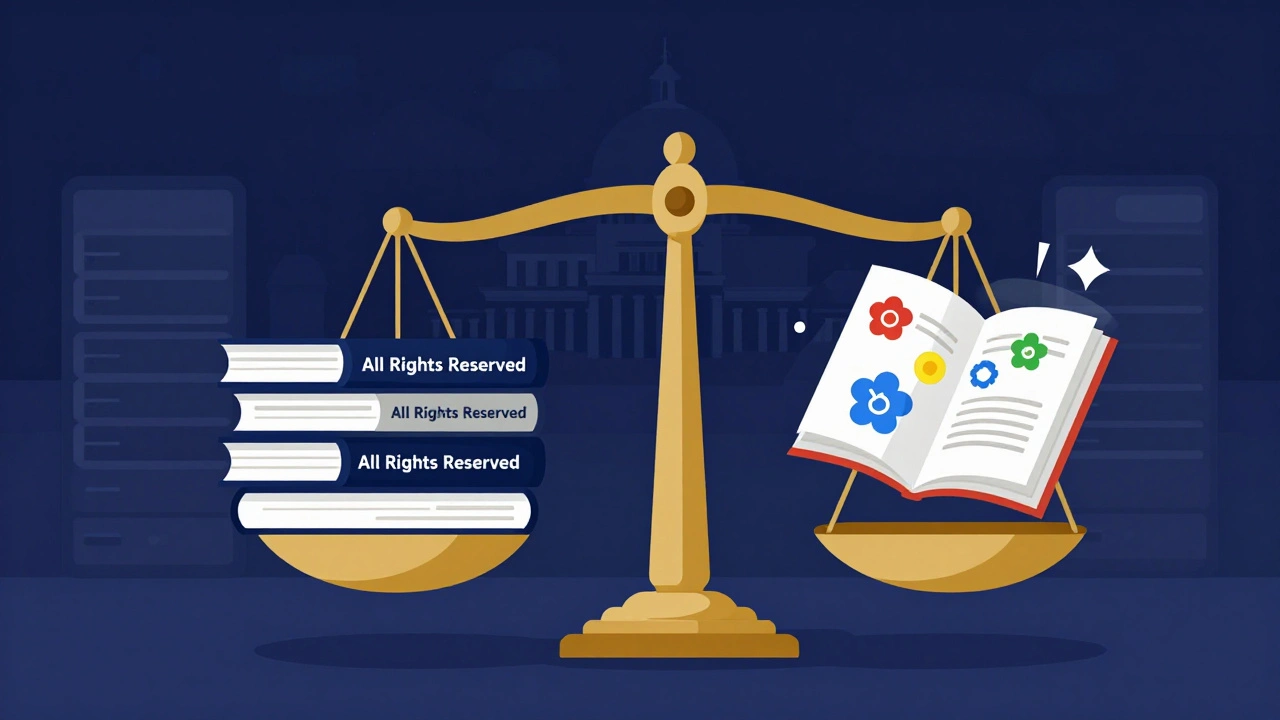
Copyright law is Wikimedia’s biggest battlefield. For decades, the default setting of the internet was "all rights reserved." If you posted a photo, no one could use it. Wikimedia fought hard to change that norm. Today, billions of files on Wikimedia Commons are freely reusable because of their advocacy for Creative Commons.
But new threats have emerged. The rise of artificial intelligence has reignited copyright wars. Tech giants want to train AI models on all human creativity without paying creators. Wikimedia’s position? They support fair use for research and education, but they oppose scraping projects that violate terms of service or undermine the sustainability of free culture.
In 2023 and 2024, Wikimedia Foundation joined coalitions opposing restrictive AI copyright bills in the European Union and the United States. They argued that while AI needs data, it shouldn’t come at the cost of locking down knowledge further. They advocate for transparency in training data and respect for opt-out mechanisms.
| Entity | Primary Goal | Stance on AI Training Data | Licensing Preference |
|---|---|---|---|
| Big Tech (e.g., Meta, Google) | Profit & Innovation | Unrestricted scraping for model training | Proprietary / Mixed |
| Traditional Publishers | Revenue Protection | Ban all unauthorized use | All Rights Reserved |
| Wikimedia | Free Access & Reuse | Fair use for education; respect opt-outs | Creative Commons (CC BY-SA) |
This balanced approach protects both creators and users. It ensures that free knowledge remains a viable alternative to proprietary ecosystems.
Internet Freedom and Net Neutrality
You can’t have free knowledge if people can’t access the internet. That’s why Wikimedia has been a vocal supporter of Net Neutrality. Net neutrality is the principle that internet service providers must treat all data equally. They can’t block, throttle, or prioritize content based on who pays more.
When countries like India or Spain faced threats to net neutrality, Wikimedia mobilized volunteers to contact lawmakers. They showed how blocking educational sites or slowing down Wikipedia would disproportionately hurt students in rural areas. Their argument wasn’t just about ideology; it was about equity.
They also fight against internet shutdowns. During conflicts or elections, some governments cut off the internet entirely. Wikimedia tracks these incidents and partners with groups like Access Now to condemn them. They argue that shutting down the internet violates basic human rights, including the right to information.
In many regions, mobile data is expensive. Wikimedia advocates for zero-rating educational content, meaning ISPs provide access to Wikipedia without counting it against data caps. This small policy change has made a huge difference for millions of users in developing nations.
Privacy vs. Transparency
Wikimedia faces a tricky balance here. On one hand, they protect user privacy. On the other, they demand transparency from institutions. Let’s break it down.
For users, Wikimedia minimizes data collection. Unlike social media platforms, Wikipedia doesn’t track your clicks to sell ads. They advocate for strong privacy laws like the GDPR in Europe. They believe your personal life should stay private.
But for institutions, they want the opposite. They push for Freedom of Information Acts (FOIA). These laws require governments to release public records. Wikimedia helps journalists and researchers file FOIA requests. They’ve obtained documents on police brutality, environmental hazards, and political corruption.
This dual stance makes sense. Your diary is private. A mayor’s budget is public. Confusing the two leads to either surveillance states or secret governments. Wikimedia’s policy work clarifies this line.
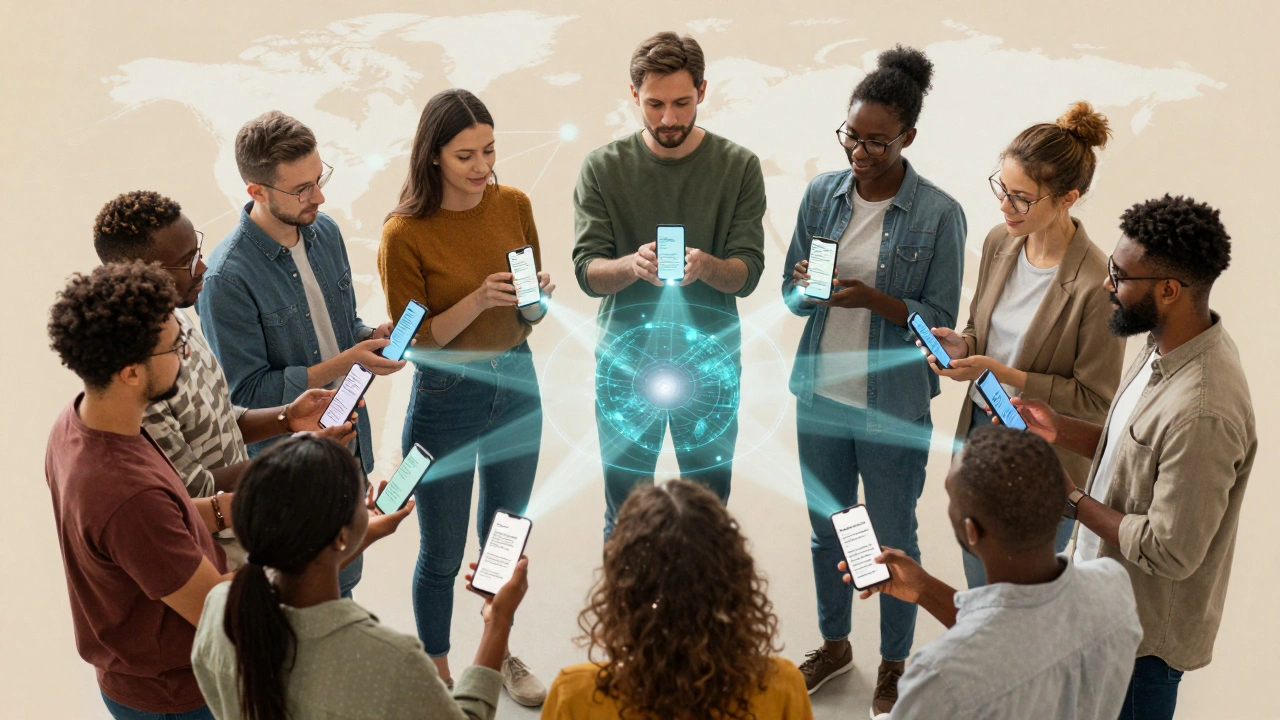
Global South and Digital Colonialism
Most internet policies are written in Washington, Brussels, or Beijing. They often ignore the realities of the Global South. Wikimedia recognizes this gap. They advocate for policies that address Digital Colonialism-the way Western tech standards dominate local cultures and languages.
For example, many African languages lack digital resources. Wikimedia supports policies that fund localization efforts. They argue that internet infrastructure should support local languages, not just English. This includes lobbying for government grants to translate educational materials into indigenous languages.
They also fight against biased algorithms. Search engines often marginalize content from non-Western sources. Wikimedia pushes for algorithmic accountability laws that require tech companies to audit their systems for bias. This ensures that knowledge from diverse cultures gets fair visibility.
In countries with strict censorship, like China or Iran, Wikimedia works with local activists to bypass filters. They advocate for tools that protect anonymity and enable secure communication. Their policy work here is risky but essential for global knowledge equity.
How You Can Support Free Knowledge
You don’t need to be a lawyer to help. Wikimedia’s power comes from its community. Here’s how you can participate in the movement for free knowledge:
- Edit Wikipedia: Add citations, improve articles, and tag sources that are behind paywalls. Every edit strengthens the case for open access.
- Contact Legislators: When new copyright or internet bills are proposed, send emails supporting free knowledge provisions. Use templates provided by Wikimedia affiliates.
- Use Open Licenses: If you create photos, writing, or code, release them under Creative Commons. Normalize sharing.
- Donate: Financial support allows Wikimedia to hire lobbyists and lawyers. Their advocacy budget is tiny compared to corporate interests.
- Educate Others: Explain to friends why free knowledge matters. Share stories about how Wikipedia helped you learn something.
These actions seem small, but collectively they shift cultural norms. They make policymakers realize that free knowledge has a powerful base.
Why does Wikimedia care about public policy?
Wikimedia cares because laws directly affect whether Wikipedia can exist. If copyright laws become too restrictive, they might have to remove millions of images or text snippets. If internet shutdowns increase, people can’t access the site. Policy advocacy protects the foundation’s mission.
Is Wikipedia really neutral in policy debates?
Wikipedia strives for neutrality in content, but the Wikimedia Foundation takes clear stances on issues affecting free knowledge. They advocate for open access, privacy, and net neutrality. This isn’t political bias; it’s defending their core values.
How does Creative Commons licensing work?
Creative Commons licenses allow creators to specify how others can use their work. The most common license used by Wikipedia is CC BY-SA, which lets anyone share and adapt the material as long as they give credit and share their new work under the same license.
What is net neutrality?
Net neutrality is the principle that internet providers must treat all data equally. They cannot block, slow down, or charge extra for specific websites or services. This ensures equal access to information for all users.
Can I use Wikipedia content for commercial purposes?
Yes, most text on Wikipedia is licensed under Creative Commons Attribution-ShareAlike (CC BY-SA). You can use it commercially, but you must attribute the authors and license your derivative work under the same terms.