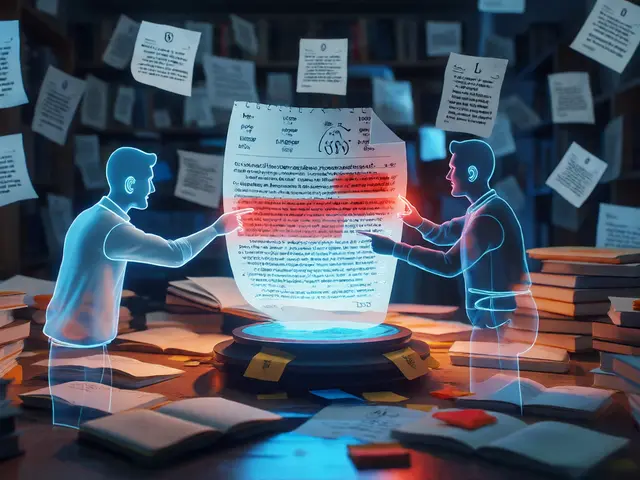
Libraries are no longer just quiet places for reading. They have become active hubs for creating free knowledge. If you work in a library or care about open information, you know that the 1Lib1Ref campaign is changing how we edit Wikipedia. This initiative asks librarians to add one reference to an article per day during Library and Information Science Day. It sounds simple, but it has a massive impact on the reliability of the world’s most visited encyclopedia.
In 2026, the movement is growing faster than ever. More libraries are joining, tools are getting better, and the community is finding new ways to engage. Whether you are a seasoned editor or a librarian who has never touched a Wiki page, understanding these updates helps you participate effectively. Here is what you need to know about the current state of the campaign and the events shaping the future of open knowledge.
The Evolution of 1Lib1Ref
To understand where we are going, we must look at where we started. The 1Lib1Ref campaign was launched by the Wikimedia Foundation in 2018. The goal was straightforward: leverage the expertise of librarians to improve citation quality on Wikipedia. Librarians are trained to find reliable sources. When they apply those skills to Wikipedia, the articles become more trustworthy.
In its first year, the campaign saw modest participation. By 2023, over 1,000 edits were made globally. In 2024, that number jumped significantly as libraries began organizing local workshops. Now, in 2026, the focus has shifted from just adding references to building sustainable editing cultures within institutions. The campaign is not just a one-day event anymore; it is a gateway to ongoing collaboration between libraries and the Wikimedia community.
The core metric remains the same: one reference added per librarian per day. However, the definition of "success" has broadened. Success now includes training sessions held before the campaign, the creation of local chapters, and the integration of Wikipedia editing into library staff development programs. This shift ensures that the improvements stick long after May 12th passes.
Key Updates for the 2026 Campaign
This year brings several technical and organizational changes that make participating easier. The Wikimedia Foundation has updated the editing interface to reduce friction for new users. Here are the specific updates you should be aware of:
- Simplified Reference Toolbars: The visual editor now includes a dedicated toolbar for inserting citations. You can select a source type (like a book, journal, or news article) and fill in the fields. The system generates the correct wikitext automatically. This reduces errors and speeds up the process for beginners.
- Enhanced Analytics Dashboard: Libraries can now access a private dashboard to track their contributions. This tool shows how many references were added, which articles were improved, and the reach of those edits. Librarians can use this data to report back to their management and secure funding for future activities.
- Mobile Optimization: Recognizing that not everyone works at a desk, the mobile version of the Wikipedia app now supports the 1Lib1Ref task banner. Librarians can complete their daily edit on their phones during breaks or while traveling.
- Global Task List: A curated list of high-impact articles lacking references is available in multiple languages. Instead of searching for articles to fix, participants can pick from a pre-selected list of pages that need urgent attention.
These updates address the biggest barrier to entry: complexity. By making the technical side smoother, the campaign allows librarians to focus on their core skill-source verification-rather than learning complex markup codes.
Upcoming Wikipedia Events and Workshops
Participation in 1Lib1Ref is often driven by local events. Many libraries host workshops leading up to Library and Information Science Day. These events serve as training grounds where experienced editors teach newcomers the ropes. Here is a look at the types of events happening in 2026 and how you can get involved.
Regional Training Sessions: Most major cities are hosting in-person or hybrid workshops. These sessions typically cover the basics of Wikipedia editing, copyright policies, and neutral point of view. For example, the New York Public Library is running a series of monthly meetups throughout spring 2026. Similarly, the British Library is offering virtual webinars for staff across the UK. These events provide hands-on practice in a safe environment.
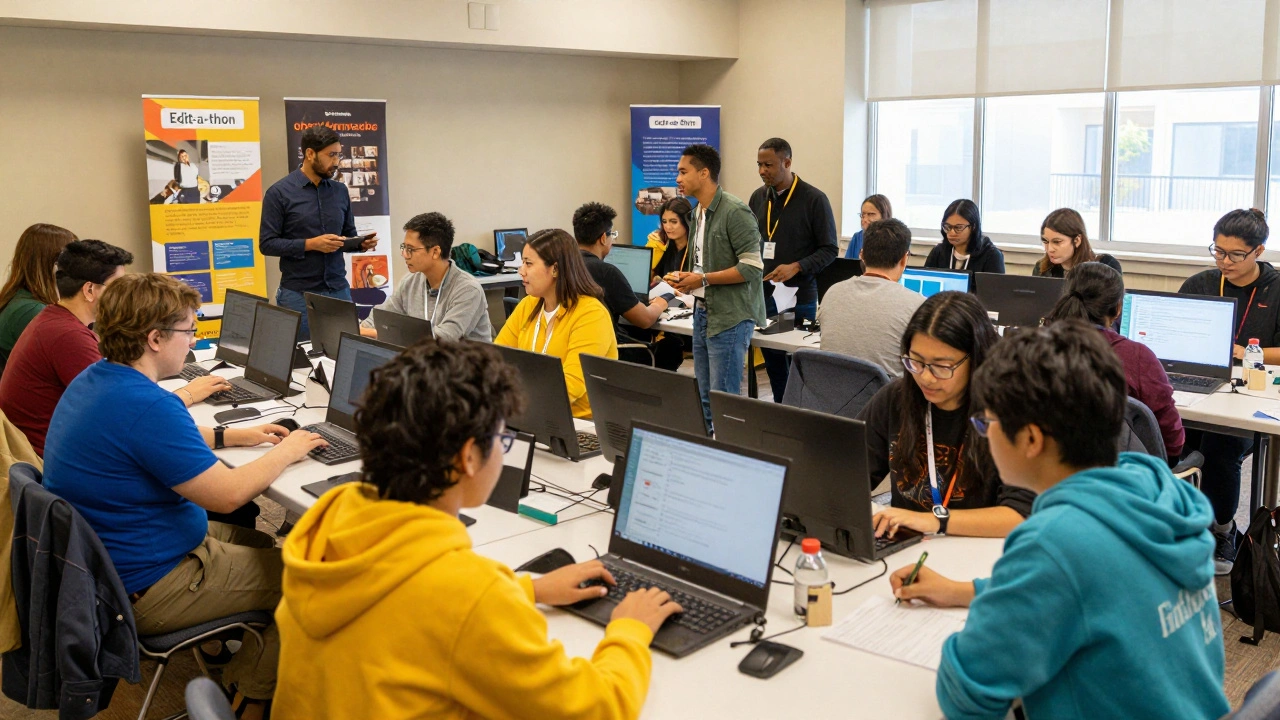
GLAM Collaborations: Galleries, Libraries, Archives, and Museums (GLAMs) are increasingly partnering with Wikimedia user groups. These collaborations often result in larger-scale editing events. One notable event is the "Heritage Edit-a-thon," where archivists help add references to articles about historical figures and local landmarks. These events are great for networking and building relationships with other cultural institutions.
International Conference Panels: At major library conferences like IFLA (International Federation of Library Associations), there will be panels dedicated to 1Lib1Ref. These panels feature case studies from successful campaigns around the world. Attending these sessions gives you insights into best practices and common pitfalls. You can learn how libraries in different countries adapt the campaign to their local contexts.
If you cannot attend an in-person event, look for online resources. The Wikimedia Education program offers self-paced courses. Additionally, many user groups stream their workshops live. Watching a session can give you enough confidence to start editing on your own.
| Option | Best For | Time Commitment | Support Level |
|---|---|---|---|
| Self-Guided Editing | Experienced editors | Low (15 mins/day) | None (community forums only) |
| Local Workshop | Beginners | Medium (2-3 hours) | High (live mentorship) |
| Virtual Webinar | Remote staff | Low (1 hour) | Medium (Q&A session) |
| Edit-a-thon | Teams and groups | High (half-day) | Very High (structured support) |
Why References Matter More Than Ever
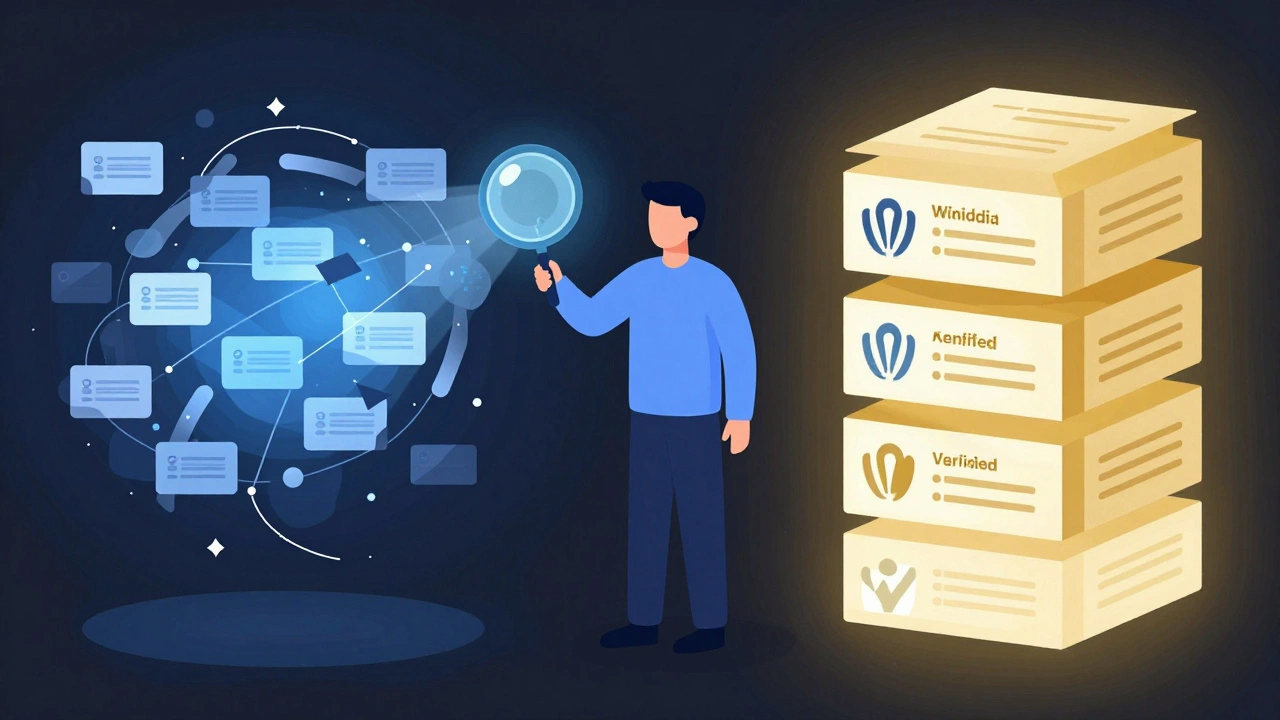
You might wonder why adding a single reference matters. In the age of artificial intelligence and misinformation, verifiability is crucial. Wikipedia’s core content policy is that all material must be verifiable. This means readers should be able to check the facts against published sources. Without references, claims are just opinions.
Librarians play a unique role here. They understand the difference between a reliable peer-reviewed journal and a biased blog post. When a librarian adds a reference, they are not just citing a source; they are endorsing its credibility. This builds trust in the article. Studies show that articles with more citations are perceived as more authoritative by readers.
Furthermore, references protect editors. Wikipedia is a collaborative platform where anyone can change content. If an editor adds a claim without a source, another user might delete it. By adding a solid reference, you anchor the information. It becomes harder for vandals or bad-faith actors to remove accurate content because the source is clearly documented.
How to Get Started Today
You do not need to wait for Library and Information Science Day to start contributing. Here is a step-by-step guide to preparing for the 2026 campaign:
- Create an Account: Go to Wikipedia and create a username. Use a professional name if possible. This helps build your reputation as a trusted contributor.
- Explore the Sandbox: Every Wikipedia user has a sandbox page. Use this space to practice adding references without affecting live articles. Try inserting a citation using the visual editor toolbar.
- Join a Community: Find your local Wikimedia user group. Join their mailing list or chat channel. Ask questions and introduce yourself. Building relationships makes the editing experience less isolating.
- Pick an Article: Choose a topic you are familiar with. Maybe it is a local history subject or a scientific concept related to your work. Look for sentences marked with "citation needed." These are your targets.
- Find a Source: Use your library’s databases to find a reliable source. Check if the source is accessible to others. Open-access articles are preferred because anyone can verify them.
- Add the Reference: Insert the citation using the proper format. Double-check the URL and publication details. Save your changes and leave a clear edit summary explaining what you did.
Remember, perfection is not the goal. Improvement is. Even if your first edit gets corrected by someone else, you have learned something valuable. The community is generally welcoming to new contributors who follow the guidelines.
Challenges and How to Overcome Them
Despite the growth, some challenges remain. One major issue is burnout. Librarians are already busy with their regular duties. Asking them to edit Wikipedia can feel like an extra burden. To combat this, libraries should integrate editing into existing workflows. For instance, when a patron asks for help with research, the librarian can demonstrate how to find sources by adding a reference to a relevant Wikipedia article.
Another challenge is institutional resistance. Some library managers worry about liability or reputational risk. Addressing these concerns requires education. Show them the success stories. Highlight how 1Lib1Ref aligns with the library’s mission to promote literacy and access to information. Share data from the analytics dashboard to prove the value of the effort.
Finally, there is the issue of language barriers. Wikipedia exists in over 300 languages, but most resources are in English. Non-English speakers may find it harder to access training materials. The community is working on translating guides, but progress is slow. If you speak another language, consider helping translate documentation or mentoring non-English speaking editors.
Looking Ahead: The Future of Library-Wikipedia Partnerships
The 1Lib1Ref campaign is just one piece of a larger puzzle. As we move through 2026, we see deeper integrations between libraries and Wikimedia projects. We expect to see more libraries adopting open-source tools for digital preservation. We also anticipate increased collaboration on structured data initiatives, such as Wikidata.
Wikidata is a database that powers much of Wikipedia’s content. It stores facts in a machine-readable format. Librarians with cataloging skills are uniquely suited to contribute to Wikidata. Adding references on Wikipedia often leads to adding structured data on Wikidata. This creates a richer ecosystem of knowledge that benefits both humans and machines.
As AI continues to evolve, the role of human curators becomes even more important. Machines can summarize text, but they cannot judge the reliability of a source with the nuance of a trained librarian. By investing in campaigns like 1Lib1Ref, libraries are positioning themselves as essential guardians of truth in the digital age.
The journey does not end with one edit. It begins with one edit. By participating in 1Lib1Ref and attending upcoming events, you join a global movement dedicated to making knowledge free, accurate, and accessible for everyone.
What exactly is the 1Lib1Ref campaign?
1Lib1Ref is a global campaign organized by the Wikimedia Foundation. It encourages librarians to add one reference to a Wikipedia article every day during Library and Information Science Week, culminating on May 12th. The goal is to improve the verifiability and reliability of Wikipedia content by leveraging the source-finding expertise of librarians.
Do I need to be an expert editor to participate?
No, you do not need to be an expert. The campaign is designed for beginners. There are many tutorials, workshops, and community mentors available to help you. The visual editor makes adding references easy, and the community is supportive of new contributors who follow basic guidelines.
Can I participate if I am not a librarian?
While the campaign is targeted at librarians, anyone can add references to Wikipedia. However, the specific 1Lib1Ref statistics and events are focused on library professionals. Non-librarians are encouraged to join general Wikipedia editing efforts or partner with their local library to support the campaign.
How do I find articles that need references?
You can use the "Citation Needed" tag search on Wikipedia. Look for sentences followed by a small icon or link that says "citation needed." Additionally, the 1Lib1Ref portal provides a curated list of high-impact articles that lack sufficient sources. You can also browse topics you are personally interested in.
What happens if my edit is reverted?
If your edit is reverted, it is usually because the source was deemed unreliable or the citation format was incorrect. Do not take it personally. Check the talk page of the article or ask for help on the 1Lib1Ref discussion page. Learning from feedback is part of the process, and most reverts are constructive corrections.