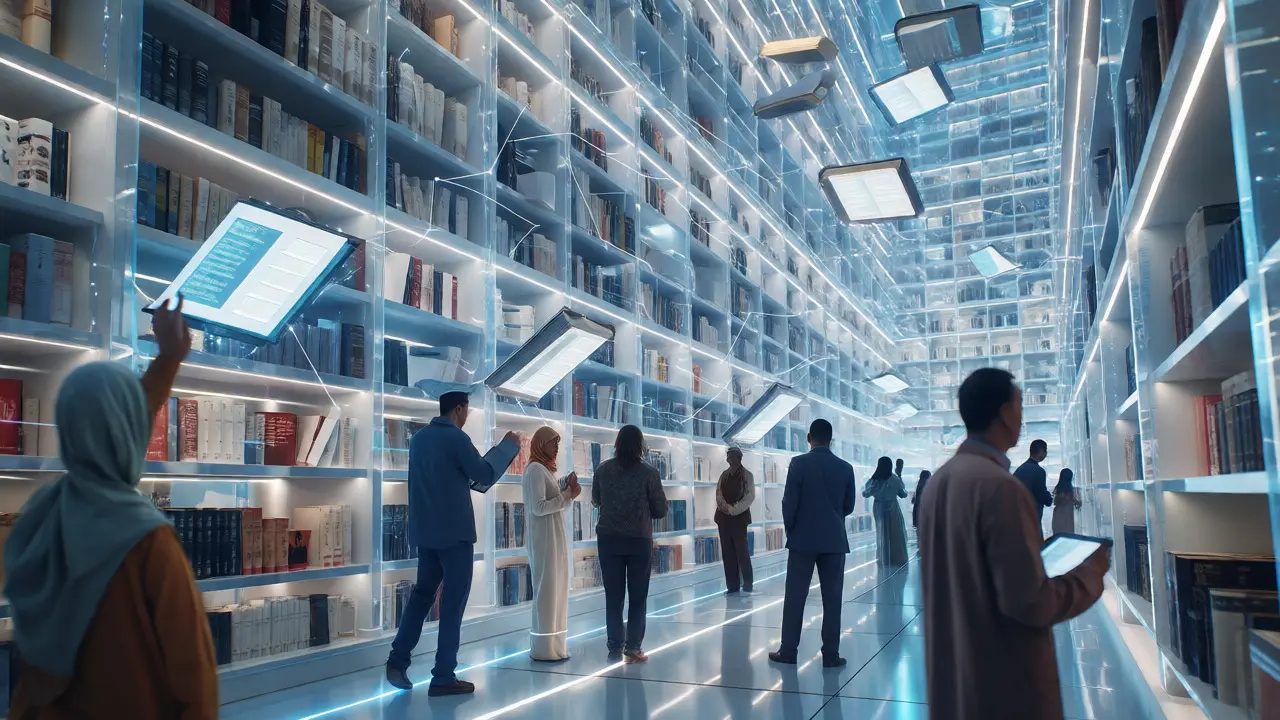
Imagine a library where the doors never close, the books are free, and anyone can write a chapter. That’s Wikipedia, the world's largest free online encyclopedia written and maintained by a community of volunteers through open collaboration and a wiki-based editing system. In 2025, it remains the most visited reference site on the planet, serving billions of queries monthly. But why does this digital giant still matter when AI chatbots and specialized apps compete for our attention? The answer lies not just in its size, but in its unique role as the backbone of modern information infrastructure.
The Unmatched Scale of Human Knowledge
When we talk about scale, we aren't just counting words. We're talking about accessibility across languages and borders. As of late 2024, Wikipedia hosts over 63 million articles across more than 330 language editions. This isn't a static archive; it is a living organism that reacts to breaking news within minutes. During major global events, like elections or natural disasters, traffic spikes reveal how critical the platform is for real-time context.
Consider the difference between a traditional newspaper and a Wikipedia article. A news report tells you what happened. A Wikipedia entry explains who was involved, the historical background, and the legal implications, all linked together. This interconnectedness creates a web of knowledge that no single author could replicate. The sheer volume of content means that obscure topics-from local municipal laws in small towns to niche scientific theories-have dedicated entries. This depth ensures that curiosity is rarely left unsatisfied.
How Wikipedia Powers the Internet
You might not realize it, but you use Wikipedia every day, even if you don't visit the site directly. Most search engines, including Google, pull direct answers from Wikipedia snippets. When you ask a voice assistant about a celebrity’s birthdate or a country’s population, the data often originates from Wikipedia. It acts as the primary database for structured knowledge on the web.
This reliance extends beyond simple facts. Many educational tools, fact-checking organizations, and even AI training models depend on Wikipedia’s curated content. If Wikipedia were to disappear tomorrow, the internet would lose its central nervous system. Search results would become fragmented, and verifying basic facts would take significantly longer. The platform provides a neutral ground where conflicting viewpoints are documented, allowing users to see multiple sides of a story rather than an algorithmically filtered echo chamber.
| Feature | Wikipedia | Commercial News Sites | AI Chatbots |
|---|---|---|---|
| Cost | Free (No ads) | Subscription/Paywall | Freemium/Subscription |
| Transparency | High (Edit history visible) | Medium (Editorial bias possible) | Low (Black box algorithms) |
| Source Verification | Citations required | Journalistic standards | Variable accuracy |
| Update Speed | Real-time | Daily/Hourly | Training data cutoff |
Global Reach and Cultural Preservation
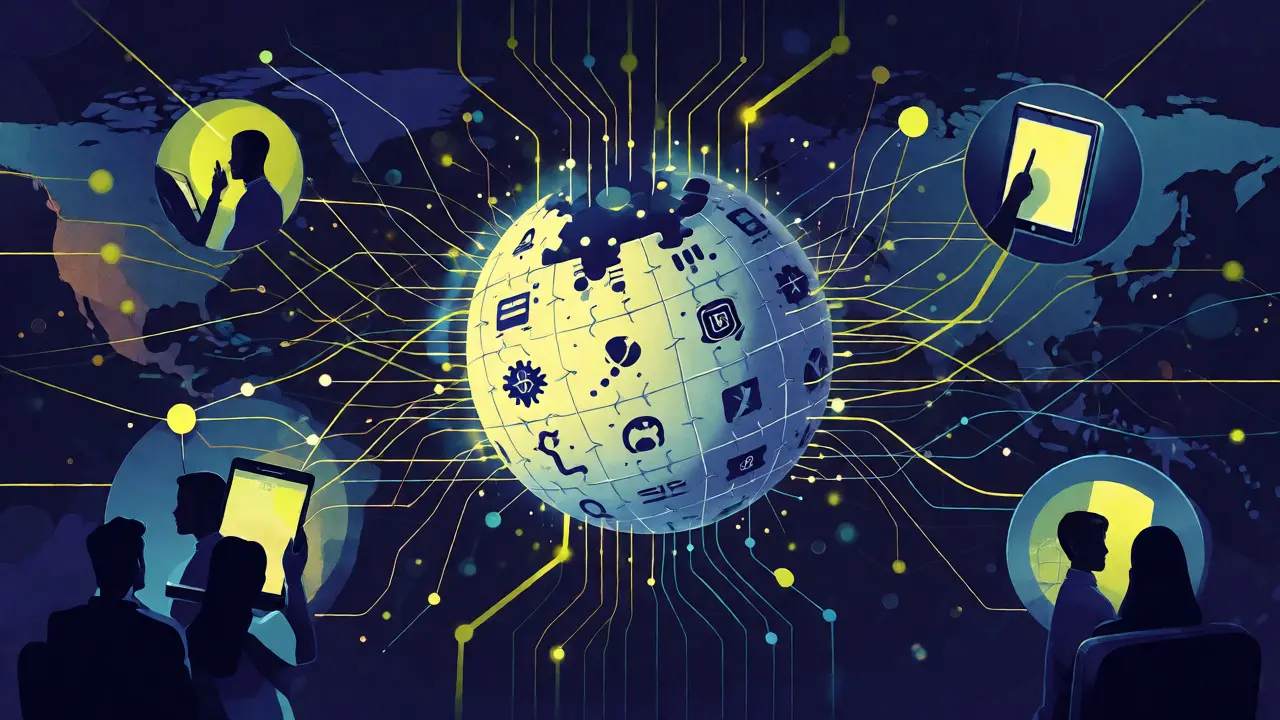
One of Wikipedia’s most underrated achievements is its commitment to linguistic diversity. While English dominates the web, Wikipedia actively supports smaller languages. Projects like Wikidata help preserve indigenous terms and concepts that might otherwise vanish from digital records. For many developing nations, Wikipedia is the first comprehensive digital record of their history, culture, and geography.
In regions with limited access to traditional libraries, mobile versions of Wikipedia provide essential educational resources. Students in rural areas can access the same level of detail about quantum physics or ancient history as those in major metropolitan hubs. This democratization of knowledge helps bridge the education gap. It allows a student in Madison, Wisconsin, to learn about local governance structures in Kenya with the same ease as learning about US state laws.
The Challenge of Trust and Accuracy
Critics often point out that "anyone can edit" leads to errors. And they are right-vandalism happens. However, the self-correcting nature of the community is remarkably efficient. Studies have shown that the average time to fix a vandalized page is under five minutes for high-traffic articles. More importantly, the transparency of the edit history allows readers to verify changes. You can see exactly who changed a sentence and why, fostering a culture of accountability that is rare in other media forms.
Media literacy experts encourage users to treat Wikipedia as a starting point, not a final destination. Use it to find citations, understand context, and identify key players. Then, follow the references to primary sources. This method turns passive reading into active research. It teaches critical thinking skills that are vital in an era of misinformation. By understanding how Wikipedia works, you learn how to evaluate any source of information online.

Supporting the Mission Beyond Reading
Wikipedia is non-profit, funded primarily by donations. This financial model protects editorial independence. Unlike ad-supported sites, there is no incentive to sensationalize headlines or bury inconvenient truths to keep users clicking. The Wikimedia Foundation, the nonprofit organization that operates Wikipedia, relies on millions of small contributions to keep servers running and developers paid.
If you value free knowledge, consider becoming a donor or a contributor. You don’t need to be a subject matter expert to help. Fixing typos, adding links, or translating short paragraphs makes a tangible difference. Every edit strengthens the collective intelligence of the platform. It is a civic duty for the digital age, ensuring that knowledge remains a public good rather than a private commodity.
Frequently Asked Questions
Is Wikipedia accurate enough for academic research?
Wikipedia is generally considered a tertiary source, meaning it summarizes secondary sources. While it is highly accurate for established facts, most universities discourage citing Wikipedia directly in papers. Instead, use it to find background information and locate primary or secondary sources listed in the references section. Always verify critical data points against original documents.
How does Wikipedia make money without ads?
The Wikimedia Foundation operates on a donation model. They rely on small contributions from readers worldwide, along with grants from technology companies and foundations. This funding covers server costs, software development, and staff salaries. Because they do not sell user data or display advertisements, the content remains neutral and accessible to everyone regardless of location or economic status.
Can I trust the information on Wikipedia?
You should approach Wikipedia with healthy skepticism but also confidence in its community oversight. High-profile articles are monitored closely by experienced editors who enforce strict neutrality guidelines. Look for the citation needed tags or check the edit history to gauge stability. For controversial topics, compare multiple sources to ensure you are getting a balanced perspective.
Why are there so many language versions of Wikipedia?
Language editions allow people to access knowledge in their native tongue, which improves comprehension and cultural relevance. Each edition is independent, meaning the French Wikipedia may cover European history differently than the English version. This decentralization respects local contexts and ensures that knowledge is not dominated by a single cultural perspective.
How can I contribute to Wikipedia?
Creating an account is optional but recommended. Start by fixing spelling errors or broken links. As you gain confidence, try adding new sections to existing articles or creating stubs for notable topics. Joining a WikiProject related to your interests connects you with other editors who can offer guidance and feedback on your work.