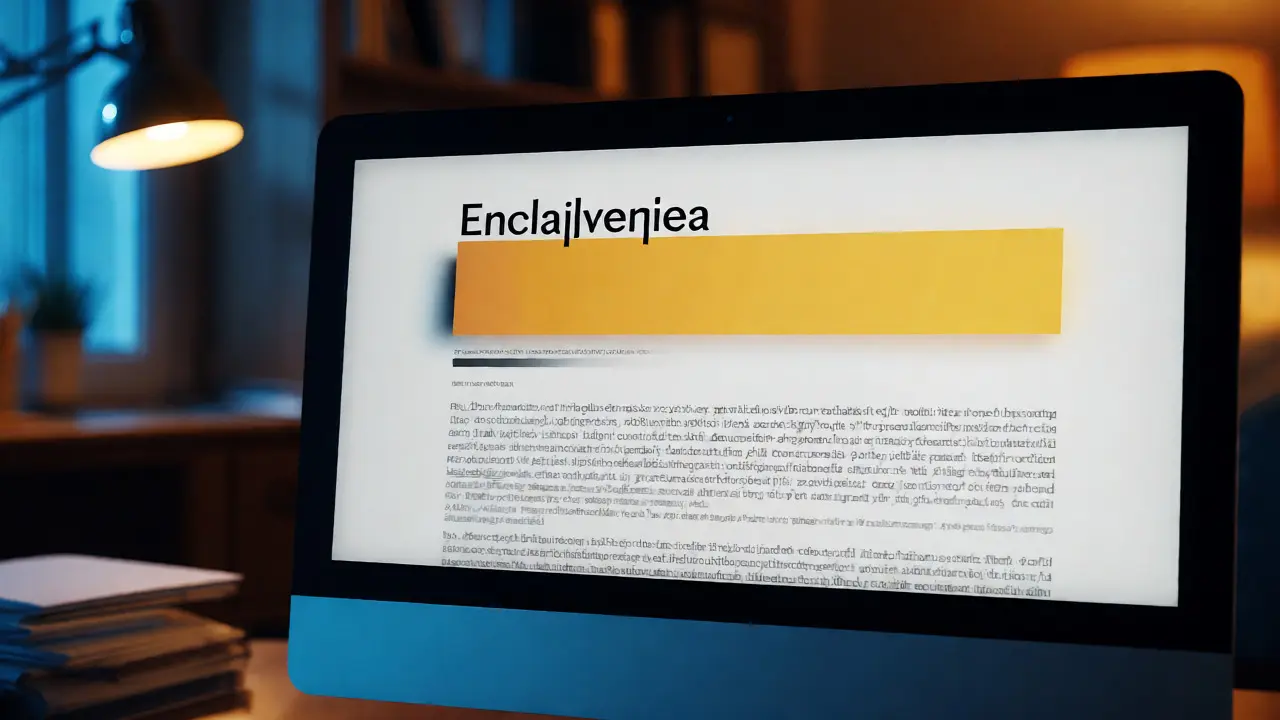
You’re deep in a research rabbit hole. You’ve clicked through three sources, verified a date, and are just about to copy a citation when Wikipedia, the free online encyclopedia that anyone can edit, throws up a yellow banner begging for money. It’s not an aggressive pop-up blocking your screen, but it’s persistent. For millions of users, this moment triggers a specific type of digital exhaustion known as banner fatigue, a psychological state where repeated exposure to solicitation messages causes irritation rather than persuasion.
This isn’t just a minor annoyance. It’s at the heart of one of the most heated debates in the open-source community: Wikimedia Fundraising Controversies. The core tension? How does a project that prides itself on being "free" and "ad-free" justify interrupting your reading experience to ask for cash, especially when it’s already one of the top ten websites on the planet?
The Economics of Free Knowledge
To understand the anger, you have to look at the numbers. Wikipedia doesn’t sell ads. That’s a foundational rule set by Jimmy Wales, co-founder of Wikipedia. No sponsored content, no tracking pixels from data brokers, no autoplay videos. This purity is what makes Wikipedia different from almost every other major web entity. But servers cost money. Bandwidth costs money. Staff salaries cost money.
In recent years, the Wikimedia Foundation, the non-profit organization that hosts Wikipedia and its sister projects, has raised over $100 million annually through donations. Most of this comes from small individual contributions-often $5 or $10. The strategy relies on volume. They need millions of people to give a little bit. If they relied only on wealthy donors, the site might collapse under its own operational weight.
So, why do users hate it? Because the request feels disproportionate. When a multi-billion dollar tech giant asks for a donation, it feels like charity. When a site with massive traffic asks, it feels like a tax on curiosity. Critics argue that if Wikipedia were truly committed to its ideals, it would find alternative revenue streams that don’t involve pestering the user base directly during their workflow.
What Is Banner Fatigue Really?
Banner fatigue isn’t just about hating yellow boxes. It’s a documented phenomenon in digital marketing and UX design. When users see the same call-to-action repeatedly, their brains start to filter it out as noise. This is called habituation, a learning process where response to a stimulus decreases after repeated or prolonged presentations.
For Wikipedia, this creates a paradox. The more they show the banner, the less effective it becomes. Yet, if they stop showing it, donations drop. Data from past experiments shows that removing banners entirely can lead to a significant dip in immediate revenue, forcing the foundation to constantly tweak frequency caps. Some users report seeing the banner every single time they load a new page for weeks. Others see it once a year. This inconsistency fuels frustration because it feels arbitrary.
| User Segment | Primary Reaction | Behavioral Outcome | Perceived Value |
|---|---|---|---|
| Casual Readers | Annoyance / Indifference | Clicks 'Close' rapidly; may ignore future requests | Low (viewed as interruption) |
| Academic Researchers | Frustration | Uses AdBlockers or private browsing to hide UI elements | Mixed (values source but hates friction) |
| Active Contributors | Guilt / Obligation | More likely to donate despite annoyance | High (feels ownership of platform) |
| Donors | Satisfaction | Sees banner as proof of independence from ads | Positive (reinforces trust) |
The Ethical Dilemma: Ads vs. Interruptions
Let’s be real: traditional advertising is worse. Think about scrolling through a news site cluttered with flashing banners, auto-playing videos, and third-party trackers selling your data. Compared to that, a static text box saying "Please support us" is benign. Many defenders of the current model argue that ad-blocking technology, software used to remove unwanted advertisements from web pages, has made ads invisible anyway, so why complain about a voluntary donation prompt?
But the counter-argument is stronger among purists. They believe that even a gentle nudge changes the power dynamic. The moment a website asks for money based on your usage, it shifts from a public utility to a service provider. There’s a growing sentiment that Wikipedia should explore freemium models, business models where basic services are provided free of charge while more advanced features must be paid for, or corporate sponsorships that don’t target the end-user directly.
Consider the scenario of a student writing a paper at 2 AM. They aren’t thinking about the infrastructure costs of Wikipedia. They’re thinking about deadlines. A donation banner interrupts their flow state. It forces them to make a micro-decision: close it, donate, or feel guilty. That cognitive load, multiplied by billions of visits, adds up to a massive reservoir of low-level resentment.
Technical Workarounds and Community Backlash
How do people cope? With tools. Browser extensions like uBlock Origin can hide these banners. Some users install custom CSS scripts specifically designed to suppress Wikimedia fundraising appeals. This leads to another controversy: is hiding the banner unethical?
If you use Wikipedia daily and never donate, are you a freeloader? The community often splits here. One side says, "I contribute my time editing, so I pay." The other says, "I read, which drives traffic and credibility, so I’m valuable too." The technical arms race between the Foundation trying to display banners effectively and users trying to hide them efficiently mirrors the broader internet struggle between monetization and user experience.
There’s also the issue of targeting. The Foundation uses sophisticated algorithms to decide who sees the banner. New users see it more often. Frequent visitors see it less. Donors rarely see it. This personalization helps reduce fatigue for some but confuses others. Why did my friend get asked for $50 while I got asked for $5? Why does it appear on mobile but not desktop? These inconsistencies breed suspicion about how the algorithm works.
Alternatives and Future Outlook
Is there a better way? Several proposals have surfaced over the years. One popular idea is a one-time annual prompt rather than recurring interruptions. Another is integrating donation requests into the interface more subtly, perhaps as a footer link rather than a top-of-page overlay. Some suggest partnering with educational institutions to cover costs, shifting the burden from individuals to organizations that benefit most from the knowledge base.
However, changing the model risks alienating the small-donor base that currently sustains the project. The Internet Archive, a non-profit library of millions of free books, movies, and music, faces similar challenges but maintains a lower profile partly because its audience is smaller and more niche. Wikipedia’s scale makes any change risky.
As we move further into the mid-2020s, the debate isn’t going away. AI-generated content is flooding the web, making human-curated sources like Wikipedia more critical than ever. If users start associating Wikipedia with nagging rather than reliability, the brand suffers. The challenge for the next decade is to maintain financial health without compromising the serene, distraction-free environment that made Wikipedia successful in the first place.
Frequently Asked Questions
Why does Wikipedia ask for donations instead of running ads?
Wikipedia avoids ads to preserve neutrality and privacy. Ads could influence content perception, and tracking technologies compromise user privacy. The donation model ensures the site remains independent of commercial interests, keeping it a trusted reference source for everyone.
Does hiding the donation banner with an ad blocker hurt Wikipedia?
Technically, yes, if everyone hid it and didn't donate elsewhere. However, many users who block the banner still donate periodically. The main risk is that widespread blocking reduces visibility for potential new donors who might otherwise contribute casually.
How much does Wikipedia actually need in donations?
The Wikimedia Foundation typically operates on a budget exceeding $100 million annually. This covers server maintenance, bandwidth, staff salaries, legal fees, and community grants. Small individual donations make up the majority of this revenue.
Is banner fatigue unique to Wikipedia?
No, banner fatigue affects all sites using solicitation overlays. However, it is more pronounced on Wikipedia because users expect a clean, academic environment. The contrast between the sterile reading experience and the emotional appeal of the banner heightens the sense of intrusion.
Can I turn off donation banners permanently?
You can minimize them by donating, which usually stops the prompts for a period. Alternatively, browser extensions like uBlock Origin or custom CSS rules can hide them. Note that hiding them doesn't exempt you from the ethical argument of supporting the service.