When you edit Wikipedia, you might assume that a team of editors-in-chief reviews every change. That is not how it works. Instead, the platform relies on a distributed system of trusted volunteers known as administrators. These users hold special technical permissions to maintain the encyclopedia’s integrity, but they do not have editorial authority over content decisions. Understanding what an administrator actually does-and how one earns those rights-is essential for anyone who wants to navigate the complex governance model of this massive collaborative project.
What Is a Wikipedia Administrator?
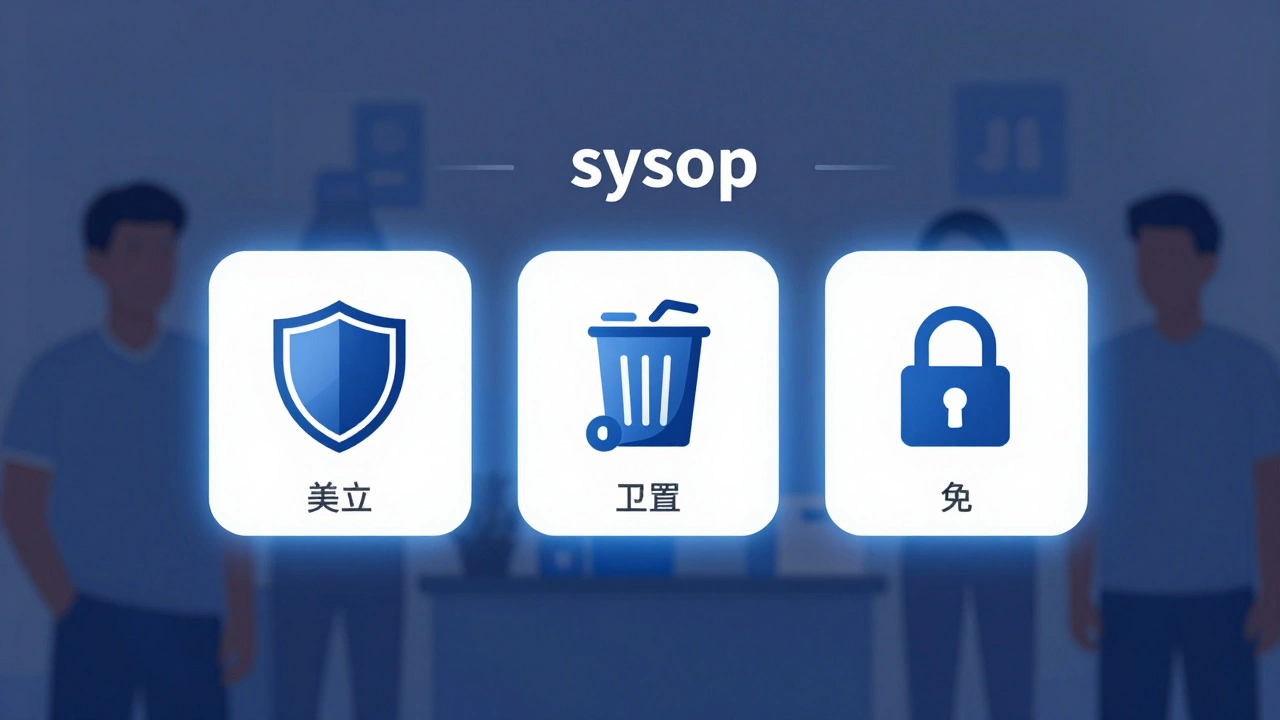
An administrator, often called a "sysop" (short for system operator), is a volunteer editor who has been granted specific technical tools by the Wikimedia Foundation. This role is not a job; it is a set of permissions attached to a user account. The primary purpose of these tools is maintenance, not policy-making. Administrators can delete pages, block disruptive users, protect articles from vandalism, and move titles to more appropriate names. They act as janitors and security guards for the digital library, ensuring that the infrastructure remains clean and functional.
It is crucial to distinguish between administrative power and editorial power. An administrator cannot force a consensus on a controversial topic. If an admin deletes a page because it violates the Notability guidelines, they must still follow community-established rules. If they delete it because they disagree with the content, they are abusing their position. This separation ensures that no single individual controls the narrative, preserving the neutral point of view that defines the encyclopedia.
The Core Responsibilities of Sysops
The daily work of an administrator revolves around three main pillars: protection, deletion, and blocking. Each responsibility requires careful judgment and adherence to established policies.
- Page Protection: When an article becomes a battleground for edit wars-where two sides repeatedly revert each other's changes-an administrator may lock the page temporarily. This stops the cycle of disruption while the community discusses the content on the talk page. It is a tool for cooling down heated disputes, not for silencing dissent.
- Deletion Management: Wikipedia receives thousands of new articles daily, many of which fail to meet the criteria for inclusion. Administrators review these submissions through processes like Articles for Deletion (AfD). They evaluate whether a subject has significant coverage in reliable sources. If the consensus leans toward deletion, the admin removes the page. This keeps the encyclopedia focused on notable topics rather than becoming a directory for everyone.
- User Blocking: When a user engages in persistent vandalism, harassment, or sock-puppetry (using multiple accounts to deceive others), administrators have the authority to block their access. This is a defensive measure to protect the community. Blocks are typically temporary, allowing time for reflection, but repeat offenders may face indefinite bans.
Beyond these technical tasks, administrators serve as mentors. New editors often feel overwhelmed by the strict tone of experienced contributors. A good sysop guides newcomers through the learning curve, explaining why certain edits were reverted and how to improve them. This mentorship is vital for retaining fresh talent and preventing the burnout that plagues long-term volunteers.
How Do Editors Become Administrators?
Becoming an administrator is not an application process in the traditional sense. There is no form to fill out or fee to pay. Instead, it is a community-driven election based on trust, experience, and demonstrated competence. The process is rigorous and transparent, reflecting the high stakes involved in granting such powerful tools.
The journey usually begins with years of consistent editing. Most candidates have contributed tens of thousands of edits before even considering the request. They must demonstrate a deep understanding of Wikipedia policies, including neutrality, verifiability, and no original research. More importantly, they must show a temperament suited for conflict resolution. Admins deal with angry vandals and frustrated editors daily; patience and diplomacy are non-negotiable traits.
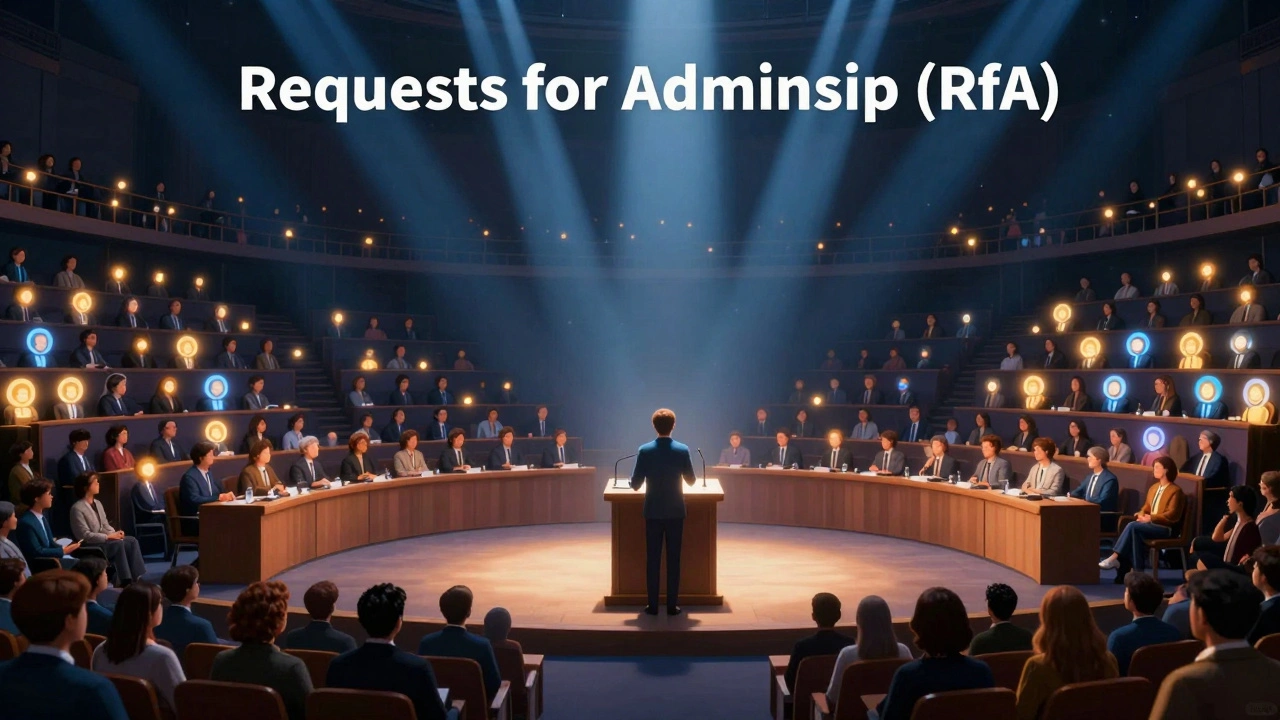
When an editor feels ready, they nominate themselves at Requests for Adminship (RfA). This page serves as a public forum where the candidate outlines their motivations, past contributions, and approach to difficult situations. Other editors then vote and comment. The voting is not a simple yes-or-no poll. It is a discussion-heavy evaluation where peers scrutinize the candidate’s track record. Critics may question past actions, while supporters highlight instances of helpful mediation.
To succeed, a candidate needs a strong consensus. Typically, this means receiving significantly more support votes than oppose votes, along with constructive feedback. If the community raises serious concerns about bias, aggression, or lack of knowledge, the nomination fails. Rejection is common and not necessarily a failure; it often indicates that the candidate needs more experience or a different perspective. Many successful admins were rejected once or twice before finally earning the badge.
The Governance Model: Community vs. Foundation
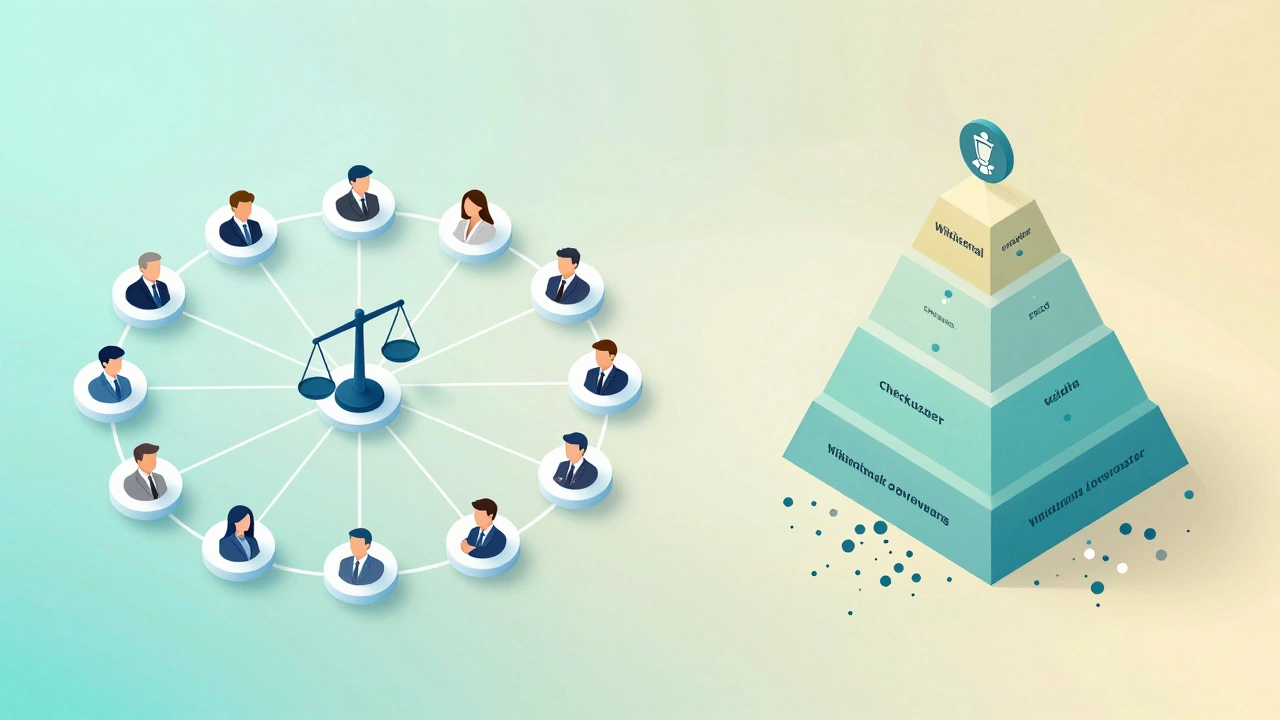
The relationship between administrators and the Wikimedia Foundation is often misunderstood. The Foundation, headquartered in San Francisco, provides the servers, legal protection, and financial support for Wikipedia. However, it does not control the content or appoint administrators. This separation is intentional. By keeping editorial control within the community, Wikipedia avoids corporate influence and maintains its independence.
This decentralized model creates a unique dynamic. Administrators are accountable to their peers, not to bosses. If an admin abuses their powers, other editors can file complaints at Administrators' Noticeboard or initiate an Oversight review. In extreme cases, the community can strip an admin of their tools through a process called Revocation of Adminship. This self-correcting mechanism ensures that power remains temporary and conditional on continued good behavior.
However, this system is not without flaws. It relies heavily on the availability of active volunteers. In smaller language editions, there may be only a handful of admins left to handle all maintenance tasks, leading to bottlenecks and burnout. Additionally, the informal nature of elections can sometimes favor charismatic personalities over technically skilled editors, though this trend has improved with clearer guidelines over the years.
Challenges and Criticisms of the System
Critics argue that the administrator model lacks formal oversight and transparency. Because decisions are made by individuals interpreting community norms, outcomes can vary depending on who handles the case. Two admins might reach different conclusions on the same deletion request, causing confusion among editors. This inconsistency is a natural side effect of relying on human judgment rather than rigid algorithms.
Another challenge is the perception of elitism. Some newcomers view admins as an exclusive club that protects its own interests. While this perception is often inaccurate, it stems from the fact that admins spend so much time enforcing rules that they can appear hostile to casual contributors. Bridging this gap requires constant effort from the community to welcome new voices and explain the rationale behind enforcement actions.
Furthermore, the mental toll on administrators is significant. They frequently encounter toxic behavior, personal attacks, and coordinated harassment campaigns. Unlike paid employees, they receive no salary or psychological support for dealing with this abuse. This has led to a growing movement to provide better resources and recognition for these unpaid guardians of free knowledge.
Comparison of Administrative Roles
| Role | Primary Function | Selection Method | Technical Permissions |
|---|---|---|---|
| Administrator | Maintenance, deletion, blocking | Community election (RfA) | Delete, block, protect, move |
| Bureaucrat | Manage admin rights, rename users | Community consensus | Grant/revoke admin status |
| Oversighter | Handle sensitive deleted data | Strict vetting process | View hidden revisions |
| CheckUser | Investigate sock puppets | Community approval | Access IP logs |
Understanding these distinctions helps clarify the hierarchy of trust within Wikipedia. While administrators are the most visible enforcers, bureaucrats oversee the appointment of admins, and checkusers investigate identity fraud. Each role plays a part in maintaining the ecosystem’s health.
The Future of Wikipedia Administration
As Wikipedia matures, the role of the administrator continues to evolve. Automation tools now handle many routine tasks, such as reverting obvious vandalism, freeing up humans to focus on complex disputes. Artificial intelligence is being integrated to detect biased language and potential copyright violations, reducing the workload on manual reviewers.
However, technology cannot replace human judgment. Deciding whether a topic is notable or whether a comment constitutes harassment requires nuance and context that machines struggle to grasp. The future of Wikipedia depends on sustaining a healthy community of willing volunteers who are willing to take on these responsibilities. Efforts to improve the onboarding experience and reduce toxicity are critical to ensuring that the next generation of administrators steps forward.
Can anyone become a Wikipedia administrator?
Technically, yes, any registered user can nominate themselves. However, in practice, successful candidates usually have hundreds or thousands of edits and a proven history of following community policies. The community evaluates your past behavior, so if you have been blocked or warned frequently, your chances are low. It is less about seniority and more about demonstrated reliability and temperament.
Do Wikipedia administrators get paid?
No, Wikipedia administrators are volunteers. They do not receive salaries or benefits from the Wikimedia Foundation. Their contribution is purely altruistic, driven by a desire to maintain the quality and integrity of the encyclopedia. This volunteer-based model is central to Wikipedia’s identity and operational structure.
What happens if an administrator abuses their power?
If an admin abuses their tools-for example, by deleting pages for personal reasons or blocking users unfairly-the community can intervene. Other editors can report the behavior on noticeboards. If the evidence is strong, the community can vote to revoke their administrative privileges. In severe cases involving legal issues, the Wikimedia Foundation may step in to disable the account entirely.
Is the Requests for Adminship (RfA) process biased?
The RfA process aims for objectivity but is inherently subjective because it relies on human opinion. Critics sometimes argue that it favors extroverted or politically savvy editors. To mitigate this, the community emphasizes evaluating past contributions and policy knowledge over personality. Transparency in discussions helps ensure that decisions are based on merit rather than popularity.
How does Wikipedia governance differ from traditional media?
Traditional media has a top-down hierarchy with editors-in-chief making final decisions. Wikipedia uses a bottom-up, consensus-based model. No single person has ultimate authority over content. Administrators enforce rules but do not dictate truth. This decentralized approach allows for rapid updates and diverse perspectives but requires robust mechanisms to resolve conflicts and maintain standards.