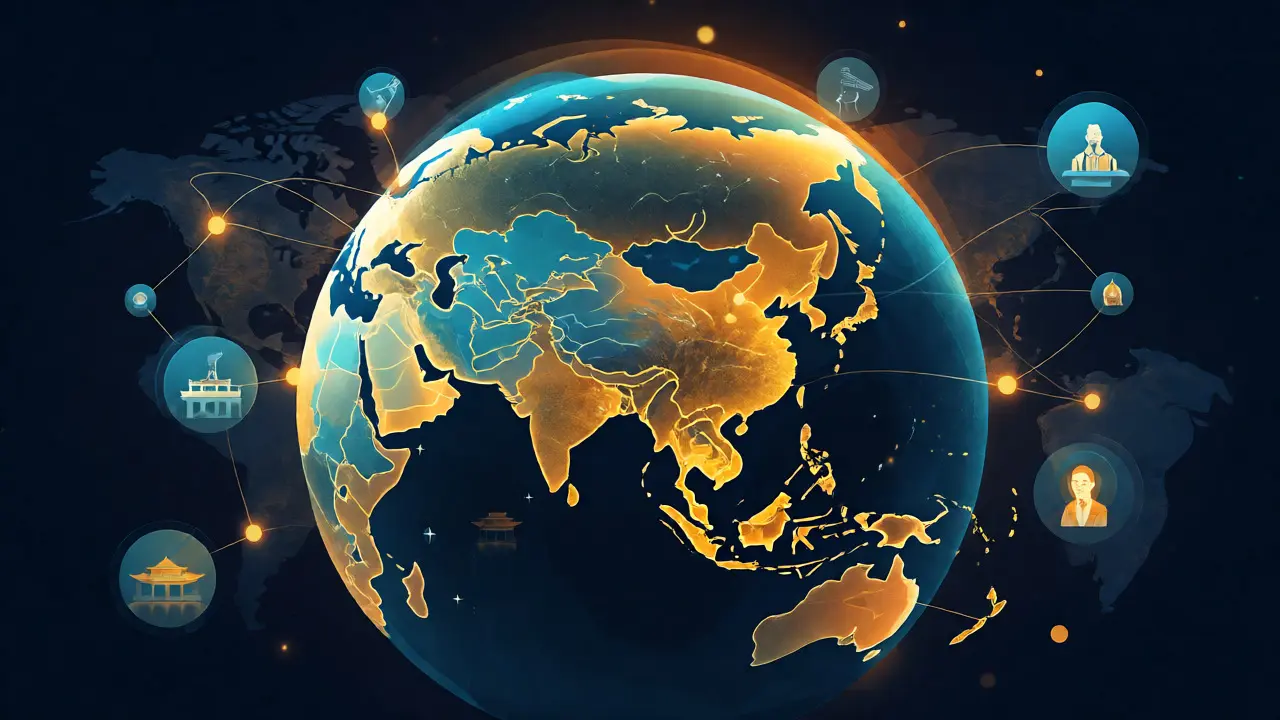
Ever tried to find a detailed biography of a prominent figure from Southeast Asia or a specific village in the Himalayas on Wikipedia? You might have hit a wall. That gap is exactly what Wikipedia Asian Month is an annual global campaign designed to bridge the knowledge gap between Asia and the rest of the world by encouraging editors to create and improve articles related to Asia. It’s not just about adding text; it’s about correcting biases, diversifying sources, and ensuring that history isn’t written only by the West.
If you are looking to participate in the upcoming cycle, you need to know more than just the dates. The rules have tightened over the years to ensure quality over quantity. Whether you are a seasoned editor with thousands of edits or a newcomer who has never touched the source code of an article, this guide breaks down everything you need to know for Wikipedia Asian Month 2025. We will cover eligibility, the role of organizers, how prizes work, and the common pitfalls that get good contributions rejected.
What Is Wikipedia Asian Month?
Think of Wikipedia Asian Month (WAM) as a marathon, not a sprint. Launched in 2015, it typically runs throughout November. The core mission is simple: increase the coverage of topics related to Asia across all language editions of Wikipedia. This includes creating new articles, expanding existing ones, and improving references.
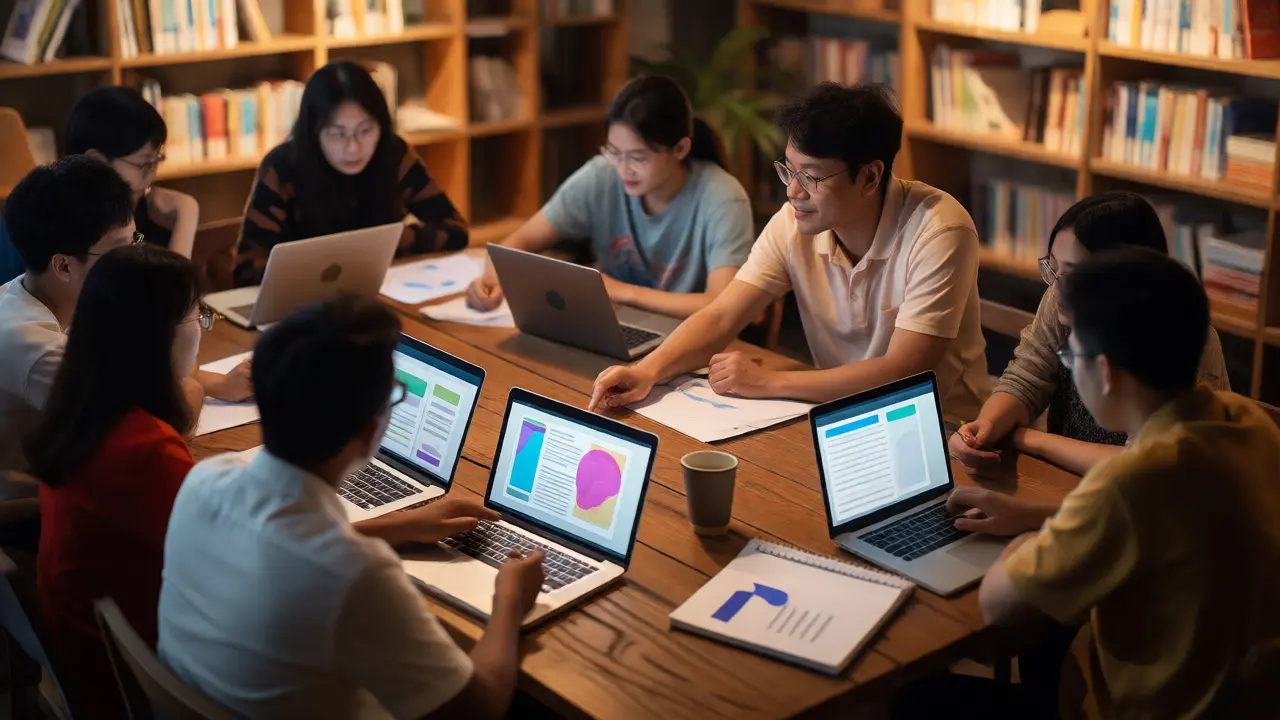
The campaign operates on a decentralized model. There is no single central authority handing out instructions day-by-day. Instead, local communities organize "edit-a-thons"-events where people gather physically or virtually to edit together. These local organizers play a crucial role. They vet contributions, provide mentorship, and often host workshops. If you want to win a prize, you usually need your edits to be recognized by these local coordinators.
| Attribute | Details for 2025 Cycle |
|---|---|
| Duration | November 1 - November 30, 2025 |
| Primary Goal | Increase content volume and quality regarding Asian topics |
| Eligibility | Open to all registered Wikipedia users globally |
| Reward System | Postcards, t-shirts, and digital badges based on valid edits |
| Language Scope | All Wikipedia languages, with focus on underrepresented Asian languages |
Who Can Participate?
Good news: almost anyone can join. You do not need to be an expert historian or a native speaker of an Asian language. However, there are two main tracks you should consider: the Contributor Track and the Organizer Track.
As a contributor, your job is to edit. You must have a registered account on Wikipedia. Anonymous IP edits generally do not count toward prizes because we cannot verify who made them. If you are new, you might feel intimidated by the interface. Don’t be. Many organizers offer training sessions specifically for WAM participants. They teach you how to use the visual editor, how to cite sources properly, and how to avoid copyright violations.
The Organizer Track is for those who want to lead. Organizers run local events, recruit volunteers, and review the submissions. Being an organizer requires more commitment but offers deeper engagement with the community. You become the gatekeeper of quality for your region. If you live in a city with a strong Wikimedia chapter, like New York, London, or Bangalore, check if they have already announced their WAM plans.
Understanding the Rules: What Counts as a Valid Edit?
This is where most people stumble. Not every edit counts. To qualify for prizes, your contribution must meet specific criteria defined by the Wikimedia Foundation and local chapters. Here is the breakdown:
- New Articles vs. Expansions: Creating a brand-new article is great, but expanding a stub into a comprehensive piece is equally valuable. A "stub" is a very short article, often just one paragraph. Turning that into a well-referenced entry counts significantly.
- Size Requirements: Most campaigns require a minimum byte size for new articles. Typically, this is around 4,000 bytes of readable prose. For expansions, you usually need to add at least 2,000 bytes of new content. Check the specific guidelines for your language edition, as some may vary slightly.
- Referencing: This is non-negotiable. Every claim needs a citation. Sources must be reliable-think academic journals, reputable news outlets, and books. Blogs and social media posts rarely qualify unless they are from authoritative experts. If you add three paragraphs without a single footnote, your edit might be flagged for cleanup later.
- Notability: The subject of your article must meet Wikipedia’s general notability guidelines. Just because someone exists doesn’t mean they warrant an encyclopedia entry. Look for significant coverage in independent, reliable sources.
Remember, the goal is sustainable knowledge. An article that gets deleted two weeks after creation due to lack of sources doesn’t help the project. Quality trumps raw volume every time.
The Prize Structure: More Than Just Swag
Why do people spend hours researching obscure topics for free? Partly for the love of knowledge, but also for the recognition. The prize structure for Wikipedia Asian Month has evolved to be more inclusive and meaningful.
Traditionally, participants received postcards. Yes, physical mail. In an era of instant messaging, receiving a hand-written postcard from a stranger in another country feels special. Organizers send these to contributors who make a certain number of valid edits. Usually, five valid edits earn you a set of postcards. Ten valid edits might get you a t-shirt.
But don’t underestimate the digital rewards. Badges on your user page serve as a credential within the Wikipedia community. They signal to other editors that you are active, careful, and interested in diverse topics. For students, participating in WAM can look impressive on a resume or college application. It demonstrates research skills, attention to detail, and civic engagement.
Some regions also offer small grants or merchandise beyond the standard kit. Local chapters sometimes partner with universities or cultural institutions to provide additional incentives. Keep an eye on announcements from your local Wikimedia group for these extras.
How to Prepare Before November 1
Waiting until the first day of November to start thinking is a mistake. The best participants prepare in October. Here is a checklist to get you ready:
- Create Your Account: If you haven’t edited before, sign up now. Familiarize yourself with the interface. Try making a small test edit in your sandbox.
- Find a Topic: Browse lists of missing articles. The "List of Asian biographies" or regional task forces are good starting points. Pick something you are genuinely curious about. Passion makes the research less tedious.
- Gather Sources: Collect books, journal articles, and news clips related to your topic. Save links. Verify that the sources are accessible and reliable.
- Check Local Events: Look for edit-a-thons in your area or online. Attending one gives you immediate access to mentors who can review your draft before you publish.
- Learn the Citation Tools: Practice using templates like {{cite web}} or {{cite book}}. Messy citations slow down reviewers.
Pro Tip: Do not try to write a masterpiece in one sitting. Draft your article in your user space first. Let it sit for a day. Then return with fresh eyes to check for flow and clarity. Publishing prematurely often leads to rushed mistakes.
Common Pitfalls and How to Avoid Them
Even experienced editors make errors during WAM. Here are the top three reasons edits get disqualified:
Copyright Violations: Copy-pasting text from another website, even if you credit it, is a violation. Wikipedia requires original writing. Paraphrase thoroughly. If you quote, keep quotes short and properly attributed.
Lack of Neutral Point of View (NPOV): Wikipedia is not a blog. Avoid promotional language. Words like "legendary," "visionary," or "best" are subjective. Stick to facts. Instead of saying "He was a brilliant leader," say "He led the company through a 20% revenue growth period."
Orphaned Articles: An article with no links to or from other Wikipedia pages is hard to find. When you create a new article, link it to relevant existing articles. This helps readers navigate the site and improves the article’s visibility.
The Bigger Picture: Why This Matters
You might wonder why this campaign persists year after year. The answer lies in the data. Studies show that English Wikipedia has far fewer articles about women and non-Western figures compared to men and Western figures. This bias affects how millions of people understand history, science, and culture.
By participating, you are actively correcting the historical record. You are ensuring that a student in Ohio can learn about a poet from Kerala, or a researcher in Tokyo can read about a civil rights activist from Chicago. It is a collective effort to build a more complete map of human knowledge.
Moreover, the skills you practice here translate elsewhere. Learning to evaluate sources, write concisely, and collaborate with strangers online are valuable life skills. You are joining a global network of volunteers who believe that knowledge should be free and accessible to everyone.
Do I need to speak an Asian language to participate?
No, you do not. While knowing the language helps, many participants contribute to the English Wikipedia about Asian topics using translated sources. Focus on finding reliable English-language sources about Asian subjects, such as academic translations, international news reports, or published books.
Can I edit mobile devices?
Yes, you can edit via the Wikipedia mobile app or browser. However, complex formatting and citation management are easier on a desktop computer. If you plan to create large new articles, a laptop or desktop is recommended to avoid technical glitches.
What happens if my article gets deleted?
If an article is deleted for not meeting notability or sourcing standards, it does not count toward your prize tally. You can appeal the deletion or rewrite the article with better sources. Always check the talk page of your article for feedback from other editors.
Are there age restrictions for participants?
Generally, there are no strict age limits, but minors should have parental consent. Some regional prizes may have shipping restrictions for younger participants. Check the specific terms of service for your country’s postal regulations regarding international mail.
How do I prove my edits count?
You typically need to list your contributions on a designated tracking page provided by your local organizer. Include links to your diffs (the specific changes you made). Organizers review these lists manually to verify that each edit meets the campaign criteria.