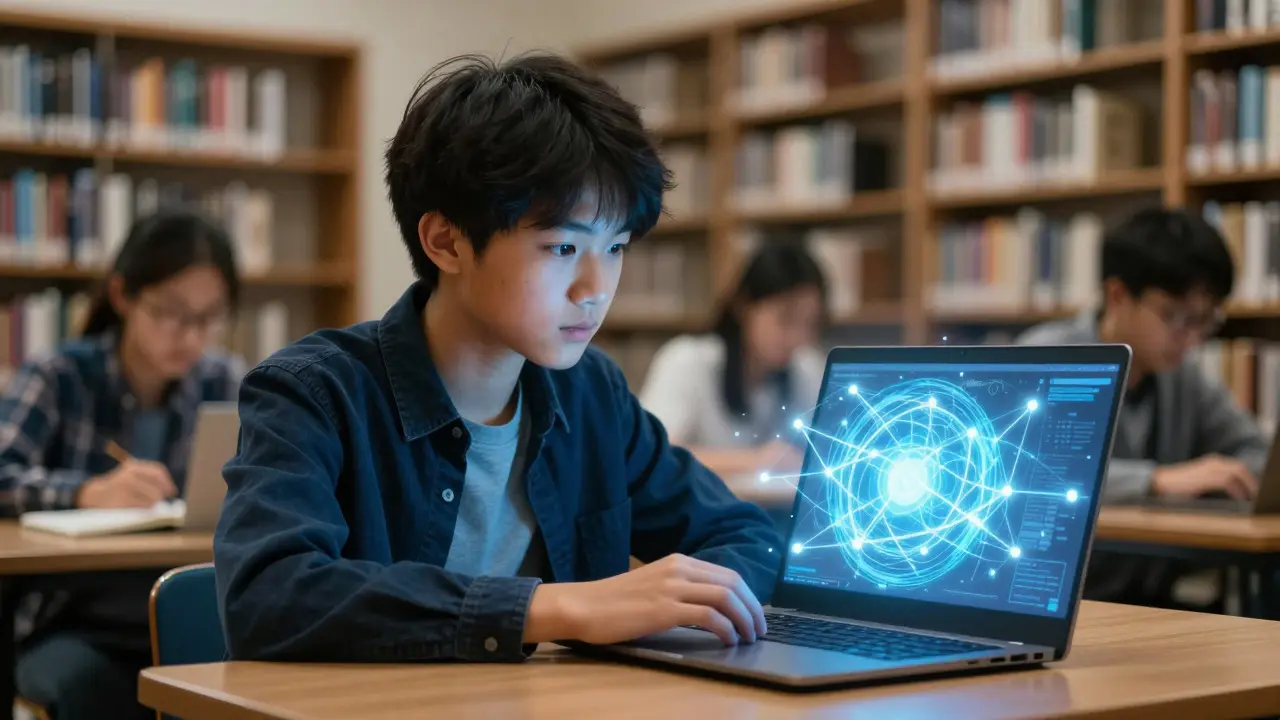
Imagine a high school student in Ohio realizing that the article they just edited on local history is now being read by thousands of people worldwide. That moment of connection between a classroom and the global public sphere is exactly what makes Wikipedia classroom projects so powerful. Yet, many educators hesitate to start because they fear student errors or lack clear examples of what success looks like.
This guide breaks down real-world case studies from universities and schools across the US and Europe. We will look at how specific groups turned their Wikipedia contributions into meaningful learning outcomes, not just extra credit. You will see the metrics, the challenges, and the specific strategies that made these projects work.
Why Teachers Are Turning to Wikipedia for Assessment
Traditional essays often disappear after grading. They sit in a folder, never seen by anyone outside the teacher and the student. Wikipedia changes this dynamic completely. When students edit an article, they are creating a public artifact. This shift requires a different set of skills than standard academic writing. Students must learn to write for a general audience, cite reliable sources meticulously, and navigate consensus-based discussions with peers.
The core benefit here is digital literacy. In a world where information is abundant but accuracy is scarce, teaching students how to verify facts and present them neutrally is a critical life skill. By contributing to Wikipedia is a free online encyclopedia that is collaboratively edited by volunteers around the world. It serves as one of the most visited websites globally, making it a perfect platform for public-facing academic work., students engage directly with the mechanics of open knowledge.
Case Study 1: The University of Virginia History Department
In 2023, a professor at the University of Virginia integrated Wikipedia editing into her upper-level history course. The goal was simple: improve articles related to the Civil War era that had poor sourcing or outdated perspectives. The class consisted of 25 students who worked in pairs.
The Challenge: Most students were terrified of "breaking" the site. They didn't understand version control or talk pages. The initial weeks were spent purely on training, using the Wikipedia Education Program's official tutorials.
The Execution: Each pair chose an article about a lesser-known soldier or event. They had to find three new primary sources from library archives. The key rule was no original research; only synthesis of existing scholarship. This forced them to practice critical reading rather than creative interpretation.
The Results:
- 12 articles were significantly expanded with new citations.
- Student engagement scores increased by 40% compared to previous semesters using traditional papers.
- Two articles received "Good Article" status within six months, a rare achievement for student-edited content.
The professor noted that the biggest win wasn't the edits themselves, but the fact that students learned to defend their sources in public comment sections. They learned that being wrong isn't fatal if you can fix it quickly and politely.
Case Study 2: High School STEM Initiative in Texas
A different approach was taken by a group of science teachers in Austin, Texas. Instead of focusing on history, they targeted scientific topics where common misconceptions persist. Their target was the topic of climate change and renewable energy technologies.
The Strategy: These students were tasked with finding and fixing neutral point of view (NPOV) issues. Many articles leaned too heavily on one political perspective or lacked recent data. The students acted as fact-checkers, using peer-reviewed journals from their university libraries.
Key Takeaway: This project highlighted the importance of source reliability. Students learned to distinguish between a blog post and a journal article. They also discovered that adding a single, well-sourced paragraph could change how thousands of readers understood a complex scientific concept.
Metrics:
- 8 articles updated with 2024-2025 data.
- Zero reverts due to vandalism or bad faith edits.
- Students reported higher confidence in their ability to evaluate online sources.
Comparing Project Outcomes: Higher Ed vs. Secondary Schools
When we look at these two distinct environments, clear patterns emerge regarding what works best for each level. University students tend to handle the complexity of citation styles and discussion etiquette better, while high school students often bring fresh eyes to outdated content.
| Feature | University (History) | High School (STEM) |
|---|---|---|
| Primary Goal | Sourcing & Synthesis | Factual Accuracy & NPOV |
| Article Focus | Niche historical events | Broad scientific topics |
| Major Challenge | Tech anxiety / Etiquette | Finding reliable sources |
| Success Metric | Good Article status | Data currency updates |
| Time Commitment | ~15 hours over semester | ~10 hours over quarter |
Common Pitfalls and How to Avoid Them
Not every Wikipedia project goes smoothly. Based on feedback from dozens of educators, here are the most common traps that derail these initiatives.
1. The Vandalism Fear Many teachers worry that students will get deleted or banned. In reality, this is rare if students follow basic rules. Use the sandbox feature first. Let students practice on a test page before touching live articles. This builds confidence without risk.
2. Ignoring Talk Pages A huge mistake is editing an article without checking the talk page first. If there is an ongoing dispute, jumping in can cause conflict. Teach students to read the talk page history. It’s like checking the room before entering a conversation.
3. Over-Editing Sometimes, less is more. A small, well-cited addition is better than a massive rewrite that introduces errors. Set strict word limits for student contributions to keep them focused.

How to Structure Your Own Wikipedia Project
If you are considering launching a similar initiative, follow this streamlined workflow to ensure success.
- Select a Niche: Don’t try to edit popular articles like "Apple Inc." Choose topics where your class has expertise or access to unique sources. Local history, niche scientific subfields, or biographies of underrepresented figures are ideal.
- Train on the Basics: Spend the first week on account creation, user pages, and the five pillars of Wikipedia. Use the official Wikipedia Education Program resources for structured lessons.
- Pick Articles Together: Allow students to vote on which articles they want to improve. Ownership drives motivation.
- Set Clear Deadlines: Break the project into milestones: Source gathering, Drafting, Review, and Final Edit.
- Celebrate Wins: When an edit sticks, acknowledge it. Share the link to the class. Seeing their name in the article history is a powerful motivator.
The Long-Term Impact on Student Confidence
Beyond the immediate learning objectives, these projects have a lasting effect on how students view themselves as writers. Many students enter college believing that academic writing is a closed loop: write, submit, grade, done. Wikipedia breaks that loop. It shows them that writing is a social process. It involves negotiation, revision, and community standards.
Alumni from these programs often report feeling more comfortable engaging in online debates and verifying information later in their careers. They know how to spot a red flag in a source. They know how to ask a question politely in a public forum. These are soft skills that no textbook can teach effectively.
As digital footprints become more important, having a portfolio of public contributions can also help students in job applications. It demonstrates initiative, technical proficiency, and attention to detail. It’s a tangible proof of work that stands out among generic resumes.
Frequently Asked Questions
Do students need to be experts to edit Wikipedia?
No. In fact, beginners are often better at spotting gaps in information. As long as they use reliable sources and follow the style guidelines, their lack of deep expertise is irrelevant. The value lies in the verification process, not prior knowledge.
What happens if a student makes a mistake?
Mistakes are part of the process. Wikipedia has a robust version history system that allows any edit to be reverted instantly. Teachers should frame mistakes as learning opportunities. If a student adds a bad source, the class can discuss why it was rejected and how to find a better one.
Is Wikipedia editing acceptable for academic credit?
Yes, many universities now accept Wikipedia contributions as partial or full assessment components. The key is to grade the process (source selection, drafting, peer review) rather than just the final edit. This ensures fairness and transparency in grading.
Which subjects work best for Wikipedia projects?
Subjects with strong primary source availability work best. History, biography, local culture, and specialized sciences are top choices. Avoid highly controversial political topics unless you have significant time to manage potential conflicts in the talk section.
How much time should be allocated for a Wikipedia project?
For a meaningful contribution, plan for 10-15 hours of total effort per student. This includes training, research, drafting, and reviewing. Spreading this over a semester reduces pressure and allows for iterative improvement.