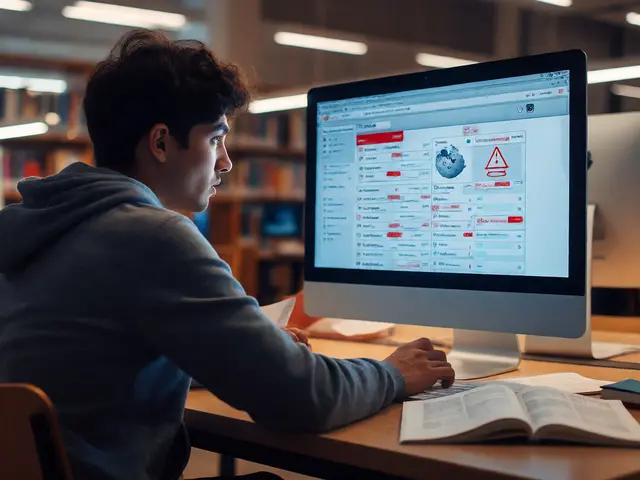
Imagine editing a biography of a controversial politician on Wikipedia is a free online encyclopedia where contributors edit articles collaboratively. Suddenly, your username appears in the edit history. A few days later, you receive an email from that politician’s publicist asking why you “distorted the facts.” This isn’t just a minor annoyance; it’s a snapshot of the real risks facing volunteer editors who often work under pseudonyms or even their real names without realizing how exposed they are.
The core issue for many contributors is balancing transparency with personal security. While the platform thrives on open collaboration, the lack of default anonymity can lead to targeted harassment, doxxing, and privacy leaks. Understanding these mechanics is the first step toward contributing safely.
The Hidden Costs of Transparency
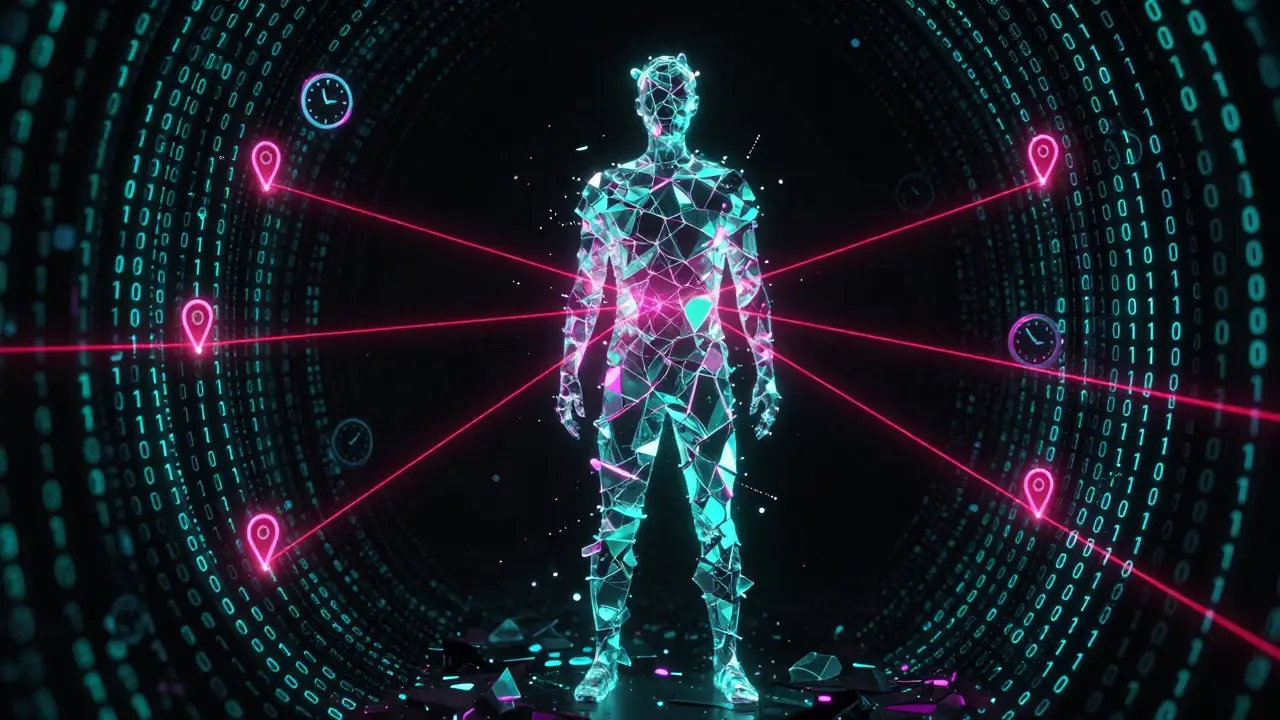
Many new editors assume that using a username keeps them anonymous. In reality, IP Address is a unique identifier assigned to every device connected to the internet which reveals location down to the city level. When you edit without logging in, your IP address is stored in the page history. For most users, this is fine. But for those editing sensitive topics-like local crime, political scandals, or medical conditions-this digital footprint can be traced back to a specific household.
Even registered users face risks through metadata. Your account creation date, last login time, and edit frequency create a behavioral pattern. If a malicious actor correlates this data with social media activity or local news reports, your identity can be pieced together. This phenomenon, known as correlation attacks, has been documented in several high-profile cases where editors were identified by cross-referencing their edit timestamps with local event schedules.
Harassment and Targeted Attacks
Harassment on Wikipedia rarely happens in a vacuum. It usually stems from disputes over content accuracy. However, when emotions run high, the conflict often moves off-platform. Editors report receiving:
- Cold calls at home or work places
- Social media stalking based on shared interests
- Threats via direct messages
- Public shaming campaigns
A notable trend shows that women and minority groups face higher rates of off-wiki harassment compared to their male counterparts. According to internal surveys conducted by the Wikimedia Foundation, nearly 40% of female editors have experienced some form of discouragement due to hostile interactions. This disparity contributes to the demographic skew observed on the platform, where long-term contributors are predominantly male.
Data Leaks and Third-Party Risks
It’s not just other editors who pose a threat. Data breaches involving third-party tools or browser extensions can expose user information. For instance, if you use a third-party tool to track edits or analyze user behavior, ensure it follows strict privacy standards. Some popular browser add-ons store cache data locally, which can be accessed if your computer is compromised.
Additionally, the Wikimedia Foundation is the non-profit organization that hosts Wikipedia and manages its infrastructure collects basic usage statistics. While these logs are generally protected, legal subpoenas can force the release of IP addresses. This means that in certain jurisdictions, your editing history could become part of a legal case, whether you like it or not.
Protecting Your Identity: Practical Steps
You don’t need to become a cybersecurity expert to stay safe. A few simple habits significantly reduce your risk profile.
- Use a Pseudonym Consistently: Avoid using your real name, handle, or any variation thereof across different platforms. Create a dedicated username that has no connection to your offline life.
- Log In Before Editing: Always log in before making changes. This hides your IP address from the public edit history, replacing it with your username.
- Separate Digital Identities: Use a separate email address for your Wikipedia account. Never link this email to your primary social media profiles.
- Review Your Edit History: Periodically check your contributions. Look for accidental mentions of personal details, such as workplace names or local landmarks, in article text or talk pages.
- Use Secure Connections: Whenever possible, edit over encrypted connections (HTTPS). Most modern browsers enforce this, but it’s worth verifying for older devices.
Understanding Editor Demographics and Risk Profiles
The demographics of Wikipedia contributors directly influence the types of safety concerns they face. The majority of active editors are located in North America and Europe, regions with varying levels of data privacy laws. For example, users in the European Union benefit from the General Data Protection Regulation (GDPR), which grants rights to access and delete personal data held by organizations. Conversely, editors in regions with weaker privacy protections may find it harder to remove their traces from the internet entirely.
Age also plays a role. Younger editors, often teenagers, might be more comfortable with digital footprints but less aware of long-term consequences. Older editors, conversely, may be more cautious but less tech-savvy when it comes to configuring privacy settings. Recognizing these differences helps communities tailor support resources effectively.
| User Type | Primary Risk | Mitigation Strategy |
|---|---|---|
| Anon Editor | IP Exposure | Always log in before editing |
| Registered Editor | Correlation Attacks | Use consistent pseudonym, separate email |
| Admin/Moderator | Targeted Harassment | Community support, block tools |
| Local Topic Expert | Doxxing | Avoid personal details in bio/talk |
Community Tools and Support Systems
Wikipedia has developed several mechanisms to protect editors, though they require active use. The Talk Page is a collaborative space attached to each article where users discuss changes serves as the first line of defense. Disputes should remain here, using polite, evidence-based arguments. If a dispute escalates, mediators and administrators can intervene to impose temporary blocks or move discussions to neutral ground.
For serious threats, the Ombuds Committee is a group within the Wikimedia Foundation that handles complaints about staff and volunteers provides a formal channel for reporting abuse. They review cases confidentially and can recommend actions ranging from warnings to permanent bans. Knowing these resources exist empowers editors to act decisively rather than retreating from the project.
Long-Term Sustainability of Contributor Safety
As Wikipedia grows, so does the complexity of its ecosystem. New technologies, such as artificial intelligence-assisted editing, introduce both opportunities and challenges. AI tools can help detect vandalism faster, but they also raise questions about data ownership and algorithmic bias. Contributors must stay informed about these developments to ensure their privacy isn’t eroded by well-intentioned technological upgrades.
Ultimately, safety is a shared responsibility. The community benefits when editors feel secure enough to contribute freely. By adopting basic hygiene practices and leveraging available tools, you protect not only yourself but the integrity of the entire encyclopedia. Your voice matters, and keeping it safe ensures it continues to be heard.
Is my IP address visible to everyone on Wikipedia?
Only if you edit while logged out. Once you log in, your IP address is hidden from the public edit history and replaced by your username. However, administrators can still see your IP address when needed for maintenance purposes.
What should I do if someone harasses me off-Wikipedia?
Document all interactions with screenshots and timestamps. Report the incident to a Wikipedia administrator or the Ombuds Committee. If the harassment becomes severe, consider seeking legal advice or contacting local authorities.
Does GDPR apply to Wikipedia editors in the EU?
Yes, the Wikimedia Foundation processes personal data under GDPR regulations. This means EU residents have the right to request access to their data and potentially ask for deletion of certain records, though edit histories are generally considered public domain once published.
Can I change my username to improve privacy?
Yes, you can request a username change through the RequestedUsernameChange process. This creates a new account linked to your old one, allowing you to start fresh with a more neutral identity. Note that your edit history remains associated with the original account unless you merge accounts.
Are anonymous editors safer than registered ones?
Not necessarily. Anonymous editors expose their IP addresses, which can be geolocated. Registered editors hide their IPs but reveal their behavioral patterns. The safest approach is to register with a strong pseudonym and maintain consistent separation from your real-life identity.