
Most people think of Wikinews as a place for global headlines or major political shifts. But the real heartbeat of this platform often beats in small towns, city councils, and regional festivals that mainstream media ignores. If you want to contribute to Wikinews is an online news website where anyone can write and edit news articles, starting with your own backyard is the smartest move. It’s accessible, it’s needed, and it builds credibility fast.
You don’t need a press pass or a degree in communications to cover your neighborhood. You just need curiosity, accuracy, and a willingness to follow strict rules about neutrality. This guide breaks down how to turn local happenings into solid, publishable reports on Wikinews, avoiding the common pitfalls that get new contributions deleted.
Why Local News Matters on a Global Platform
It might seem counterintuitive to write about a town hall meeting in Madison, Wisconsin, for a site hosted by the Wikimedia Foundation, a non-profit based in San Francisco. However, Wikinews fills gaps left by traditional media. Big newspapers cut local desks all the time. When they do, who covers the school board budget cuts? Who reports on the new bike lane installation? That’s where citizen journalists step in.
Covering local events gives you a unique advantage: proximity. You are there. You can verify facts instantly. You understand the context that an outsider would miss. For example, a story about a "controversial zoning change" means nothing without explaining which neighborhood is affected and why residents care. Your local knowledge adds depth that national wires simply cannot provide.
Moreover, building a portfolio of accurate local stories proves you can handle bigger topics later. Editors trust writers who consistently deliver verified, neutral reports on smaller issues. It’s a ladder, not a leap.
The Golden Rule: Neutral Point of View (NPOV)
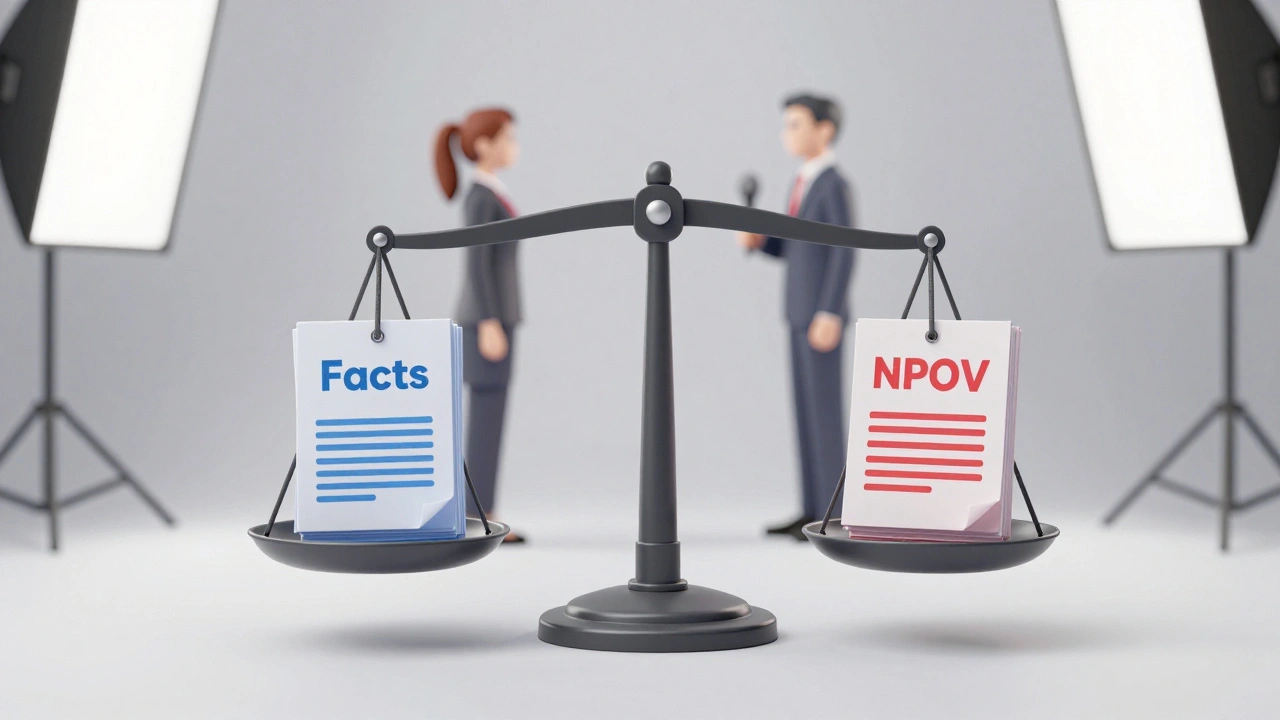
If you remember only one thing from this guide, let it be this: Neutral Point of View is the core policy requiring all content to represent fairly and proportionally all significant viewpoints. On Wikinews, NPOV isn’t a suggestion; it’s the law. Unlike a personal blog or a community newsletter, you cannot advocate for a cause. You cannot cheerlead for the winning team or condemn the losing candidate.
This trips up many new contributors. Imagine covering a protest against a new factory. An emotional writer might describe the protesters as "brave defenders of nature" and the company as "greedy polluters." That’s editorializing. A Wikinews reporter describes the scene: "Approximately 500 demonstrators gathered outside the construction site, holding signs reading 'Save Our River.' Company spokesperson Jane Doe stated the facility will create 200 jobs and meet all EPA standards."
See the difference? One tells you how to feel. The other tells you what happened. To maintain NPOV, attribute every opinion to its source. Use quotes. Report actions, not motivations. If you find yourself using adjectives like "shocking," "beautiful," or "disastrous," delete them. Stick to verbs and nouns.
Finding Stories That Fit the Guidelines
Not every local event makes the cut. Wikinews has specific criteria for what constitutes "news." Generally, an event must have broader significance than just the immediate participants. A birthday party doesn’t make it. A city-wide festival that impacts traffic, economy, and culture does.
Here is a quick checklist to evaluate potential stories:
- Impact: Does this affect a significant number of people or change the status quo?
- Timeliness: Is it happening now or recently? Wikinews is current, not historical archive (that’s Wikipedia).
- Verifiability: Can you prove it with independent sources?
- Significance: Would someone outside the direct circle care?
For instance, if your local library closes early due to budget cuts, that’s news. It affects students, seniors, and remote workers. If a single person complains about the coffee quality at the library, that’s not news. Focus on systemic changes, elections, disasters, cultural milestones, and economic shifts.
Gathering Sources Without a Press Pass
You might worry that you can’t get quotes from officials because you aren’t "real" journalists. In reality, public records exist for a reason. In the United States, freedom of information laws allow you to access meeting minutes, budget documents, and official statements. These are gold mines for Wikinews reporters.
Start with municipal websites. Most cities post agendas and recordings of council meetings. Watch these recordings. Take notes. Transcribe key quotes accurately. Then, look for secondary coverage. Did the local newspaper mention it? Did a radio station interview someone? Even if their angle was biased, they provided names and titles that you can use neutrally.
When contacting sources directly, introduce yourself clearly. "Hi, I’m Leona, contributing to Wikinews, an open-source news project. I’m writing a factual report on the upcoming water main repair schedule and wanted to confirm the timeline." Most public relations officers appreciate the free coverage, especially if you promise neutrality. Always record interviews or take detailed notes, and ask permission before quoting directly.
Structuring Your Article for Clarity
A good Wikinews article follows a standard structure. This helps readers scan for information and ensures you don’t miss critical elements. Think of it as the inverted pyramid model used in traditional journalism, but adapted for digital readability.
- Headline: Clear, concise, and descriptive. Avoid clickbait. "City Council Approves New Park Budget" is better than "You Won’t Believe What Happened at City Hall!"
- Lead Paragraph: Summarize the who, what, when, where, and why in two to three sentences. This is the most important part. If a reader stops here, they should know the gist.
- Body Paragraphs: Expand on details. Provide context. Include quotes from multiple sides. Keep paragraphs short (3-4 sentences max).
- Background: Explain history if necessary. Why did this issue arise now?
- References: Link to primary sources. Every factual claim needs a citation.
Use Wikitext formatting sparingly. Bold text for emphasis only when necessary. Use bullet points for lists. Avoid large blocks of text. Remember, you are writing for the web, where attention spans are short.
Avoiding Common Pitfalls
New writers often make mistakes that lead to their work being reverted or deleted. Here are the biggest traps to avoid:
| Mistake | Why It Fails | Correction |
|---|---|---|
| Original Research | Presenting your own analysis or conclusions as fact. | Stick to reported facts and attributed opinions. |
| Promotional Tone | Writing like an advertisement for an event or organization. | Remove superlatives and focus on logistical details. |
| Lack of Sourcing | Claims without evidence. | Add inline citations for every specific detail. |
| Conflict of Interest | Writing about an organization you belong to. | Disclose affiliation or ask another editor to review. |
Original research is the cardinal sin. You cannot calculate statistics yourself and present them as findings. You must cite the entity that calculated them. If you attended a rally and counted 100 people, don’t write "100 people attended." Write "Organizers estimated attendance at 100." Or better yet, find a police estimate or news report that confirms the number.
Also, watch out for conflicts of interest. If you are a member of the local chess club, do not write the article announcing the club’s championship win. Ask a friend who isn’t involved to draft it, or write it in a strictly factual tone and disclose your connection in the talk page. Transparency builds trust.
Editing and Collaboration
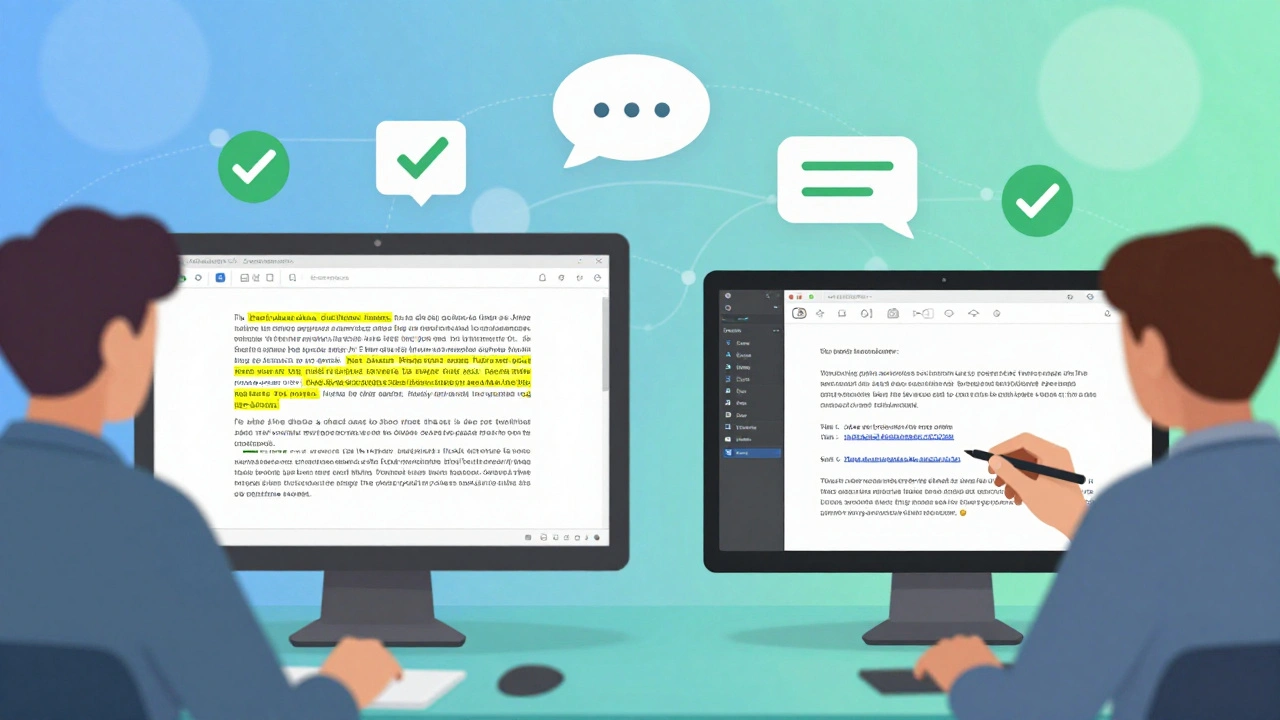
Wikinews is collaborative. Your first draft is rarely the final version. Other editors may tweak wording, add sources, or challenge neutrality. Don’t take this personally. It’s part of the process. Read the edit history. See what changed and why. Learn from experienced contributors.
Use the "Talk" page associated with each article to discuss changes. If someone reverts your edit, leave a polite message explaining your reasoning. "I added this quote from the mayor’s speech to balance the perspective." Open dialogue resolves most disputes. If tensions rise, seek mediation from established administrators.
Finally, proofread ruthlessly. Typos undermine credibility. Check dates, names, and titles. Ensure links work. A polished article reflects professionalism and respect for the reader’s time.
Next Steps for Aspiring Local Reporters
Start small. Pick one event this week. A school board meeting, a street fair, a zoning vote. Write a draft. Share it on the Wikinews discussion board for feedback. Iterate. Over time, you’ll develop a keen eye for news and a steady hand for neutral prose.
Join the community. Participate in discussions. Help others improve their articles. The more engaged you are, the more you learn. Wikinews thrives on active participation. Your voice matters, especially when it brings light to the overlooked corners of our communities.
Can I write about my own business on Wikinews?
No. Writing about your own business violates the conflict of interest policy. Articles must be neutral and verifiable by independent sources. Promotional content is quickly removed. If your business is mentioned in third-party news coverage, that story might be eligible, but you should not write it yourself.
How soon after an event should I publish a Wikinews article?
Ideally within 24 to 48 hours. Wikinews focuses on current events. If a story is older than a week, consider checking if it fits better in a weekly summary or if it has lasting significance. Timeliness is key for news value.
Do I need to be a native English speaker to contribute?
No. Clear communication is more important than perfect grammar. Many editors help polish language. Focus on getting the facts right and maintaining neutrality. If you are unsure about phrasing, use simple sentences and ask for feedback on the talk page.
What happens if I break the neutrality rule?
Other editors will likely revert your changes or flag the article for review. Persistent violations can lead to temporary blocks. Always assume good faith from others and correct errors promptly. Learning through correction is normal in this collaborative environment.
Can I use photos I took myself?
Yes, but you must upload them to Wikimedia Commons under a free license (like Creative Commons). Wikinews does not host images directly. Ensure you have the rights to share the photo, especially if it features recognizable people in private settings. Public spaces generally allow photography, but check local laws.