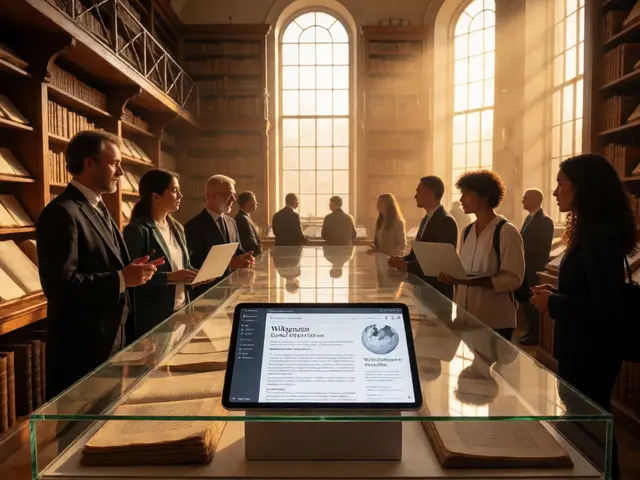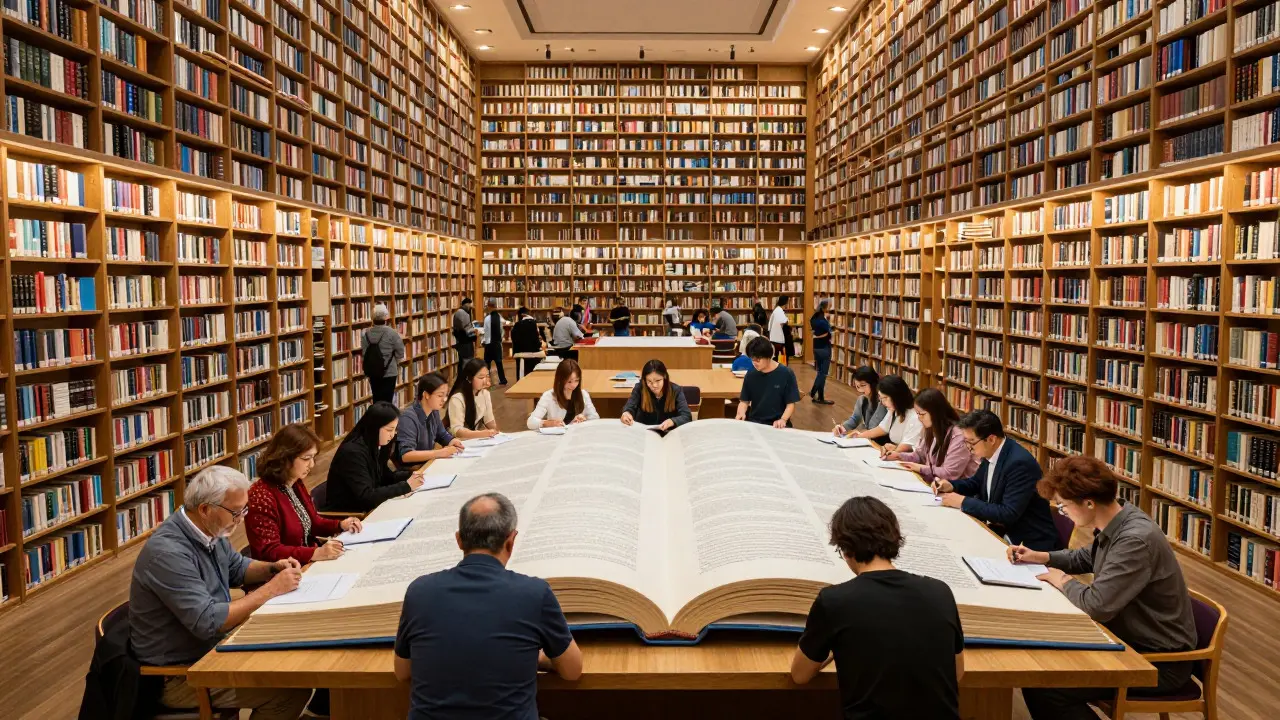
Imagine a library where anyone can walk in, grab a book, and rewrite the ending. That is essentially what Wikipedia is: a global encyclopedia maintained by volunteers without a single boss or central authority. Yet, despite this radical openness, millions of readers trust it for factual accuracy. How does a project with over 300 million pages avoid becoming a chaotic mess of errors? The answer lies in a complex, often messy, system of governance that tries to balance the democratic power of the crowd with the need for specialized knowledge.
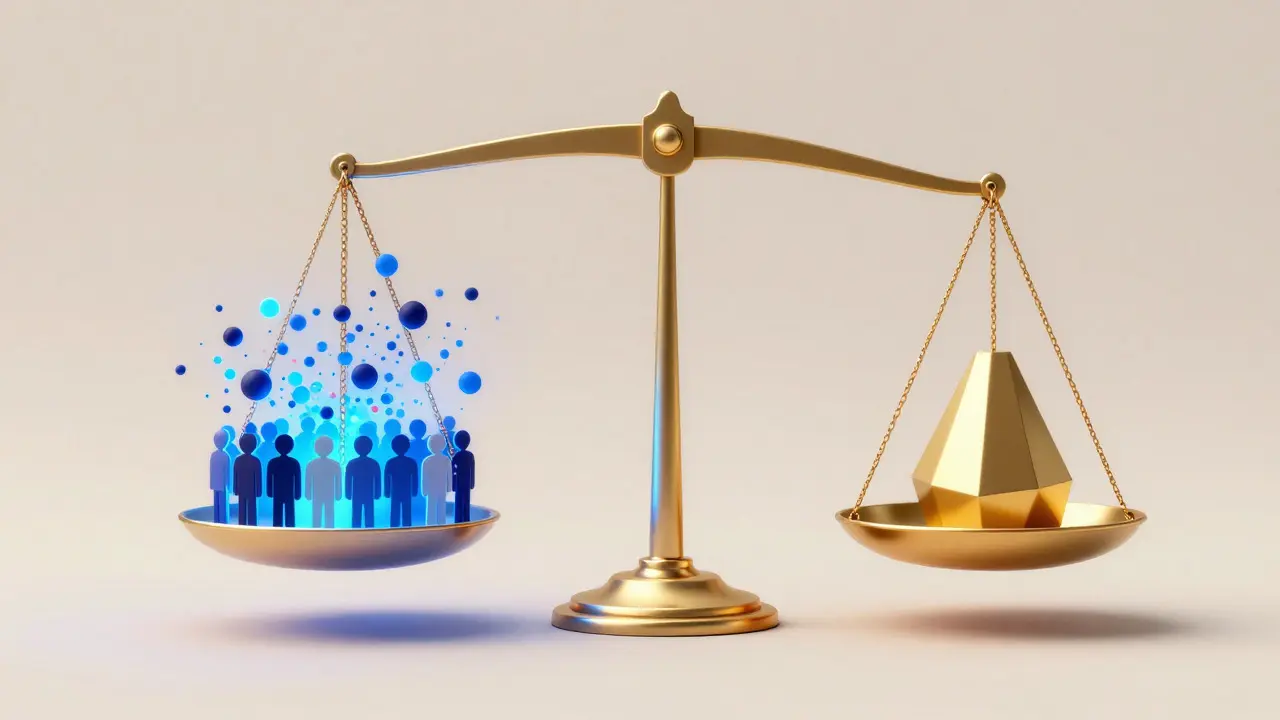
This tension is not just a technical problem; it is a philosophical one. On one hand, you have the "openness" principle, which says that truth emerges from the collective effort of many eyes. On the other hand, you have "expertise," which argues that certain fields-like quantum physics or medieval history-require deep, verified understanding that casual editors might lack. Navigating this middle ground requires a unique set of rules, tools, and social norms that are unlike any other organization on the planet.
The Core Mechanism: Consensus Over Hierarchy
Unlike a traditional newsroom with an editor-in-chief, Wikipedia has no formal hierarchy. Decisions are made through consensus, a process that sounds simple but is actually quite rigorous. When two editors disagree on a fact, they don't call a manager. Instead, they discuss the issue on a dedicated talk page, citing reliable sources. If they still can't agree, the dispute escalates to a larger community forum, such as Requests for Comment (RFC).
This process relies heavily on the concept of "neutral point of view" (NPOV). It doesn't mean ignoring controversial facts, but rather presenting all significant views fairly, weighted by their prominence in reliable sources. For example, if a new scientific study challenges a long-held theory, Wikipedia editors will cite both the old and new research, explaining the current state of debate. This ensures that the article reflects the consensus of the broader academic or public community, not just the opinion of the most active editor.
Where Experts Step In: The Role of WikiProjects
You might wonder how a layperson editing an article on cardiac surgery gets it right. The secret weapon here is the WikiProject. These are collaborative groups of editors who specialize in specific topics, such as medicine, history, or aviation. They create detailed guidelines for their field, known as "project standards."
For instance, the Medicine WikiProject maintains a list of preferred medical journals and terminology. If an editor adds a claim about a drug's side effects, a member of this project might flag it if the source isn't from a peer-reviewed journal. This creates a layer of informal peer review. While these experts don't have "veto power," their opinions carry significant weight because the community trusts their specialization. Over time, a culture develops where general editors learn to defer to these subject-matter experts on niche topics, effectively creating a meritocracy within the democracy.
The Power of Policy: Turning Chaos into Order
To prevent every argument from starting from scratch, Wikipedia has codified its best practices into policies and guidelines. Policies are mandatory rules, while guidelines are recommended best practices. One of the most critical policies is Notability, which determines what subjects deserve their own article. A person must be covered by multiple independent, reliable sources to be considered notable. This filter keeps out obscure local figures unless they gain wider recognition.
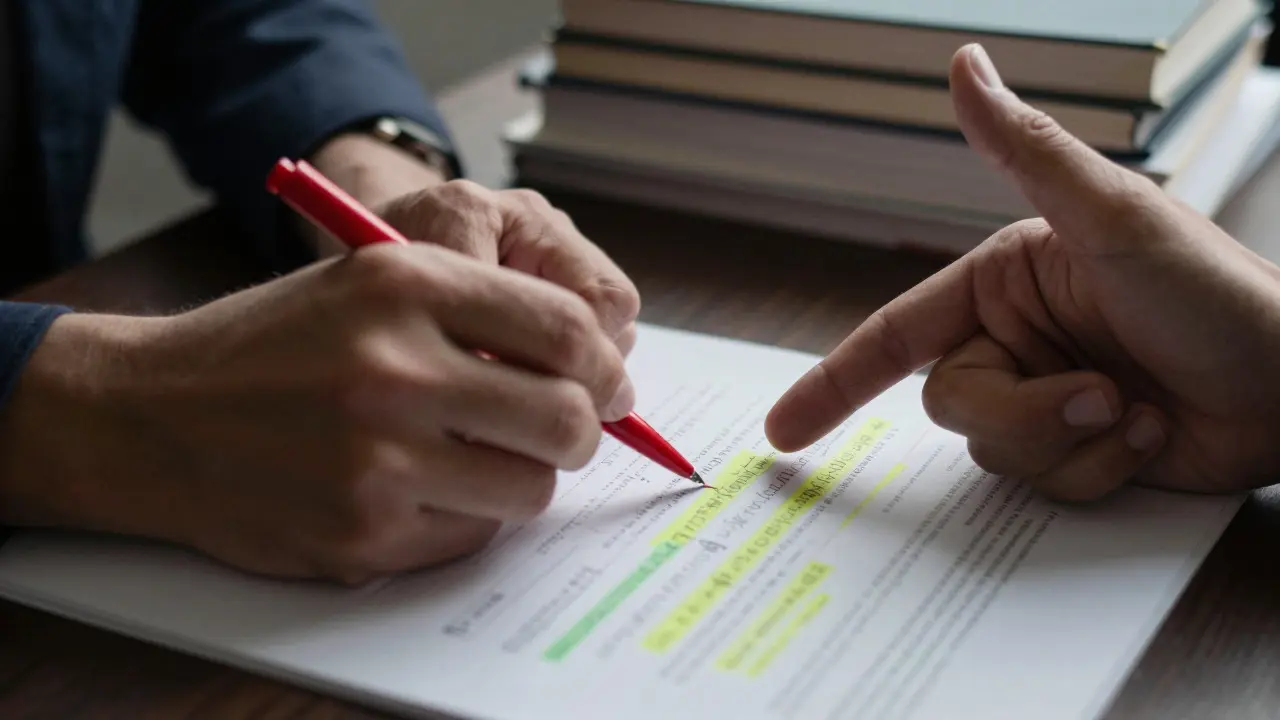
Another key mechanism is Citation Needed. If an editor makes a bold claim without a source, others can tag it with this template. If the tag remains for a certain period, the unsourced claim may be removed. This constant pressure to provide evidence acts as a quality control loop. It forces contributors to back up their words with data, turning subjective opinions into verifiable facts.
Handling Conflict: Arbitration and Bureaucracy
What happens when consensus fails? Sometimes, editors get stuck in endless loops of editing and re-editing, known as "edit wars." When polite discussion breaks down, the community uses formal dispute resolution processes. The first step is usually mediation, where a neutral third party helps the two sides find common ground.
If that fails, the case goes to the Arbitration Committee (ArbCom). ArbCom members are elected by the community and act like judges. They can impose sanctions, such as banning an editor or restricting their ability to edit certain pages. This is the closest thing Wikipedia has to a police force. While ArbCom decisions are final, they are rare and usually reserved for severe cases of harassment or persistent rule-breaking. For most content disputes, the solution is simpler: better sourcing and clearer communication.
The Limitations of Crowdsourcing
Despite its strengths, Wikipedia's model has blind spots. Because it relies on volunteer enthusiasm, some topics receive more attention than others. English-language articles tend to be more detailed than those in smaller languages, and topics popular in Western media often overshadow global perspectives. Additionally, the reliance on "reliable sources" can sometimes bias content toward mainstream viewpoints, making it harder to include emerging or minority perspectives until they gain wider acceptance.
There is also the issue of "expert capture." In some highly specialized fields, a small group of experts may dominate the conversation, potentially stifling fresh ideas or alternative interpretations. However, the open nature of the platform means that new voices can always enter the discussion, provided they bring strong evidence. This dynamic tension ensures that while expertise guides the direction, openness keeps the door open for correction and evolution.
Practical Tips for Contributors
If you plan to contribute to Wikipedia, understanding this balance is crucial. Here are a few ways to navigate the system effectively:
- Cite Reliable Sources: Always use books, academic journals, or reputable news outlets. Avoid blogs and personal websites unless the author is a recognized expert.
- Check Talk Pages First: Before making major changes, read the article's talk page to see if there are ongoing debates or established conventions.
- Join a WikiProject: If you have expertise in a specific area, join the relevant project. You'll find mentors and resources that help you apply your knowledge correctly.
- Be Polite: Remember that everyone is a volunteer. Assume good faith, even when you disagree. Harsh criticism drives people away, while constructive feedback builds trust.
- Use Templates: Don't reinvent the wheel. Use existing templates for citations, infoboxes, and navigation to keep your edits consistent with the rest of the site.
By respecting these norms, you become part of the machine that keeps Wikipedia accurate. You aren't just adding text; you're participating in a massive, decentralized experiment in knowledge management.
Frequently Asked Questions
Who is the CEO of Wikipedia?
Wikipedia has no CEO. It is operated by the Wikimedia Foundation, a non-profit organization led by a Board of Trustees. However, the content itself is governed entirely by the volunteer community through consensus and policy, not by the foundation's leadership.
How do I know if a Wikipedia article is accurate?
Look at the references section at the bottom of the article. If the claims are backed by multiple independent, reliable sources (like peer-reviewed journals or major news outlets), the article is likely accurate. Also, check the "Talk" page for any unresolved disputes.
Can experts override the general community?
Experts do not have formal veto power. However, their arguments carry more weight in consensus discussions because they are backed by specialized knowledge and credible sources. If an expert cites a definitive study, it is difficult for a generalist to argue against it without similar evidence.
What happens if two editors fight over a fact?
They should stop editing and discuss the issue on the talk page. If they cannot agree, they can request mediation from a neutral party. As a last resort, the case can go to the Arbitration Committee, which can impose rules on how the article should be written.
Is Wikipedia better than textbooks?
It depends on the topic. For rapidly changing fields like technology or current events, Wikipedia is often faster and more up-to-date. For foundational concepts in stable fields like mathematics or basic biology, textbooks may offer deeper context. Wikipedia excels at summarizing the current consensus, while textbooks explain the underlying principles.