
Ever tried to edit a Wikipedia article about a controversial topic and got reverted within minutes? If you’ve done it, you know the pain. But if you’re writing about something even more obscure-like ancient aliens or a specific pseudoscientific claim-the barrier is higher. Wikipedia doesn’t ban fringe ideas outright, but it puts them behind a strict gatekeeper: reliable sourcing.
The core problem isn’t that editors hate weird ideas. It’s that without strong evidence, those ideas can turn an encyclopedia into a rumor mill. So, how does Wikipedia decide what stays and what goes? It comes down to a few key policies that act like filters for truth.
The Core Rule: Verifiability Over Truth
Many people assume Wikipedia articles are written because they are "true." Not quite. The primary goal is Verifiability is the principle that readers must be able to check every fact against a published source. This means if you want to include a fringe theory in an article, you don’t just need to believe it; you need to prove that a reputable outlet has discussed it.
This creates a unique dynamic. A fringe theory might be false, but if a major newspaper wrote a three-part series debunking it, that theory gets a mention in the Wikipedia article. Why? Because the *debate* is documented in reliable media. The article reflects what experts say, not necessarily what is scientifically proven yet.
What Counts as a "Reliable Source"?
This is where most edits fail. You can’t just cite a blog post from someone who believes in the theory. Wikipedia relies on Reliable Sources are publications with established editorial standards and expert review processes. Think of peer-reviewed journals, major newspapers like The New York Times, or well-known books from academic presses.
For fringe topics, the bar is often higher than for mainstream science. Here’s why:
- Secondary Sources: Instead of citing the original researcher (who might be unknown), you should cite a secondary source that analyzes their work. For example, instead of linking to a self-published book on flat earth physics, link to a review of that book in a science magazine.
- Consensus Matters: If only one obscure journal supports a claim, it’s weak. If five independent, high-impact journals agree, it’s strong.
- Notability: The topic itself must be notable. Is there enough coverage from independent reliable sources to warrant its own section or article? If not, it might belong in a footnote, not a main heading.

Handling Pseudoscience and Controversy
When a topic straddles the line between science and speculation, Wikipedia uses a specific tag: Pseudoscience is a label applied to claims that lack scientific consensus and rigorous methodological support. This tag signals to readers that the information below is disputed or lacks broad acceptance.
Consider the case of homeopathy. It’s widely practiced, so it has an article. But the mechanism of action is debated by mainstream medicine. The article cites studies supporting it, but also cites large-scale reviews (like those from Cochrane) that find no effect beyond placebo. The result is a balanced view that shows both sides, weighted by the quality of the sources.
Here’s a quick comparison of how different types of sources are treated in these contexts:
| Source Type | Acceptance Level | Why It Works or Fails |
|---|---|---|
| Peer-Reviewed Journal | High | Independent experts vet the methodology before publication. |
| Major News Outlet | Medium-High | Good for reporting on the existence of the theory, less good for validating the science. |
| Self-Published Book | Low | Lacks external editorial oversight; prone to bias. |
| Personal Blog | Very Low | No accountability or fact-checking process. |
The Role of Neutral Point of View (NPOV)
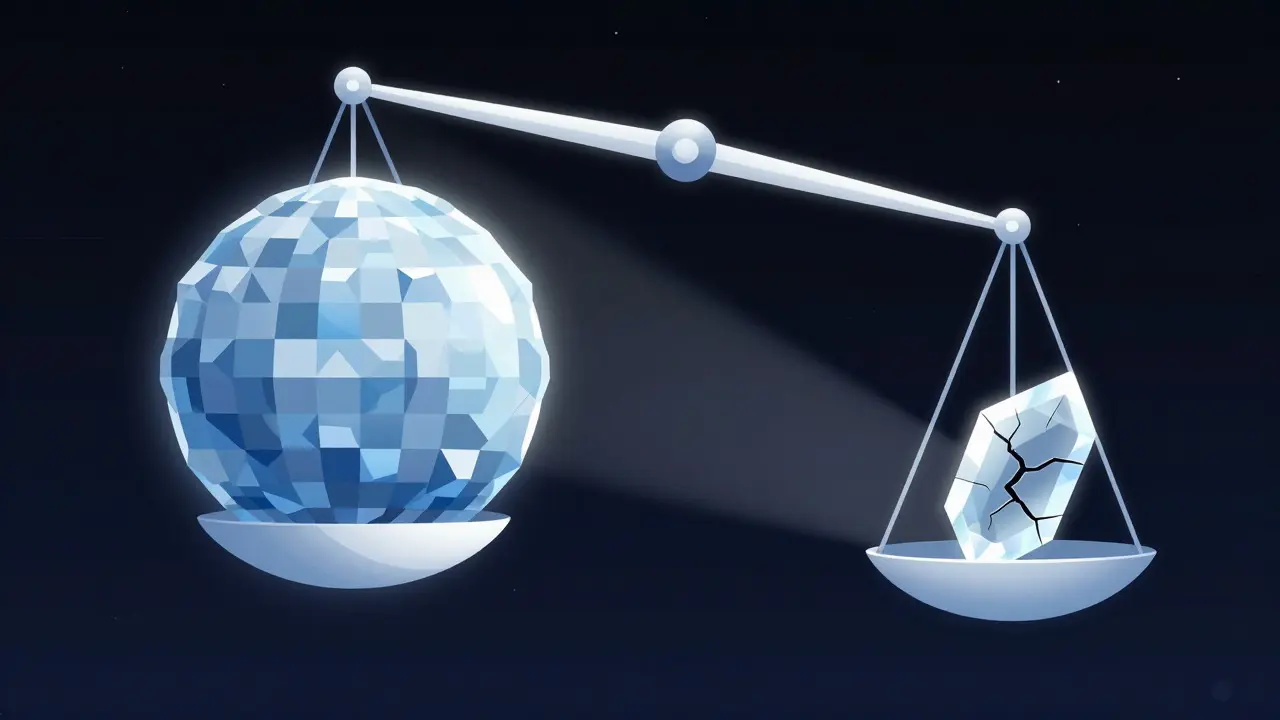
You might think NPOV means being "both-sides" equal. It doesn’t. Neutral Point of View is an editorial policy requiring articles to represent significant viewpoints fairly, weighted by their prominence in reliable sources. In fringe cases, this usually means giving more space to the consensus view and less to the outlier.
If 90% of reliable sources say a theory is wrong, and 10% say it’s right, the article should reflect that ratio. Giving equal weight to both would actually violate NPOV because it misrepresents the state of knowledge. This is a common mistake new editors make: they try to be "fair" by giving the fringe theory a huge paragraph, when it really only deserves a sentence citing the dissenting opinion.
Common Pitfalls and How to Avoid Them
Even experienced editors stumble here. Here are the top traps:
- Circular Sourcing: Citing a source that only cites the fringe theorist. You need an independent voice.
- Overweighting Minorities: Spending half the article on a theory that only two papers have mentioned. Keep it proportional.
- Misleading Headings: Using a heading like "Evidence for X" when the evidence is actually anecdotal. Use neutral headings like "Proposed Mechanisms" or "Criticism."
- Ignoring Consensus Statements: Major scientific bodies (like NASA or the American Geophysical Union) often issue statements on fringe topics. These are gold standard for establishing the baseline.
Remember, the goal isn’t to win an argument. It’s to provide a snapshot of what credible institutions and publications currently understand. If the landscape changes, the article updates. That’s the beauty of a living encyclopedia.
How Editors Decide What Stays
Behind the scenes, it’s a community effort. When a contentious edit happens, it goes to talk pages. Experienced editors look at the citations. If the sources are weak, the text gets removed. If the sources are solid but the tone is biased, the text gets rewritten.
This process ensures that while fringe theories get a place in Wikipedia, they don’t dominate. They exist in the context of the broader conversation, backed by receipts. For the reader, this means you can trust that if a wild claim is in the article, it’s because a reputable journalist or scientist felt it was worth discussing-not just because some editor liked the idea.