
Ever tried to cite a groundbreaking study on Wikipedia, only to hit a paywall? Or worse, you found the perfect source, but it’s from a blog with no editorial oversight? This is the exact friction point WikiProject Open Access exists to solve. It’s not just about finding free stuff; it’s about building an encyclopedia that anyone can verify, regardless of their library subscription.
The Core Problem: Paywalls vs. Verifiability
Wikipedia’s third pillar is verifiability. If a reader can’t check your source, your claim might as well be fiction. But here’s the catch: many high-quality academic papers are locked behind expensive journals. Open Access (OA) publishing removes these barriers, allowing immediate, free online availability of research outputs. When editors rely on OA sources, they align with Wikipedia’s core mission of free knowledge for everyone. It’s practical, too. You don’t need a university login to fact-check a medical claim if the source is open.
What WikiProject Open Access Actually Does
This collaborative group operates within the broader Wikipedia community. Their job isn’t to write articles, but to curate and advocate for reliable, freely accessible sources. They maintain lists of trusted OA journals, help identify predatory publishers, and guide editors on how to format citations for preprints or institutional repositories. Think of them as the librarians of the digital age, ensuring the shelves are stocked with books everyone can actually read.
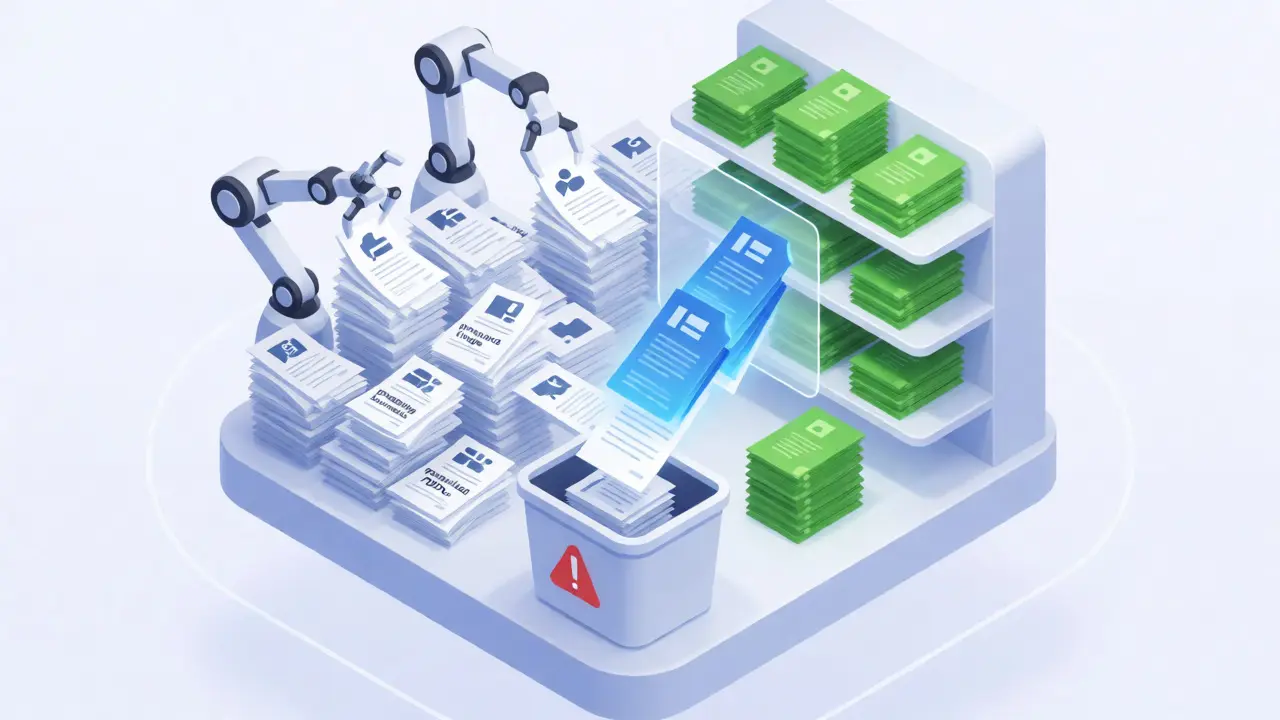
Identifying Reliable Open Access Sources
Not all free content is created equal. Just because a PDF is downloadable doesn’t mean it’s citable. The project emphasizes three key criteria for source selection:
- Editorial Integrity: Is there peer review? Does the journal have a clear editorial board?
- Reputation: Is it indexed in major databases like PubMed or DOAJ (Directory of Open Access Journals)?
- Licensing: Does it use a license compatible with Wikipedia’s Creative Commons requirements?
A common pitfall is citing a preprint server like arXiv without noting its status. While valuable for breaking news in physics, preprints haven’t undergone peer review yet. WikiProject Open Access provides templates to flag this distinction clearly, so readers know exactly what level of scrutiny the information has passed.
| Source Type | Accessibility | Reliability Check | Best Use Case |
|---|---|---|---|
| Traditional Journal | Paid/Paywalled | High (Peer-reviewed) | Established scientific consensus |
| Gold Open Access | Free (Publisher hosted) | High (Peer-reviewed) | Citable primary sources |
| Green Open Access | Free (Repository hosted) | Medium-High (Post-print) | Accessing accepted manuscripts |
| Preprints | Free (Server hosted) | Low (No peer review) | Emerging trends, needs caution |
| Predatory Journals | Free | Very Low | Avoid entirely |
Navigating Predatory Publishers
The rise of OA publishing brought a dark side: predatory journals. These entities charge authors fees but skip rigorous peer review to churn out papers quickly. For a Wikipedia editor, citing one of these is a red flag. WikiProject Open Access maintains resources to help spot these imposters. Look for signs like vague scope statements, excessive email spamming, or fake impact factors. If a journal promises publication in 48 hours, run. Reliability takes time.

How to Contribute as an Editor
You don’t need to be a scientist to help. If you edit articles related to health, technology, or social sciences, you can directly support this initiative. Start by auditing references in articles you’ve edited recently. Can you find an open-access version of a paywalled source? Tools like Unpaywall or browser extensions can automate this search. Once found, update the citation template. Better yet, add the article to the project’s task force list if you spot systemic issues with sourcing in a specific field.
Impact on Content Quality
When editors prioritize open access, the entire ecosystem benefits. Readers trust the platform more when they can click through to the evidence. Editors spend less time arguing over obscure, inaccessible footnotes. And researchers get wider visibility for their work. It’s a win-win-win. In my experience editing science topics, switching to OA sources reduced revert rates significantly. Disputes often stem from "I can't see the source," which disappears when the link works for everyone.
Is every open access source automatically reliable?
No. Open access refers to cost, not quality. A source must still meet Wikipedia’s standards for reliability, such as being published by a reputable press or undergoing peer review. Always check the publisher's reputation before citing.
Can I cite a preprint on Wikipedia?
Yes, but with caution. Preprints should generally be used for very recent developments where no other source exists. You must explicitly note that the paper is a preprint and has not yet been peer-reviewed, using appropriate citation templates.
What is the difference between Gold and Green Open Access?
Gold OA means the final published version is freely available on the publisher's website. Green OA involves depositing a version of the manuscript (often the accepted post-print) in an institutional repository after an embargo period. Both are useful, but Gold is usually preferred for direct verification.
How do I know if a journal is predatory?
Check for red flags like poor spelling on the website, unclear editorial boards, aggressive solicitation emails, and extremely short review times. Cross-reference the journal with whitelists like the Directory of Open Access Journals (DOAJ) or Beall’s List archives.
Does WikiProject Open Access handle copyright issues?
While they focus on accessibility, copyright compatibility is crucial. Most OA sources use Creative Commons licenses, which align with Wikipedia’s terms. However, always verify the specific license attached to the document to ensure reuse is permitted.