Imagine trying to get ten thousand strangers to agree on the definition of a single word. Now imagine they are all arguing at once, some are bots, some are experts, and some just want to win. This isn't a chaotic town hall meeting; it is a Tuesday afternoon on Wikipedia, the free online encyclopedia that anyone can edit. The magic glue holding this massive project together isn't code or algorithms-it's the Talk Page. These discussion forums attached to every article entry are where the real work happens. They facilitate editorial deliberation and drive consensus, turning potential chaos into structured knowledge.
If you have ever clicked "Edit" on a wiki, you might think the final text is what matters most. But for experienced editors, the conversation behind the text is often more important than the text itself. Why? Because Wikipedia operates on a unique governance model that relies less on top-down authority and more on horizontal negotiation. There is no editor-in-chief who says, "This is how we do it." Instead, there is a process. And that process lives in the Talk Page.
The Architecture of Discussion
Every article on Wikipedia has two main spaces: the content page and the talk page. The content page is the product; the talk page is the factory floor. When someone wants to change something controversial-like removing a section on a politician's scandals or adding a new theory about climate change-they usually start by posting on the talk page. This isn't always required for minor fixes like typos, but for substantive changes, skipping the talk page is a surefire way to get your edits reverted.
The structure of these pages is simple but powerful. Posts are indented using colons (:), creating visual threads. This allows complex arguments to branch out without getting lost. Unlike social media comments, which flatten hierarchy and encourage shouting matches, the indentation system forces a degree of order. You reply to specific points, not just the general vibe. This structural constraint is the first step in facilitating deliberation. It slows people down. You have to read the thread before you can contribute meaningfully.
From Argument to Consensus
So, how does a pile of conflicting opinions turn into agreed-upon facts? It starts with consensus. In political science, consensus means everyone agrees. On Wikipedia, it means no one strongly objects after a reasonable period of discussion. This distinction is crucial. You don't need 100% agreement; you need silence from the dissenters or a resolution of their core concerns.
The process typically follows a predictable rhythm:
- The Proposal: An editor posts a question or suggestion. "Should we include the 2024 election results here?"
- The Evidence Phase: Other editors respond with links to reliable sources. This is where verifiability trumps personal opinion. If you can't cite a reliable source, your argument loses weight.
- The Counter-Argument: Someone disagrees. Maybe they argue the source is biased or the topic doesn't meet notability guidelines.
- The Compromise: Editors propose middle-ground solutions. "We can include the results, but only if we also mention the legal challenges."
- The Silence: After a few days (or weeks for big topics), if no one objects, the proposal is considered consensual. The editor then makes the change on the main page.
This workflow prevents edit wars. An edit war happens when two editors keep undoing each other's changes. It’s toxic and inefficient. Talk pages exist specifically to stop this. By moving the conflict to text-based discussion, emotions cool down, and logic takes over. It’s harder to scream in caps lock when you’re writing a nuanced paragraph about sourcing standards.
Governance Without Leaders
One of the most fascinating aspects of Wikipedia is its lack of formal leadership. There are administrators, yes, but they don't rule. They enforce rules that the community created. The true power lies in the collective judgment of the editors. This is a radical governance model for a global organization.
How does it stay stable? Through norms and policies. Policies like Neutral Point of View (NPOV) and No Original Research (NOR) act as constitutional laws. When an argument gets heated, editors point to these policies. "Your edit violates NPOV because it uses loaded language," one might say. This shifts the debate from "I think you're wrong" to "You are breaking the shared rules." It depersonalizes the conflict.
Consider a dispute over a biography of a living person. One editor wants to highlight criticisms; another wants to focus on achievements. Without a talk page, they would fight via reverts. With a talk page, they might realize both perspectives are valid but need balancing. They agree to split the criticism into its own subsection, sourced properly. That outcome wasn't dictated by a boss; it was negotiated by peers.
The Role of Experience and Expertise
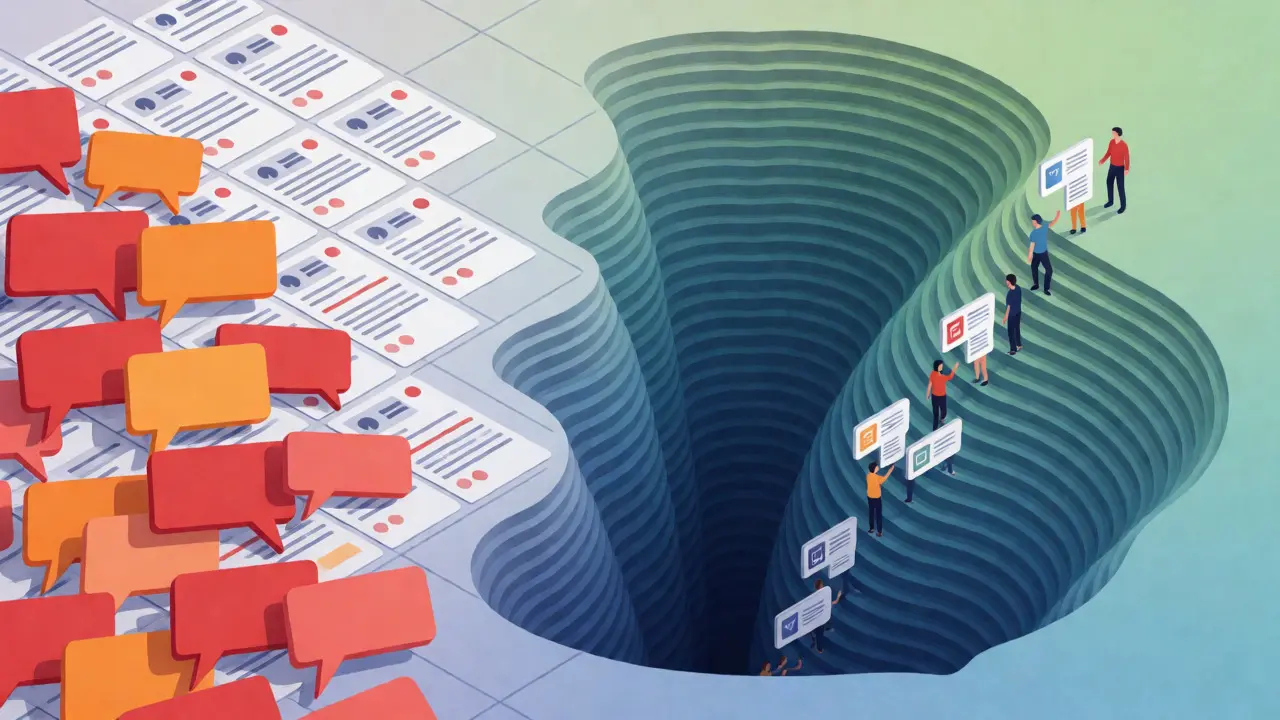
Not all voices carry equal weight initially, though ideally, they should. Newcomers often struggle with the unwritten codes of conduct. Experienced editors know how to phrase proposals to invite collaboration rather than defensiveness. This dynamic creates a subtle hierarchy based on contribution history and knowledge of policy.
However, the system checks this hierarchy. A veteran editor who ignores policy will be challenged by a newcomer citing the same policy. The strength of the argument matters more than the seniority of the speaker. This meritocratic element keeps the encyclopedia accurate. If a PhD student cites a peer-reviewed journal, they beat a random user citing a blog post, regardless of who has been editing longer.
| Feature | Edit War | Talk Page Resolution |
|---|---|---|
| Speed of Change | Immediate but unstable | Slower but durable |
| Emotional Tone | High conflict, personal attacks likely | Civil, focused on evidence |
| Outcome Quality | Oscillates between extremes | Nuanced, balanced compromise |
| Community Impact | Drains energy, causes burnout | Builds relationships, clarifies policy |
Pitfalls and Limitations
Is the talk page system perfect? Absolutely not. It suffers from several well-documented issues. First, it favors those with time and literacy. Debating requires hours of reading and writing. Students, workers, and non-native English speakers may find it hard to participate fully. This leads to a demographic skew among active editors.
Second, systemic bias can creep in. Dominant groups may set the tone of discussions, marginalizing minority viewpoints. For example, debates about gender representation often stall because majority editors fail to see why certain phrasings are problematic. The talk page becomes an echo chamber if diverse voices aren't invited or supported.
Third, vandalism and spam still occur. Bots and bad actors can flood talk pages with nonsense. While filters help, human moderators must clean up the mess. This labor is unpaid and often thankless. Many long-time editors leave because they are tired of arguing with trolls.

Why It Matters Beyond Wikipedia
The lessons from Wikipedia’s talk pages extend far beyond encyclopedias. We live in an era of polarized digital communication. Social media platforms prioritize engagement over understanding, rewarding hot takes and outrage. Wikipedia’s model shows that structured, slow-paced deliberation can produce high-quality outcomes even among strangers.
Organizations looking to improve internal decision-making could learn from this. Moving conflicts from email chains (which are often adversarial) to structured forums with clear guidelines and evidence requirements can reduce friction. The key is separating the person from the problem. On Wikipedia, you attack the argument, not the editor. Try that next time you disagree with a colleague.
Frequently Asked Questions
Do I need permission to edit an article?
Generally, no. You can edit any unprotected article immediately. However, if your edit is controversial or substantial, it is highly recommended to discuss it on the talk page first. If you skip this step, your edit may be reverted by other editors who disagree with the change.
What happens if we never reach consensus?
If discussion stalls, editors can request a Requests for Comment (RfC). This invites broader community input. If even that fails, the status quo usually remains until new evidence emerges. Administrators rarely intervene unless there is a violation of core policies like civility or neutrality.
Can anyone delete a talk page post?
Editors can remove their own posts. Others generally do not delete others' posts unless they are vandalism, spam, or off-topic. Deleting a legitimate critique can be seen as censorship and may lead to warnings. It is better to respond to the point than to erase it.
Are talk pages archived?
Yes. Active talk pages become cluttered over time. Older discussions are moved to archive subpages (e.g., Talk:Article Name/Archive 1). This keeps the current page readable while preserving the historical record of decisions. Archives are searchable and useful for researching past disputes.
How does Wikipedia handle paid editing on talk pages?
Paid editors must disclose their affiliation on their user page. On talk pages, undisclosed paid editing can lead to accusations of bias. Community members often scrutinize edits from accounts suspected of being corporate shills. Transparency helps maintain trust in the deliberation process.