Wikipedia runs on volunteers. Not just editors, but the people who keep the lights on - the administrators. These aren’t paid staff. They’re ordinary people who took on extra responsibility because they care about the encyclopedia. But being an admin isn’t just about clicking a button. It’s about judgment, patience, and knowing when to step in - and when to step back.
What Do Wikipedia Administrators Actually Do?
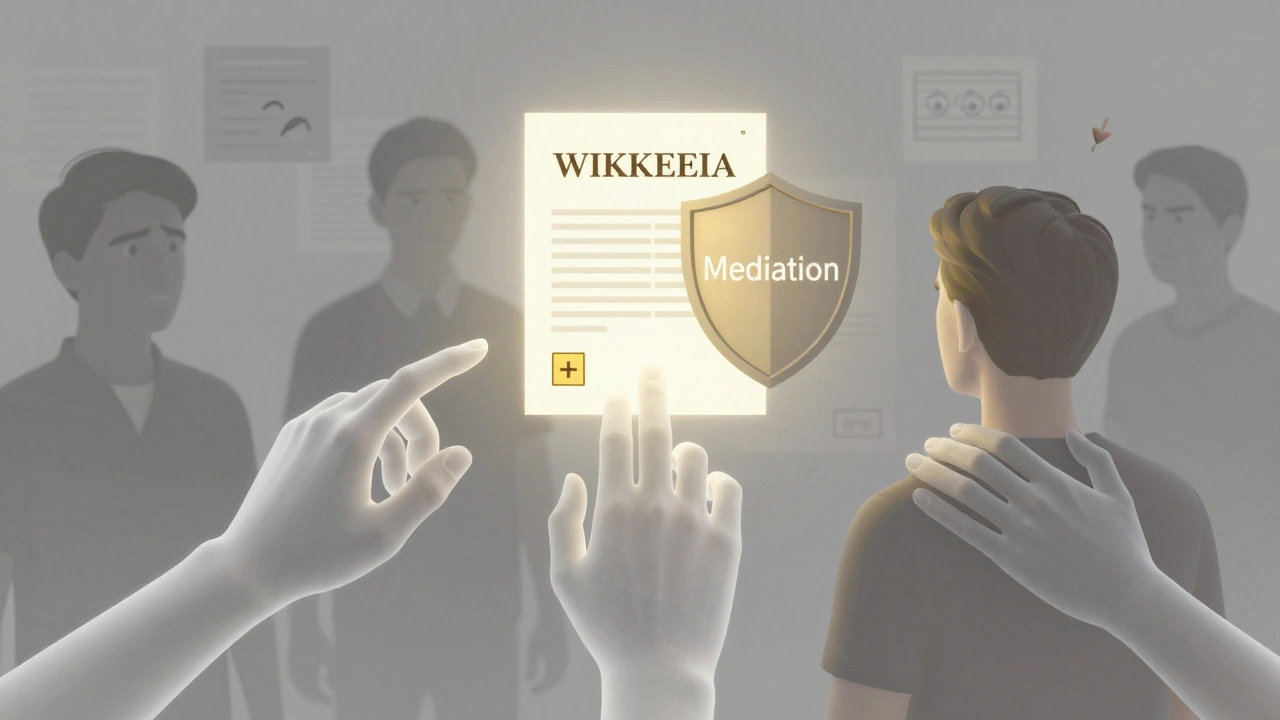
Administrators on Wikipedia aren’t editors with more power. They’re caretakers. Their tools let them delete pages, block vandals, protect articles, and close discussions. But the real work? It’s invisible. It’s handling the 3 a.m. edit war on a controversial biography. It’s explaining to a new user why their well-intentioned edit got reverted. It’s mediating between two editors who’ve spent months arguing over sourcing.
Every admin action leaves a trail. A deletion log. A block notice. A protected page. These aren’t just technical functions - they’re decisions with consequences. One wrong block can scare off a contributor for life. One poorly handled dispute can turn a healthy article into a battlefield.
Why Most New Admins Struggle
Wikipedia doesn’t have a formal onboarding program for admins. New admins are usually promoted because they’ve edited a lot, not because they’ve shown leadership. Suddenly, they get tools they’ve never used - and no one tells them how to use them wisely.
Common mistakes?
- Using the block tool as punishment instead of a temporary pause
- Deleting articles without checking deletion policies
- Ignoring mediation requests because they’re “too busy”
- Overreacting to minor policy violations
These aren’t just errors. They erode trust. And once trust is gone, it’s hard to rebuild.
Where to Find Real Admin Coaching
The best training doesn’t come from Wikipedia’s official help pages. It comes from experienced admins who’ve been there. Here’s where to look:
- Wikipedia:Administrators’ noticeboard - Not just a place to report problems. Watch how veteran admins respond. Notice how they cite policy, ask questions, and de-escalate.
- Wikipedia:Administrator intervention against vandalism - See how different admins handle repeat offenders. Compare their tone, timing, and reasoning.
- Wikipedia:Administrators’ noticeboard/Incidents - This is where things go sideways. Read the discussions. What did they get right? What did they miss?
- Wikipedia:Administrators’ circle - A private group for admins to ask questions. You can’t join without being an admin, but you can read public summaries of their discussions.
There’s also a growing network of peer coaching. Some admins run monthly Zoom calls just to talk about tough cases. Others keep public logs of their decisions with explanations. These aren’t official, but they’re more useful than any policy page.
Training Resources That Actually Work
Forget the 50-page PDFs. The best training is hands-on, reflective, and tied to real examples.
Case Study Method - Find three recent admin actions that got criticized. Read the talk page. Read the deletion log. Read the user’s response. Now write: What would you have done differently? Why?
Shadowing - Ask a trusted admin if you can observe their workflow for a week. Not by watching their edits - by reading their messages. How do they phrase a warning? How do they respond to an appeal?
Role-Playing - Join a Wikipedia community Discord or Matrix room. Find someone willing to simulate a conflict. Play both sides. Practice writing a block notice. Then rewrite it as if you’re talking to a 12-year-old who just found Wikipedia.
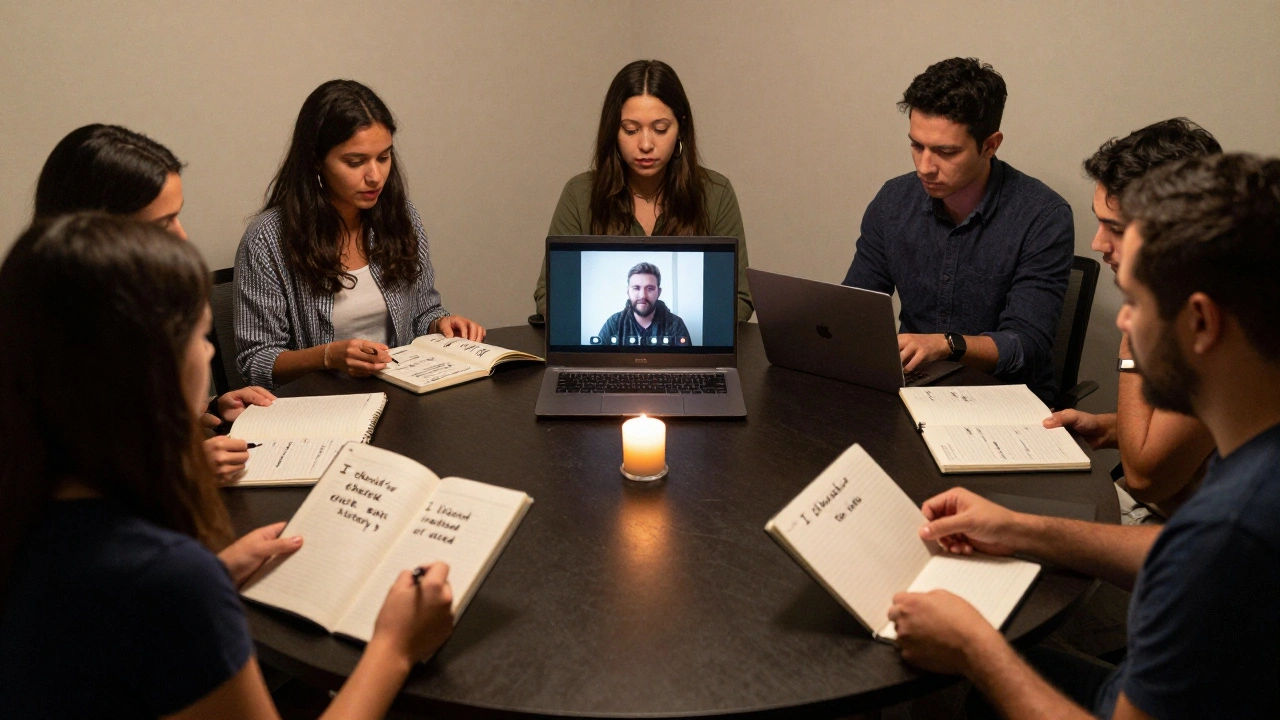
One training group in Germany started a “Admin Diary” project. Each week, an admin writes a short reflection: “Today I blocked someone for sockpuppeting. I didn’t realize they were new. Next time, I’ll check their edit history first.” These diaries are public. They’re raw. They’re the most valuable resource on the whole site.
The Hidden Curriculum of Adminship
There’s no policy that says “Don’t respond to insults.” But every good admin knows it. There’s no rule that says “Wait 24 hours before deleting a new article.” But the best ones do. These aren’t written down. They’re learned through repetition, failure, and quiet observation.
Here’s what you won’t find in the manual:
- How to say “no” without sounding like a robot
- When to let a dispute play out - and when to shut it down
- How to recognize a user who’s trying to help, even if they do it badly
- Why some users come back after being blocked - and why others never do
These skills aren’t taught. They’re absorbed.
What to Avoid
There are plenty of bad habits that new admins pick up.
- Don’t use admin tools to “win” an argument. If you’re editing because you’re mad, step away.
- Don’t assume all vandalism is obvious. Some edits look like improvements but are actually biased.
- Don’t ignore requests from new users. They’re not trying to break the site - they just don’t know how it works.
- Don’t think you’re above the rules. Admins get reviewed too. If you delete five articles in a row without discussion, someone will notice.
Wikipedia’s system works because it’s transparent. Every admin action is public. Every mistake is visible. That’s the pressure. And that’s the guardrail.
How to Get Better - Step by Step
Improvement isn’t about learning more policies. It’s about changing how you think.
- Start a log. Every time you use an admin tool, write down: Why? What did you expect? What actually happened?
- Read one admin discussion every day. Don’t skip the ones you disagree with.
- Find one mentor. Not necessarily someone with more tools - someone who handles conflict well.
- Ask for feedback. Send a message to a senior admin: “I handled this case. What would you have done differently?”
- Take a break. If you’re tired of dealing with drama, step away for a week. Come back with fresh eyes.
There’s no certification. No exam. No badge. But if you’re doing this right, people will notice. Not because you deleted something. But because you helped someone understand.
Why This Matters
Wikipedia is one of the last places on the internet where knowledge is built by strangers who care. Admins are the glue. They don’t write the articles. But they make sure the space stays open for people who do.
When an admin acts poorly, it doesn’t just hurt one person. It makes the whole community feel unsafe. When an admin acts well, it doesn’t just fix one edit - it inspires someone else to step up.
Training isn’t optional. It’s the difference between a site that works - and a site that survives.
Do Wikipedia admins get paid?
No. Wikipedia administrators are unpaid volunteers. They’re ordinary people who’ve been granted special tools because of their experience and trust within the community. The Wikimedia Foundation, which supports Wikipedia technically, does not employ or pay admins. Their authority comes entirely from community consensus, not from any official position.
How do you become a Wikipedia admin?
To become an admin, you must first be an active editor with a solid track record - typically hundreds of edits over several months. Then, you can request adminship through a community vote called a Request for Adminship (RfA). Other editors review your contributions, behavior, and judgment. If there’s broad support, you’re granted the tools. It’s not about how much you edit - it’s about how well you handle conflict, follow policy, and help others.
Can admins be removed?
Yes. Admin rights can be revoked through a process called a Request for Deletion of Adminship (RfD). This usually happens if an admin abuses their tools, ignores community feedback, or behaves in a way that undermines trust. It’s rare, but it does happen. The system is designed to hold admins accountable - even if they have special privileges.
What’s the most common mistake new admins make?
The most common mistake is using admin tools to enforce personal opinions instead of community policy. For example, deleting an article because they personally think it’s unimportant - even if it meets deletion criteria. Or blocking a user because they disagree with them, not because they violated a rule. Admins are supposed to be neutral enforcers, not opinion leaders.
Are there training materials made by Wikipedia?
Wikipedia has official policy pages and help guides, but they’re dry and hard to apply. The real training comes from peer-led resources: public admin discussions, case logs, mentorship, and reflective practices. The Wikimedia Foundation doesn’t run formal training programs for admins. The community builds its own - and that’s where the best learning happens.