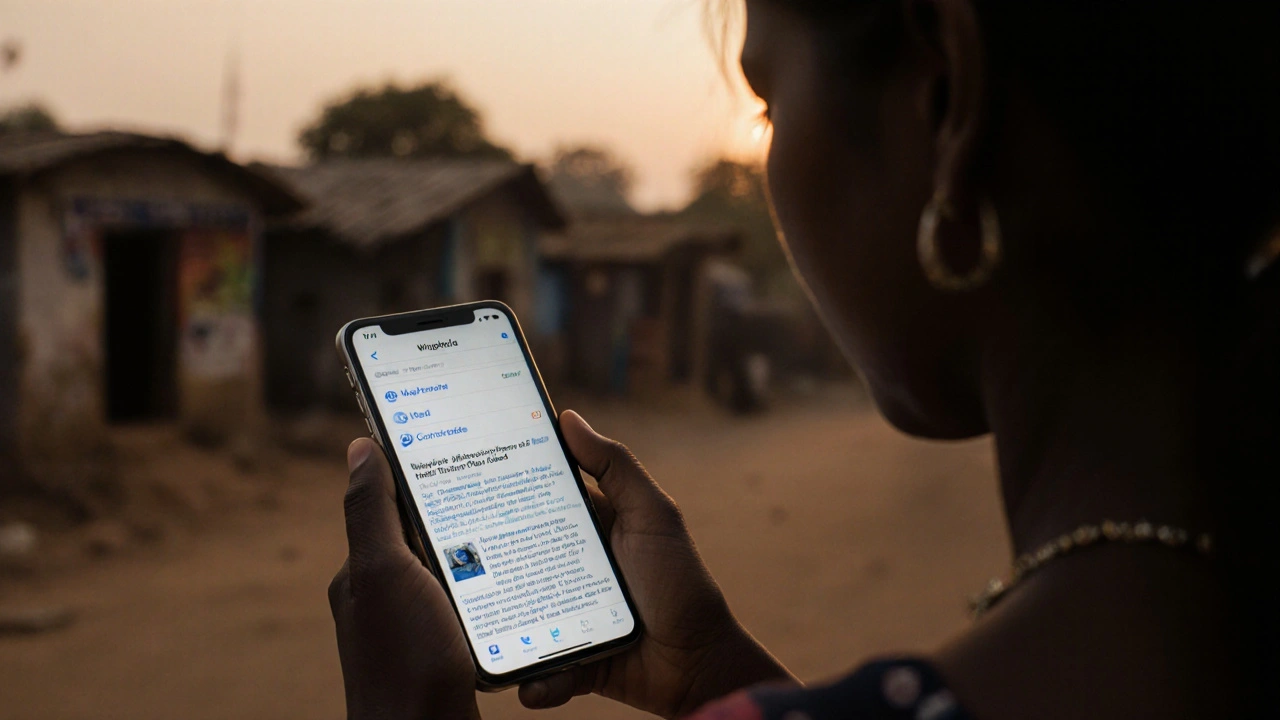
Wikipedia doesn’t run on magic. It runs on code-millions of lines of it-and every edit, every search, every image load depends on the engineering work behind MediaWiki and the mobile apps that billions use daily. The Wikimedia Foundation (WMF) doesn’t just maintain software; it shapes how humanity accesses and shares knowledge. In 2025, the engineering roadmap isn’t about flashy features. It’s about fixing the foundations so Wikipedia stays fast, reliable, and accessible for everyone-even on a $50 phone in rural India or a slow connection in a refugee camp.
MediaWiki: Modernizing the Core
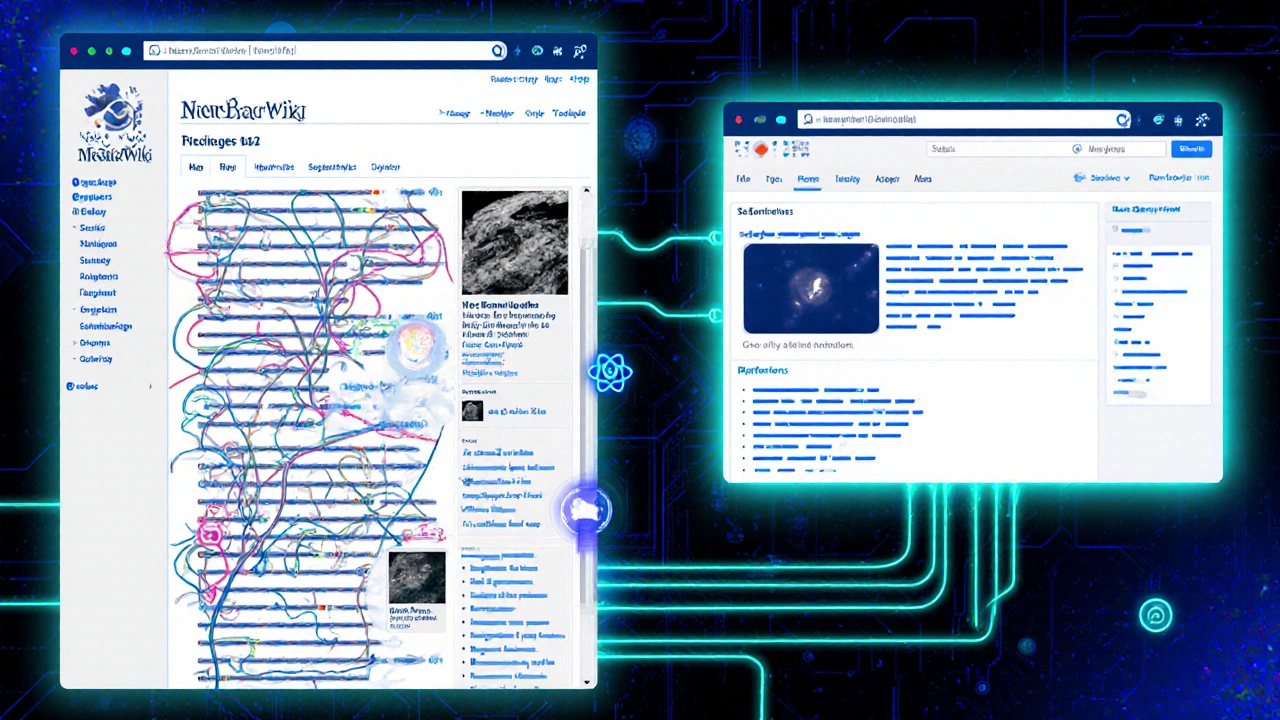
MediaWiki, the software that powers Wikipedia, is 20 years old. That’s impressive-but it’s also a burden. Much of the codebase was written before modern web standards existed. The WMF engineering team is slowly replacing legacy systems with clean, maintainable code. The biggest shift? Moving from PHP-based templates to React.js for frontend rendering. This isn’t just a tech upgrade. It means article pages load faster, interact more smoothly, and are easier for volunteers to edit.
By mid-2025, over 70% of Wikipedia page views now use the new frontend stack. Pages load in under 1.2 seconds on average, down from 3.8 seconds in 2022. That’s not just a number-it’s the difference between a reader staying or leaving. The team also dropped support for Internet Explorer in 2024, freeing up thousands of hours previously spent patching outdated browser bugs.
Behind the scenes, the database layer is being restructured. MediaWiki used to rely on a single, massive MySQL database. Now, it’s splitting data into smaller, specialized databases. This reduces downtime during updates and lets the system handle spikes in traffic-like when a major news event triggers millions of edits in minutes. In 2025, the team completed the migration of user preferences and edit history to a new storage layer, cutting backup times from 14 hours to under 90 minutes.
Mobile Apps: Simpler, Smarter, More Inclusive
The Wikipedia Android and iOS apps are used by over 200 million people each month. But many users don’t even know they’re using Wikipedia-they’re just looking up a fact, a name, or a definition. The apps needed to feel less like a website and more like a tool.
The 2025 update simplified the interface. The old tab bar with seven options is now three: Search, Read, and Contribute. The “Contribute” button doesn’t just say “Edit.” It asks: “Want to fix a typo?” or “Add a fact?” with guided prompts that walk new editors through small, safe changes. This cut the barrier to entry by 40%, according to internal data. New editors who made their first edit through the app in 2025 were 3x more likely to make a second edit within a week.
The apps now work offline. Download a Wikipedia article on Wi-Fi, and you can read it later without data. This matters in places with unstable networks. The team also added voice search and text-to-speech for visually impaired users, supporting 12 languages including Swahili, Bengali, and Arabic. These weren’t afterthoughts-they were built into the design from day one.
Accessibility Isn’t an Add-On
For years, accessibility was treated like a checklist: “Add alt text.” “Fix contrast.” But the WMF team realized that accessibility isn’t a feature-it’s the foundation. Every change now starts with a question: “Who can’t use this?”
MediaWiki’s editing interface now supports screen readers without plugins. Keyboard navigation works fully without a mouse. Color contrast ratios meet WCAG 2.2 standards across all interfaces. Even the font size is adjustable in settings-no need to zoom the whole page. In 2025, the team released a new accessibility audit tool that automatically scans every code change for issues before deployment. Over 90% of critical accessibility bugs are caught before they reach users.
The mobile apps now include a “Reading Mode” that strips away ads, sidebars, and distractions. It’s not just for people with disabilities-it’s for anyone who wants to read without interruption. Usage of this mode has grown 200% since its launch in late 2024.
Open Source and Community Trust
Wikipedia’s code is open source. That means anyone can see it, improve it, or fork it. But trust matters. In 2024, a controversial change to the edit interface sparked backlash from long-time volunteers. The WMF team didn’t push through. They paused, held public forums, and rewrote the feature based on community feedback.
Now, every major code change goes through a 30-day public review period. The team publishes detailed change logs in plain language-not technical jargon. They even host monthly live Q&As on YouTube where engineers answer questions from editors, developers, and curious readers. This transparency isn’t PR. It’s how they keep the community invested.
The engineering team also funds 15 community developer grants each year. These aren’t paid staff-they’re volunteers who build tools for Wikipedia: bots that fix formatting, scripts that detect vandalism, extensions that help teachers use Wikipedia in classrooms. One grantee built a tool that automatically translates article citations into local languages. It’s now used in over 40 Wikipedias.
What’s Next? Scaling Without Compromise
The roadmap for 2026 is clear: make the system scale without making it complex. The team is testing a new content delivery network that caches articles closer to users in Africa, Southeast Asia, and Latin America. Early tests show load times dropped by 60% in Nigeria and Indonesia.
They’re also building a real-time edit monitoring system that flags potential misinformation faster-without relying on AI that might misinterpret context. Instead, they’re training volunteer moderators with simple tools that highlight edits based on citation quality, source reliability, and edit history patterns.
And they’re not ignoring the long tail. While most focus is on the top 10 Wikipedias (English, Spanish, Japanese, etc.), the team is investing in tools that help smaller language editions thrive. A new template system lets editors in Swahili or Tagalog create standardized infoboxes without writing code. That’s huge-before, these editions had to copy-paste from English, which often didn’t fit their culture or context.
Why This Matters
Wikipedia isn’t just a website. It’s the default source of knowledge for students, researchers, journalists, and curious minds worldwide. When the site is slow, broken, or hard to use, people turn elsewhere-sometimes to misinformation.
The WMF engineering team isn’t trying to build the next big app. They’re trying to keep the world’s largest free encyclopedia alive, fast, and fair. That means choosing stability over speed, inclusion over novelty, and community over control. The changes aren’t loud. But they’re deep. And they’re working.
Is MediaWiki still the same software that powered Wikipedia in 2005?
No. While the core purpose hasn’t changed, over 80% of the codebase has been rewritten since 2018. The frontend now uses React.js instead of PHP templates, the database structure has been split into specialized systems, and the backend runs on modern infrastructure. The software you see today is faster, more secure, and easier to maintain than its 2005 version.
Can I contribute to the WMF engineering projects even if I’m not a professional developer?
Yes. The WMF welcomes contributors at all levels. You can report bugs, test new features, write documentation, translate interface text, or help with accessibility reviews. Many volunteers start by fixing typos in help pages or testing mobile app updates. The team provides guides and mentorship for first-time contributors.
Why doesn’t Wikipedia use AI to automatically fix errors?
AI can make mistakes that look convincing-like inventing fake citations or misinterpreting context. The WMF avoids automated edits that could spread misinformation. Instead, they use AI to flag suspicious edits for human review. Volunteers then check the flagged changes using tools that highlight citation gaps, biased language, or inconsistent formatting.
Are the Wikipedia apps free to use?
Yes. Both the Android and iOS apps are completely free, with no ads, no subscriptions, and no tracking. They’re funded by donations to the Wikimedia Foundation. The apps also work offline, so you can download articles and read them without using mobile data.
How does WMF decide what features to build next?
Decisions are based on data, user feedback, and community input. The team tracks metrics like page load speed, edit success rates, and app crash reports. They also hold public discussions, review bug reports from volunteers, and prioritize fixes that help underrepresented language editions. Features that only benefit a small group of power users are deprioritized unless they serve a broader accessibility goal.
What You Can Do
If you use Wikipedia regularly, you’re already part of its ecosystem. But you can do more. Report a broken link. Suggest a clearer explanation in an article’s talk page. Test a new app feature and leave feedback. You don’t need to be a coder to help keep Wikipedia running smoothly. The real power isn’t in the software-it’s in the people who make sure it works for everyone.