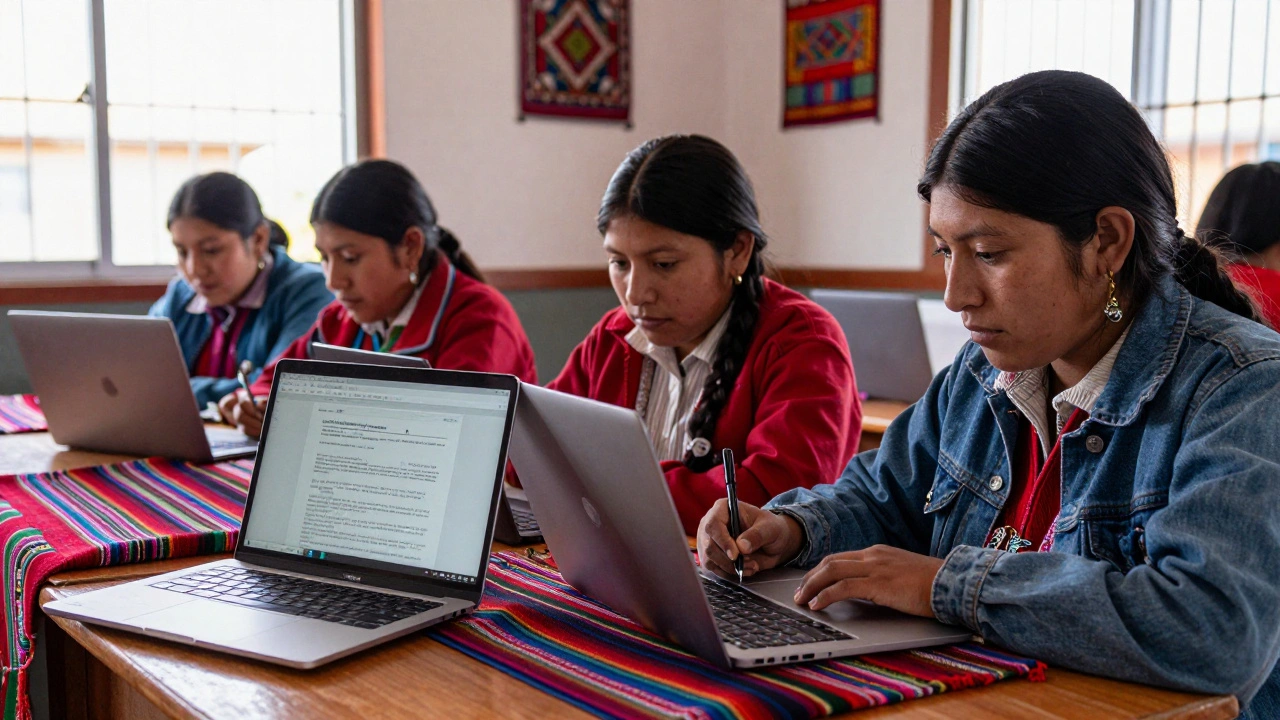
In a classroom in Bolivia, students who speak Quechua as their first language now co-author Wikipedia articles in their native tongue. This isn't just a language lesson-it's a movement preserving cultural heritage while teaching digital skills. This approach, part of multilingual education programs using a free, open-source online encyclopedia created by volunteers worldwide with over 60 million articles in 300+ languages, combines language learning with community-driven knowledge creation.
How Wikipedia Transforms Language Learning in Classrooms
Wikipedia's multilingual nature makes it a perfect tool for language education. Unlike textbooks, which often focus on standardized versions of a language, Wikipedia allows students to engage with real-world usage. For example, when students in Mexico write articles in Nahuatl, they learn the language's nuances from actual speakers and elders. This method boosts both language skills and cultural pride. A 2025 study from the University of California found that students in Wikipedia-based multilingual programs improved their reading comprehension by 25% compared to peers using traditional textbooks.
Another benefit is the collaborative aspect. Students work together to research, write, and edit articles. This teamwork builds communication skills and teaches digital citizenship. Plus, because Wikipedia articles are public, students feel a sense of purpose-knowing their work helps others worldwide. As one teacher in Guatemala put it, "When my students see their article on Wikipedia, they realize their voice matters."
Real-World Success Stories
From the Andes to Southeast Asia, schools are using Wikipedia to support multilingual education. In Bolivia, the "Wikipedia Quechua" initiative has helped over 10,000 students create content in their native language. This project not only preserves Quechua but also teaches students how to verify sources and cite references-critical skills for academic success.
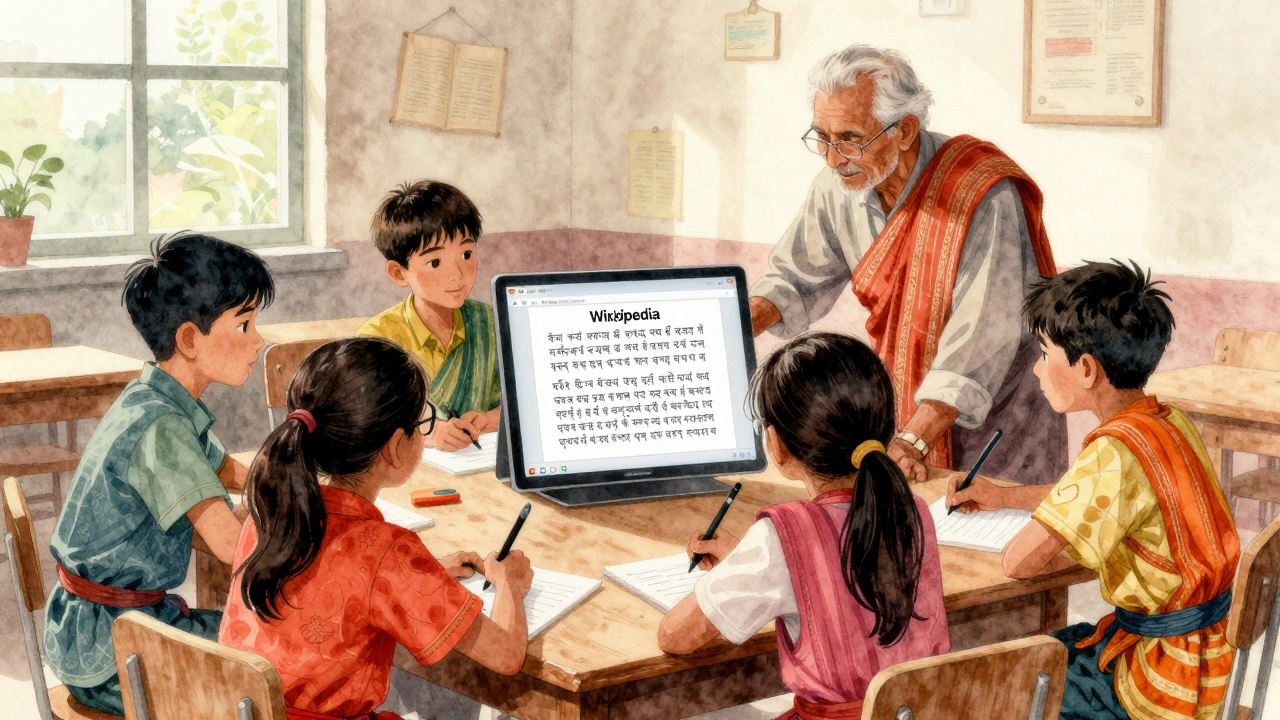
In India, the "Wiki Education Foundation" has partnered with schools in rural areas to document local languages. For instance, students in Assam wrote articles in Bodo, a language spoken by 1.5 million people. These articles now serve as valuable resources for other Bodo speakers. Similarly, in Peru, the "Wikipedia Quechua" project has created over 500 articles, significantly increasing the language's digital presence.
These examples show how Wikipedia bridges the gap between classroom learning and real-world application. By contributing to a global knowledge base, students gain confidence and see their language as a living, evolving part of society.
Challenges and How to Overcome Them
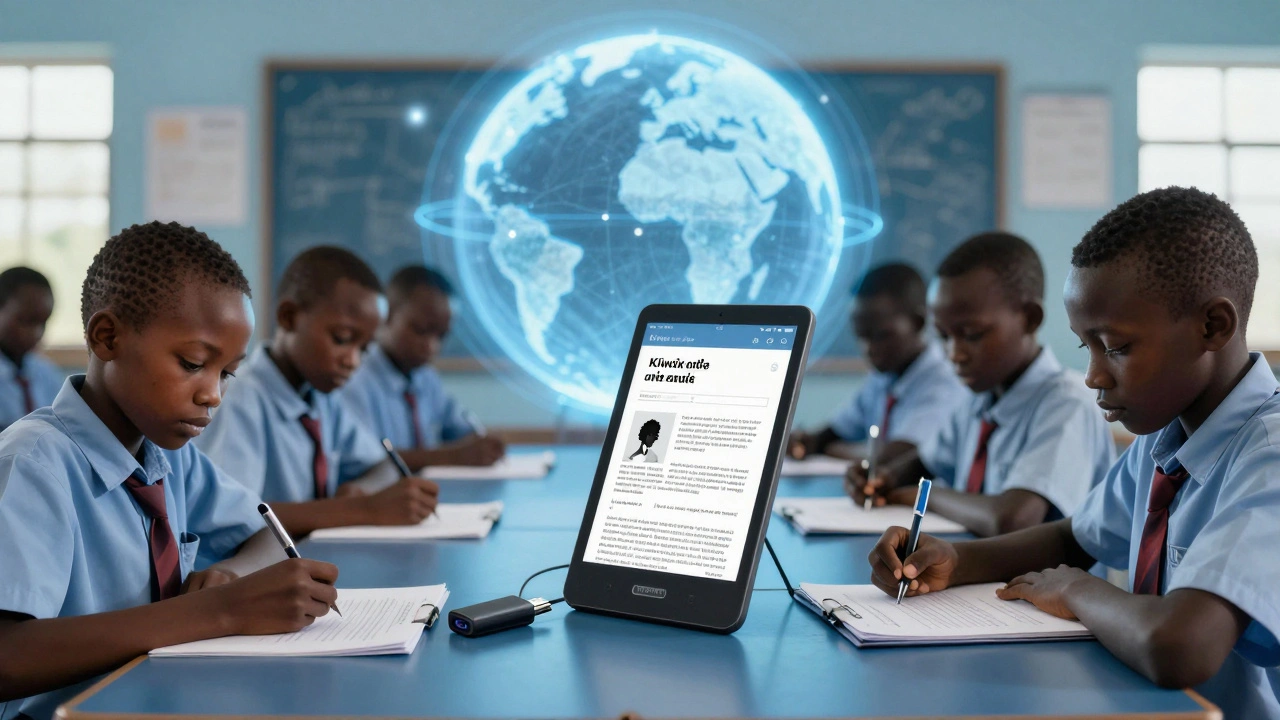
Implementing Wikipedia in classrooms isn't without hurdles. First, internet access can be limited in rural areas. Solutions like Kiwix-a tool that provides offline access to Wikipedia-help bridge this gap. Teachers in remote regions of Kenya and Indonesia now use Kiwix to teach students how to edit Wikipedia without internet.
Another challenge is ensuring content accuracy. Wikipedia has strict guidelines on verifiable sources. To address this, educators use "flagged revisions," where edits are reviewed before going live. Teachers also train students to cross-check information with reliable sources like government websites or academic journals. In Colombia, teachers partner with local historians to verify articles about indigenous cultures, ensuring cultural accuracy.
Finally, teacher training is crucial. Many educators feel unsure about Wikipedia's editing process. Organizations like the Wiki Education Foundation offer free workshops. These sessions cover everything from creating accounts to resolving edit conflicts. As a result, teachers gain confidence and can guide students effectively.
Step-by-Step Guide for Educators
Starting a multilingual Wikipedia program is simpler than you think. Here's how to begin:
- Identify relevant topics: Choose subjects students are passionate about-local history, environmental issues, or cultural traditions. For example, a class in New Mexico might research the history of the Navajo Nation.
- Train students on basics: Start with Wikipedia's "Tutorial" page. Teach them how to create accounts, edit articles, and cite sources. Most schools do this in a single class session.
- Start small: Have students fix typos or add citations to existing articles. This builds confidence before creating new content.
- Collaborate with experts: Partner with local historians, elders, or community leaders to verify information. Their input ensures cultural accuracy and authenticity.
- Monitor and review: Use Wikipedia's "recent changes" feature to track edits. Encourage students to discuss improvements in class, turning edits into learning opportunities.
Frequently Asked Questions
Can students edit Wikipedia without teacher supervision?
Initially, teachers should supervise edits to ensure accuracy and adherence to Wikipedia's policies. However, once students complete Wikipedia's training modules, they can edit independently. The platform's "flagged revisions" feature also allows edits to be reviewed before publication, adding an extra layer of quality control.
How do teachers ensure the accuracy of student edits?
Teachers use Wikipedia's "watchlist" feature to monitor student edits in real-time. Additionally, they collaborate with local experts-such as historians or community leaders-to verify content. For example, in a project about Indigenous languages in Canada, elders reviewed all articles to ensure cultural accuracy. This partnership builds trust and ensures reliable information.
What age groups are best suited for Wikipedia-based learning?
Wikipedia-based learning works for students as young as 10 years old. Elementary school students can start with simple edits like fixing typos or adding images, while middle and high school students can tackle more complex research and writing. The key is matching tasks to their skill level-starting small and gradually increasing complexity.
Are there language-specific Wikipedia projects for indigenous languages?
Yes! Wikipedia has dedicated projects for many indigenous languages. For example, "WikiProject Quechua" supports content in Quechua, and "WikiProject Navajo" focuses on Navajo language articles. These projects provide templates, style guides, and community support to help students contribute effectively. The Wiki Education Foundation also offers resources tailored to indigenous language preservation.
How do schools without internet access participate?
Schools can use offline tools like Kiwix, which stores Wikipedia content on USB drives or local servers. Students can read and edit articles offline, then sync changes when internet is available. In rural Kenya, schools using Kiwix have created hundreds of articles in local languages like Kikuyu and Luo. This approach ensures all students, regardless of connectivity, can participate.