When the Wikimedia Foundation reshuffled its Affiliations Committee in late 2025, few outside the inner circles noticed. But for volunteers running regional chapters, user groups, and thematic organizations across the globe, the changes sent ripples through their work. This wasn’t just a personnel swap-it was a shift in how Wikipedia’s global community is supported, funded, and governed.
What the Affiliations Committee Actually Does
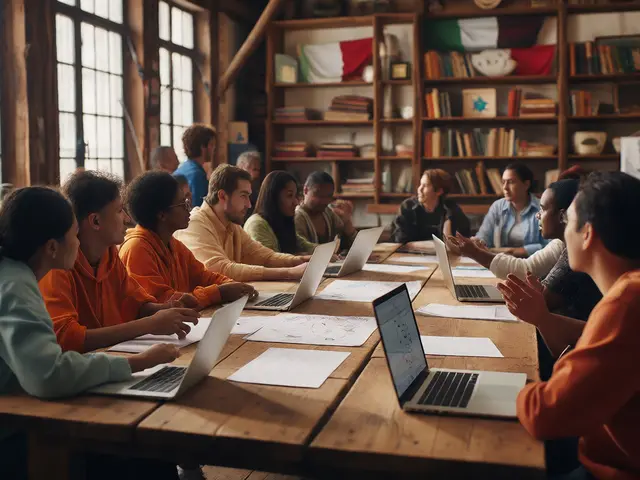
The Affiliations Committee (AffCom) isn’t a board of directors. It doesn’t write articles or edit pages. Instead, it’s the gatekeeper and guide for all officially recognized Wikimedia affiliates-groups like Wikimedia Deutschland, Wikimedia Argentina, or the Wiki Education Foundation. These affiliates aren’t part of the Foundation itself, but they’re officially connected. They run events, organize edit-a-thons, train new editors, and sometimes even lobby governments on open knowledge issues.
AffCom reviews applications from new groups wanting to become affiliates. It monitors existing ones for compliance with Wikimedia’s values. It allocates small grants-usually under $20,000-to help them run projects. And it acts as a bridge between these local groups and the central Wikimedia Foundation. Without AffCom, many of these groups wouldn’t exist. Or worse, they’d operate without oversight, risking damage to Wikipedia’s reputation.
What Changed in Late 2025
The 2025 overhaul wasn’t random. The Wikimedia Foundation had been under pressure for years: volunteers complained of slow responses, inconsistent decisions, and a lack of transparency. In 2024, an internal review found that 68% of affiliate leaders felt AffCom’s decisions were unpredictable. Some chapters had waited over a year for a simple grant approval.
The new committee, announced in November 2025, had three major changes:
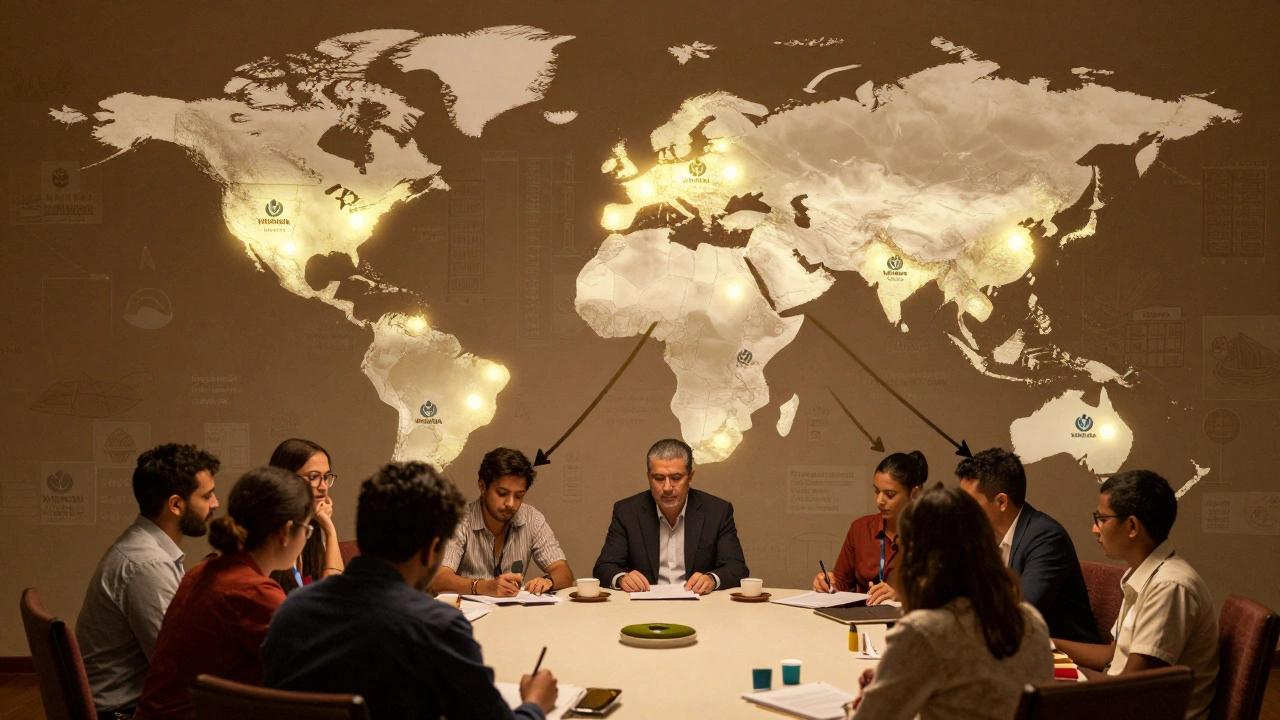
- More regional representation: Out of 12 members, 8 now come from the Global South-up from 3 in the previous term. This included new members from Nigeria, Indonesia, Colombia, and Nepal.
- Rotating chair: Instead of one long-term chair, leadership now rotates every six months among members from different regions. The goal? To avoid centralized decision-making.
- Public decision logs: All meeting summaries, voting records, and rationale for decisions are now published in plain language on Meta-Wiki within 48 hours.
These changes didn’t come from a boardroom memo. They came from a year-long consultation process that included 1,427 responses from affiliate leaders, volunteers, and even inactive members who hadn’t logged in in years.
Immediate Impact on Volunteer Groups
Within three months of the changes, results started showing up in the field.
In Kenya, the Wikimedia User Group had been stuck in limbo for 14 months trying to get official status. Their application was approved within 11 days of the new committee taking over. The reason? A new member from East Africa personally reviewed it and pushed it through.
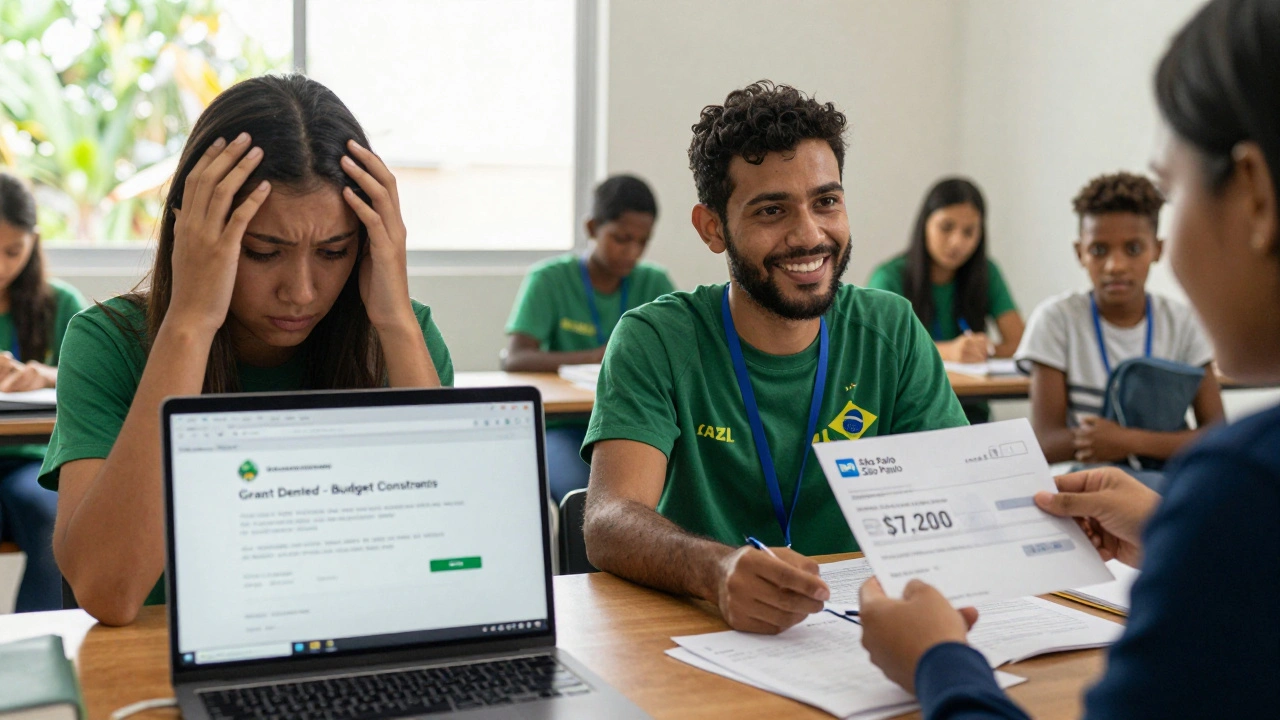
In Brazil, a small group of university students had applied for a grant to host a series of Wikipedia editing workshops in public libraries. Their original request for $8,500 was cut to $3,000 under the old system-citing "budget constraints." Under the new committee, the same request was approved for $7,200. Why? The committee member assigned to Latin America had been a volunteer editor in São Paulo just two years earlier. She knew exactly what those workshops could achieve.
Even the tone of communication changed. Instead of cold, templated emails, volunteers started receiving personalized messages. "I see you’ve been organizing edit-a-thons since 2021," one reply read. "Let’s talk about how we can support your next project." That kind of recognition matters. It makes people feel seen.
Challenges and Pushback
Not everyone cheered. Some long-time members of the old committee resigned, calling the changes "too radical." One former chair told a reporter, "You can’t run a global movement like a startup."
There were also growing pains. The new system, with its rotating chairs and open logs, created confusion. Some affiliates didn’t know who to contact. A few grant applications got lost in the transition. In January 2026, the Wikimedia Foundation published a post-mortem that admitted: "We underestimated how much training volunteers would need to adapt to the new structure."
But the Foundation didn’t hide it. They responded by launching a new onboarding portal for affiliates-complete with video tutorials, Q&A sessions with committee members, and a searchable archive of past decisions. Within two weeks, 89% of active affiliates had completed the training.
Why This Matters for Wikipedia’s Future
Wikipedia’s strength has always been its people-not its servers, not its code, but the thousands of unpaid volunteers who show up every day to fix typos, add citations, and defend articles from vandalism. Affiliates are the glue that holds this global network together.
Before 2025, many affiliates felt like second-class citizens. They did the work, but they didn’t get a real voice in how resources were distributed. Now, the committee reflects the diversity of the communities it serves. A volunteer in rural Pakistan can now see someone on the committee who speaks Urdu, understands local internet restrictions, and has personally experienced the barriers to contributing in low-bandwidth areas.
This shift isn’t just about fairness. It’s about survival. As Wikipedia faces declining editor numbers in Europe and North America, its future depends on growth in Africa, Asia, and Latin America. And those regions won’t grow if their volunteers feel ignored.
What’s Next?
The Affiliations Committee’s next challenge? Measuring impact. Right now, they track things like "number of grants approved" or "applications processed." But the real metric is this: Are more people editing Wikipedia because of these affiliates? Are more languages being supported? Are more underrepresented topics getting coverage?
The committee is now working with independent researchers to build a new evaluation system. Early data from pilot regions shows a 37% increase in new editors from affiliate-supported events in 2026 compared to 2024. That’s not just a win for the committee-it’s a win for the entire encyclopedia.
Change is never easy. But when the people who build something are finally given a seat at the table, that’s when real progress happens. For Wikipedia, that moment arrived in 2025-and the edits are still being made.
What is the Affiliations Committee and why does it matter?
The Affiliations Committee (AffCom) is the body within the Wikimedia Foundation that reviews, approves, and supports official Wikimedia affiliates-like regional chapters and user groups. These affiliates organize edit-a-thons, train new editors, and promote free knowledge locally. Without AffCom, many of these groups wouldn’t have funding, legal status, or a direct line to the Foundation. It’s the bridge between global policy and local action.
What were the major changes to the Affiliations Committee in 2025?
The 2025 overhaul introduced three key changes: (1) Eight of the 12 committee members now come from the Global South, up from three; (2) Leadership rotates every six months among members from different regions to prevent centralized control; and (3) All decisions, including rationales and voting records, are published publicly on Meta-Wiki within 48 hours. These changes followed a year-long consultation with over 1,400 volunteers.
How have these changes affected volunteers on the ground?
Volunteers report faster decisions, more personalized support, and greater trust. For example, a Kenyan user group got approved for official status in 11 days-down from a 14-month wait. A Brazilian student group received 240% more funding than before. Communication improved too: instead of generic replies, volunteers now get tailored feedback from committee members who understand their local context.
Did the changes cause any problems?
Yes. Some long-time committee members resigned, calling the changes too disruptive. There was also confusion early on-affiliates didn’t know who to contact, and some applications slipped through the cracks. The Wikimedia Foundation responded by launching a free onboarding portal with tutorials and live Q&As. Within two weeks, 89% of active affiliates completed the training, helping smooth the transition.
What’s the long-term goal of these changes?
The goal is to make Wikipedia sustainable by empowering communities in the Global South, where editor numbers are growing. The old system favored Western volunteers. The new structure ensures that people from underrepresented regions have real influence over funding and policy. Early data shows a 37% increase in new editors from affiliate-led events in 2026, suggesting the changes are helping Wikipedia grow where it needs to most.