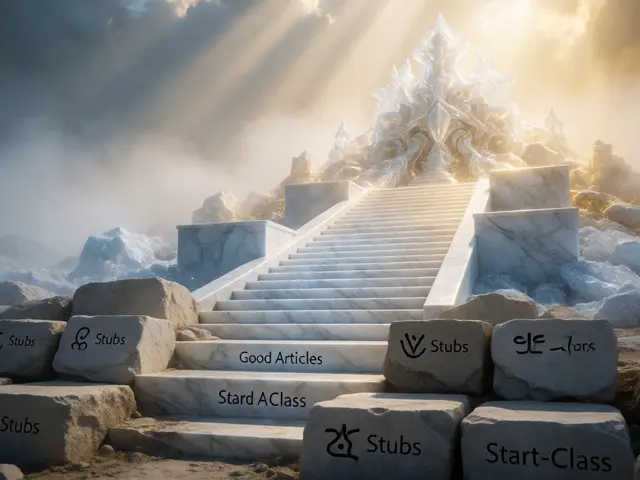
Writing about art on Wikipedia is a different beast than writing for a local newspaper or an online magazine. You aren't trying to sell tickets or hype up a gallery opening. Instead, you are building a permanent record that needs to survive the test of time and the scrutiny of thousands of anonymous editors. The core challenge? Proving that a niche music band, a regional theater group, or an emerging artist actually matters enough to deserve their own page.
This isn't just about adding names to a list. It's about navigating a complex ecosystem where "notability" is the gatekeeper. If you get this wrong, your article gets deleted. If you get it right, you contribute to the global archive of human creativity. Here is how to approach arts and culture journalism within the unique constraints of the world's largest encyclopedia.
Understanding the Notability Threshold
The first hurdle in arts journalism on Wikipedia is establishing notability. In traditional media, if a critic writes about you, you're notable. On Wikipedia, being written about by one source isn't enough. You need independent, reliable secondary sources that discuss the subject in depth, not just mention them in passing.
For creative communities, this often means looking beyond the obvious press releases. A band might have a million streams, but do they have profiles in major music publications like Rolling Stone or The Guardian? An indie film director might win a small festival award, but is there critical analysis in established film journals? The key phrase here is "independent." Sources controlled by the artist themselves, such as their personal blog or official website, rarely count as evidence of notability unless they are used to verify basic facts like birth dates or discographies.
- General Notability: Significant coverage in multiple independent, reliable sources.
- Specific Criteria: Certain fields have specific guidelines (e.g., winning a major prize, being part of a notable group).
- Consensus: Notability is determined by editor consensus, which can shift over time as the subject gains more recognition.
Navigating Editorial Policies and Sourcing
Once you've confirmed notability, the next step is adhering to Wikipedia's editorial policies. The most famous of these is Neutral Point of View (NPOV). This doesn't mean being boring; it means representing all significant views fairly, with due weight. If a controversial artist has both rave reviews and harsh critiques, your article must reflect that balance without injecting your own opinion.
Sourcing is where many new contributors stumble. Reliable sources for arts topics typically include academic journals, major newspapers, reputable trade publications, and books published by credible houses. Be cautious with web-only sources. While some digital-native outlets are now considered reliable, others remain under constant debate among editors. Always check the talk pages of similar articles to see what sources other editors accept.
Another critical policy is Verifiability. Every fact, claim, or quote must be backed by a citation. In arts journalism, this often involves citing specific reviews, interviews, or critical essays. Avoid using vague phrases like "critics generally agree" without linking to those specific critics. Precision builds trust with the reader and protects the article from deletion.
Covering Emerging Artists and Niche Scenes
One of the trickiest aspects of covering creative communities is dealing with artists who are still emerging. They may not yet have the massive mainstream coverage required for general notability. However, Wikipedia has specific criteria for certain fields. For example, musicians who have released a full-length album through a national distributor or won a significant regional award may qualify even if they lack widespread fame.
For visual artists, inclusion in major museum collections or participation in prestigious biennials can serve as strong indicators of notability. Theater directors might qualify if they have helmed productions at recognized professional theaters. The goal is to find objective milestones that signal the subject has crossed from hobbyist to professional standing in their field.
If an artist seems borderline, consider merging their story into a broader article about their scene, movement, or label until they accumulate enough individual coverage. This prevents premature deletion while still documenting their contribution to the culture.
Avoiding Common Pitfalls in Cultural Writing
New writers often fall into traps that lead to friction with experienced editors. One common mistake is original research. Don't interpret the meaning of a song lyric or analyze the symbolism in a painting based on your own thoughts. Cite a critic or scholar who has done that work. Your job is to report what experts say, not to become the expert yourself.
Another pitfall is promotional tone. Articles that read like fan pages or marketing brochures are prime candidates for deletion. Keep the language dry and factual. Instead of saying "the groundbreaking, soul-stirring performance," write "the performance received positive reviews for its innovative staging." Let the facts speak for the quality.
Finally, watch out for bias in representation. Arts communities can be insular. Ensure you are including perspectives from outside the immediate circle of the subject. If a local jazz club is the focus, don't just cite the owner's newsletter. Look for coverage in city guides, radio archives, or regional cultural magazines.
Building Consensus in the Editing Community
Wikipedia is a collaborative effort, and editorial consensus is king. When you create an article, expect pushback. Some editors may question the notability, while others might nitpick the formatting. This isn't personal; it's quality control.
Engage constructively on the talk page. Provide additional sources if asked. Be open to suggestions for restructuring or renaming the article. Building relationships with regulars in the arts community helps you understand the unwritten norms. Many experienced editors specialize in specific genres, such as classical music or contemporary art, and their feedback is invaluable.
If an article is nominated for deletion, don't panic. Read the arguments carefully. Often, the solution is simple: add two or three high-quality references that clearly demonstrate independent coverage. Sometimes, though, the consensus will be that the subject isn't ready yet. Accepting this gracefully keeps your reputation intact for future contributions.

Practical Tools for Research and Verification
Effective arts journalism on Wikipedia requires diligent research. Use library databases to find academic articles that might not be easily accessible online. Check the Internet Archive for older print publications that have been digitized. For music, platforms like AllMusic or Discogs can provide standardized data and links to reviews.
Keep a spreadsheet of potential sources for each topic. Note the publication date, author, and URL. This makes it easy to cite quickly during editing sessions. Also, use the "Cite" templates provided by Wikipedia to ensure your references are formatted correctly. Consistent formatting reduces friction and makes it easier for other editors to verify your work.
| Source Type | Reliability Level | Best Used For |
|---|---|---|
| Major Newspapers | High | Notability, Critical Reviews |
| Academic Journals | Very High | Historical Context, Analysis |
| Official Websites | Low | Basic Facts (Discography, Dates) |
| Blogs/Fan Sites | Variable | Rarely, only if highly specialized |
Frequently Asked Questions
How many sources do I need to prove notability?
There is no fixed number, but generally, two to three substantial, independent, reliable sources are sufficient. The quality of the sources matters more than the quantity. One deep profile in a major publication is better than five brief mentions in minor blogs.
Can I use my own blog posts as sources?
Usually, no. Self-published sources are rarely considered reliable unless the author is an established expert on the subject. Even then, they should be used sparingly and primarily for direct quotes or unique insights not found elsewhere.
What happens if my article is deleted?
If deleted for lack of notability, you can recreate it later once you have gathered more reliable sources. If deleted for poor structure, fix the issues before recreating. Check the deletion log to understand the specific reason for removal.
How do I handle controversial artistic opinions?
Attribute the opinion to the critic. Write "Critic X argued..." rather than stating the opinion as fact. Balance extreme views with moderate ones if possible. The goal is to show the range of critical reception, not to endorse any single viewpoint.
Is it okay to cover very recent events?
Yes, but be cautious. Recent events may not have settled critical consensus. Wait for a few weeks or months after a release or premiere to allow for deeper analysis. Immediate coverage often lacks the depth needed for a stable encyclopedia entry.