Ever stared at a Wikipedia article about a controversial politician or a niche band and thought, "This feels off?" You aren't imagining it. Bias is the systematic deviation from neutrality in editorial content, often stemming from personal opinion, advocacy, or lack of reliable sources. On Wikipedia, the goal is strict adherence to Neutral Point of View (NPOV), a core policy that requires articles to represent all significant viewpoints fairly without taking sides. But with millions of editors, some push their agendas through subtle wording, cherry-picked facts, or aggressive editing. If you've ever felt frustrated by a one-sided article, here is how to spot the red flags and fix them without starting a war.
The Anatomy of Bias: What to Look For
Identifying bias isn't about finding errors; it's about detecting tone. A biased editor rarely writes "John Smith is a bad leader." Instead, they write "John Smith struggled significantly with leadership decisions during his tenure." That word "struggled" carries weight. To catch this, you need to look for three specific markers: loaded language, selective omission, and uncited claims.
- Loaded Language: Watch for adjectives and verbs that imply judgment. Words like "controversial," "notorious," or "regrettably" signal an editorial stance. Compare this to neutral terms like "debated" or "criticized."
- Selective Omission: Does the article mention every major criticism of a figure, or only the positive ones? Conversely, does it list every minor scandal while ignoring decades of successful work? Balance is key. If one side gets 90% of the space, the article is likely skewed.
- Citation Gaps: This is the biggest giveaway. Major claims without citations are prime targets for bias. An editor might insert a negative fact without a source, hoping no one notices. If you see a strong claim followed by no reference, flag it immediately.
Why Editors Get Biased (And Why It Matters)
Most editors don't wake up trying to corrupt the encyclopedia. Bias usually creeps in because people care deeply about their topics. A fan of a sports team might unconsciously emphasize their favorite player's stats while downplaying injuries. A historian might overvalue primary sources from their own era. This is called Confirmation Bias, where we subconsciously favor information that confirms our existing beliefs.
The problem escalates when these small biases collide. This leads to Edit Wars, a cycle where two or more editors repeatedly revert each other's changes to impose their version of the truth. These wars stall progress, confuse readers, and can lead to administrative intervention. Understanding that most bias is unintentional helps you approach corrections with diplomacy rather than hostility.
Step-by-Step: How to Correct Biased Content
Fixing bias is a process, not a single action. Rushing in can trigger defensive reverts. Follow this workflow to ensure your edits stick.
- Check the Talk Page First: Before editing, read the article's talk page. Is there already a dispute? If so, join the conversation there. If not, start a new section titled "NPOV Discussion" or "Bias Concerns." State your case calmly, citing specific sentences and linking to relevant policies.
- Find Reliable Sources: NPOV requires consensus based on reliable sources, not personal opinion. Find independent, reputable outlets (news agencies, academic journals, books) that support a balanced view. If you want to add a counter-point, have a solid citation ready.
- Make Minimal Edits: Don't rewrite the whole paragraph if only one sentence is biased. Change the word "disastrous" to "poorly received" and add a citation. Small, precise edits are harder to revert and easier for others to accept.
- Use Neutral Wording: Rewrite your contribution to be as dry and factual as possible. Avoid emotional triggers. Let the facts speak. For example, instead of saying "The company was criticized for being unethical," say "The company faced regulatory scrutiny regarding its labor practices [Citation]."

Navigating Disputes: When Words Aren't Enough
Sometimes, even perfect sourcing doesn't stop a revert. The other editor might believe their source is better or simply disagree with the interpretation. This is where Consensus Building comes into play. Wikipedia runs on consensus, not majority rule. You don't need everyone to agree; you need enough editors to agree that the current state is problematic.
If direct negotiation fails, escalate carefully. Tag the article with templates like {{Dispute}} or {{NPOV}} to alert the community. You can also request a review at the Wikipedia:Requests for Comment (RFC) page, where neutral third parties can weigh in. Avoid calling out individuals publicly unless necessary; focus on the text, not the person. Personal attacks derail discussions and make resolution harder.
Preventing Future Bias: Best Practices for Editors
If you edit regularly, building habits now saves headaches later. Here are practical tips to keep your contributions neutral:
- Read Your Own Work Aloud: It sounds silly, but hearing your words reveals emotional undertones you missed while reading silently.
- Wait 24 Hours: After making a significant edit, step away. Come back the next day with fresh eyes. You'll often realize you overcorrected or introduced new bias.
- Diversify Your Sources: If you're writing about a political topic, check sources from different ideological spectrums. If both sides cite similar facts, use those. If they contradict, present both views clearly.
- Assume Good Faith: Assume the last editor tried their best. They might just be missing a source or unaware of the NPOV policy. A friendly note on their user page often resolves issues faster than a public debate.
Common Pitfalls to Avoid
Even well-meaning editors make mistakes. Watch out for these traps:
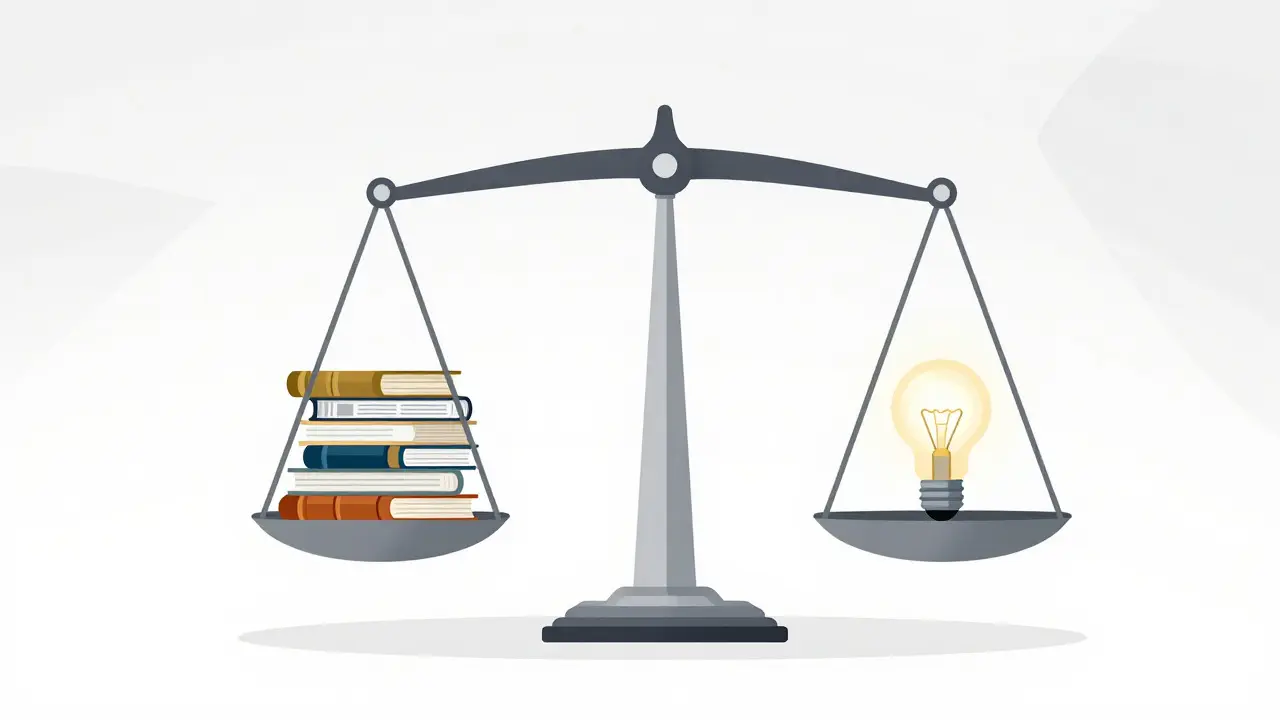
- Over-Correction: Trying to balance a heavily biased article by adding too much counter-evidence can create a new imbalance. Aim for proportionality, not symmetry. If a topic has 10 major criticisms and 2 minor ones, reflect that ratio.
- Ignoring Context: A fact might be true but misleading without context. Always ensure surrounding text provides the necessary background.
- Reliable Source Misuse: Not all sources are equal. A blog post by an expert is less reliable than a peer-reviewed study. Check Wikipedia's guidelines on Reliable Sources before citing anything unusual.
| Aspect | Biased Example | Neutral (NPOV) Example |
|---|---|---|
| Tone | "The CEO made a shocking blunder." | "The CEO announced a strategic shift that was met with mixed reactions." |
| Sourcing | Claims supported only by partisan blogs. | Claims supported by mainstream news agencies and academic papers. |
| Structure | Positive points listed first, negatives buried at the end. | Points ordered chronologically or by significance, not sentiment. |
| Vocabulary | Uses emotive words like "scandal," "hero," "failure." | Uses descriptive words like "investigation," "advocate," "outcome." |
Frequently Asked Questions
How do I know if a source is reliable for Wikipedia?
A reliable source is generally considered independent, published by experts in the field, and subject to editorial oversight. Mainstream newspapers, academic journals, and established books are safe bets. Blogs, press releases, and self-published works require caution and often need corroboration from other reliable sources.
What should I do if my edit is reverted immediately?
Do not revert right back. This starts an edit war. Instead, leave a polite message on the talk page explaining your reasoning and providing citations. Wait for a response. If no reply comes after a few days, consider asking for help at a noticeboard like Wikipedia:Requests for Comment.
Is it okay to use my own experience as a source?
Generally, no. Wikipedia relies on external, verifiable sources. Your personal experience is anecdotal and hard to verify for other readers. Use it only if the topic is specifically about you (autobiography) or if you are documenting a unique event that no one else covered, but even then, find secondary coverage if possible.
How long does it take to resolve a content dispute?
It varies widely. Simple wording fixes might take a day or two. Complex debates involving multiple editors and conflicting sources can take weeks or months. Patience is crucial. Most disputes resolve once a clear, well-sourced compromise is proposed.
What is the difference between bias and POV?
Point of View (POV) refers to the perspective from which a fact is presented. Bias occurs when one POV is favored unfairly or when facts are distorted to fit a narrative. Wikipedia allows multiple POVs to be represented, but only if they are given fair weight based on their significance in the real world.