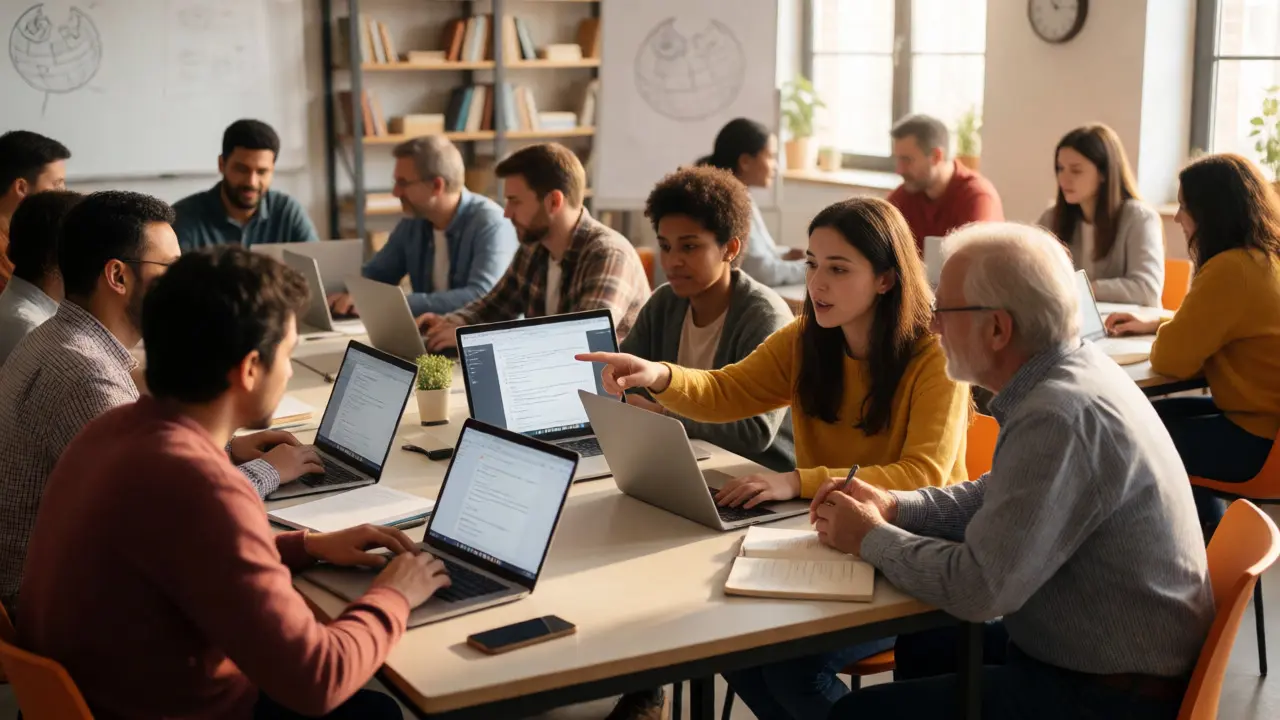
You might assume that Wikipedia is written by a small army of paid professionals in a Silicon Valley office. The reality is far messier and more fascinating. It’s built by millions of unpaid volunteers, ranging from retired professors to teenagers with too much free time. But who are these people, really? Are they mostly men? Are they young tech-savvy users or older academics? And why do some topics get thousands of edits while others sit neglected for years?
The answer lies in the unique structure of its volunteer community. Unlike traditional journalism, where editors assign stories to reporters, Wikipedia relies on self-selection. You edit what you care about, when you have time. This creates massive gaps in coverage based on who has the leisure time and internet access to contribute. Understanding this demographic landscape isn’t just trivia; it explains why you can find detailed articles on obscure video game lore but struggle to find comprehensive entries on rural healthcare in Southeast Asia.
The Myth of the Neutral Observer
We often think of encyclopedias as neutral repositories of facts. But neutrality is hard to maintain when your contributors share similar backgrounds. Historically, the core group of active Wikipedia editors has skewed heavily toward English-speaking, male, and highly educated individuals. A 2011 study by the Wikimedia Foundation suggested that less than 15% of contributors were women. While efforts to close this gap have improved numbers slightly, the structural bias remains.
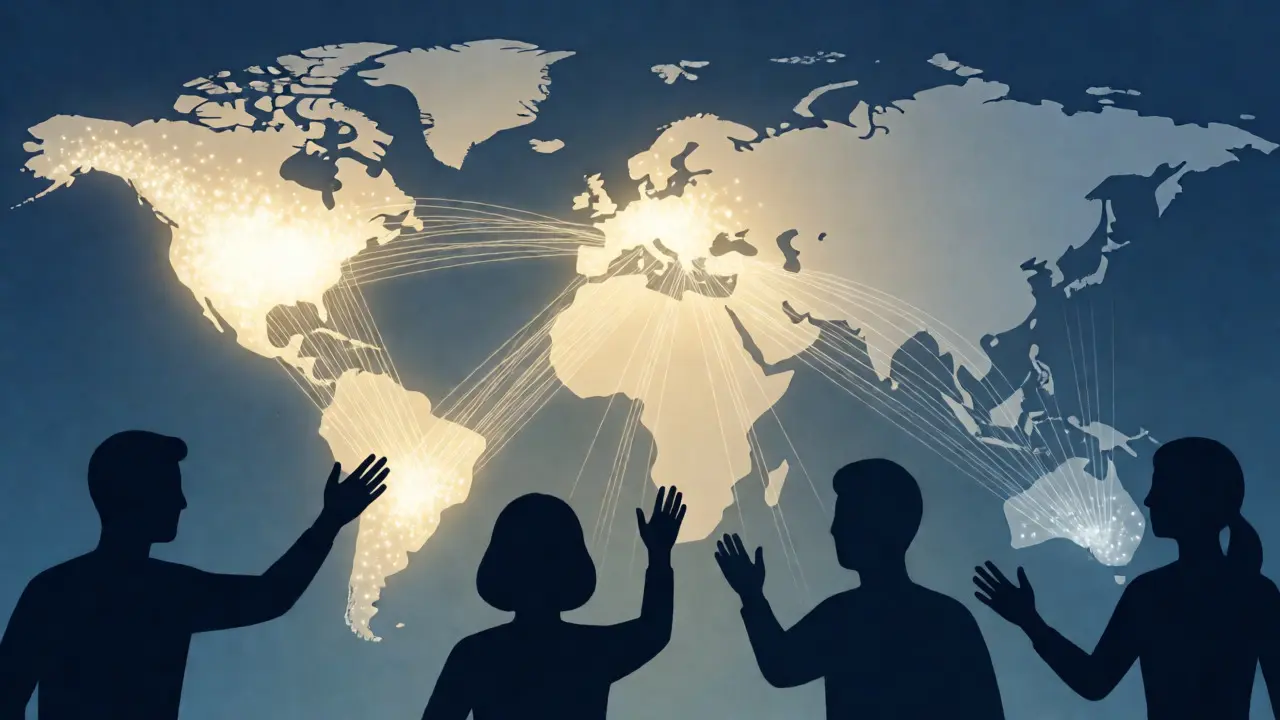
Why does this matter? Because representation drives content. If most editors are men interested in technology and history, those topics flourish. Topics like feminist literature, childcare, or specific cultural traditions in non-Western countries often suffer from "stub" status-short, poorly sourced paragraphs that haven’t been touched in months. This isn’t malice; it’s a lack of hands on deck. The digital divide plays a huge role here. In many parts of the Global South, reliable high-speed internet is still a luxury, limiting the pool of potential editors.
Who Is Actually Editing?
Let’s break down the typical profile of an active contributor. Most aren’t full-time writers. They are hobbyists. Some are subject matter experts-a doctor correcting a medical entry, a lawyer clarifying a legal precedent. Others are enthusiasts who love categorizing data. There’s a surprising number of students using Wikipedia as a starting point for research, then fixing errors they spot along the way.
A key distinction exists between "readers" and "editors." Out of billions of monthly visits, only a tiny fraction ever hit the "Edit" button. Of those who do, even fewer become regulars. The Wikimedia Foundation
| Attribute | Common Profile | Impact on Content |
|---|---|---|
| Gender | Historically ~85-90% Male | Underrepresentation of gender-related topics |
| Age | Broad range, but strong presence of 20-40s | Tech and pop culture updates are rapid |
| Education | High proportion of university-educated | Strong sourcing standards, academic tone |
| Location | Heavily concentrated in North America & Europe | Western-centric perspective on global issues |
The Role of Anonymous Users
Not all editing comes from registered accounts with friendly usernames. A significant portion of contributions come from anonymous IP addresses. These users often make quick fixes: correcting a typo, updating a date, or adding a link. For controversial topics, however, anonymous edits are scrutinized more closely. Registered users build a reputation over time. If you see a change made by "User123," other editors might check their talk page to see if they’ve been involved in previous disputes.
This anonymity allows for spontaneity but also invites vandalism. It’s a trade-off. The system relies on Recent Changes patrollers-volunteers who monitor live edits-to catch bad faith additions. Think of them as the immune system of the encyclopedia. Without this layer of human moderation, automated bots alone couldn’t distinguish between a well-intentioned mistake and deliberate sabotage.
Specialized Communities Within the Wiki
It’s not one monolithic crowd. Different projects attract different types of people. The Wiktionary community, for example, attracts linguists and language learners. Wikidata, which stores structured data for all Wikimedia projects, draws in coders and data scientists who enjoy organizing information into machine-readable formats.
Then there are the niche groups. You’ll find passionate communities around railway stations, military history, or specific anime series. These groups develop their own internal cultures, jargon, and rules. A newcomer trying to edit a article about a medieval battle might be welcomed by historians who demand primary sources. Meanwhile, a user trying to update a celebrity’s birthdate might face less rigorous scrutiny. This fragmentation means the "quality" of Wikipedia varies wildly depending on which corner of the site you’re visiting.
Barriers to Entry and Retention
Why don’t more people join? The learning curve is steep. Wikipedia’s markup language (wikitext) feels outdated compared to modern word processors. Navigating the complex policies on "notability" and "neutral point of view" can be intimidating. Many new users try once, get reverted (their edit undone), feel discouraged by a terse message from a veteran editor, and never return.
Efforts to simplify the interface, like the Visual Editor, have helped lower these barriers. However, the social aspect remains tricky. Online collaboration requires thick skin. Disagreements over wording or sourcing can turn heated quickly. Successful long-term editors learn to navigate these conflicts without taking them personally. They understand that consensus-building is part of the job description.

How Demographics Shape What We Know
The composition of the editor base directly influences the breadth of knowledge available. When the Global South lacks local editors, their histories are often filtered through Western lenses. Initiatives like "WikiGap" aim to correct this by hosting edit-a-thons focused on underrepresented topics and regions. These events bring together diverse groups of people, teaching them how to edit while simultaneously filling content gaps.
Diversity isn’t just a buzzword here; it’s a quality metric. An article on Indian cinema edited solely by people who’ve never seen an Indian film will likely miss nuances that a local enthusiast would catch immediately. As the platform matures, the focus shifts from simply growing the number of articles to improving the diversity of voices contributing to them.
The Future of the Volunteer Model
Will AI replace these volunteers? Probably not entirely. Tools like ORES (Objective Revision Evaluation Service) already help flag potentially damaging edits, but they lack human judgment. Deciding whether a source is credible or if a statement is truly neutral requires contextual understanding that algorithms still struggle with.
The future likely holds a hybrid model. Humans will continue to provide the creative synthesis and ethical oversight, while machines handle repetitive tasks like formatting links or checking citation dates. The challenge for the next decade is retaining experienced editors while attracting younger, more diverse generations who consume media differently. If Wikipedia wants to remain the world’s largest reference work, it must reflect the world’s population, not just a subset of it.
Are Wikipedia editors paid?
No, the vast majority of Wikipedia editors are volunteers who contribute their time and expertise for free. The Wikimedia Foundation employs staff to support the software and infrastructure, but the actual writing and editing of articles are done by unpaid community members.
Can anyone edit Wikipedia?
Yes, generally speaking, anyone with an internet connection can create an account and start editing. However, certain protected pages may require autoconfirmed status (a user account that has existed for four days and made ten edits) to prevent vandalism during contentious periods.
Why is there a gender gap among Wikipedia editors?
Studies suggest the gap stems from a combination of factors, including historical disparities in internet access, differences in leisure time availability, and the nature of online harassment that disproportionately affects women. Additionally, the technical barrier to entry and the confrontational style of some early editing communities deterred female participation.
How do I know if an edit was made by a bot?
Bot edits are usually marked with a 'bot' flag in the Recent Changes list. Bots perform repetitive tasks like fixing broken links, adding interwiki links, or updating statistics. They follow strict rules and rarely engage in discussion, unlike human editors.
Do Wikipedia editors have credentials?
Credentials vary widely. Some editors are PhD holders or industry experts, while others are enthusiastic amateurs. Wikipedia values verifiable sources over personal authority. An editor doesn't need a degree to add a fact, but they do need to cite a reliable published source that supports that fact.