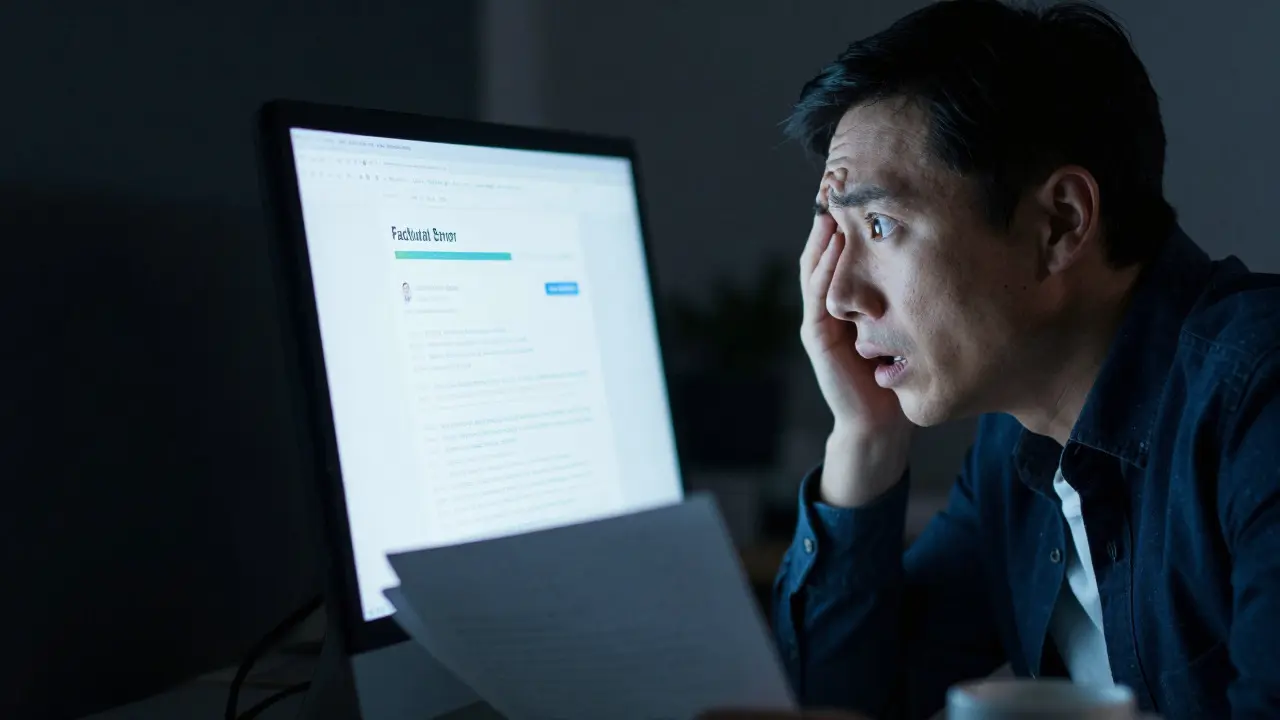
Imagine waking up to find a major error on your company's Wikipedia page. Maybe it lists the wrong founding year, or worse, includes an unverified claim that damages your credibility. For many organizations, this isn't just a minor inconvenience; it’s a reputational threat. Wikipedia is often the first place consumers, investors, and journalists look for facts about a business. When those facts are wrong, the damage can spread faster than you can fix it.
The good news? You don’t need to be a tech wizard to handle this. With the right PR response, you can turn a potential crisis into a demonstration of transparency and accuracy. This article breaks down real-world scenarios where companies successfully corrected Wikipedia misreporting. We’ll look at what they did, why it worked, and how you can apply these strategies to protect your own digital footprint.
Why Wikipedia Errors Are Dangerous for Brand Reputation
Wikipedia operates on a model of open collaboration. Anyone can edit, which means anyone can make a mistake-or a malicious change. While editors usually self-correct errors quickly, high-profile pages attract more scrutiny. A single incorrect statement can linger if no one notices it immediately. For brands, this creates a trust gap. If a customer finds conflicting information between your official website and Wikipedia, they will likely doubt both.
The risk extends beyond simple typos. Misreporting often involves subtle inaccuracies in financial data, leadership bios, or product claims. These details matter to B2B clients and investors who rely on encyclopedic sources for due diligence. A quick scan of recent corporate scandals shows that many started with small factual errors that were never addressed until they became headlines.
Case Study 1: The Tech Startup That Fixed Its Founding Date
Consider a mid-sized SaaS company that discovered its Wikipedia page listed its founding date as 2015 instead of 2018. This three-year discrepancy made the company seem older and more established than it was. While some might see this as a positive lie, it created legal risks. Investors had signed contracts based on the 2018 incorporation documents. If a dispute arose, the public record would contradict the legal reality.
The PR team didn’t panic. They followed a structured approach:
- Verification: They gathered primary sources-incorporation papers, press releases from 2018, and interviews with founders.
- Drafting: They wrote a neutral, concise edit citing these sources directly.
- Submission: Instead of editing anonymously, they used their official company account to propose the change, adding a note explaining the correction.
Within 48 hours, the edit was accepted. Why? Because they provided irrefutable evidence. The lesson here is clear: emotion doesn’t fix facts. Evidence does.
Case Study 2: Correcting a Misleading Product Claim
A consumer electronics firm found a sentence on its Wikipedia page claiming its latest device had "military-grade durability." This phrase wasn’t in any official spec sheet. It appeared after a blogger’s review was copied verbatim by an editor. The term "military-grade" has specific standards (MIL-STD-810G). Since the device hadn’t been tested to those standards, the claim was technically false and potentially liable for misleading advertising lawsuits.
The company’s communications lead realized that simply deleting the line might trigger a reversion by other editors. So, they took a two-pronged approach:
- Internal Audit: They confirmed with their engineering team that no military testing had occurred.
- External Outreach: They contacted the original blogger, asked them to clarify their wording on their blog, and then cited the updated blog post as a source for the Wikipedia correction.
This method worked because it aligned the source material with the desired outcome. By fixing the upstream source, they made the downstream correction logical and easy for editors to accept. The edit remained stable for over a year without reversion.

Common Mistakes That Worsen Wikipedia Crises
Not all PR responses are successful. Many companies make mistakes that turn a simple correction into a public debate. Here are the most common pitfalls:
| Strategy | Effective Approach | Ineffective Approach |
|---|---|---|
| Sourcing | Cites independent, reliable sources (news articles, academic papers) | Cites only the company’s own press releases or marketing materials |
| Tone | Neutral, factual, objective language | Defensive, promotional, or emotional language |
| Process | Uses talk pages to discuss changes before editing | Makes sudden, large-scale edits without explanation |
| Timing | Addresses errors promptly but calmly | Waits too long, allowing misinformation to solidify |
One major mistake is relying solely on self-published sources. Wikipedia editors prefer independent verification. If you cite only your own website, editors may view the edit as biased. Another error is ignoring the community. Wikipedia is a social platform. Engaging respectfully with editors on the talk page builds goodwill and reduces the chance of your edits being reverted.
Building a Proactive Wikipedia Monitoring System
Waiting for an error to happen is reactive. Successful PR teams monitor their Wikipedia presence proactively. This involves setting up alerts for changes to key pages. Tools like Visual Editor notifications or third-party monitoring services can send email alerts whenever an edit is made to your page.
Once you have monitoring in place, create a standard operating procedure (SOP) for corrections. Your SOP should include:
- A list of approved primary sources (e.g., SEC filings, major news outlets).
- A template for neutral, factual edits.
- A protocol for when to use the talk page versus direct editing.
- Escalation steps for when an edit is repeatedly reverted.
This system ensures that any team member can respond consistently, reducing the risk of human error during stressful moments.

When to Hire a Professional
For minor typos, internal teams can handle corrections. But complex cases-such as disputed historical facts or ongoing editorial wars-may require professional help. Specialized firms focus exclusively on reputation management and understand the nuances of Wikipedia’s governance structure. They know how to navigate consensus-building among editors, which can take weeks if done incorrectly.
Hiring a professional isn’t about admitting defeat; it’s about leveraging expertise. Think of it like hiring a lawyer for a contract dispute. You know the terms, but the lawyer knows the law. Similarly, a reputation expert knows the unwritten rules of Wikipedia editing.
Frequently Asked Questions
Can I edit my own company’s Wikipedia page?
Yes, but you must follow Wikipedia’s guidelines. Use a neutral tone, cite reliable independent sources, and avoid conflicts of interest. Disclose your affiliation if you’re making significant changes. Anonymity is allowed, but transparency is often better received by the community.
How long does it take for a Wikipedia edit to stick?
It depends on the complexity. Simple factual corrections with strong sources can stick within hours or days. Disputed changes may take weeks of discussion on the talk page. If an edit is reverted multiple times, it may be locked, requiring intervention from higher-level administrators.
What counts as a reliable source for Wikipedia?
Reliable sources are typically independent publications with editorial oversight, such as major newspapers, magazines, and academic journals. Company press releases are generally not considered reliable unless corroborated by independent coverage. Government documents and peer-reviewed studies are also acceptable.
Should we use the talk page before editing?
For minor changes, it’s optional. For controversial or significant changes, yes. Discussing your proposed edit on the talk page allows other editors to review your sources and logic beforehand. This reduces the likelihood of immediate reversion and builds community support for your change.
What if our edit keeps getting reverted?
Stop editing immediately to avoid being flagged for edit warring. Move the discussion to the talk page, present your evidence clearly, and seek consensus. If needed, request mediation from experienced editors. Persistent reversion without consensus can lead to temporary locks on the page.