Wikipedia says it’s open to everyone. But if you look at who’s actually editing, you’ll see a clear pattern: most contributors are men, from Western countries, and often have technical backgrounds. That’s not just a numbers problem-it’s a content problem. When the people writing about the world don’t reflect the world, gaps show up. Women’s history gets buried. Indigenous knowledge gets ignored. Local languages get erased. The solution isn’t more rules. It’s more people-different people-with the right support.
Why diversity matters on Wikipedia
Wikipedia is the fifth most visited website in the world. Over 500 million people use it every month. But only about 15% of editors are women, according to the Wikimedia Foundation’s 2023 global survey. That number drops even lower for editors from Africa, Latin America, and Indigenous communities. The result? Articles on topics like African traditional medicine, LGBTQ+ figures in Asia, or Native American languages often lack depth, accuracy, or even exist at all.
It’s not that these topics aren’t important. It’s that the people who know them best aren’t editing. Why? Many new editors feel unwelcoming. They get reverted without explanation. They’re told their sources aren’t "reliable"-even when those sources are community newsletters, oral histories, or local academic journals. The culture of Wikipedia, shaped by decades of dominant norms, can feel like a club that doesn’t want new members.
WikiProject Women in Red
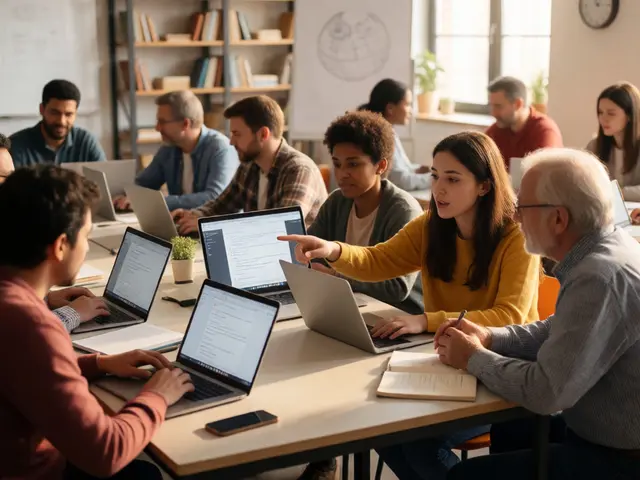
One of the most visible efforts to fix this is WikiProject Women in Red. Started in 2015, this volunteer-driven project focuses on turning red links-missing Wikipedia articles-about women into blue, live pages. They’ve created over 200,000 articles so far. But it’s not just about quantity. The project trains editors to find credible sources beyond mainstream Western media: university archives, feminist blogs, local newspapers from Nigeria or Bangladesh, even oral interviews recorded by community elders.
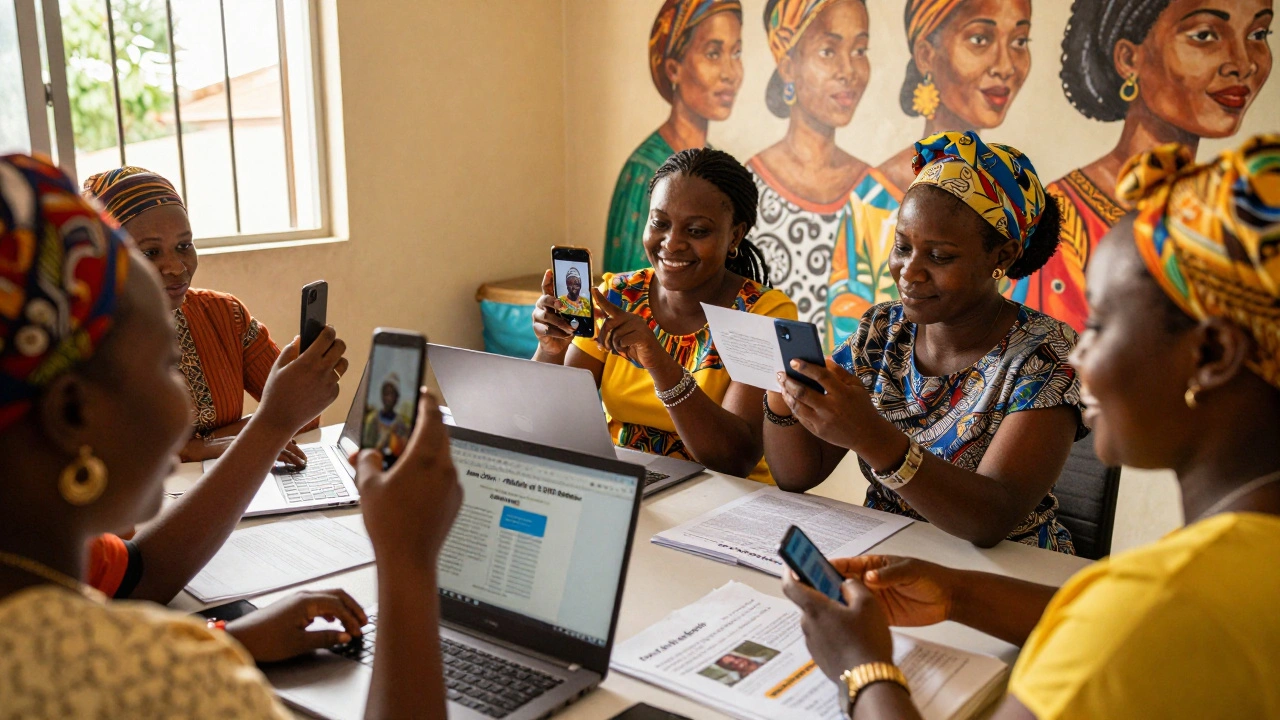
They hold monthly edit-a-thons, both online and in person. At a recent event in Accra, Ghana, participants used mobile phones to photograph local women entrepreneurs and upload images with proper licenses. One editor, Ama Ofori, added a 3,000-word article on a Ghanaian midwife who delivered over 5,000 babies without formal training. Before this, there was no Wikipedia page. Now, students in Kumasi cite it in school projects.
Arab Women Edit-a-Thons
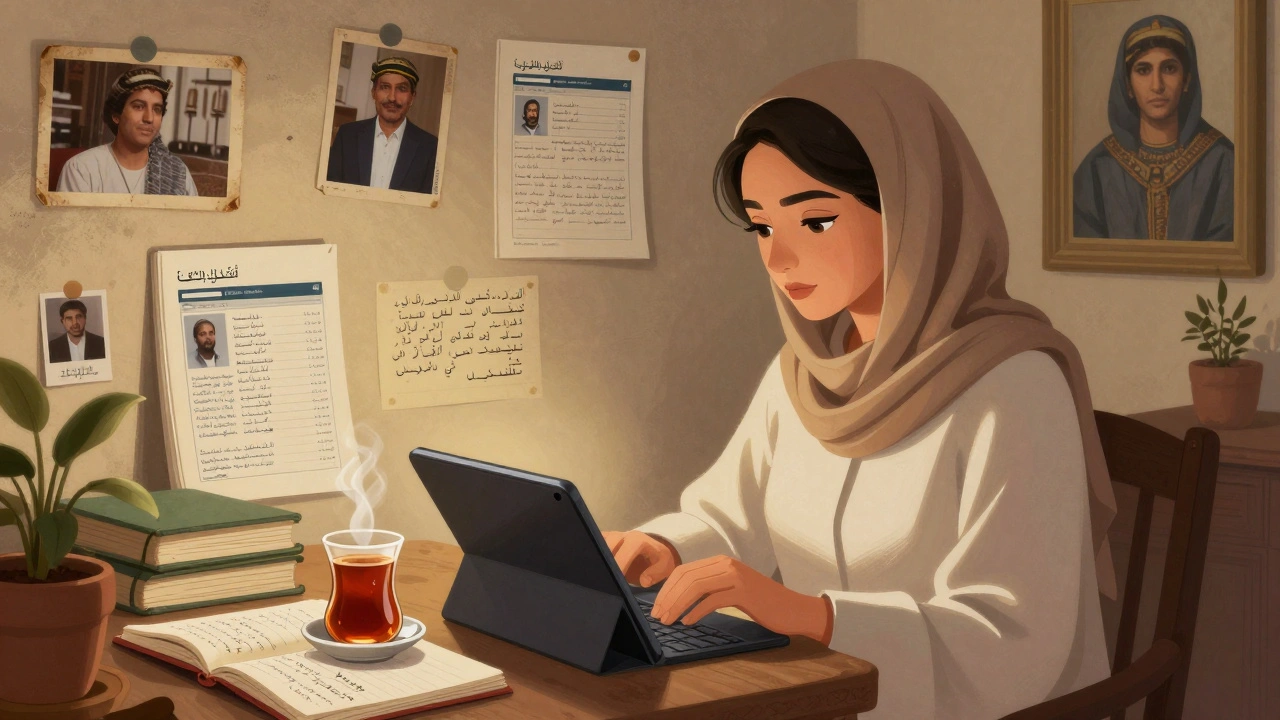
In the Arab world, cultural norms and internet access barriers make editing harder for women. But groups like Arab Women Edit-a-Thons have found ways around it. They meet in libraries, cafes, and even private homes-places where women feel safe. They don’t require prior tech experience. They teach editing in Arabic, using printed guides and video tutorials with subtitles.
One participant, Layla Hassan from Cairo, added articles on Egyptian female poets from the 1920s, using her grandmother’s handwritten notebooks as sources. Wikipedia’s reliability policy initially rejected them. But after Layla connected with a university archivist who verified the documents, the article was approved. It’s now cited in three university syllabi in Lebanon and Jordan.
The key? These groups don’t try to force Wikipedia’s rules onto new editors. They adapt Wikipedia to fit real lives.
Indigenous Knowledge and the WikiProject Indigenous Peoples
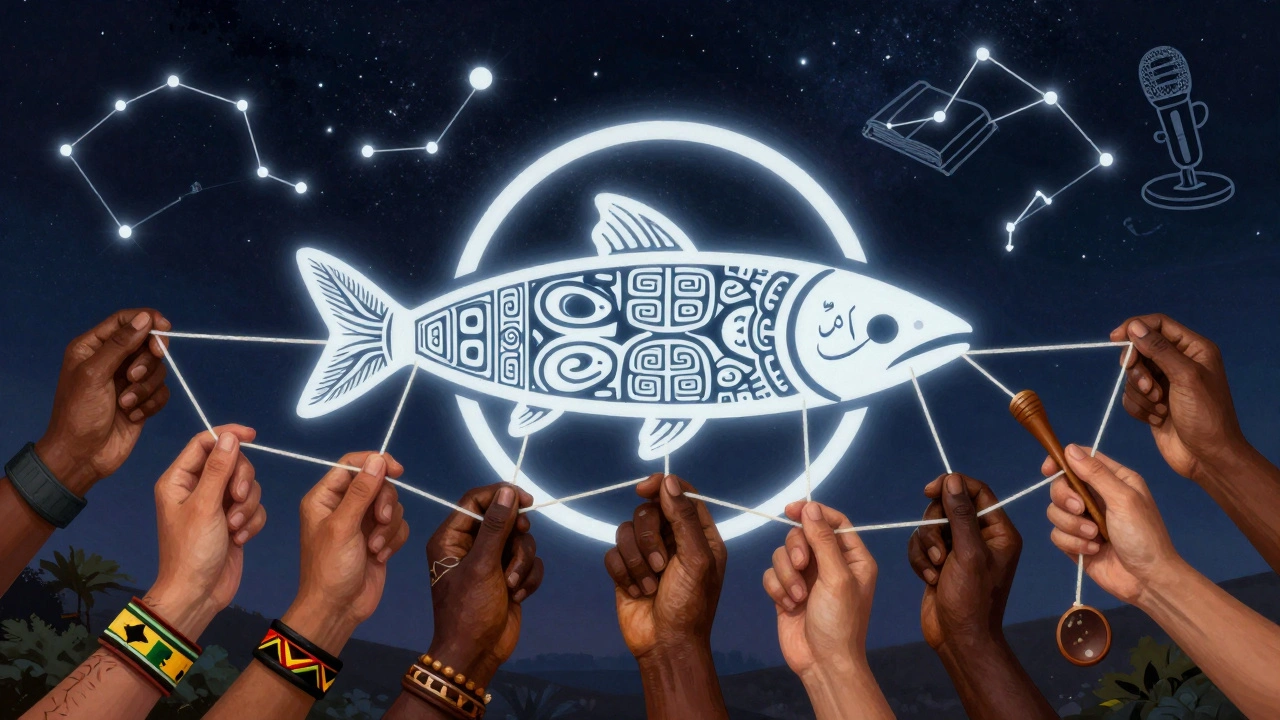
Indigenous communities have long been excluded from Wikipedia-not because they don’t have knowledge, but because their knowledge doesn’t fit the platform’s Western academic standards. That’s changing thanks to WikiProject Indigenous Peoples. Teams from Canada, Australia, and New Zealand now work directly with elders and cultural keepers to document traditions, languages, and land histories.
Instead of requiring peer-reviewed journals, they accept community-approved oral histories, recorded in video or audio format, with consent. They use Wikidata to link place names in native languages to their geographic coordinates. In British Columbia, a Haida elder recorded stories about salmon migration patterns. That data was turned into a structured article, now used by environmental agencies.
This isn’t just about adding content. It’s about changing who gets to define what counts as knowledge.
Wikipedia Education Programs in Latin America
In countries like Colombia, Peru, and Mexico, university professors are bringing Wikipedia editing into classrooms. Students don’t just write essays-they write for the public. One class in Medellín focused on Afro-Colombian musicians. Another in Oaxaca documented traditional textile patterns and their cultural meanings.
Professors don’t grade based on grammar or structure. They grade based on impact: Did the article get viewed? Did someone in a rural village find it useful? Did a local museum link to it? One student’s article on a Zapotec weaving technique received over 10,000 views in its first month. A craft cooperative in Oaxaca started using it to market their products.
These programs don’t just teach editing. They teach civic responsibility.
How these programs work
Successful programs share common traits:
- They meet people where they are. No one expects a grandmother in rural India to learn Markdown. They use WhatsApp groups, voice notes, and printed handouts.
- They trust local sources. Community newsletters, church bulletins, family photos-these aren’t "unreliable." They’re primary sources for people who’ve been left out of mainstream history.
- They train mentors, not just editors. Each new editor is paired with someone who speaks their language, shares their culture, and understands their barriers.
- They celebrate small wins. Adding one photo. Fixing one typo. Writing one paragraph. These aren’t insignificant. They’re the first steps to belonging.
Wikipedia doesn’t need more experts. It needs more storytellers. More mothers. More farmers. More elders. More people who know things that never made it into textbooks.
What you can do
If you’re reading this and you’ve never edited Wikipedia, you’re not alone. And you’re not too late. Start here:
- Find a local edit-a-thon. Search for "Wikipedia edit-a-thon" + your city or country. Many are free and open to beginners.
- Look for a group that matches your background. There are communities for women, LGBTQ+ people, Indigenous folks, and non-English speakers.
- Start small. Add a citation. Fix a broken link. Write a 200-word bio of someone in your family or neighborhood.
- Don’t wait for permission. Your knowledge matters-even if it’s not on a university website.
Wikipedia is only as good as the people who build it. Right now, it’s missing too many voices. But change is already happening-in kitchens, classrooms, and village halls. The next article you read about a forgotten hero? It might have been written by someone who just started yesterday.
Why are so few women editing Wikipedia?
Studies show women often face hostile environments when editing-like being reverted without explanation or accused of "bias" for adding information about women’s achievements. Many also feel they lack the technical skills or time, especially if they’re juggling caregiving or work. Community programs that offer safe spaces, mentorship, and culturally relevant training have helped increase participation significantly.
Can I edit Wikipedia if I don’t have a degree?
Absolutely. Wikipedia doesn’t require academic credentials. What matters is reliable sourcing. If you’re documenting a local tradition, a family photo with a date and location, or a community newsletter can be a valid source. The key is transparency: explain where your information comes from. Many successful articles are written by people without formal education who know their subject best.
What if my language isn’t supported on Wikipedia?
Wikipedia has over 300 language versions. If your language isn’t listed, you can help create it. Groups like the Wikimedia Foundation and local language activists support new language editions with translation tools, training, and funding. Even starting with a few articles in your native language helps preserve culture and gives others access to knowledge they can understand.
How do I know if my sources are acceptable?
Wikipedia’s policy is "verifiable, not true." That means you need sources that others can check-not necessarily academic journals. Books, reputable news sites, official websites, and even published oral histories with consent are valid. Avoid blogs or social media unless they’re from recognized experts. If you’re unsure, ask a mentor or post your source on a talk page. The community will help you improve it.
Do I need to be tech-savvy to edit Wikipedia?
No. The visual editor lets you format text like a word processor. You can add links, images, and citations with clicks, not code. Many new editors start on mobile apps. Community programs often provide step-by-step guides, video walkthroughs, and one-on-one help. You don’t need to know HTML or Markdown to make a meaningful contribution.