Ever tried to read a biography of a famous figure from another country and felt something was off? Maybe the tone was too harsh, or certain achievements were missing entirely. This is where cultural sensitivity in translating biographies becomes critical. When we move text from one language to another, we aren't just swapping words; we are moving context, values, and historical perspectives. If we miss that, the reader gets a distorted version of reality.
On platforms like Wikipedia is a free online encyclopedia with millions of articles in over 300 languages. It serves as a global knowledge hub, but its reliability depends heavily on how well editors handle cross-cultural nuances. A simple mistranslation can turn a respected leader into a controversial figure, or erase significant contributions made by women or minorities. Understanding this process helps us become better readers and more accurate contributors.
Why Cultural Context Matters More Than Words
Language is never neutral. Every word carries weight based on the culture that produced it. In English, the word "independent" often has a positive connotation of self-reliance. However, in some East Asian contexts, excessive independence might be viewed as a lack of communal harmony. If you translate a biography of a Japanese business leader directly into English without adjusting for these cultural undercurrents, you might misrepresent their leadership style.
This issue is known as editorial bias is the tendency of writers to present information in a way that supports a particular viewpoint or ideology. On Wikipedia, this bias often sneaks in through translation. An editor who only reads the source material in their native language might unconsciously filter out details that don't fit their cultural expectations. For example, a biography written in French might emphasize intellectual debates, while an American editor translating it might focus more on commercial success because that's what US readers value. The result is a skewed article that doesn't reflect the subject's full legacy.
The Challenge of Multilingual Reach
Wikipedia’s strength is its multilingual reach is the ability to provide information across multiple language versions to diverse global audiences. But this reach creates a complex web of dependencies. Most non-English articles are translated from English. This means the English version acts as the primary source for many other languages. If the English article has gaps or biases, those errors multiply across dozens of language versions.
Consider the case of indigenous figures. Often, their stories are first documented in colonial languages. When these stories are translated back into local dialects or other major languages, the original oral traditions are lost. The narrative shifts from community-based storytelling to individualistic heroism. This shift changes how the audience perceives the person. They stop being a community pillar and start being a standalone celebrity. This subtle change affects how future generations understand their history.
Common Pitfalls in Biographical Translation
Editors often fall into specific traps when handling biographies. Here are the most common issues:
- Literal Translation Errors: Taking idioms or proverbs literally instead of finding functional equivalents. For instance, saying someone "has a heart of gold" works in English, but a direct translation might sound strange or meaningless in German.
- Omission of Local References: Skipping mentions of local holidays, political events, or social movements that define the subject's life. These references are crucial for understanding motivation.
- Tone Mismatch: Formal languages like Spanish or Arabic use different levels of respect than English. A casual tone in the source might seem disrespectful in the target, or vice versa.
- Gender Bias Amplification: Some languages have gendered nouns. Translators sometimes default to masculine forms for professional titles, erasing the female identity of the subject.
These pitfalls aren't just technical errors; they are cultural erasures. They strip the biography of its soul. To fix this, translators need to act as cultural mediators, not just linguistic converters.
Strategies for Culturally Sensitive Editing
How do we improve this? First, we need to look at the source critically. Don't just ask, "What does this sentence say?" Ask, "Why did the author write it this way?" What cultural assumptions are baked into the phrasing?
Second, use comparative reading. If you're translating a biography from Chinese to English, read similar biographies of Western figures. Notice how the structure differs. Do Chinese biographies spend more time on family lineage? Do Western ones focus more on personal ambition? Acknowledge these differences in your translation notes. Add footnotes if necessary to explain why a certain detail matters in the source culture.
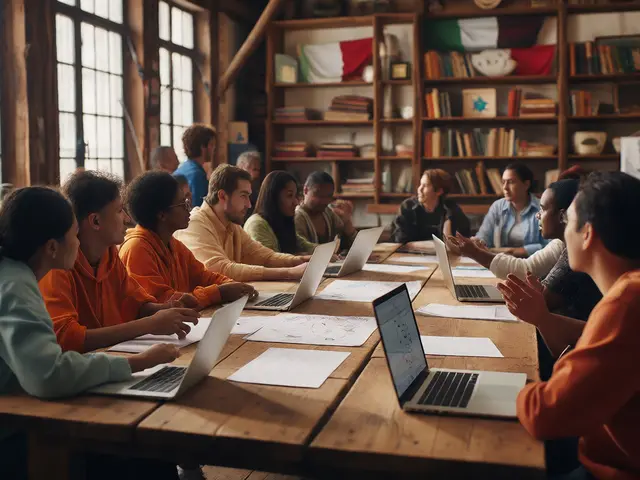
Third, collaborate with native speakers. Wikipedia has user groups dedicated to specific regions. Reach out to them. Ask: "Does this name carry any negative connotations in your region?" Or: "Is this event considered a turning point in your history?" Their insights will catch nuances you might miss.
| Cultural Region | Typical Focus in Biographies | Potential Translation Risk |
|---|---|---|
| Western (US/Europe) | Individual achievement, career milestones | Overemphasizing personal glory, ignoring community role |
| East Asia | Family lineage, social harmony, education | Misinterpreting humility as lack of confidence |
| Africa | Community contribution, oral tradition, spiritual guidance | Losing oral history context in written format |
| Latin America | Political activism, artistic expression, family ties | Understating political risks taken by the subject |
The Role of Readers in Shaping Accuracy
You don't have to be a translator to help. As a reader, you can spot inconsistencies. If an article feels flat or one-sided, check the talk page. See if there are debates about the translation. You can also add citations from local sources. If you know the subject's home culture, link to primary sources in that language. This gives other editors the tools to verify facts and adjust tone.
Also, be mindful of your own biases. We all view the world through our own cultural lens. When editing, pause and ask: "Am I judging this person by my standards, or theirs?" This simple habit reduces editorial bias significantly.
Future Directions for Global Knowledge Sharing
Technology is helping, but it's not enough. Machine learning models are getting better at detecting sentiment and tone, but they still struggle with deep cultural context. Future tools might flag phrases that are culturally sensitive in the target language. Imagine a system that warns you: "This phrase implies arrogance in Japanese culture. Consider rephrasing." That would be a game-changer for consistency.
Meanwhile, human effort remains key. We need more editors who are bilingual and bicultural. Not just fluent in two languages, but deeply embedded in two societies. These individuals bridge the gap between raw data and meaningful narrative. They ensure that a biography is not just factually correct, but emotionally and culturally resonant.
What is the biggest challenge in translating biographies?
The biggest challenge is preserving cultural context while maintaining factual accuracy. Translators must decide which details are essential to the subject's identity and which can be adapted for the target audience without losing meaning.
How does editorial bias affect Wikipedia articles?
Editorial bias leads to skewed narratives where certain viewpoints are emphasized over others. In translations, this often results in the omission of locally significant events or the misinterpretation of cultural behaviors.
Can machine translation replace human translators for cultural content?
Not yet. While machine translation handles basic grammar well, it struggles with nuance, idiom, and cultural subtext. Human translators are needed to interpret intent and adjust tone for the target culture.
Why are indigenous figures often misrepresented in translated biographies?
Indigenous histories are often oral and community-based. When translated into written, individualistic formats, the communal aspect is lost. Additionally, colonial languages may frame these figures through a Western lens, altering their perceived significance.
What can regular readers do to improve cultural sensitivity?
Readers can check for missing local context, add citations from primary sources in the subject's native language, and discuss potential biases on the article's talk page. Collaborative verification helps balance perspectives.