Ever watched a perfectly good article turn into a mess because one user decided to insert their personal opinion with the force of a sledgehammer? It happens more often than you’d think. When dealing with disruptive editing on Wikipedia, the goal isn’t just to fix the text-it’s to stop the conflict before it spirals into a full-blown edit war. The difference between a productive discussion and a toxic feud usually comes down to two things: how you communicate and which tools you use.
This guide breaks down the practical side of managing these situations. We’ll look at why standard warnings sometimes fail, how to craft messages that actually lower the temperature, and when it’s time to bring in heavier machinery like blocks or mediation. Whether you’re a seasoned admin or a regular editor trying to keep the peace, these strategies will help you navigate the messy middle ground of collaborative editing.
Understanding the Root of Disruption
Before you jump to a template, you need to diagnose the problem. Not all bad edits are created equal. Some users are simply new and don’t know the rules; others are malicious vandals; and then there’s the tricky middle group-the well-meaning but stubborn editors who believe their version is objectively superior.
Disruptive editing is behavior that impedes the collaborative process, including edit warring, excessive reverting, and ignoring consensus. This behavior differs from simple vandalism, which is often obvious (like inserting nonsense text). Disruption is subtler. It’s when an editor keeps changing a sentence back to their preferred wording despite community agreement. It’s when they flood talk pages with aggressive arguments. Recognizing this distinction is crucial because your response needs to match the intent.
- Newcomer confusion: Often stems from lack of knowledge about Neutral Point of View (NPOV) or cite sources requirements.
- Opinionated bias: The editor believes the current article is "wrong" and uses reverts to enforce their view.
- Retaliation: A response to a previous dispute, where the goal is to annoy rather than improve content.
- Malicious vandalism: Pure destruction or spam, requiring immediate attention but less diplomatic nuance.
If you misdiagnose a confused newcomer as a malicious vandal, you risk alienating a potential contributor. If you treat a serial disruptor as a confused newbie, you waste time and allow damage to spread. Take thirty seconds to check the user’s history. Have they done this before? Are they active on other topics? This context shapes your first move.
The Psychology of De-escalation
Most people don’t wake up wanting to be difficult online. They feel unheard. When an editor feels their contribution is being dismissed without explanation, they double down. De-escalation is about removing that friction. It’s not about winning the argument; it’s about keeping the conversation alive long enough for logic to kick in.
Think of it like diffusing a bomb. You don’t cut the red wire immediately. You assess the wiring. In Wikipedia terms, this means acknowledging the effort before correcting the error. Instead of saying "Reverted for NPOV," try "Thanks for adding the reference. I’ve adjusted the phrasing slightly to match the cited source’s tone." See the difference? One is a command; the other is a collaboration.
Use the "I" statement technique. Saying "You are violating policy" triggers defensiveness. Saying "I noticed the citation doesn't quite support this claim" invites correction. Keep your tone neutral, even if their tone is heated. Your calmness acts as an anchor. If you mirror their aggression, the edit war escalates. If you remain steady, they often follow suit.
Anatomy of Effective Warning Templates
Wikipedia has a robust system of Warning templates is standardized messages used to notify editors of rule violations or disputes. These aren’t just random text boxes; they are social contracts. Using them correctly signals that you are following established norms, not imposing personal preferences.
However, raw templates can feel cold. The magic is in the customization. A generic {{uw-vandalism}} tag is fine for obvious garbage. But for nuanced disputes, you need to add a human layer. Here’s how to structure your message effectively:
- The Hook: Start with a specific reference to the edit. "Regarding your edit to the 'History' section..."
- The Context: Briefly explain *why* it was reverted. Don’t assume they know. "The source provided states X, but the text said Y."
- The Invitation:** Offer a path forward. "Feel free to discuss this on the talk page or provide a stronger source."
- The Template:** Insert the appropriate warning tag.
For example, instead of just placing {{uw-npov1}}, write: "Hi! Thanks for the edit. I reverted this paragraph because the current wording seems to favor one perspective over another. Could we look at the sources together? {{uw-npov1}}" This combination of human warmth and procedural rigor is far more effective than either alone.
| Scenario | Primary Risk | Recommended Tone | Key Action |
|---|---|---|---|
| First-time minor edit issue | Alienation | Welcome & Educational | Explain rule briefly, no formal warning yet |
| Repeated NPOV violation | Edit War | Firm but Neutral | Use {{uw-npov}} series, cite specific consensus |
| Obvious Vandalism | Spread of Bad Faith | Direct & Concise | Use {{uw-vandalism}}, protect page if necessary |
| Personal Attack | Toxicity | Cool & Detached | Focus on content, ignore ad hominem, warn if persistent |
Navigating the Escalation Ladder
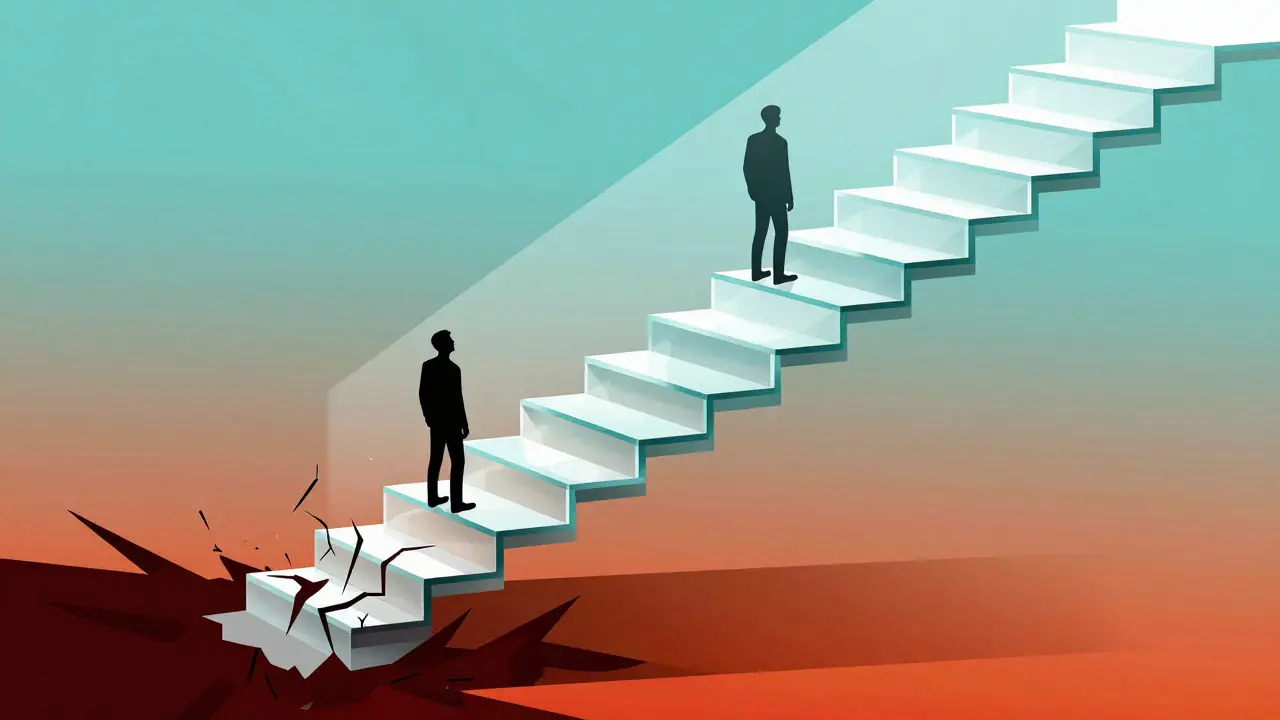
Warnings are rarely a one-and-done solution. Most disruptive behaviors follow a pattern of escalation. Understanding this ladder helps you predict the next move and prepare accordingly.
Level one is the gentle nudge. You revert and leave a friendly note. If they ignore it, level two is the formal warning. Now you’re using the standardized tags. If they persist, level three involves public documentation on the talk page. You’re no longer whispering; you’re broadcasting. At this stage, you might invite a third party-another experienced editor-to weigh in. Fresh eyes often break stalemates.
Level four is administrative intervention. This is where admins step in with semi-protection or temporary blocks. But getting here should be a last resort, not a first impulse. Why? Because blocks create martyrs. A blocked editor often gains sympathy from others who see it as censorship. If you reach level four, make sure your paper trail is impeccable. Every revert, every warning, every discussion point should be documented clearly.
There’s also the lateral move: Mediation. If two editors are stuck in a loop, bringing in a neutral mediator can reset the dynamic. Mediators don’t take sides; they facilitate. They ask questions like, "What does each of you agree on?" and "What is the minimum change needed to satisfy both parties?" This approach works best when the dispute is about interpretation, not fact.
When to Let Go
Here’s the hard truth: not every battle is worth fighting. Sometimes, the most professional move is to disengage. If an editor is truly disruptive, they will find ways to annoy you regardless of your tactics. Chasing them across articles burns out your energy and distracts you from better work.
Know your exit strategy. If you’ve issued two warnings, documented everything, and invited mediation, and they still refuse to engage constructively, consider stepping back. Let the page sit. Sometimes, silence is louder than any warning. Other editors will notice the stagnation and step in. Or, the disruptor may lose interest and move on to another target.
Keep a log of your interactions. Not to keep score, but for clarity. If you return to the article weeks later, you’ll remember exactly where you left off. This prevents accidental repetition of mistakes and shows consistency if you do need to escalate further.
Practical Tips for Long-Term Peace
Prevention is always cheaper than cure. How do you reduce the likelihood of disruption in the first place?
- Build relationships early: Engage with new editors before they become problematic. A quick "Welcome!" on their user page goes a long way.
- Clarify expectations: On contentious articles, add a banner explaining the current consensus. "Note: There is ongoing discussion about Section X. Please read the talk page before editing."
- Use protection wisely: Semi-protection stops new accounts from editing but allows established users to contribute. It’s a middle ground that reduces noise without shutting out voices.
- Document consensus clearly: Ambiguity breeds conflict. If the community agrees on something, state it plainly in the talk page summary.
Remember, you’re not just editing text; you’re shaping a culture. Every interaction you have sets a precedent. Be the editor you wish to encounter. Patient, clear, and fair. That’s the real secret to de-escalation.
Frequently Asked Questions
How many warnings should I give before blocking?
There is no strict rule, but the general consensus is three strikes. However, quality matters more than quantity. One clear, well-documented warning is better than five vague ones. If the behavior is severe (like mass vandalism), you can skip straight to administrative action. For subtle disruptions, aim for two or three clear warnings with escalating severity.
What if the editor ignores my warnings?
If they ignore you, they likely aren’t reading your talk page. Try contacting them via their user talk page or, if they are active elsewhere, through a different channel. Document that you attempted contact. If they continue disrupting, seek help from an administrator or propose a block discussion on the appropriate venue. Ignorance is not consent, but persistence requires external intervention.
Can I use informal language in warnings?
Yes, but sparingly. Formal templates ensure consistency, but a brief, polite introduction makes the message feel human. Avoid slang or humor that might be misinterpreted. Stick to professional courtesy. The goal is clarity and respect, not friendship. A little warmth helps, but don’t overdo it.
How do I handle edit wars without reverting?
Stop reverting. Reverting fuels the cycle. Instead, freeze the section by adding a {{edit conflict}} tag or discussing it on the talk page. Invite a third party to mediate. Once a consensus is reached, implement the agreed-upon version. Breaking the physical act of reverting often breaks the psychological momentum of the war.
Is it okay to block a new editor quickly?
Only if the evidence is overwhelming. New editors deserve a chance to learn. Unless they are committing obvious vandalism or spamming multiple articles, give them a chance to correct course. Quick blocks of newcomers often lead to appeals and negative publicity for the project. Patience is a virtue in moderation.