Wikipedia doesn’t run on algorithms or paid staff. It runs on people-millions of them. But who are those people? And who will be writing it in five years? The answer isn’t just about numbers. It’s about who gets to shape knowledge, and who gets left out.
Back in 2010, Wikipedia’s editor base looked mostly like one thing: middle-aged men from North America and Europe. That wasn’t because they were the smartest or most qualified. It was because the platform, its tools, and its culture were built for them. Today, that’s changing. Slowly. Unevenly. But it’s changing.
Who’s editing Wikipedia today?
In 2025, Wikipedia has about 500,000 active editors each month. That’s down from a peak of nearly 5 million in 2007. But the composition? Totally different. A 2024 Wikimedia Foundation survey showed that 28% of editors are now women-a big jump from 15% in 2011. Editors from Africa, South Asia, and Latin America now make up 34% of the global total, up from 12% a decade ago.
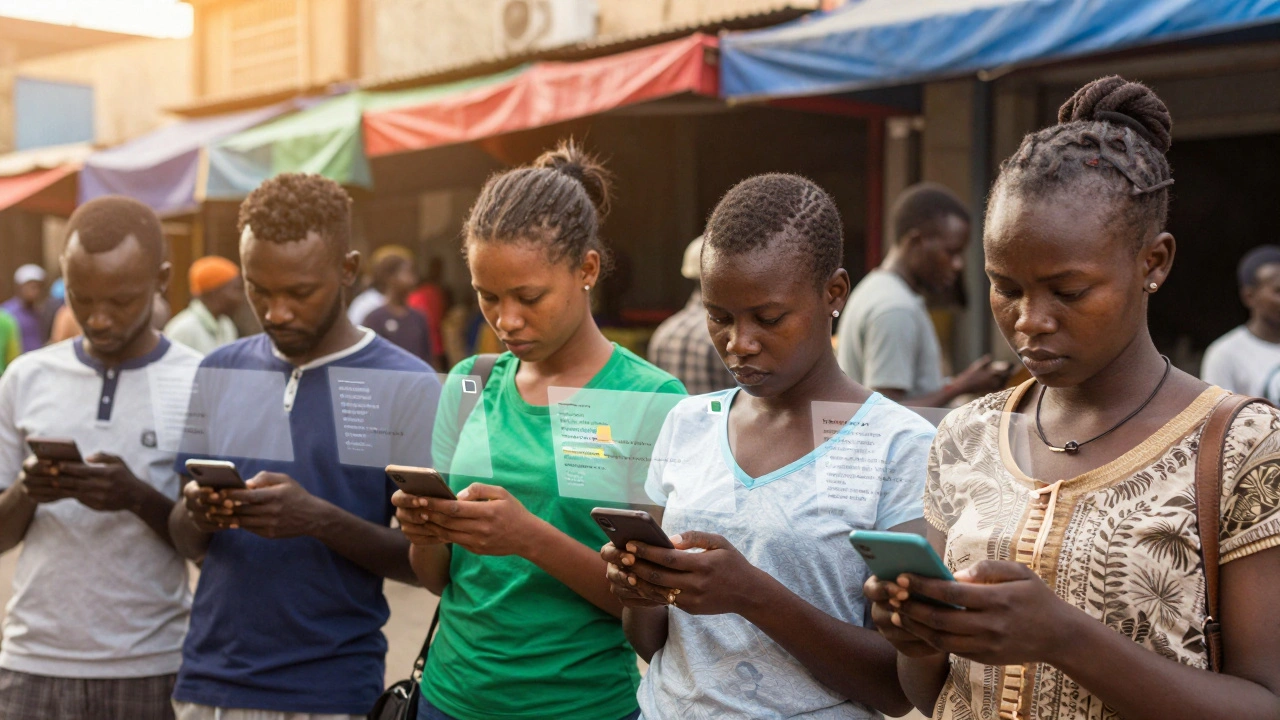
Why? Because mobile access exploded. In Nigeria, India, and Brazil, people started editing Wikipedia from their phones. No more needing a desktop, a long internet connection, or years of technical training. The app made it possible. A 23-year-old student in Lagos now edits articles on Yoruba history. A high schooler in Manila adds citations to Filipino folklore. A grandmother in Medellín updates entries about local medicine.
These aren’t outliers. They’re the new normal.
The aging editor problem
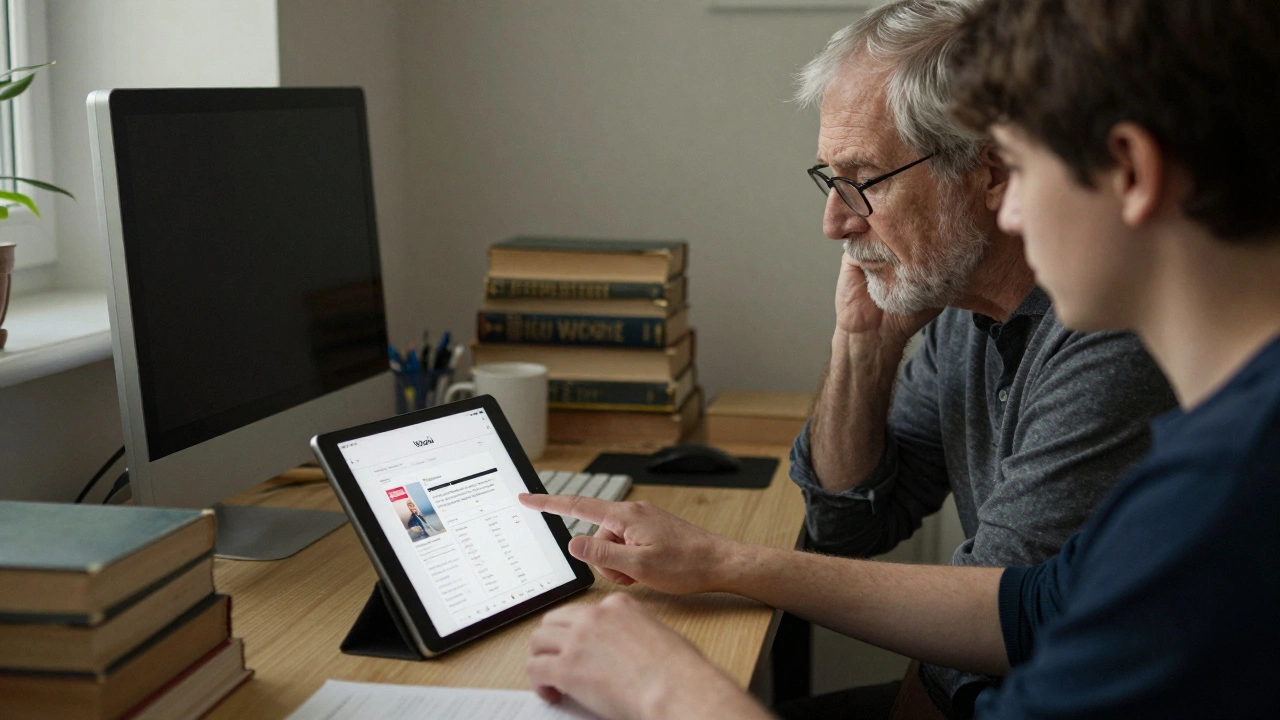
But here’s the quiet crisis: the core group of long-time editors is getting older. The average age of editors who’ve been on Wikipedia for more than 10 years is now 51. Many of them are retiring from editing-not because they lost interest, but because life got busier. Kids, jobs, health, burnout. They’re still Wikipedia users. But they’re no longer contributors.
And that’s a problem. These veterans aren’t just editors. They’re the ones who know how to navigate the rules, fight edit wars, and keep the site from collapsing under its own bureaucracy. When they leave, they take institutional memory with them. New editors often don’t know how to appeal a deletion, how to use templates, or even where to find the discussion pages. The learning curve isn’t steep-it’s a cliff.
Without a steady influx of younger, motivated editors, Wikipedia risks becoming a museum of past knowledge, not a living archive.
The language gap
English Wikipedia still has over 6 million articles. But it’s not the biggest anymore. The Russian Wikipedia has 2.1 million, the Japanese has 1.8 million, and the Cebuano version? It has 5.7 million-mostly bot-generated, but still. The real growth is happening in languages spoken by billions who aren’t yet well-represented online.
Swahili Wikipedia? 140,000 articles, mostly edited by volunteers in Tanzania and Kenya. Hausa Wikipedia? 70,000 articles, built by students in northern Nigeria. These aren’t just translations. They’re original knowledge, shaped by local culture, history, and needs.
But here’s the catch: most of these editors are under 25. They’re not using desktops. They’re not reading 10-page policy pages. They’re using apps, voice input, and simple templates. And they’re often ignored by the English-speaking admin elite who still run most of the global governance.
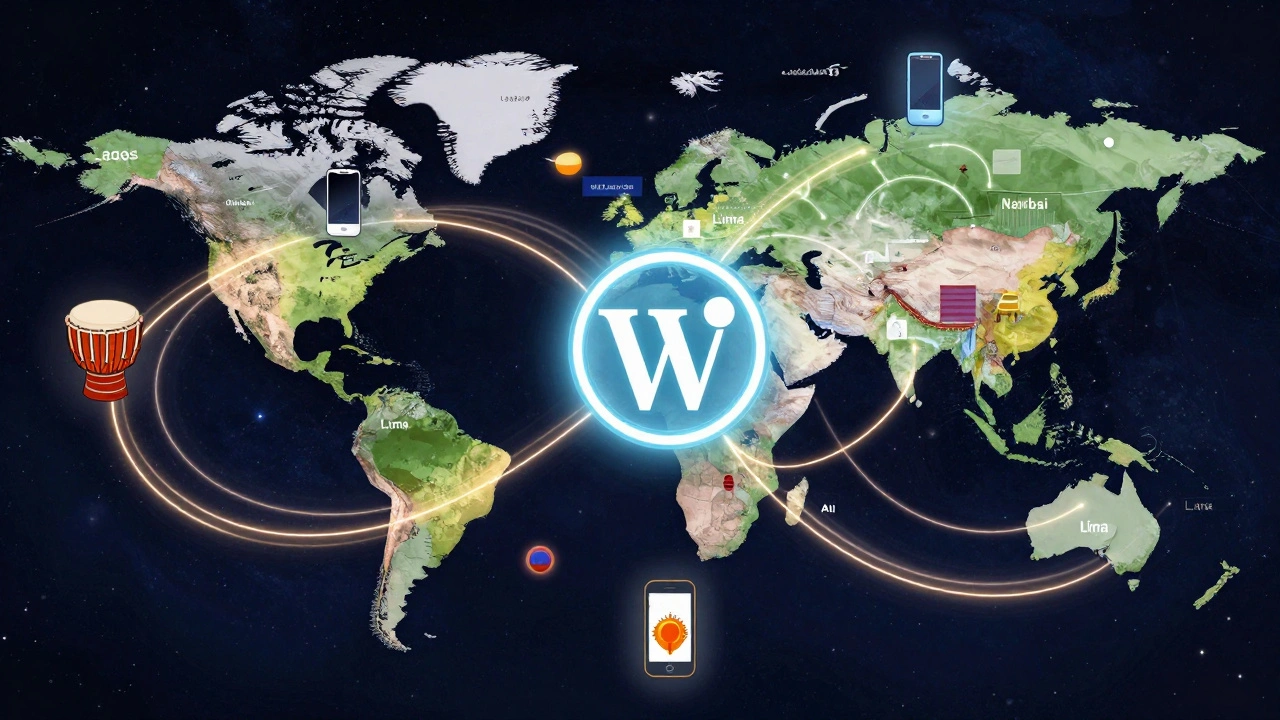
The future of Wikipedia isn’t in London or San Francisco. It’s in Lagos, Dhaka, and Lima.
What’s next? The three forces changing the editor base
Three things are reshaping who edits Wikipedia-and how.
- Mobile-first editing: Over 60% of edits now happen on phones. That changes everything. Long-form edits? Rare. Quick fixes? Common. Adding a citation? Easy. Writing a 2,000-word article? Not so much. The next generation of editors won’t be writing encyclopedic entries. They’ll be patching holes.
- AI-assisted editing: Tools like WikiGPT and EditBot are helping new editors format pages, find sources, and fix grammar. In Indonesia, a 16-year-old used an AI tool to expand a 3-line article on a local temple into a full entry with 12 references. That would’ve taken weeks before. Now it takes an hour.
- Community-driven onboarding: New editors don’t need a manual. They need a mentor. Programs like “WikiWomen in Africa” and “WikiIndaba” are training new editors through WhatsApp groups, local meetups, and video tutorials in local languages. These aren’t top-down training sessions. They’re peer-to-peer networks.
These forces aren’t theoretical. They’re already changing the numbers. In 2025, 41% of new editors joined Wikipedia through mobile apps. 29% used AI tools during their first edit. And 38% of new contributors were under 20.
The diversity paradox
More diversity sounds great. But it’s not that simple. The more diverse Wikipedia becomes, the more it risks fragmentation.
What happens when a group of editors in Nepal starts writing about Himalayan ecology using local scientific traditions-and those entries contradict Western sources? What happens when editors from Saudi Arabia write about women’s history without mentioning certain events that are censored locally? Who decides what counts as “neutral”?
Wikipedia’s “neutral point of view” policy was designed for a world where knowledge was mostly Western, academic, and English. It’s not built for a world where knowledge is plural.
The real challenge isn’t just getting more editors. It’s rethinking how we decide what counts as reliable. A university journal isn’t the only source of truth. Oral histories, community records, and indigenous knowledge systems are valid too-if they’re documented and verifiable.
That’s the next frontier. Not more editors. Better rules.
What does this mean for you?
You don’t have to be a scholar to edit Wikipedia. You don’t need a PhD. You don’t even need to be good at writing. You just need to care enough to fix a typo, add a date, or cite a source.
Right now, the biggest gap isn’t in knowledge. It’s in participation. If you’re reading this, you’re already part of the solution. You’ve accessed knowledge. Now, help build it.
Open Wikipedia. Find an article with a red link. Add one sentence. That’s it. You’ve just changed the future.
Why is Wikipedia losing active editors?
Wikipedia isn’t losing editors overall-it’s losing the old guard. The number of new editors has stabilized since 2020, but the long-term contributors-those who’ve edited for over a decade-are aging out. Many left because the editing process became too complex, the community too hostile, or their lives became too busy. The platform’s tools haven’t kept up with mobile users or non-native English speakers. Without simpler onboarding and better support, the gap between new and old editors keeps growing.
Are women really editing Wikipedia more now?
Yes. In 2011, only 15% of Wikipedia editors identified as women. By 2024, that number jumped to 28%. This growth came from targeted outreach in Latin America, Southeast Asia, and Sub-Saharan Africa, where women’s groups organized edit-a-thons and trained peers through local networks. Mobile access helped too-women in conservative regions could edit anonymously from home. But there’s still a long way to go. Only 12% of Wikipedia’s top 100 most active editors are women.
Can AI replace human editors on Wikipedia?
No-not yet, and maybe never. AI tools like WikiGPT help with formatting, grammar, and sourcing, but they can’t judge context, cultural nuance, or reliability. A bot might add a citation from a spam site. It won’t know if a local oral tradition is more accurate than a published paper. Human editors still make the final call. AI is a helper, not a replacement. The most successful edits in 2025 were those where AI assisted a human, not the other way around.
Why are non-English Wikipedias growing faster?
Because they’re not competing with established institutions. English Wikipedia has been around for 20 years-it’s saturated with content, and the rules are rigid. Non-English versions, especially in African and South Asian languages, are starting from scratch. New editors aren’t trying to fix decades of bias. They’re building knowledge from the ground up. Mobile apps, local mentors, and community trust make it easier to start. In Swahili Wikipedia, 70% of new articles are written by first-time editors under 22.
What’s the biggest threat to Wikipedia’s future?
The biggest threat isn’t fake news or censorship. It’s irrelevance. If Wikipedia becomes a platform only for experts who speak English, follow rigid rules, and have years of free time, it will stop being useful to the majority of the world. The real danger is that people stop seeing Wikipedia as a place where their knowledge matters. The future of Wikipedia depends on whether it can become truly global-not just in language, but in who gets to write.
Wikipedia’s future isn’t written in code. It’s written by people. And those people? They’re not who you think they are.
