Most people think Wikipedia is just a website with articles. But behind every edit, every fix, every deletion, there’s a person. And that person didn’t start as an admin. They started as someone who noticed a typo and clicked ‘Edit’-maybe while waiting for coffee, or during a lunch break. That first click is the beginning of a journey most never finish.
The First Edit: Why Most People Never Come Back
In 2025, Wikipedia had over 60 million registered users. But only about 250,000 made more than five edits in a month. And fewer than 5,000 were active enough to be considered regular contributors. The rest? They made one edit and disappeared.
Why? Because Wikipedia doesn’t welcome newcomers the way most sites do. There’s no tutorial pop-up. No ‘Welcome!’ message. No guide that says, ‘Here’s how to not get yelled at.’ New editors often get their changes reverted without explanation. They’re told their edit ‘lacks neutrality’ or ‘violates policy’-but no one tells them what that actually means.
A 2024 study by the Wikimedia Foundation found that 70% of first-time editors who received no feedback after their first edit never returned. Those who got a simple, friendly note-‘Thanks for catching that typo!’-were three times more likely to edit again. The difference isn’t skill. It’s feeling seen.
The Middle Ground: Surviving the ‘Edit Wars’
If you stick around past your third edit, you enter the gray zone: the limbo between ‘newbie’ and ‘trusted contributor.’ This is where most people quit.
You start noticing patterns. The same users keep reverting your changes. You learn that ‘verifiability’ means citing sources that aren’t just websites-they need to be published, independent, and reliable. You learn that ‘no original research’ means you can’t write what you think is true-you can only write what others have already written and cited.
You also learn about the culture. Some editors are polite. Others treat Wikipedia like a battleground. A 2023 analysis of edit histories showed that 42% of disputes between new and experienced editors started over formatting, not content. A missing period. A hyphen instead of an em dash. A reference formatted in the wrong style. These aren’t policy violations-they’re gatekeeping.
But if you keep going, something changes. You stop seeing edits as personal attacks. You start reading talk pages. You learn how to write a clear edit summary. You learn to ask, ‘Can you help me understand why this was reverted?’ instead of arguing. You begin to earn trust-not because you’re right, but because you’re consistent, calm, and willing to learn.
The Path to Admin: It’s Not About Expertise
Admins aren’t the smartest editors. They’re not the fastest. They’re not even the most prolific. In fact, the average admin makes fewer edits per month than a top 100 contributor.
What makes someone an admin? Trust. Consistency. Judgment.
Wikipedia doesn’t promote editors based on how many articles they’ve written. It promotes them based on how they handle conflict. Admins are elected by the community after a formal request called an RfA (Request for Adminship). Candidates must show:
- At least 500 edits over six months
- At least 100 edits in the last 30 days
- Experience handling disputes, vandalism, and policy questions
- Proof they understand Wikipedia’s core principles: neutrality, verifiability, no original research
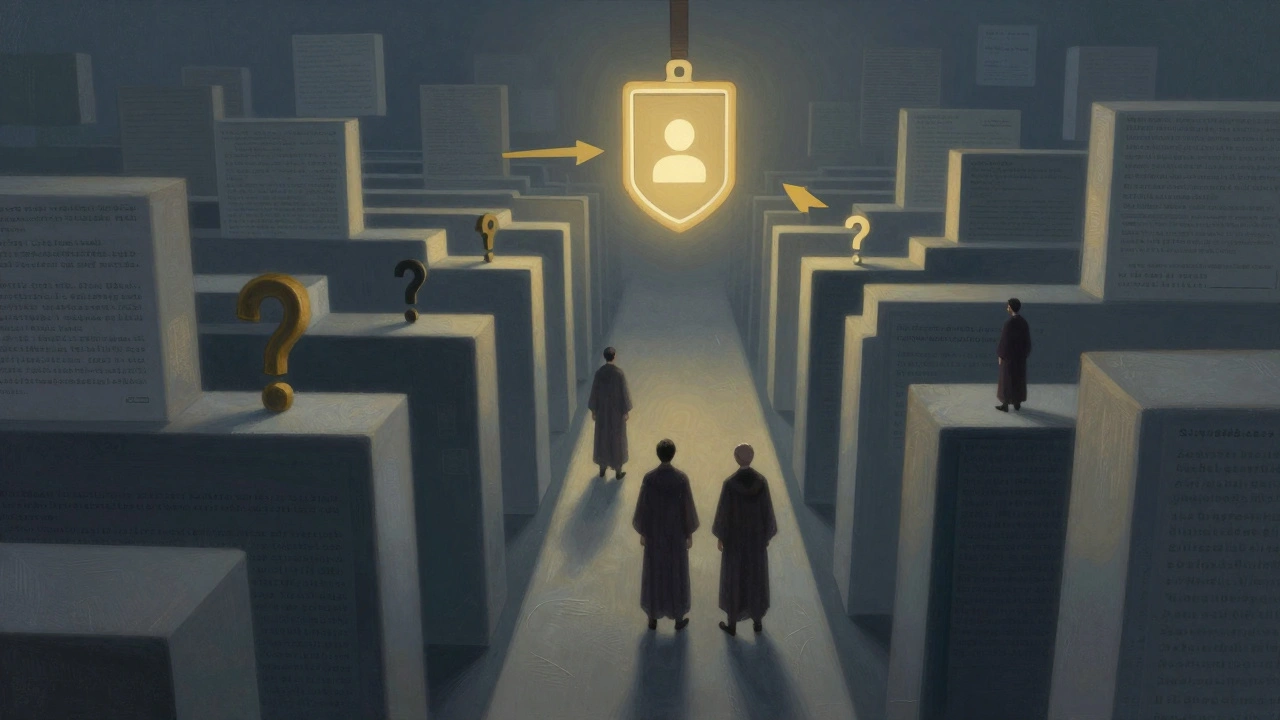
But here’s the twist: most candidates fail their first RfA. The community doesn’t vote on skill. They vote on personality. Do you come across as arrogant? Too quiet? Too defensive? Too eager? All of these can sink an RfA-even if you’ve made 2,000 flawless edits.
One editor, known only as ‘Tess42’ on Wikipedia, applied for admin status four times over 18 months. Each time, she was told she was ‘too formal’ or ‘didn’t show enough community engagement.’ She didn’t change her edits. She changed how she talked. She started signing off her talk page messages with a smiley. She asked questions instead of giving answers. She thanked people even when they disagreed. On her fifth try, she was approved-with 89% support.
The Admin Role: Power Without Authority
Once you become an admin, you get tools: the ability to block users, delete pages, protect articles. But you don’t get more respect. You don’t get more say.
Wikipedia’s admin system is built on consensus. If a group of editors disagrees with your deletion, they can challenge it. If someone accuses you of bias, you can be investigated. An admin who abuses power can be stripped of their tools in days.
Most admins don’t use their tools often. The average admin blocks fewer than one user per month. Most spend their time mediating disputes, guiding new editors, and restoring accidentally deleted content. Their real power isn’t technical-it’s influence.
And that influence fades. The average admin stays active for just over two years. Many burn out. Others get distracted by life. Some leave because they’re tired of being the target of every complaint.
The Cycle: Why the Community Shrinks
Wikipedia’s editor population has been declining since 2007. In 2007, there were 50,000 active editors. In 2025, there were 18,000. The average age of an active editor is now 42. Less than 15% are under 25.
Why? Because the system rewards endurance over enthusiasm. It punishes mistakes harshly. It doesn’t teach-it expects you to figure it out. And it doesn’t make it easy to stay.
Compare Wikipedia to Reddit or Discord. Those platforms reward participation with likes, badges, and replies. Wikipedia rewards silence. The best editors are the ones who stay quiet, fix small things, and avoid drama. That’s not motivating for most people.
There’s a reason why Wikipedia’s most active editors are retirees, academics, and people with flexible schedules. They have the time to learn the rules. They don’t need validation from strangers. They’re not here for the dopamine hit. They’re here because they care about knowledge.
What Could Change?
Wikipedia isn’t broken. It’s just old. The rules were written in 2004, when the internet was different. The platform still runs on the same software it did in 2010. The interface hasn’t changed much since 2008.
But change is happening-slowly. The Wikimedia Foundation has launched pilot programs to help new editors:
- ‘Newcomer Tasks’-a feature that suggests simple edits like adding citations or fixing broken links
- ‘Teahouse’-a friendly space where new editors can ask questions without fear of being shut down
- ‘Edit War Mediators’-volunteers trained to step in before conflicts escalate
Early results show that editors who use ‘Newcomer Tasks’ are 60% more likely to make a second edit. Those who visit ‘Teahouse’ are twice as likely to become regular contributors.
The real question isn’t whether Wikipedia can survive. It’s whether it wants to. Because if the goal is to be the world’s most accurate encyclopedia, then it needs more editors-not fewer. And to get them, it has to stop treating newcomers like intruders and start treating them like partners.
What You Can Do
If you’ve ever thought about editing Wikipedia but didn’t because you were afraid of getting yelled at-you’re not alone. And you don’t need to be an expert to help.
Here’s what actually works:
- Start small. Fix a broken link. Add a missing date. Correct a spelling error.
- Use ‘Newcomer Tasks’ if it’s available on your version of Wikipedia.
- Don’t argue. If your edit is reverted, ask why. Say: ‘Thanks for the feedback-can you help me understand the policy?’
- Visit the Teahouse. Ask one question. Say hello.
- Be kind to others. A simple ‘Good catch!’ can be the reason someone stays.
You don’t need to become an admin. You don’t even need to edit every week. But if you make one edit, and you do it with care-you’re already part of the story. And that’s more than most people ever do.
How long does it take to become a Wikipedia admin?
There’s no set timeline. Most people spend at least 6 to 12 months editing regularly before applying. The key isn’t how many edits you make-it’s how you handle feedback, conflict, and policy. Some editors apply after 500 edits and get rejected. Others wait two years and are approved quickly. It depends on how the community perceives your intentions and behavior.
Do I need to be an expert in a topic to edit Wikipedia?
No. Wikipedia doesn’t require subject matter expertise. It requires reliable sources. You don’t need to be a doctor to edit a medical article-you just need to cite peer-reviewed journals or trusted health organizations. The goal isn’t to share your opinion. It’s to summarize what’s already been published and verified.
Why do experienced editors revert my changes so often?
It’s usually not personal. Wikipedia has strict rules about neutrality, verifiability, and avoiding original research. If your edit adds opinion, lacks a citation, or uses informal language, it may be reverted-not because you’re wrong, but because it doesn’t meet the site’s standards. The best way to learn is to ask why it was changed and read the policy behind it.
Is Wikipedia dying because fewer people are editing?
The number of active editors has dropped since 2007, but the quality of articles has improved. Many articles are now maintained by a small group of dedicated editors who focus on accuracy over volume. The bigger threat isn’t decline-it’s stagnation. Without new contributors, Wikipedia risks becoming a static archive rather than a living resource. Initiatives like Newcomer Tasks and Teahouse are trying to reverse that trend.
Can I become an admin if I’m not from an English-speaking country?
Yes. Wikipedia has over 300 language editions, and each has its own admin system. Non-native English speakers are welcome to apply for admin status on any edition where they’re active. Many admins on non-English Wikipedias are bilingual. The process is the same: demonstrate consistent, trustworthy editing and community engagement. Language fluency matters less than understanding the rules and showing good judgment.
Next Steps
If you’re a new editor, start with ‘Newcomer Tasks’-it’s designed for people exactly like you. If you’re a longtime editor, take five minutes to reply to someone who asked for help. You don’t have to fix everything. You just have to be the person who says, ‘You’re doing great.’
Wikipedia isn’t perfect. But it’s still the only place on the internet where knowledge is built by strangers, for strangers, with no ads and no profit motive. That’s worth protecting. And it starts with one edit. And one kind word.