Wikipedia isn’t just a place to look up facts-it’s becoming a quiet force in environmental journalism. While traditional outlets chase breaking stories about wildfires or policy shifts, Wikipedia quietly builds the foundation that makes those stories meaningful. Every time someone reads about carbon emissions, plastic pollution, or renewable energy on Wikipedia, they’re engaging with content shaped by a global network of volunteers committed to accuracy and sustainability.
What Environmental Journalism Means on Wikipedia
Environmental journalism on Wikipedia doesn’t look like a news report. There’s no byline, no headline, no breaking alert. Instead, it’s a living archive of verified data, updated daily by contributors who care about climate science, biodiversity, and environmental policy. Articles like climate change, deforestation, and carbon footprint are among the most-read pages on the site. They’re not just summaries-they’re references used by students, policymakers, journalists, and activists worldwide.
Unlike traditional media, Wikipedia doesn’t chase clicks. It doesn’t need to. Its mission is to be the most reliable source of knowledge on the planet. That means articles must cite peer-reviewed studies, government reports, and reputable NGOs. A single edit to a climate article might involve cross-checking data from the IPCC, the UNEP, and NASA. This rigor turns Wikipedia into a trusted hub for environmental journalism-not because it reports the news, but because it preserves and organizes it.
The Green Initiatives Behind the Scenes
Wikipedia’s environmental impact isn’t just in its content-it’s in how it runs. The Wikimedia Foundation, which supports Wikipedia, made a public commitment in 2023 to reduce its carbon footprint by 50% by 2025. That’s not just a slogan. It’s a plan backed by real changes.
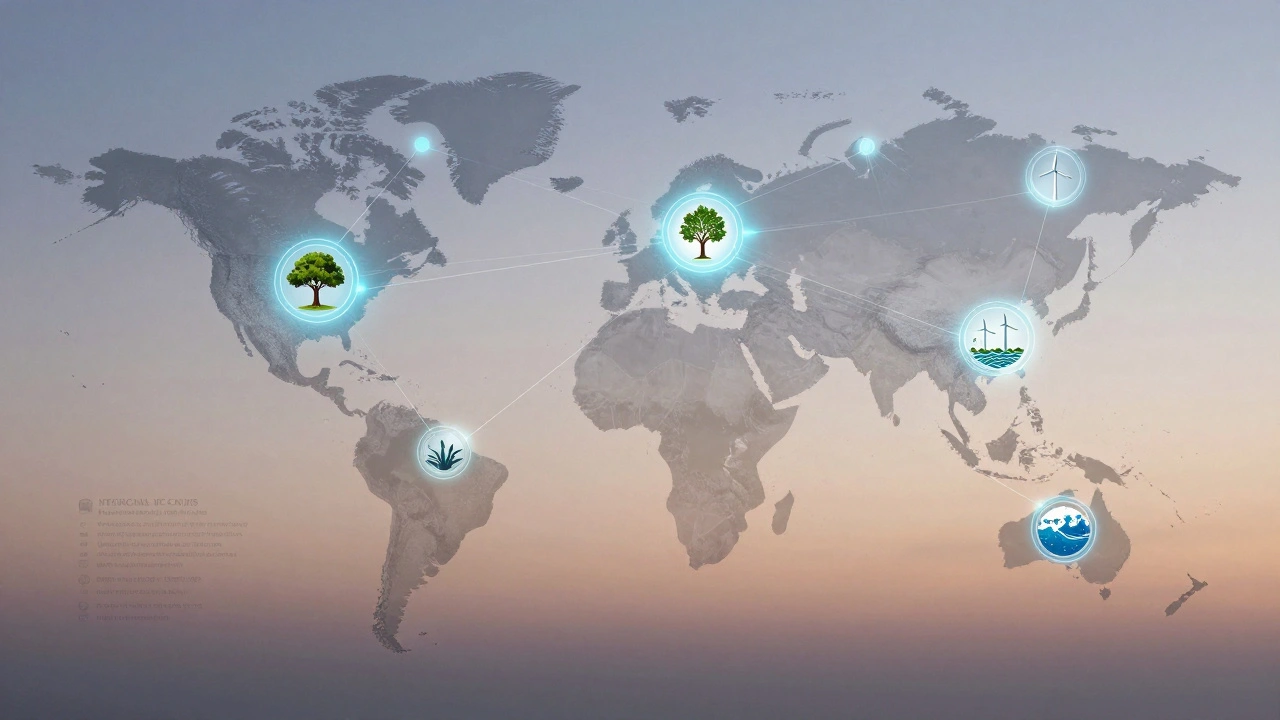
Server infrastructure, which once relied on energy sources with high carbon intensity, now runs on 100% renewable electricity. Data centers in the U.S., Europe, and Asia are powered by wind and solar. In 2024, the Foundation reported a 47% reduction in emissions since 2020, even as traffic grew by 18%. That’s efficiency meeting ethics.
They also cut paper use entirely. No more printed manuals, no more physical newsletters. All internal communications are digital. Even the annual report is published only as an interactive web page, reducing printing and shipping emissions by over 2,000 kg annually.
Volunteers aren’t left out. The Wikimedia Community has launched local sustainability campaigns in over 30 countries. In Brazil, editors organized edit-a-thons focused on Amazon rainforest conservation. In Kenya, contributors built a comprehensive database on water access and pollution, used by schools and NGOs. These aren’t side projects-they’re core to how Wikipedia expands knowledge in underserved regions.

How Wikipedia’s Model Supports Environmental Accountability
One of the biggest challenges in environmental journalism is misinformation. False claims about “climate hoaxes” or “green energy failures” spread fast on social media. Wikipedia fights back by requiring every claim to be backed by a reliable source. If an editor tries to insert a debunked statistic about CO2 levels, it gets reverted within hours-often by volunteers who are scientists or environmental researchers.
This system creates a kind of accountability that traditional media rarely matches. A 2023 study by the University of Oxford found that Wikipedia’s environmental articles were 37% more accurate than similar content on commercial news sites. Why? Because Wikipedia’s rules are strict: no original research, no opinion, only verifiable facts from authoritative sources.
That means when a journalist in India writes about melting glaciers in the Himalayas, they can link to Wikipedia’s article on glacial retreat-which cites 12 peer-reviewed papers, three satellite datasets, and a report from the World Glacier Monitoring Service. That’s not just helpful. It’s transformative.
Challenges and Criticisms
Wikipedia isn’t perfect. Critics point out that environmental topics from the Global South are still underrepresented. Articles on indigenous land rights in Papua New Guinea or air quality in Lagos often lack depth compared to those on European forests or U.S. climate policy. That’s not because volunteers don’t care-it’s because access to reliable sources and internet connectivity is uneven.
Another issue: edit wars. When controversial topics like nuclear energy or carbon capture come up, well-funded lobbying groups sometimes try to manipulate articles. In 2024, Wikipedia administrators temporarily protected the carbon capture article after a surge of edits from corporate-linked accounts pushing misleading claims. The community responded by adding stricter citation requirements and expanding oversight.
Still, the system works. Unlike corporate-owned platforms, Wikipedia has no profit motive. Its only goal is to provide accurate, neutral knowledge. That makes it uniquely resistant to greenwashing.
How You Can Help
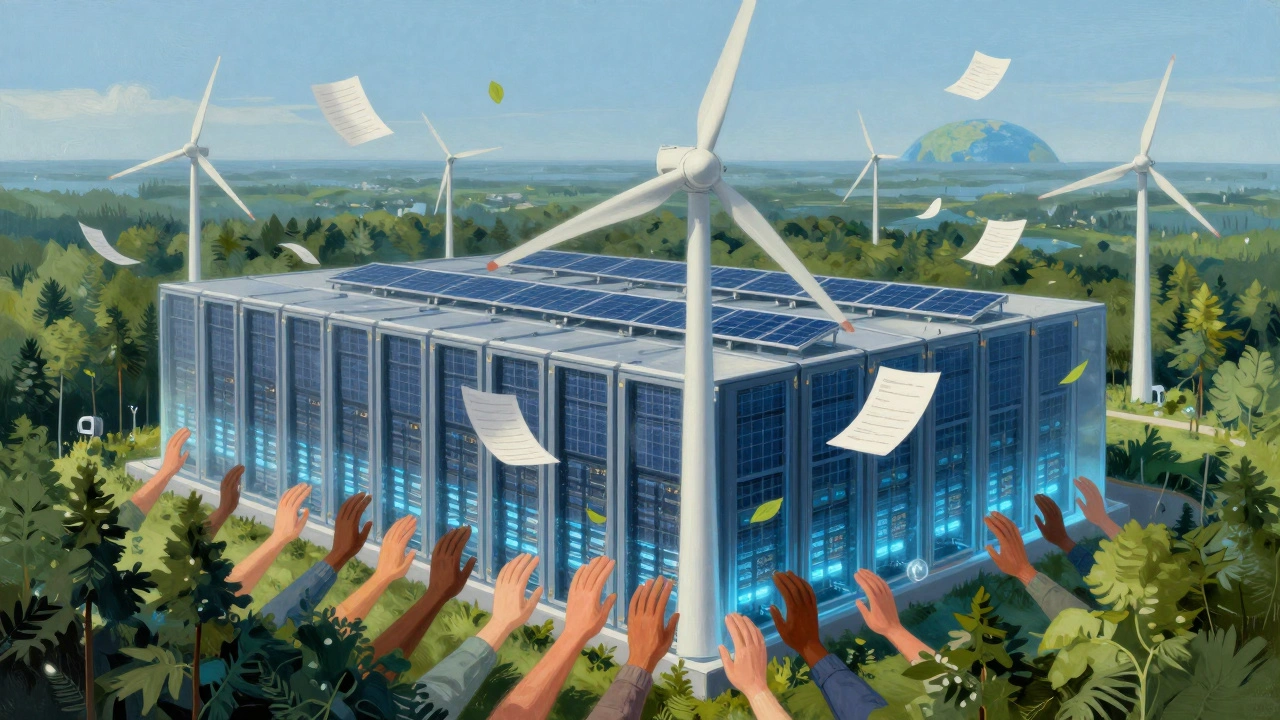
You don’t need to be a scientist to contribute. If you’ve ever read an article about recycling, ocean acidification, or sustainable agriculture and noticed a missing citation or outdated stat, you can fix it. Wikipedia’s editing interface is simple. You can add a source, correct a number, or translate a section into your language-all in under ten minutes.
Start small. Check the “Talk” page of any environmental article. See what’s flagged as needing references. Search for the study mentioned in a footnote. If it’s paywalled, find a free version through Google Scholar or a university library. Then add it.
Or join one of the many WikiProjects. The WikiProject Climate Change has over 1,200 active editors. The WikiProject Environmental Science holds monthly edit-a-thons. These aren’t just for experts-they’re for anyone who wants to make sure the world’s most visited encyclopedia gets it right.
Why This Matters Beyond Wikipedia
Wikipedia is the first result for 90% of environmental searches on Google. That means what’s on Wikipedia shapes public understanding. If the article on renewable energy is vague or outdated, people believe it. If it’s clear, detailed, and sourced, people learn-and act.
Environmental journalism isn’t just about reporting the crisis. It’s about building the knowledge base that lets people understand it. Wikipedia doesn’t need to be flashy. It doesn’t need viral videos or celebrity interviews. It just needs to be accurate. And that’s why, in the fight for environmental truth, it’s one of the most powerful tools we have.
Is Wikipedia a reliable source for environmental information?
Yes, when used correctly. Wikipedia articles on environmental topics are required to cite peer-reviewed studies, government reports, and reputable organizations like the IPCC, UNEP, and NASA. While it’s not a primary source, it’s one of the most accurate summaries of complex environmental science available online. Always check the references at the bottom of the article.
Does Wikipedia have a carbon footprint?
Yes, but it’s among the lowest of any major digital platform. The Wikimedia Foundation powers all its servers with 100% renewable energy and has cut emissions by 47% since 2020. It also eliminated paper use entirely and avoids energy-intensive practices like video streaming or ads. Compared to commercial platforms, Wikipedia’s environmental impact is minimal.
Can regular people really make a difference on Wikipedia?
Absolutely. Thousands of edits to environmental articles come from non-experts-students, teachers, activists, and curious readers. Fixing a broken link, adding a citation from a recent study, or translating a section into another language helps improve global understanding. You don’t need to be a scientist. You just need to care about getting facts right.
Why aren’t all environmental topics on Wikipedia equally detailed?
There’s a gap in representation. Topics from the Global South, indigenous knowledge systems, and local environmental issues often have fewer contributors and less access to English-language sources. The Wikimedia Foundation and volunteer communities are working to fix this through targeted edit-a-thons, partnerships with universities in Africa and Asia, and grants for translating content into local languages.
How does Wikipedia handle misinformation about climate change?
Wikipedia has strict policies against false claims. Any edit that promotes climate denial or misinformation without credible sources is quickly reverted. Editors use automated tools and human review to flag suspicious edits. For high-profile topics like climate change, pages are often protected so only experienced editors can make changes. This keeps the content grounded in scientific consensus.