
Wikipedia isn't just a website. It's a global library built by millions of volunteers, free to anyone with an internet connection. Wikidata, its quieter but equally vital sibling, turns that knowledge into structured data anyone can use - in apps, research, or government systems. Together, they aren’t just tools. They’re digital public goods.
What exactly is a digital public good?
A public good is something everyone can use without reducing its availability to others. Think of clean air, public parks, or street lighting. A digital public good works the same way - but online. It’s open, non-rivalrous, and non-excludable. Once created, it doesn’t get used up. No one can be blocked from using it. And it’s built for the public, not for profit.
Wikipedia and Wikidata fit this definition perfectly. You don’t pay to read a Wikipedia article. You don’t need permission to download Wikidata’s dataset. No company owns them. No ads track you. They’re maintained by communities, not shareholders.
How Wikipedia became a global public good
When Wikipedia launched in 2001, it was radical. No encyclopedia had ever been written by volunteers. No encyclopedia had ever been free. Today, it’s available in over 300 languages. Over 60 million articles. More than 1.5 billion monthly visitors. It’s the fifth most visited website on Earth.
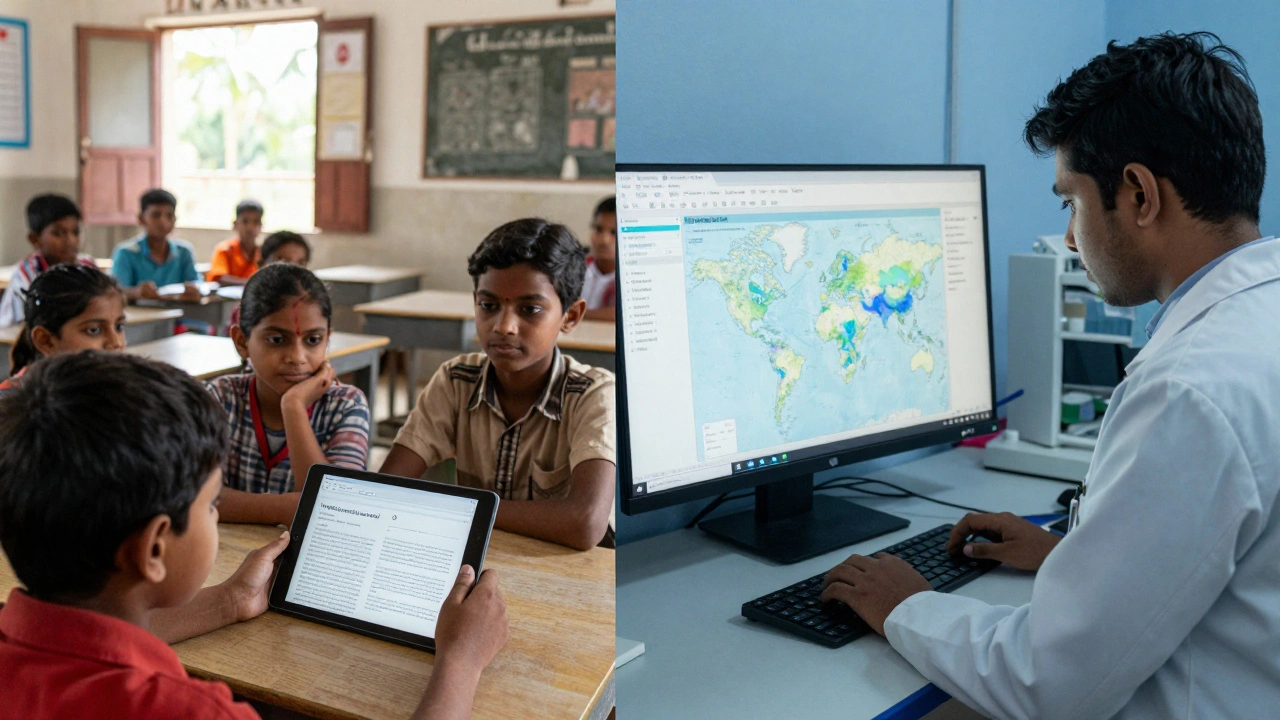
But it’s not just traffic numbers. It’s impact. In rural India, students use Wikipedia to study when textbooks are scarce. In Ukraine, volunteers translated medical guides during the war. In Nigeria, teachers use Wikipedia to supplement classroom lessons. It’s not just information - it’s access. And access to knowledge is a basic human need.
The Wikimedia Foundation, which runs Wikipedia, doesn’t sell data. It doesn’t take ad revenue. It survives on small donations from ordinary people. That’s rare in today’s internet. Most platforms make money by collecting your attention. Wikipedia makes knowledge available without asking for anything in return.
Wikidata: the engine behind open knowledge
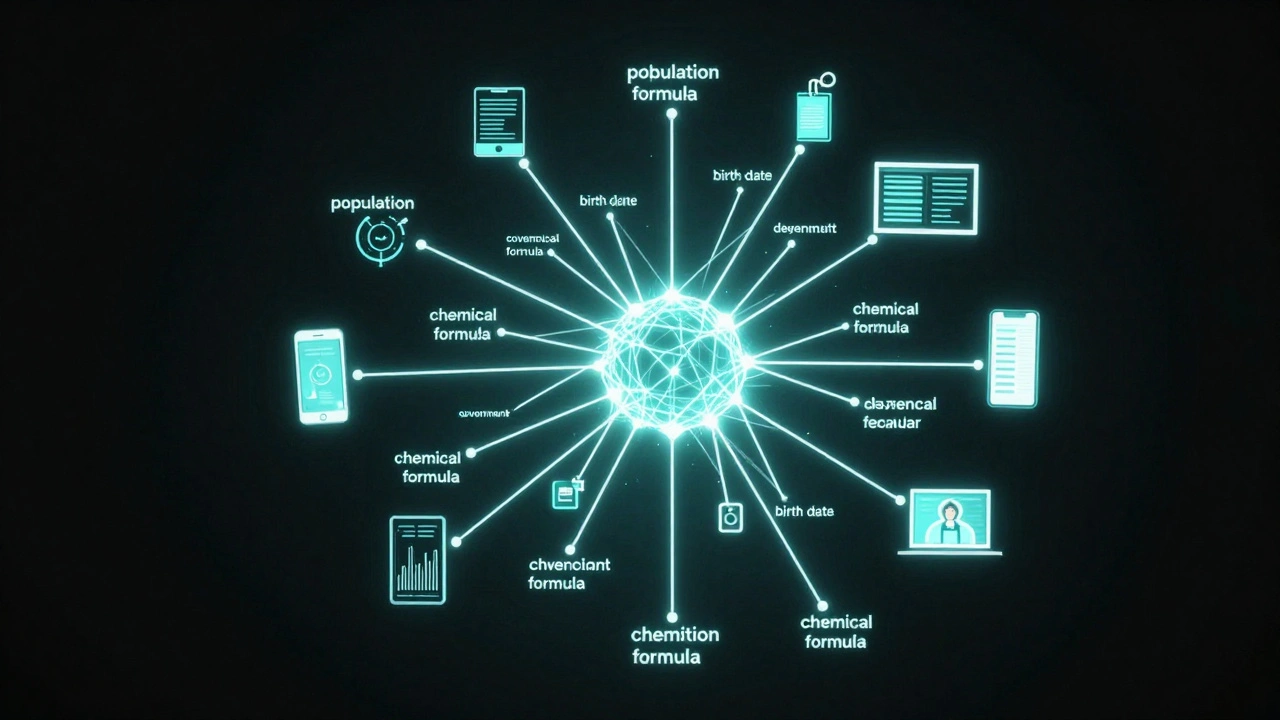
While Wikipedia gives you articles, Wikidata gives you facts - structured, machine-readable, and linked. Think of it as the database behind the encyclopedia.
Every Wikipedia article about a person, place, or thing pulls its data from Wikidata. The birth date of a scientist? The population of a city? The chemical formula of a compound? All stored in Wikidata. And because it’s open, researchers, developers, and governments use it to build tools.
The European Union uses Wikidata to track climate data across member states. The U.S. Geological Survey pulls geographic data from it. Medical researchers use it to link drug information across languages. Google and Apple use Wikidata to power their knowledge panels. It’s not just a backup - it’s infrastructure.
Unlike commercial databases, Wikidata doesn’t charge for access. You don’t need a license. You don’t need to sign a contract. You just download the data and use it. That’s what makes it a true public good.
Why recognition matters
In 2022, the United Nations officially recognized Wikipedia and Wikidata as digital public goods. That wasn’t just a press release. It was a formal acknowledgment that these platforms serve the public interest in the same way as public schools or clean water.
Recognition means governments can legally support them. It means funding can flow to keep them running. It means policies can be written to protect them from censorship or corporate takeover. It means they’re no longer seen as fringe projects - but as essential public infrastructure.
Before this, many governments treated Wikipedia like a private company. Some tried to block it during protests. Others tried to control its content. Recognition changed that. It gave Wikipedia and Wikidata legal standing. They’re not just websites. They’re institutions.
What makes them different from other platforms
Compare Wikipedia to Google, Facebook, or Amazon. All are massive. All are used by billions. But they’re built to make money. Google tracks you to sell ads. Facebook harvests data to target you. Amazon wants you to buy more.
Wikipedia and Wikidata don’t do any of that. They don’t have ads. They don’t track users. They don’t sell data. Their only goal is to collect and share knowledge. That’s why they’re trusted. That’s why they’re sustainable. And that’s why they’re classified as public goods - not products.
There’s no shareholder pressure. No quarterly earnings to meet. No algorithm pushing outrage. Just volunteers, editors, and developers working to make sure knowledge stays free and accurate.
Challenges they still face
Even as digital public goods, they’re under pressure. Misinformation spreads faster than ever. Automated bots try to manipulate edits. Governments in some countries still block access. Funding is always tight - donations cover costs, but never enough for big upgrades.
There’s also a gap in representation. Most editors are from wealthy, Western countries. Articles about Africa, Southeast Asia, and Indigenous communities are often incomplete. Wikidata’s data reflects that too. The community is working on it - but progress is slow.
And there’s the looming threat of AI. Large language models are trained on Wikipedia data. But when companies use that data to build paid products, they don’t give back. They don’t contribute. They just take. That’s a risk to the sustainability of these platforms.
How you can help
You don’t need to be a coder or a historian to support Wikipedia and Wikidata. Here’s how you can help:
- Edit an article. Fix a typo. Add a citation. Even small edits matter.
- Contribute to Wikidata. Add facts about your local community, your family history, or your favorite book.
- Donate. The Wikimedia Foundation relies on small, regular gifts from people like you.
- Teach others. Show students, coworkers, or family how to use Wikipedia responsibly.
- Advocate. Tell your local government that open knowledge matters.
Every edit, every donation, every conversation helps keep these platforms alive. They don’t run on ads or venture capital. They run on people who believe knowledge should be free.
What’s next for digital public goods
Wikipedia and Wikidata are just the beginning. Other projects are following their model: open-source software, public climate data, free legal databases, open educational resources. The idea is catching on.
More governments are starting to fund digital public goods. The European Commission now funds open data initiatives. Canada has a national open knowledge strategy. The World Bank supports open-access research.
The future isn’t about more apps or more data - it’s about more shared, open, and trustworthy systems. Wikipedia and Wikidata proved it’s possible. Now, others are learning how to build the same.
Are Wikipedia and Wikidata the same thing?
No. Wikipedia is a collection of articles written in natural language - things you read. Wikidata is a structured database of facts - things machines can use. Wikipedia pulls data from Wikidata, but they’re separate systems with different purposes.
Can I use Wikidata data in my app or business?
Yes. Wikidata data is licensed under CC0, which means it’s public domain. You can use it in apps, websites, research, or government tools without asking permission, paying fees, or giving credit. Just download the data and use it.
Why doesn’t Wikipedia have ads?
Wikipedia doesn’t have ads because it’s funded by donations from readers - not advertisers. The Wikimedia Foundation believes ads would compromise trust, neutrality, and access. Keeping ads out ensures the content stays unbiased and available to everyone, regardless of income.
Is Wikipedia reliable for research?
Wikipedia is not a primary source, but it’s an excellent starting point. Most articles cite reliable sources like academic journals, books, and official reports. You can check those sources to verify facts. Many universities teach students to use Wikipedia as a gateway to deeper research.
How is Wikidata different from other databases?
Unlike commercial databases, Wikidata is open, multilingual, and community-driven. Anyone can edit it. It’s linked across languages and projects. It doesn’t require licenses or payments. And it’s designed to be used by machines - not just people.
Wikipedia and Wikidata aren’t perfect. But they’re the closest thing we have to a global, free, and open knowledge system. They exist because people chose to build them - not for profit, but for purpose. And as long as people keep contributing, they’ll keep growing.