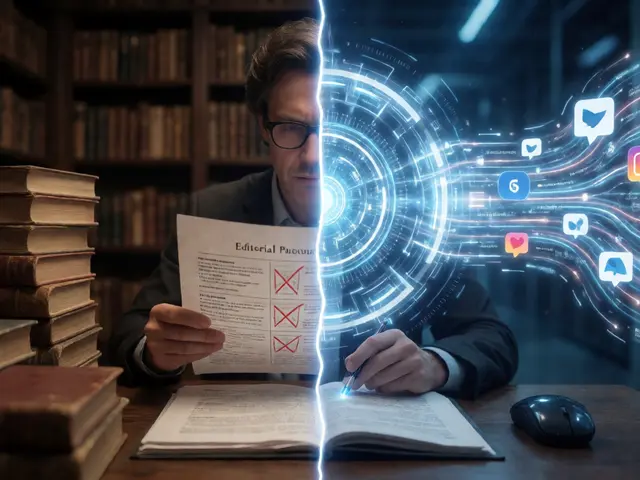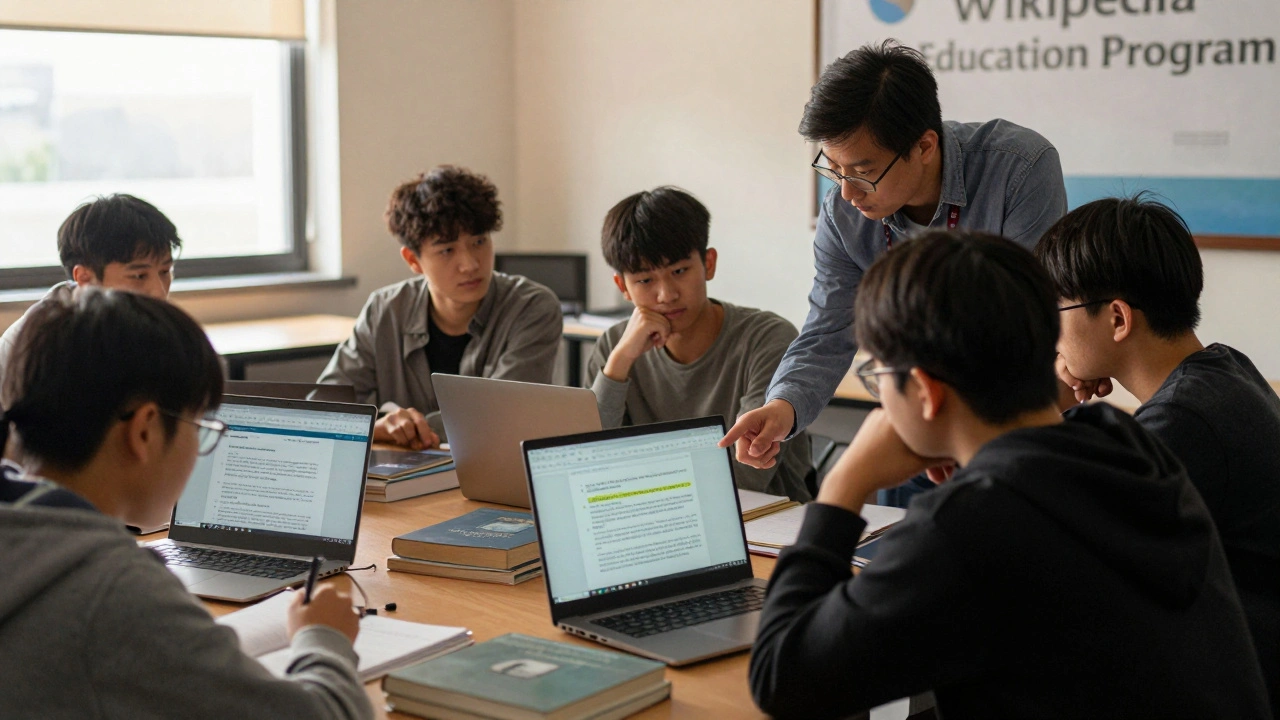
Every year, thousands of college students are assigned to edit Wikipedia as part of their coursework. Professors see it as a way to make learning real-students aren’t just writing papers that vanish into a gradebook. They’re adding knowledge that millions will see. But here’s the problem: not everyone understands what’s at stake. Editing Wikipedia isn’t like submitting a draft to your professor. It’s public. Permanent. And it’s governed by a set of rules most students never learn.
Why Professors Assign Wikipedia Edits
Professors aren’t trying to turn students into volunteer editors. They’re trying to teach something deeper: how to communicate complex ideas clearly, how to cite sources properly, and how to work in a collaborative space with strict standards. At the University of Maryland, a biology course replaced traditional research papers with Wikipedia assignments. Students improved articles on rare diseases. By the end of the semester, those articles had been viewed over 200,000 times. That’s impact. That’s relevance.
But this only works when students understand the platform. Wikipedia doesn’t reward clever writing. It rewards accuracy, neutrality, and verifiability. A well-written paragraph that’s not backed by a published source? It gets deleted. A dry, factual edit with three solid citations? It stays. That’s a hard lesson for students used to being graded on style.
The Rules Students Often Break
Most students start editing Wikipedia with good intentions. But they run into four common traps:
- Writing original research. Wikipedia bans unpublished analysis. If you’re summarizing your own interpretation of a study, you’re violating policy-even if you’re right.
- Citing unreliable sources. Blog posts, personal websites, and even university press releases aren’t acceptable unless they’re republished in a peer-reviewed journal or major news outlet.
- Conflict of interest. Editing your own school’s page, your professor’s bio, or your thesis topic is allowed-but only if you disclose it and follow strict neutrality rules. Many students don’t realize this counts as a conflict.
- Writing in a promotional tone. Saying "this discovery revolutionized medicine" isn’t neutral. Saying "this discovery led to a 40% increase in survival rates, according to a 2023 Lancet study" is.
These aren’t minor mistakes. They’re policy violations that can get edits reverted, accounts blocked, and even entire courses flagged by Wikipedia administrators.
What Makes an Edit Ethical?
There’s no gray area here: ethical editing on Wikipedia means following its five pillars. For students, the most important ones are:
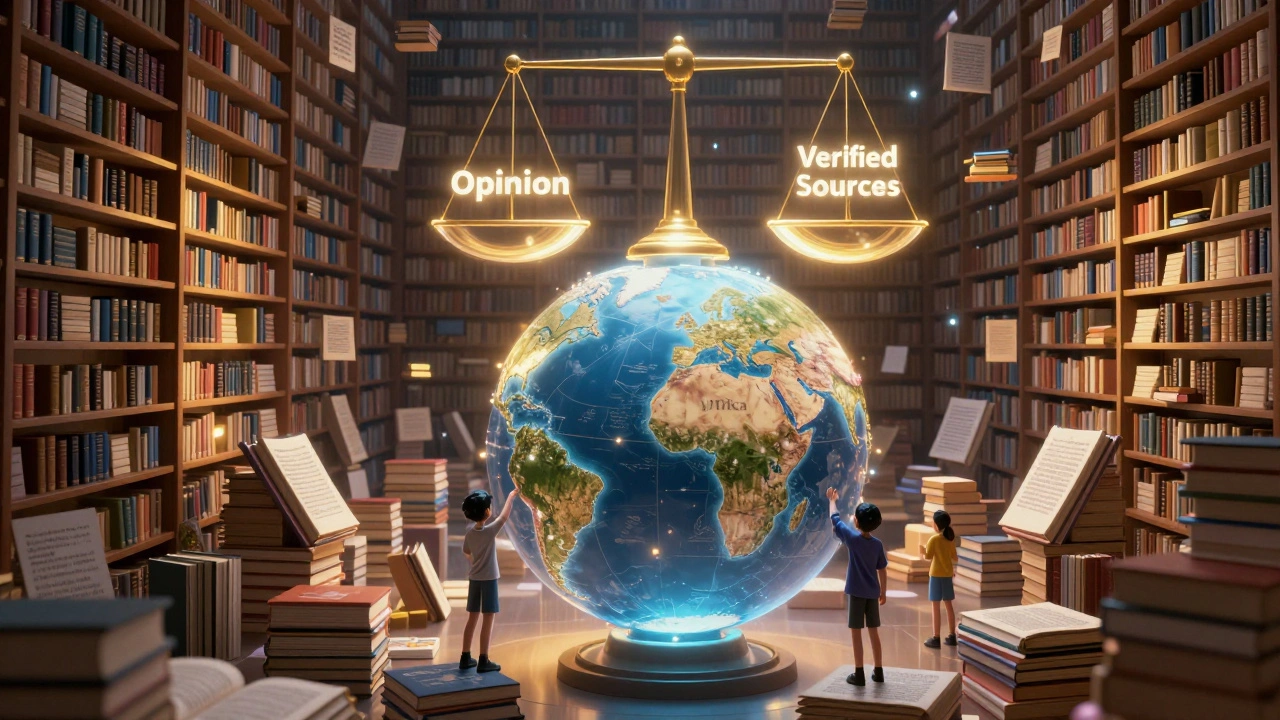
- Neutral point of view. Don’t argue. Don’t persuade. Just report what reliable sources say.
- Verifiability. Every claim needs a source. If you can’t find one, don’t add it.
- No original research. You’re not writing a thesis. You’re compiling what others have already published.
Here’s a real example: a student in a sociology class at the University of Wisconsin added a paragraph about rising homelessness in Madison. They cited a local newspaper article and a city council report. That’s fine. Then they added: "This trend shows the failure of current housing policies." That got removed. Why? Because it’s an opinion. The edit needed to stop at the facts: "Homelessness increased by 18% between 2022 and 2024, according to the Madison Housing Authority."
Ethical editing means leaving your voice out and letting the sources speak.
Who Checks the Edits?
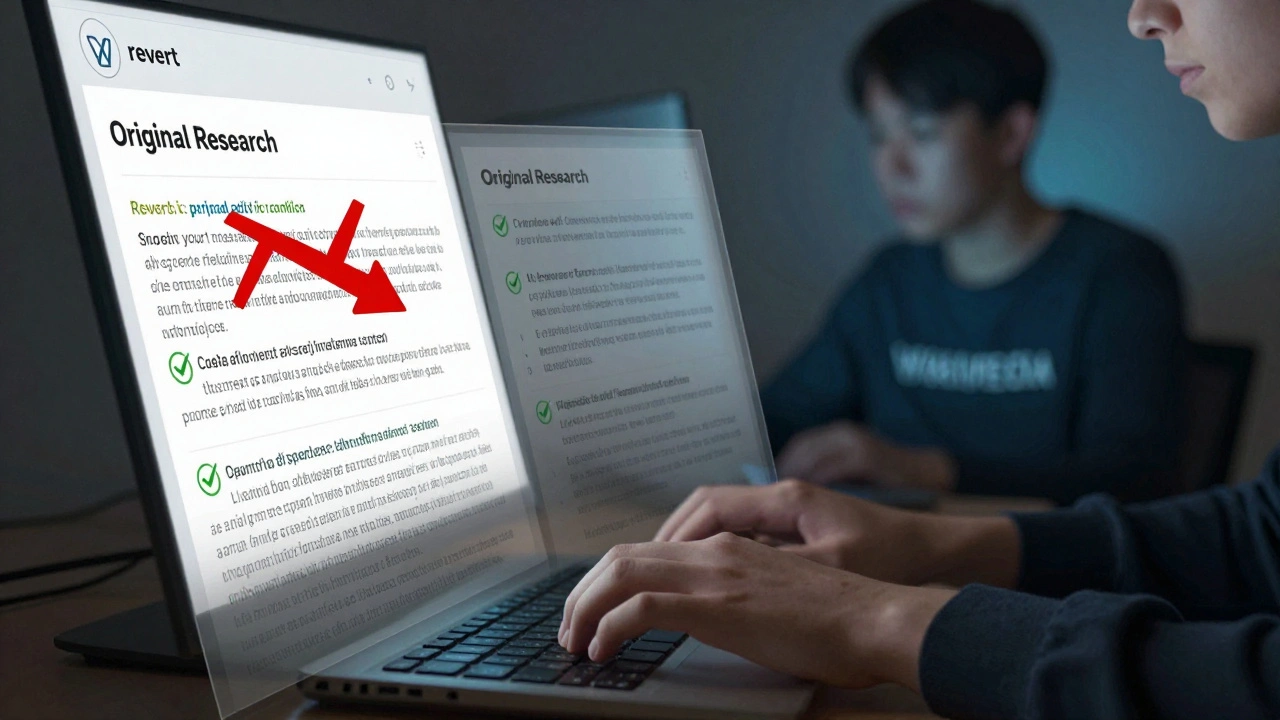
Wikipedia doesn’t have a faculty review board. It has volunteers-often retired academics, librarians, and experienced editors-who patrol new edits. They use tools that flag edits from new accounts, edits that add large blocks of text, or edits that cite non-reliable sources.
Students often think their professor’s approval means their edit is safe. It doesn’t. One student at Ohio State University spent weeks improving an article on climate models. Their professor praised it. But a Wikipedia editor reverted the entire edit because the student used a climate blog as a source. The professor didn’t know the difference between a peer-reviewed journal and a think tank report. The student didn’t either.
That’s why some universities now require students to complete a Wikipedia training module before editing. The University of Toronto’s program takes 90 minutes. It covers sourcing, neutrality, and how to use the edit history. Students who complete it are 60% less likely to have their edits reverted.
The Hidden Risks
There’s more at stake than a bad grade. Editing Wikipedia as a student can have real consequences:
- Academic misconduct claims. If a student copies text from a source without proper citation-even if they think they’re paraphrasing-they can be accused of plagiarism. Wikipedia’s standards are stricter than most university policies.
- Reputation damage. If your edit gets flagged as biased or poorly sourced, it’s public. Future employers or graduate schools might find it.
- Legal exposure. Adding unverified claims about living people can lead to defamation claims. Wikipedia has a strict policy on biographies of living persons. Students often don’t realize this.
In 2023, a student at the University of Michigan added a false claim about a local politician’s criminal record. The edit was live for three days before being removed. The politician filed a complaint. The university investigated. The student wasn’t expelled-but they lost their internship offer.
How to Do It Right
Here’s how to edit Wikipedia ethically in an academic setting:
- Start with the sandbox. Practice in a test environment before editing live pages.
- Use only reliable sources. Peer-reviewed journals, books from academic presses, and major newspapers. Avoid blogs, wikis, and university websites unless they’re officially archived.
- Always cite. Use the citation tool in Wikipedia’s editor. Don’t just paste links.
- Disclose your affiliation. On your user page, note that you’re a student editing for a course. This builds trust.
- Engage with feedback. If someone reverts your edit, read their comment. Don’t argue. Ask for help.
Some professors now partner with Wikipedia’s Education Program. These partnerships give students access to trained volunteers who review drafts before they’re published. That’s the gold standard.
Is It Worth It?
Yes-if done right. A 2024 study from the University of California, Berkeley tracked 1,200 student Wikipedia edits over three semesters. Students who followed the rules improved article quality by an average of 37%. More importantly, 89% said they better understood how knowledge is constructed, verified, and maintained in the real world.
Wikipedia isn’t a shortcut. It’s a mirror. It shows you how information works outside the classroom. If you treat it like a term paper, you’ll fail. If you treat it like a public service, you’ll learn something that lasts.
Can I edit Wikipedia for class credit without my professor’s approval?
No. Even if you’re editing on your own time, if you’re doing it for course credit, your professor must be involved. Wikipedia’s Education Program requires formal partnerships between instructors and Wikipedia editors. Without that, your edits may be flagged as suspicious, and you risk academic penalties if your work violates university policies.
What happens if my Wikipedia edit gets deleted?
It’s normal. Most student edits are reverted at least once. Don’t take it personally. Check the edit summary for the reason-usually it’s a sourcing issue or tone problem. Use it as feedback. Talk to your professor or a Wikipedia volunteer. Learn why it was removed, then try again. Persistence with correction is how real editing skills develop.
Can I edit articles about my own research?
Only if you follow strict disclosure rules. You must declare your conflict of interest on your user page and in the edit summary. You cannot promote your work. You can only add factual, sourced information that meets Wikipedia’s notability standards. If your research hasn’t been published in a peer-reviewed journal or major media outlet, it likely doesn’t meet those standards.
Do I need to cite Wikipedia as a source in my academic paper?
No. Wikipedia is a tertiary source-it summarizes information from primary and secondary sources. You should cite the original sources you found while editing Wikipedia, not Wikipedia itself. If your professor allows you to mention your Wikipedia edits, describe the process, not the content. For example: "I contributed to the Wikipedia article on X by adding verified information from peer-reviewed journals."
Are there any tools to help students edit Wikipedia correctly?
Yes. The Wikipedia Education Program offers a dashboard that lets instructors track student progress. Students can use the Citation Hunt tool to find articles needing references, and the ORES tool to predict if their edits will be accepted. Many universities also offer workshops through their libraries. Check with your campus librarian-they often have training materials and direct access to Wikipedia editors.
Editing Wikipedia for class isn’t about making the encyclopedia better-it’s about learning how knowledge is made, challenged, and maintained in the digital age. Do it right, and you’ll walk away with more than a grade. You’ll understand how truth gets built in a world full of noise.