Every year, Wikipedia asks its users for support. A simple banner pops up-just a few lines of text, a button, maybe a photo. But behind that little box is a complex strategy shaped by years of data, feedback, and real conversations with millions of people who use the site. This isn’t guesswork. It’s a carefully tested system built on what donors actually say, not what leaders assume.
How the Banner Strategy Evolved
The Wikimedia Foundation didn’t always use banners the way it does today. In the early 2010s, donation requests were longer, more formal, and often appeared on every page. Users complained. Some said it felt like a charity begging. Others said they didn’t understand why a free encyclopedia needed money. The Foundation realized they weren’t just asking for cash-they were asking for trust.
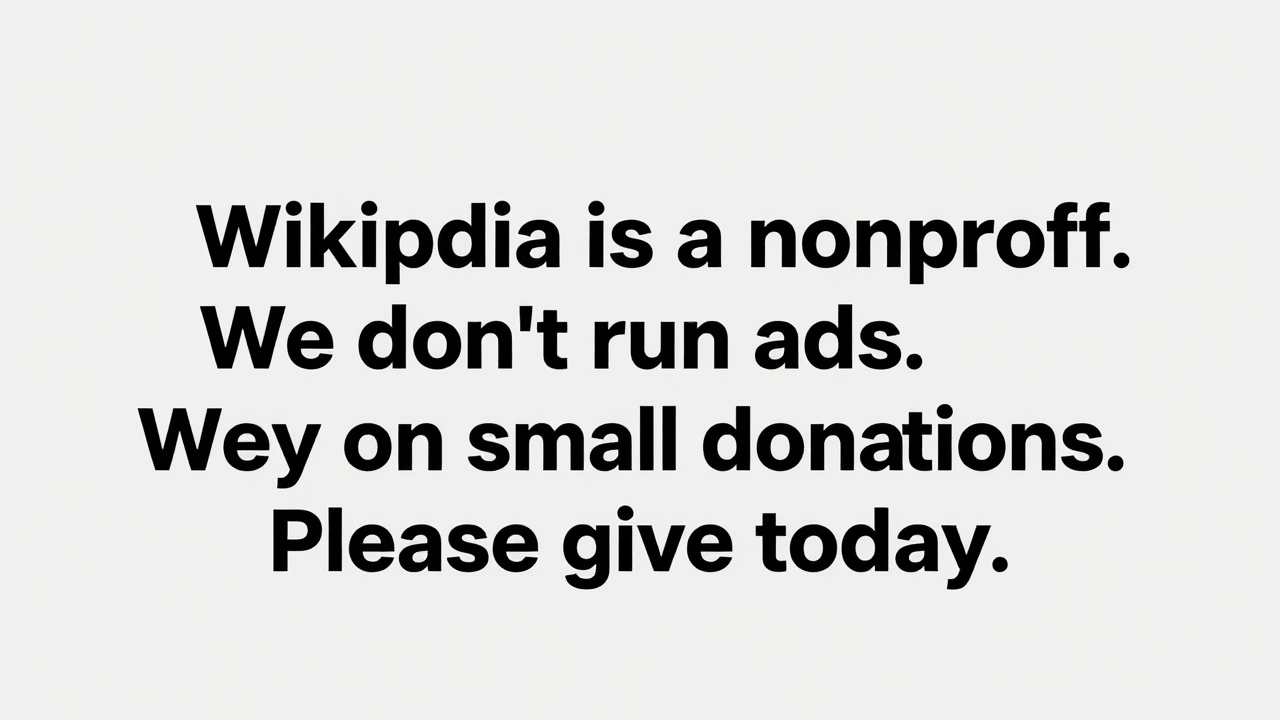
So they changed. They started testing different versions: short vs. long, emotional vs. factual, personal stories vs. stats. One version said, “Wikipedia is free because people like you donate.” Another said, “1% of readers give. Will you be one of them?” The winning version wasn’t the most emotional. It was the clearest. It said: “Wikipedia is a nonprofit. We don’t run ads. We rely on small donations. Please give today.” Simple. Honest. No fluff.
They also stopped showing banners to users who had donated in the past year. Why? Because 87% of donors don’t give again within 12 months, but 92% of those who do give again are repeat donors. Targeting matters more than frequency. They learned that asking too often drives people away, not toward.
Community Consultation: What Users Really Said
Between 2023 and 2025, the Wikimedia Foundation ran three major community consultations. They didn’t just poll users-they held live forums, published open drafts, and invited edits to their fundraising proposals. Over 12,000 people participated. Not just donors. Editors. Teachers. Students. Librarians.
One of the biggest concerns? Transparency. People wanted to know exactly where the money went. So the Foundation started publishing quarterly breakdowns: 68% for server costs and site maintenance, 15% for staff salaries (mostly engineers and translators), 8% for outreach and education programs, 4% for legal and admin, and 5% for reserves. No jargon. No spreadsheets. Just plain numbers.
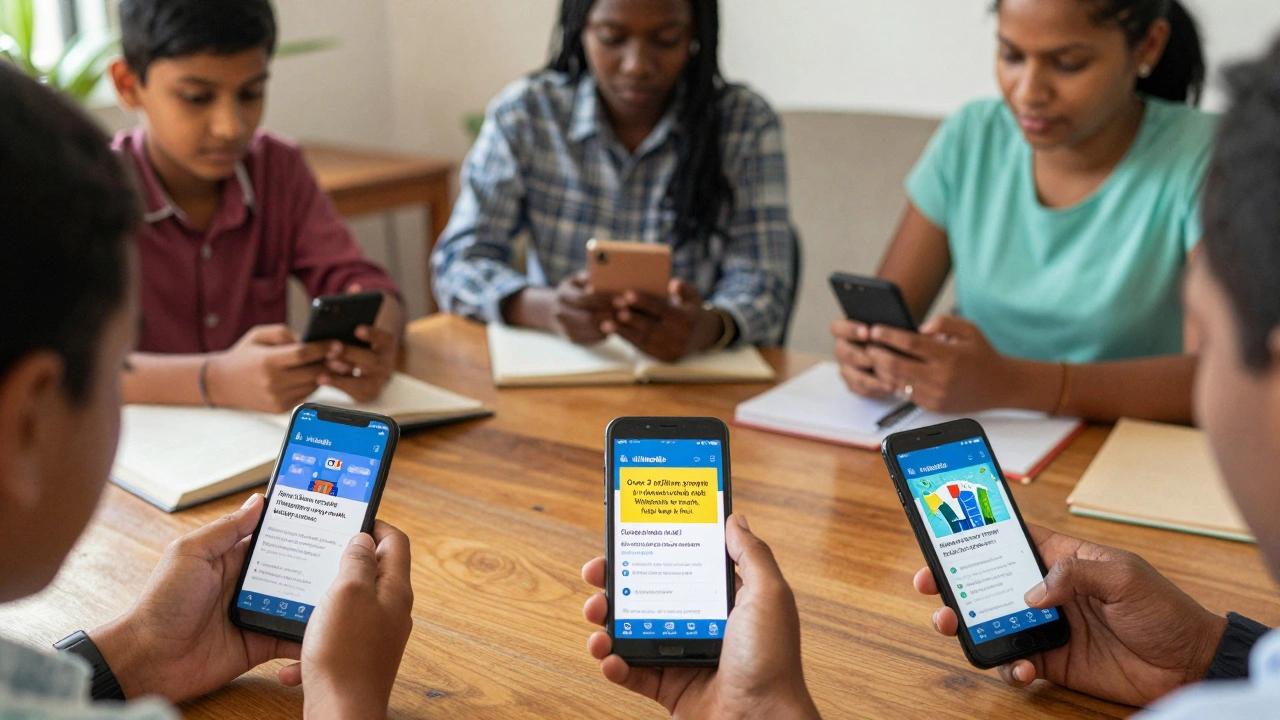
Another big theme: localization. Users in India, Brazil, and Nigeria said the banners felt too American. The same message didn’t resonate everywhere. So they began testing culturally tailored versions. In Nigeria, a banner said: “Wikipedia is the only place in Nigeria where you can find free, reliable information about your history.” In India, it said: “Over 2 million people in India edit Wikipedia every month. Help keep it free.”
And then there was the feedback about design. People hated the pop-up banners that blocked content. They hated the dark backgrounds that made text hard to read on mobile. They hated being asked to donate during exams or while reading medical advice. So now, banners appear only after 15 seconds of reading, never on mobile during editing mode, and never on pages with medical or emergency content.
The Results: Donations, Trust, and Long-Term Growth
The changes weren’t just about feeling good-they moved the needle. In 2024, donation conversion rates rose by 22% compared to 2022. The average donation increased from $18 to $24. But more importantly, trust improved. A 2025 survey showed that 79% of users who saw the new banners said they “understood why Wikipedia needs donations,” up from 51% in 2021.
Repeat donor retention also jumped. In 2021, only 11% of donors gave again the next year. By 2025, that number hit 18%. That’s not just money. That’s loyalty. That’s people who believe in the mission enough to come back.
Why does this matter? Because Wikipedia doesn’t have investors. It doesn’t have ads. It doesn’t sell data. Its survival depends entirely on people who choose to support it. And that choice is earned-not demanded.
What Works Now: The Current Banner Rules
Here’s what the Wikimedia Foundation uses today, based on real data and community input:
- Length: No more than 3 sentences. No subheadings. No bullet points.
- Tone: Neutral, factual, respectful. No guilt. No urgency. No “last chance” language.
- Placement: Only appears after 15 seconds of page load. Never on mobile editing pages. Never on medical, crisis, or children’s content.
- Frequency: One banner per user every 90 days. Never more than once per month for repeat visitors.
- Localization: 28 language-specific versions, each tested with native speakers. Translations reviewed by volunteer editors.
- Design: Light background, high-contrast text, no images of people. Mobile-first layout.
What Didn’t Work
Not everything stuck. A 2023 test tried using photos of editors to create emotional connection. It backfired. Users said it felt like a “celebrity plea.” Another test used a progress bar showing how close they were to the fundraising goal. People called it manipulative. A version that said “Your donation helps fight misinformation” was rejected in 14 countries because it implied Wikipedia was a political tool, not a neutral source.
They learned: Don’t assume. Test. Listen. Adapt.
Why This Matters Beyond Wikipedia
This isn’t just about fundraising. It’s about how organizations build trust in the digital age. Most nonprofits rely on emotional appeals. Wikipedia’s approach is the opposite. It’s based on transparency, autonomy, and respect. It doesn’t ask you to feel something. It asks you to understand something.
And it works. In a world where people are tired of being sold to, Wikipedia’s quiet, honest approach stands out. It doesn’t scream. It doesn’t beg. It just says: Here’s what we do. Here’s why it matters. You decide.
That’s the real strategy: treating users like adults.
Why doesn’t Wikipedia use ads to fund itself?
Wikipedia has tested ads multiple times since its founding in 2001. Each time, users rejected them. Surveys showed that 86% of readers believed ads would compromise the site’s neutrality. The Wikimedia Foundation concluded that advertising would damage trust more than it would help funding. Instead, they chose small, voluntary donations from millions of users-keeping the site ad-free and independent.
How much money does Wikipedia raise each year?
In 2024, the Wikimedia Foundation raised $182 million from individual donors, foundations, and grants. Over 85% of that came from donations under $100. The average donation was $24. This funding supports 1,000+ staff members, 300+ servers, and 30+ language outreach programs worldwide.
Do editors get paid for their work on Wikipedia?
No, Wikipedia editors are volunteers. The Wikimedia Foundation pays staff to maintain servers, develop software, and support community projects-but not to write articles. Over 80% of edits come from users who have never received any payment. The Foundation does offer small grants for specific events like edit-a-thons, but these are rare and transparently reported.
Can I see exactly where my donation goes?
Yes. The Wikimedia Foundation publishes detailed annual and quarterly financial reports on its website. These include line items for server costs, staff salaries, legal fees, and outreach programs. All documents are in plain language and available in 12 languages. You can also download the full audited financial statements as PDFs.
Why do some countries see different banners?
Banners are localized to match cultural context, language, and usage patterns. For example, in Germany, the banner emphasizes legal protection and data privacy. In Egypt, it highlights access to education in rural areas. In Brazil, it mentions the role of Wikipedia in schools. These versions are created with input from local volunteer communities and tested for clarity and resonance before launch.