Key Takeaways
- Consultations are about gathering a wide range of perspectives, not reaching a simple majority vote.
- The process prevents the Foundation from making "surprise" changes to the user interface or legal terms.
- Community members use these forums to point out technical flaws the developers might have missed.
- The final decision rests with the Foundation, but ignoring the community usually leads to a "community revolt."
The Tension Between Governance and Volunteers
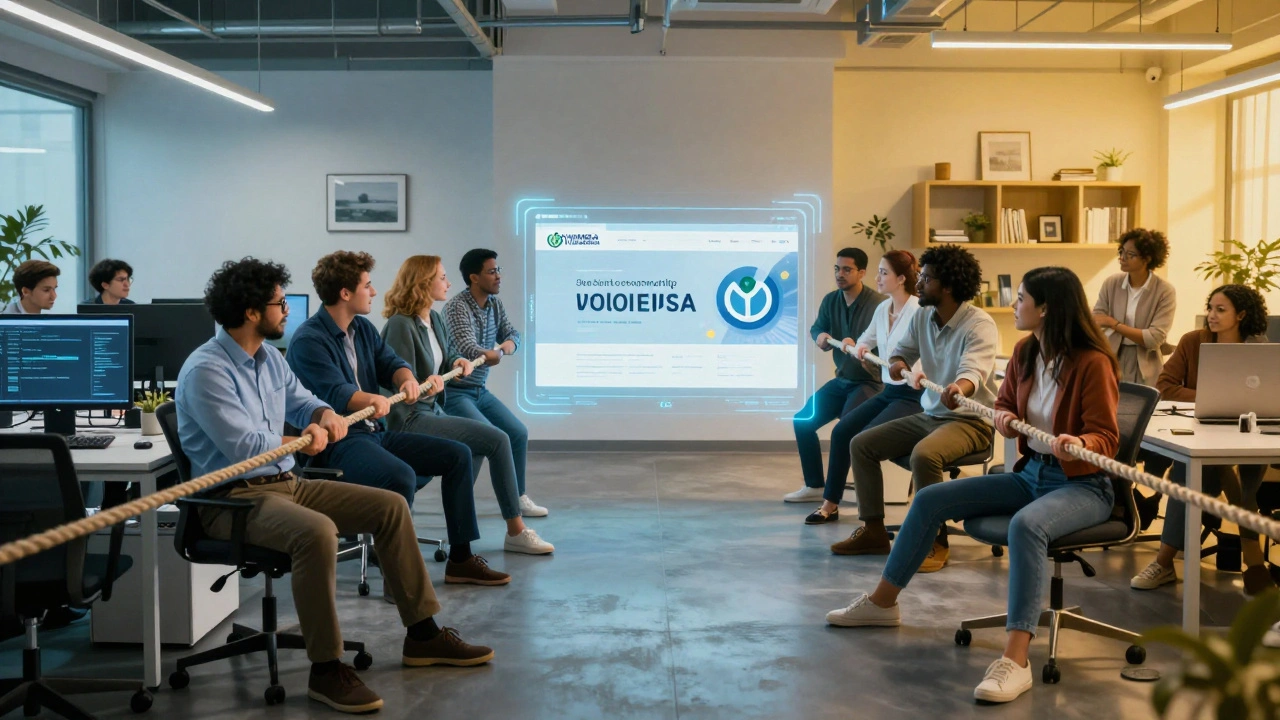
To understand why these consultations exist, you have to understand the split personality of Wikipedia. On one side, you have the Wikimedia Foundation, a non-profit organization based in San Francisco that manages the servers, handles the money, and writes the code. On the other side, you have the Wikipedia Community, a global army of volunteers who write the articles and police the content. If the Foundation simply pushed a button and changed how the entire site looked, they would face a massive backlash. Volunteers feel a strong sense of ownership over the project. When a consultation is launched, it acts as a pressure valve. It's a way for the Foundation to say, "We're thinking about doing X. Tell us why this is a terrible idea before we actually do it." This keeps the project from fracturing into smaller, angry spin-offs.How a Consultation Actually Works
It usually starts with a proposal. The Foundation posts a detailed document on a dedicated page-often on Meta-Wiki, the "wiki about wikis" where the internal plumbing of the project is discussed. This document isn't just a summary; it's usually a deep dive into the technical requirements and the intended goals. Once the proposal is live, the community enters a period of open discussion. This isn't like a Twitter thread; it's a structured conversation where users create new sections to argue their points. A seasoned editor might spend three hours citing obscure 2012 policy precedents to explain why a new feature would break the way they cite sources. A new user might simply say, "This looks confusing, please don't do it."| Feature | Foundation Consultation | Request for Comment (RFC) |
|---|---|---|
| Who leads it? | Wikimedia Foundation | Community members |
| Goal | Gather feedback on a plan | Reach a community consensus |
| Final Power | Foundation makes the call | Community decides policy |
| Focus | Infrastructure, Legal, Global Policy | Article content, Local rules |
The "Consensus" Trap: Why It's Not a Democracy
One of the biggest mistakes people make is thinking these consultations are democratic votes. They are not. If 90% of the people in a consultation hate a change, the Foundation can still go ahead and implement it. However, they rarely do this without a very good reason. Why? Because the people they are ignoring are the same people who maintain the site. Instead of a vote, the Foundation looks for "consensus." This means they aren't looking for a headcount, but rather for an agreement on the *principles* of the change. If the community provides a technical alternative that solves the same problem but doesn't annoy the editors, the Foundation will often pivot. This is a form of soft power. The community doesn't have the legal authority to stop the Foundation, but they have the operational authority to make a rollout fail by refusing to use the new tools.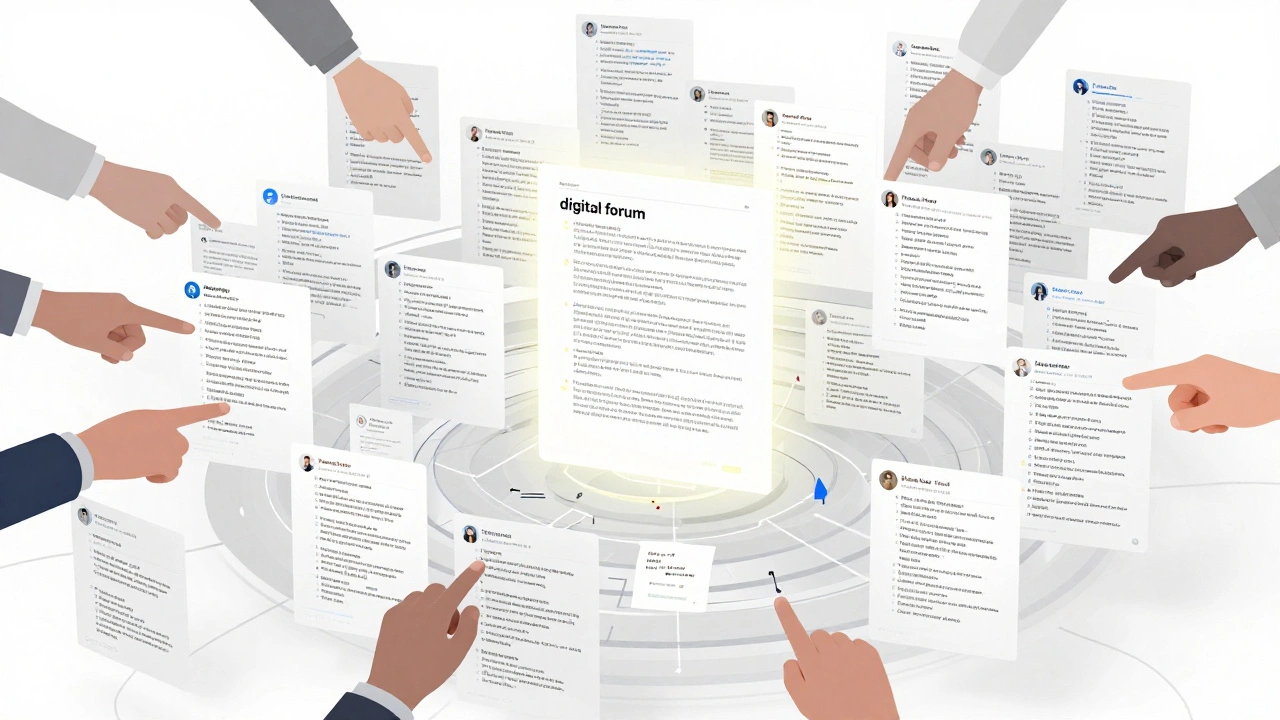
Common Flashpoints in Debates
What do they actually fight about? It's rarely the big things like "should we have an encyclopedia?" Instead, the battles are fought over the details of User Experience (UX) and data privacy. For instance, imagine the Foundation wants to change the VisualEditor-the tool that lets people edit pages without knowing HTML. Some users love it because it's easy; power users hate it because it hides the raw code. A consultation on this topic would see hours of debate over whether the "simplicity" for new users justifies the "clunkiness" for the veterans. Other hot topics include:- Account Requirements: Should people be allowed to edit without an account? (The answer is usually yes, but the debate over how to prevent spam is eternal).
- Privacy Policy: How much data can the Foundation collect about its users? The community is notoriously protective of anonymity.
- Mobile Layouts: Changes to the mobile app often trigger consultations because they change how information is prioritized for the average reader.
The Outcome: From Feedback to Implementation
After the consultation period ends-which can last from a few weeks to several months-the Foundation releases a summary. They don't just say "thanks for the feedback." They typically categorize the comments: "We heard your concerns about X, and here is how we are adjusting the plan to fix it." Or, "We understand that Y is unpopular, but we must proceed because of legal requirements in the EU." This transparency is the secret sauce. Even when the community loses the argument, they feel heard. If the Foundation can prove that they considered the community's input and have a logical reason for overriding it, the community generally accepts the result. If the Foundation just disappears for three months and comes back with a finished product that ignores everything, expect a digital firestorm.
Pitfalls and Criticisms of the Process
It's not a perfect system. One major issue is the "vocal minority." A few hundred very active editors can dominate a consultation, making it seem like the entire world hates a change when 99% of the users (who just read and don't edit) wouldn't care. There's also the issue of language barriers. While English Wikipedia is the largest, the project is global. If a consultation is primarily conducted in English, editors from the Japanese or Arabic versions of the site might feel left out of the conversation. The Foundation tries to mitigate this by translating proposals, but the nuance often gets lost in translation.Can a community member start a Foundation-Community Consultation?
No, these specific consultations are initiated by the Wikimedia Foundation. However, community members can start their own "Requests for Comment" (RFCs) to change internal Wikipedia policies. If an RFC gains enough momentum, it might prompt the Foundation to start a formal consultation on the technical implementation of that policy.
What happens if the community unanimously rejects a proposal?
While the Foundation has the legal right to implement any change, a unanimous rejection usually leads to the proposal being scrapped or heavily redesigned. The Foundation relies on the community's goodwill to keep the site running; pushing through a universally hated change is seen as a high-risk move that could alienate the project's core workforce.
Where can I find active consultations?
Most consultations take place on Meta-Wiki. You can usually find them under the "Foundation" or "Consultations" namespaces. The Wikimedia Foundation also occasionally announces them via their official blog or mailing lists.
Is a consultation the same as a vote?
Absolutely not. A vote results in a binary yes/no or a percentage. A consultation is a qualitative data-gathering exercise. The goal is to understand the "why" behind the objections, not just how many people object.
Does the Foundation have to follow the community's advice?
They aren't legally required to, but they are socially and operationally incentivized to. The relationship is a partnership. If the Foundation ignores the community's expert advice on how a feature works, they risk breaking the site or causing a mass exodus of experienced editors.