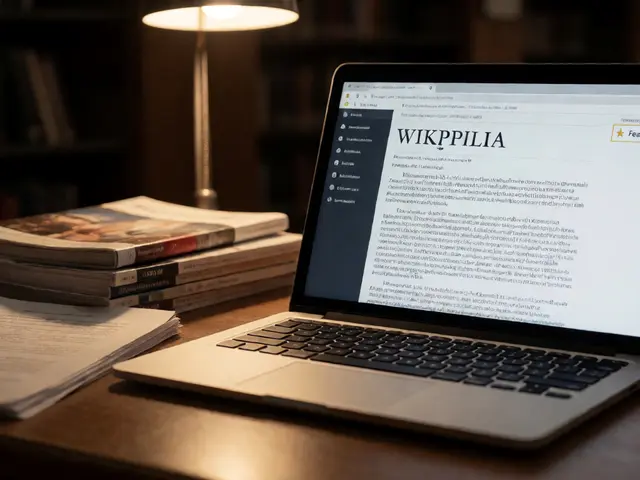
Most people think of Wikipedia as a place to look up facts-not to build a journalism career. But for hundreds of volunteers, editing Wikipedia isn’t just a hobby. It’s the first step into a deeper kind of reporting: community journalism. The path from making small edits to writing for Signpost, the official Wikipedia newsletter, isn’t about credentials or degrees. It’s about showing up, paying attention, and caring enough to write the stories no one else is telling.
How Wikipedia Editors Become Community Reporters
Every day, thousands of people make minor fixes on Wikipedia: correcting typos, updating birth dates, adding citations. But a small group does more. They notice patterns. They see the same controversial edits on political articles. They track how misinformation spreads in articles about local schools or public health. They start documenting it-not in a personal blog, but in the talk pages, edit summaries, and eventually, in the Signpost.
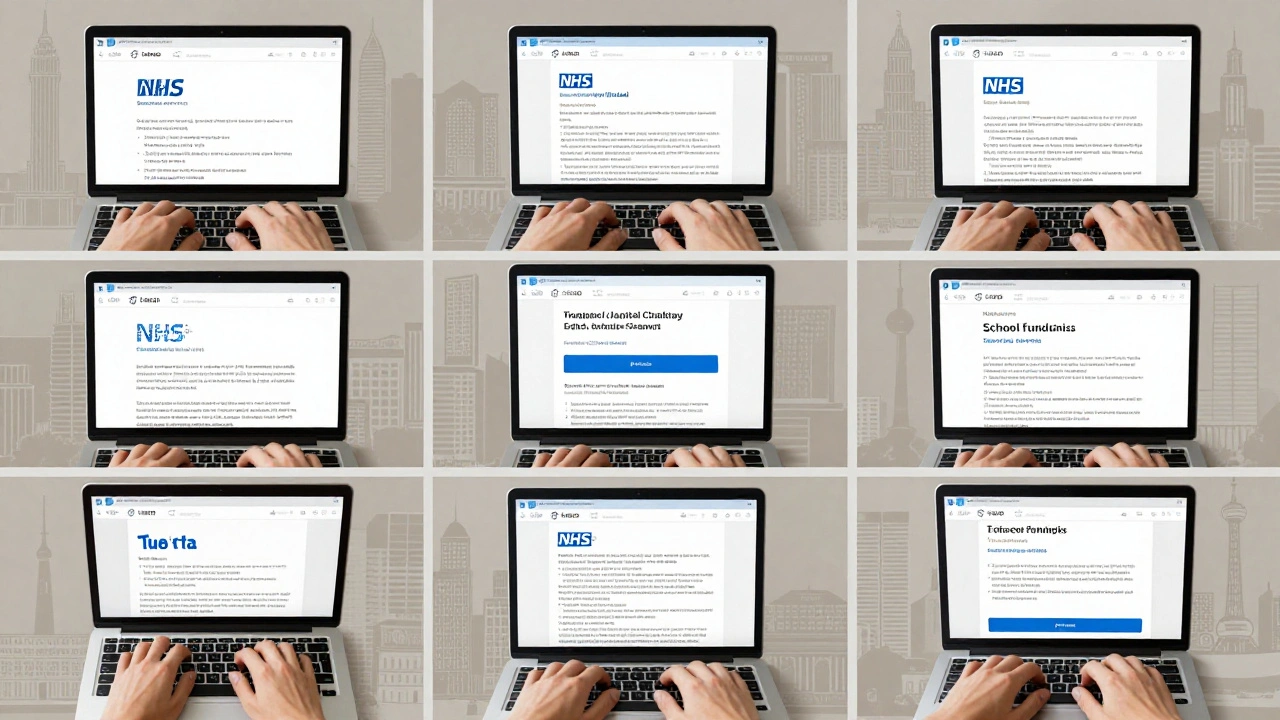
The Signpost isn’t a corporate news outlet. It’s run entirely by volunteers. Its reporters aren’t paid. They’re editors who noticed something broken and decided to fix it-not just the article, but the conversation around it. One editor in the UK started writing weekly summaries of vandalism trends on articles about NHS hospitals. Another in Canada tracked how local government corruption stories kept disappearing from municipal Wikipedia pages. These weren’t breaking news stories in the traditional sense. But they were the kind of reporting that kept communities informed when local newspapers shut down.
The Skills You Already Have
You don’t need a journalism degree to write for Signpost. You need:
- Attention to detail-spotting when a source is outdated or a citation is fake
- Patience-waiting for consensus on talk pages, not rushing to publish
- Neutral tone-writing facts without editorializing
- Resilience-handling pushback from other editors who don’t like being called out
These are the same skills that make great community reporters. Local journalists who cover city council meetings, school board votes, or zoning disputes rely on these exact abilities. The difference? Wikipedia editors do it in public, on a global platform, with no byline, no pay, and no guarantee anyone will read it.
But here’s the truth: people do read it. The Signpost gets over 100,000 monthly readers. Many of them are librarians, teachers, and researchers who rely on Wikipedia as a starting point for deeper investigation. When a Signpost article exposes a pattern of biased editing on a major topic-like climate change or election results-it triggers real-world changes. Universities update their research guides. Media outlets cite the Signpost in their own reporting. That’s the power of community journalism done right.
How to Start Writing for the Signpost
There’s no application form. No interview. No submission portal. You just start. Here’s how:
- Choose one topic you care about. It could be public transportation in your city, the history of a local landmark, or how a school district handles student data. Stick to it for at least three months.
- Track every edit. Use Wikipedia’s Recent Changes feed and set up email alerts for that page. Note who edits it, when, and what they change.
- Start a draft on your user page. Write a short summary of what you’ve noticed. Don’t worry about polish. Just get the facts down.
- Ask for feedback. Post your draft on the Signpost’s talk page. Volunteers there will help you shape it. Many first-time writers get their first article published after just two rounds of edits.
- Submit it. Once it’s ready, someone with admin rights will move it into the Signpost archive. Your name goes on it. No one else’s.
One of the most-read Signpost articles in 2025 was written by a 17-year-old student in Nairobi. She noticed that articles about Kenyan elections kept being rewritten by anonymous editors using the same IP address. She documented the changes, cross-referenced them with public voter data, and published a 1,200-word piece. Within a week, three major African news outlets linked to it. The Wikipedia community added a new template to flag suspicious edits on election pages.

Why This Matters Now
Over 60% of Americans say they don’t trust their local newspapers. In Europe, over 1,200 local news outlets have closed since 2010. But Wikipedia? It’s growing. More than 1.5 billion people visit it every month. And the people who edit it? They’re not just archivists. They’re the last line of defense against misinformation in places where traditional journalism has vanished.
When a town loses its weekly paper, the Wikipedia page for its city council becomes the most reliable source of information about budgets, meetings, and corruption investigations. But only if someone is watching it. Only if someone is writing about what’s happening behind the scenes.
Community journalism isn’t dead. It’s moved online. And it’s being written by people who started by fixing a single typo.
What Happens When You Write for the Signpost
Writing for the Signpost doesn’t lead to a job at CNN. But it leads to something more valuable in today’s world: credibility.
Editors who regularly contribute to Signpost are often invited to collaborate with universities, libraries, and even local governments. A reporter in Belfast wrote a series on how Wikipedia articles about Northern Irish history were being manipulated by foreign actors. The Irish government cited her work in a public awareness campaign. A former editor in Chicago now trains high school journalism students to use Wikipedia as a tool for civic reporting.
The path from editor to reporter is simple: notice something. Write it down. Share it. Repeat.
There’s no prize. No promotion. But there’s impact. And that’s what keeps people going.
Do I need to be an expert on Wikipedia to write for Signpost?
No. You don’t need to be an admin or have thousands of edits. Many first-time contributors have fewer than 100 edits. What matters is that you’ve noticed a pattern-like repeated vandalism, biased edits, or missing sources-and you’re willing to document it clearly. The Signpost team helps new writers shape their stories. You just need to start.
Can I write about my own community?
Absolutely. In fact, the most impactful stories come from local editors who know their communities best. Whether it’s a small town in Ohio or a neighborhood in Jakarta, if you see edits that misrepresent local history, politics, or public services, your perspective is valuable. The Signpost has published articles on everything from school funding in rural Brazil to water rights disputes in Australia.
Is Signpost only for English Wikipedia?
No. While the English-language Signpost is the largest, there are active community newsletters in over 30 languages, including Spanish, Arabic, Hindi, and Japanese. Many editors contribute to both their local version and the English one. If you’re fluent in another language, you can start a similar project in your own Wikipedia community.
How long does it take to get published?
It varies. Some articles are published within two weeks. Others take months, especially if they cover complex topics requiring extensive sourcing. The key is persistence. Most successful contributors submit multiple drafts, respond to feedback, and refine their writing. There’s no rush. The goal is accuracy, not speed.
Do I need to be anonymous?
No. Many contributors use their real names. Others use pseudonyms. The Signpost doesn’t require anonymity, but it does require transparency. If you’re editing a topic you’re personally connected to-like your employer or a family member-you’re expected to disclose that. Honesty builds trust, even if you’re not paid.