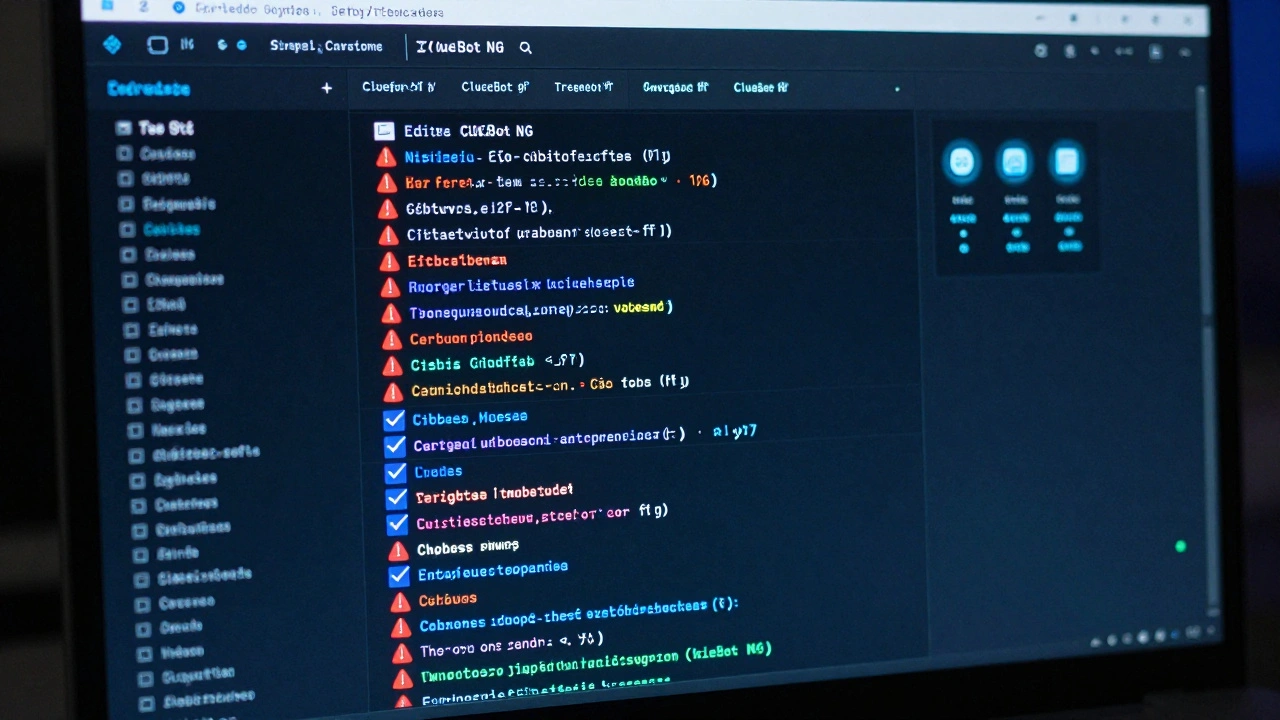
Every minute, Wikipedia loses about 200 edits to vandalism. But the site's defenders spring into action faster than you can blink. Automated systems like ClueBot NG an automated bot that detects vandalism with over 90% accuracy scan edits in real-time. It processes over 10,000 edits per hour, catching common patterns like gibberish or offensive language. Edit filters automatically block harmful edits before they're saved also help by stopping spam or offensive content before it appears. Human patrollers also monitor the Recent Changes page, reviewing edits manually. Together, these systems catch about 95% of vandalism within seconds. This speed is crucial because even minor vandalism can spread quickly if left unchecked.
Reverting Vandalism: Quick and Efficient
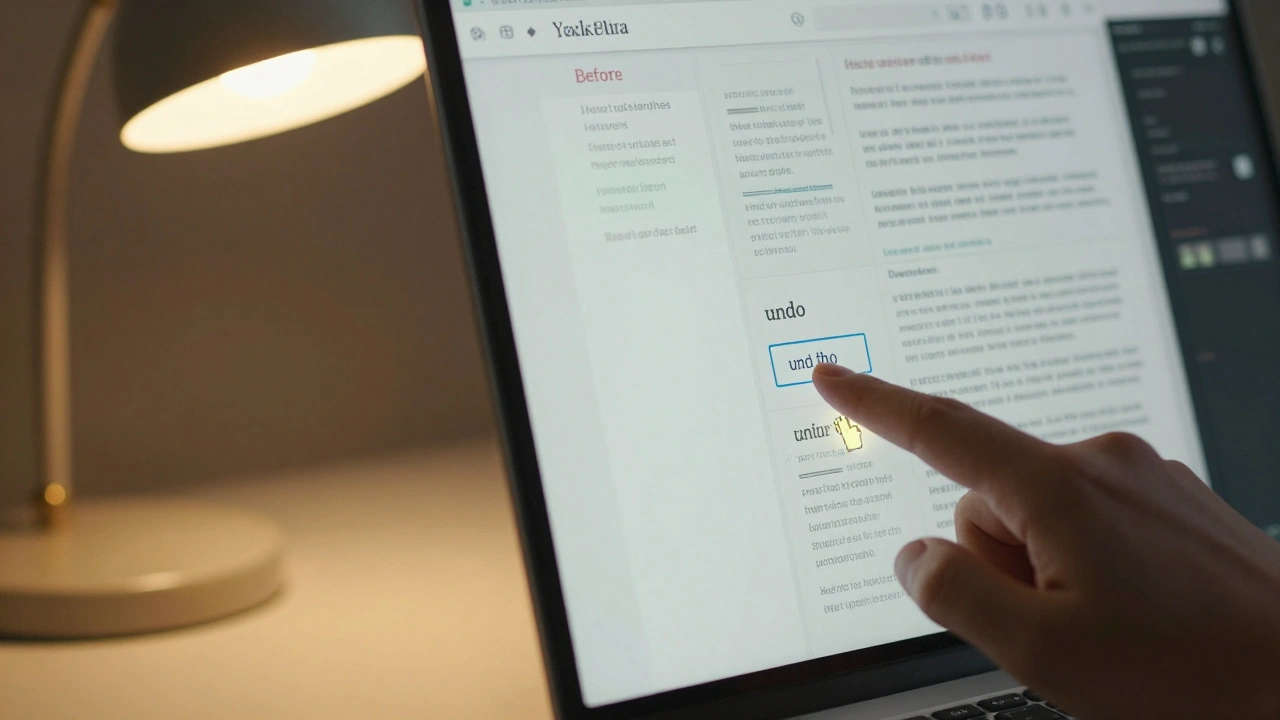
Once vandalism is detected, reversion happens fast. The rollback tool a feature that allows one-click reversion of edits lets administrators undo changes instantly. Regular users can also revert edits by using the history page. For example, if someone adds fake information to a page, another user can click "undo" in the history, which reverts the edit in seconds. Most vandalism is fixed within five minutes. Without these tools, Wikipedia would be overwhelmed by false information.
Protection Levels: When and Why Pages Are Locked
Some pages need extra security. Wikipedia uses different protection levels based on threat level. Semi-protection restricts editing to registered users is common for high-traffic pages like politicians or celebrities. Only registered users can edit these pages, which stops anonymous vandals. Full protection allows only administrators to edit is used for controversial topics with persistent vandalism. Extended confirmed protection requires users to have 30+ days and 500+ edits protects election-related pages during voting season. IP blocking blocks specific IPs from editing targets repeat offenders. Here's a comparison of these levels:
| Protection Level | Who Can Edit | Typical Duration | Example Use Case |
|---|---|---|---|
| Semi-protection | Registered users only | 1 week to several months | High-traffic pages like politicians or celebrities |
| Full protection | Only administrators | Indefinite | Controversial topics with persistent vandalism |
| Extended confirmed | Users with 30+ days and 500+ edits | Variable | Election-related pages during voting season |
| IP blocking | Blocks specific IPs | 24 hours to several months | Recurring vandals using the same IP |
Real-World Examples of Vandalism and Protection
Take the page for "Donald Trump". It's semi-protected because of frequent vandalism. During the 2020 U.S. election, election-related pages had extended confirmed protection. In 2016, a false claim about a political candidate spread quickly. Thanks to detection systems, it was reverted in under a minute. Another example is the "COVID-19" page. During the pandemic, it had full protection to prevent misinformation. These examples show how protection levels adapt to real-time threats. Without them, false information could mislead millions.

Common Misconceptions About Wikipedia Vandalism
Many people think vandalism is always obvious. But it's often subtle. For example, changing a date by one day or adding a misleading quote. These edits slip through detection more easily. Another myth is that only bots handle vandalism. In reality, human patrollers catch most issues. Also, some believe protection levels are permanent. But they're usually temporary. Pages are unprotected once stability returns. Understanding these truths helps users trust Wikipedia more.
Frequently Asked Questions
How long does semi-protection last?
Semi-protection typically lasts from one week to a few months, depending on the page's history. Pages with frequent vandalism may stay protected longer, while others are unprotected after a short period once stability is restored.
Can anyone request page protection?
Yes, but it requires a valid reason. Users can ask for protection on the page's talk page or through administrative channels. Administrators review requests based on vandalism history and current threats.
What's the most common type of vandalism?
The most common type is inserting false information or spam links. For example, adding fake birth dates or promoting unrelated products. These edits are usually caught quickly by bots like ClueBot NG.
Do all pages get protected?
No. Only pages with frequent vandalism or high visibility get protection. Most articles remain open to all users. Protection is a last resort when other methods fail.
How do bots like ClueBot NG work?
ClueBot NG uses machine learning to detect vandalism patterns. It analyzes edit history, compares against known vandalism, and flags suspicious changes. With over 90% accuracy, it processes thousands of edits hourly, freeing humans to handle complex cases.