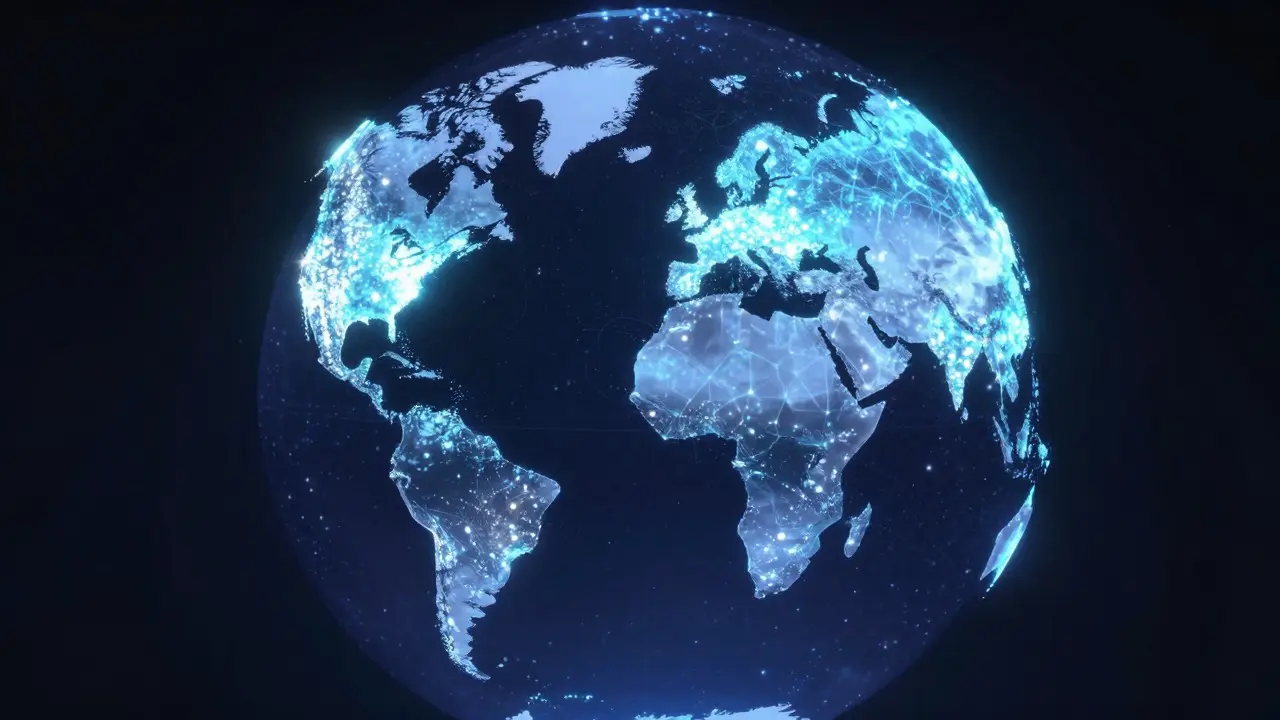
Ever noticed that when you check Wikipedia for a collaborative online encyclopedia where anyone can edit articles to create a comprehensive reference source, the "Current Events" section feels like it’s mostly about the United States and Europe? You’re not imagining it. For years, editors have debated how much weight different regions get in real-time reporting. If you care about global news or contribute to the platform, understanding this imbalance is key to seeing the full picture.
The core issue isn’t just about missing stories; it’s about structural bias. The user base of Wikipedia skews heavily toward North America and Western Europe. This demographic reality shapes what gets documented first, how detailed those entries are, and which local conflicts remain invisible until they make international headlines. Let’s break down why this happens and what you can do about it.
Why Geographic Bias Happens on Wikipedia
To understand the problem, you have to look at who does the editing. Wikipedia relies on volunteer editors, and their distribution mirrors the internet usage patterns of the early 2000s. A significant portion of active editors live in English-speaking countries with high digital literacy. When a major event occurs in Lagos, Nairobi, or Jakarta, there are fewer local experts ready to draft an article immediately compared to events in London or New York.
This creates a lag. By the time an international editor hears about a regional crisis, the initial momentum is gone. Meanwhile, domestic news in the editor’s home country gets updated hourly. This isn’t malice; it’s a resource allocation issue. The more editors in a region, the faster and more accurate the coverage becomes. Regions with fewer dedicated contributors suffer from sparse details, outdated data, and sometimes, complete omission during critical moments.
The Impact on Breaking News Accuracy
When we talk about breaking news on an open platform, speed often trumps depth. In well-covered regions like the US or UK, you’ll see rapid-fire updates on political elections, natural disasters, or corporate scandals. But in underrepresented areas, the same type of event might appear days later, often summarized by foreign wire services rather than local voices.
This affects accuracy in two ways. First, context is lost. A local protest in Southeast Asia might be labeled as a generic "unrest" without explaining the specific policy trigger. Second, naming conventions vary. What one culture calls a "revolt," another might call a "reform movement." Without local input, the neutral point of view (NPOV) can drift toward the perspective of the dominant editing group. This makes the encyclopedia less reliable as a primary source for non-Western events.
How Editors Measure Balance
Wikipedia doesn’t have a single button to fix this, but communities use specific metrics to track disparity. One common method is comparing the number of "Good Articles" or "Featured Articles" per capita across continents. Another is analyzing the edit history of major conflict zones. If an article about a war in the Middle East has 90% of its edits coming from European IP addresses, that’s a red flag for potential bias.
There are also projects specifically designed to address this gap. Initiatives like "WikiProject Africa" or "WikiProject South Asia" aim to recruit local editors and verify sources in native languages. These groups act as quality control teams, ensuring that translations are accurate and cultural nuances are preserved. Joining these projects is one of the most effective ways to improve coverage in your own region.
Practical Steps for Readers and Contributors
If you’re a regular reader, here’s how to navigate the imbalance:
- Cross-reference sources: Don’t rely solely on the Wikipedia summary for major international events. Check local news outlets from the affected region to get ground-level details.
- Check the talk page: Before trusting a controversial current event entry, read the discussion tab. Often, editors debate the neutrality of the text right there, revealing underlying biases.
- Look for cited sources: High-quality current events articles cite multiple independent sources. If all citations are from US or UK media, treat the information with caution.
If you’re willing to contribute, start small. You don’t need to write a full biography. Adding a verified fact, correcting a date, or translating a headline from a local language can make a huge difference. Use the "Edit" button, add a citation from a reputable local newspaper, and save. Over time, these micro-edits build a more balanced archive.
Comparing Regional Coverage Quality
Let’s look at how different regions typically fare in terms of immediate documentation. The table below illustrates the general trends observed in recent years regarding edit frequency and source diversity for major geopolitical events.
| Region | Avg. Edits per Major Event (First 48h) | Primary Source Types | Common Gaps |
|---|---|---|---|
| North America | 150-300 | Local TV, National Papers | Minimal |
| Western Europe | 100-200 | EU Agencies, Local Press | Eastern European nuance |
| East Asia | 50-100 | State Media, International Wires | Domestic social sentiment |
| Sub-Saharan Africa | 10-30 | International Wires, NGOs | Local leadership perspectives |
| South America | 20-50 | Regional Broadcasters | Rural community impact |
Note that these numbers fluctuate based on the severity of the event. However, the ratio remains consistent: the further you move from the Anglophone core, the slower the documentation process becomes. This isn’t a judgment on importance, but a reflection of contributor availability.
Future Improvements and Technology
Is the situation getting better? Slowly, yes. Mobile access in developing nations has exploded over the last decade, bringing new voices into the editing pool. Furthermore, machine translation tools have lowered the barrier for non-English speakers to contribute to the English version of the site. While AI-assisted editing still requires human verification, it allows a journalist in Manila to update an article in minutes rather than hours.
Community guidelines are also evolving. There is a growing push to define "notability" more broadly, recognizing that a local election in a mid-sized city matters just as much as a minor scandal in a capital city. As these standards shift, the definition of what constitutes a "current event" will broaden, reducing the dominance of elite-centric news cycles.
Frequently Asked Questions
Is Wikipedia biased against developing countries?
Not intentionally, but structurally, yes. Because fewer volunteers live in developing regions, local events receive less immediate attention and detail. This leads to reliance on international media, which may frame stories differently than local outlets would.
How can I verify if a current event article is neutral?
Check the references. If all sources are from one country or continent, the perspective may be skewed. Also, read the "Talk" page to see if editors are debating the wording. Disagreements often highlight where bias creeps in.
Do non-English versions of Wikipedia have the same problems?
Yes, but the bias shifts. The French version might prioritize African Francophone countries, while the Chinese version focuses on Asian affairs. No single language version is perfectly balanced globally, so cross-referencing multiple language editions is the best practice for researchers.
What is the role of WikiProjects in fixing geographic gaps?
WikiProjects are volunteer groups dedicated to specific topics or regions. They set quality standards, recruit local editors, and monitor articles for staleness. Joining a regional WikiProject is the fastest way to ensure your area is represented accurately.
Can I trust Wikipedia for breaking news in my own country?
Generally, yes, but always verify. In your home region, the edit count is higher, meaning errors are caught faster. However, during fast-moving crises, facts change rapidly. Treat Wikipedia as a starting point, not a final authority, and confirm details with primary sources.