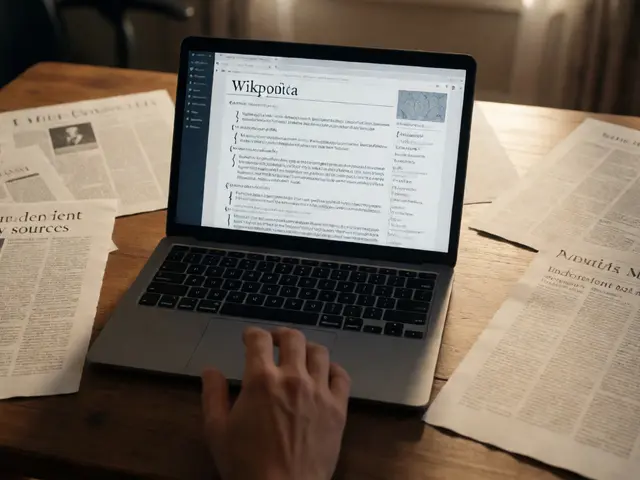
Imagine staring at a blank screen where your carefully researched article used to be. You spent weeks verifying sources, formatting citations, and polishing the prose, only to have it removed by a single editor's vote or a bot's sweep. If you are facing a Wikipedia deletion review, you might feel like shouting into a void. But the truth is that most appeals fail not because the article was bad, but because the editor argued the wrong points in the wrong order.
The Deletion Review (DR) process on Wikipedia is often misunderstood as a second chance to prove an article’s importance. In reality, it is a procedural check. The reviewers are not there to re-evaluate the merits of your topic from scratch; they are there to determine if the original deletion decision followed proper procedure. Understanding this distinction is the first step to saving your content.
Understanding the Procedural Nature of Deletion Review
Before you draft a single sentence for your appeal, you need to grasp what the Deletion Reviewers actually look for. They do not ask, "Is this topic interesting?" They ask, "Was the deletion conducted according to the rules?" This shift in perspective changes everything about how you write your argument.
If an article was deleted via a speedy deletion tag (like G11 for lack of notability), the DR panel checks if the tag was applied correctly. If it was a discussion-based deletion (like a Delete Discussion or DRAFT space removal), they check if the consensus was clear and if all relevant editors were given a chance to speak. Your job is to highlight procedural errors, not just emotional attachment to the subject.
- Speedy Deletions: Check if the criteria met the specific letter of the rule. For example, if a source was cited but the tag said "no sources," that is a procedural error.
- Discussion Deletions: Look for signs of bias, rushed voting, or failure to notify key contributors.
- Bots: Verify if the bot operated within its approved scope.
Common Mistakes That Kill Appeals
Many editors make the same critical errors that lead to immediate dismissal. Avoiding these pitfalls is half the battle.
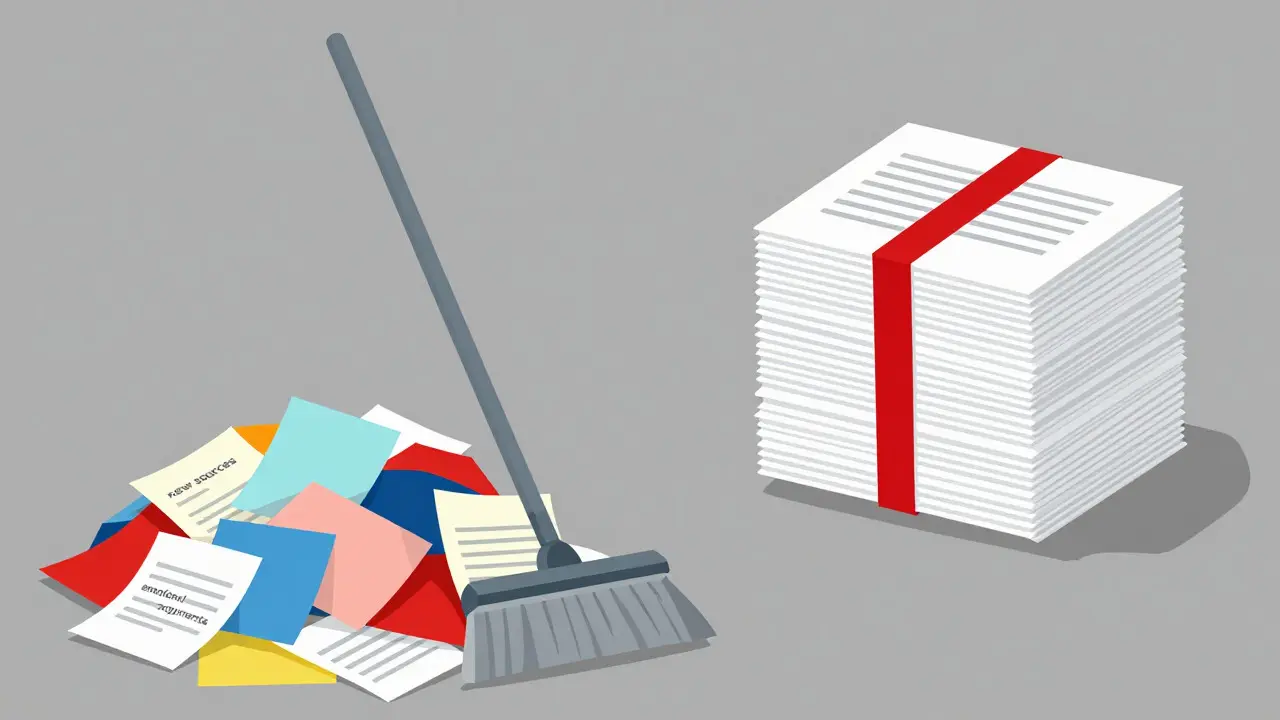
- Fighting the Merits Instead of the Process: Posting ten new sources to prove the topic is notable during a DR is often ignored if the original deletion was procedural. Save new evidence for a Reversion Request or a fresh nomination, unless the DR specifically allows it.
- Being Defensive or Emotional: Phrases like "This is unfair" or "The editor hates me" lower your credibility. Stick to facts, timestamps, and rule citations.
- Missing the Deadline: Most deletions must be appealed within 30 days. After that, the door closes, and you are left with the much harder path of creating a new article from scratch.
- Ignoring the Original Nomination: Read the comments left on the deletion page. Did someone point out a specific flaw? Address that exact point directly.
Crafting a Winning Argument Structure
A successful DR appeal follows a logical flow that makes it easy for busy reviewers to see the error. Do not write a novel. Write a legal brief.
Start with a clear statement of the case. For example: "Article X was deleted under G11 (Notability) on [Date]. However, the cited source [Source Name] explicitly mentions the subject in three paragraphs, meeting the threshold." Then, provide the evidence. Link to the specific section of the source that proves the tag was misapplied. Finally, state the requested outcome clearly: "Requesting restoration due to procedural error in applying G11 criteria."
Keep it concise. Reviewers handle dozens of cases a week. A wall of text will be skimmed, and details will be missed. Use bullet points for evidence. Bold key phrases. Make it effortless for them to say yes.
When to Use New Evidence vs. Procedural Arguments
This is the trickiest part of the strategy. When can you bring in new sources?
Generally, if the deletion was based on a lack of notability, bringing in one or two high-quality, independent sources can strengthen the case, especially if the original deletion was hasty. However, if the deletion was based on a technical issue (like poor formatting or a merge conflict), new sources won't help. You must fix the technical issue first.
| Deletion Type | Primary Focus | New Sources Allowed? | Success Rate Factor |
|---|---|---|---|
| Speedy (G11/G6) | Procedural Error | Yes, if proving notability was missed | High if tag was clearly wrong |
| Discussion (AfD/AdC) | Consensus Clarity | No, usually | Medium; depends on reviewer mood |
| Bot Removal | Scope Violation | No | Low; hard to prove bot error |
Navigating the Community Consensus
Wikipedia runs on consensus, not majority rule. This means that even if 90% of readers think your article should exist, it can be deleted if the core group of active editors agrees it doesn't meet the standard. When appealing, you are asking the DR panel to override that consensus. To do this, you must show that the consensus was flawed, not just unpopular.
Did the original deletion ignore a strong counter-argument? Did the nominator fail to respond to valid objections? These are your hooks. Show that the process broke down, not just that the result was undesirable.

What Happens After the Decision?
If your appeal is successful, the article is restored. You should then immediately engage with the community to prevent another deletion. Add more sources, improve the structure, and perhaps start a talk page discussion to build support before the next cleanup sweep.
If your appeal fails, don't give up. You can often recreate the article under a different title or format, provided you address the specific concerns raised in the DR. Just remember: recreating an article too quickly after a failed DR can look like circumvention, which may lead to account blocks. Wait a few weeks, refine the content significantly, and try again with a stronger foundation.
Practical Tips for First-Time Appellants
If this is your first time dealing with a deletion, keep these tips in mind:
- Read the Manual of Style: Ensure your article complies with basic writing standards before appealing.
- Check Notability Guidelines: Understand exactly what counts as "notable" in your specific field (music, science, business, etc.).
- Be Polite: Even if the deleting editor was rude, stay professional in your appeal. Reviewers notice tone.
- Use Templates: Wikipedia has templates for DR appeals. Using them ensures you hit the right structural notes.
Remember, the goal isn't to win a war. It's to get the article back so it can serve readers. Approach the process with patience, precision, and a focus on procedure, and your chances of success will skyrocket.
How long does a Wikipedia Deletion Review take?
Most DR cases are resolved within 7 to 14 days. Complex cases involving multiple reviewers or significant community debate can take up to 30 days. You will receive a notification when a decision is made.
Can I appeal a deletion if I am not the original author?
Yes. Any registered user can file a Deletion Review appeal, regardless of whether they created the article. However, having a history of constructive editing helps establish credibility with the reviewers.
What is the difference between Deletion Review and Arbitration Committee?
Deletion Review focuses solely on the procedural correctness of a deletion. The Arbitration Committee (ArbCom) handles personal disputes between editors. You should only go to ArbCom if the deletion was part of a larger pattern of harassment or edit wars.
Does a failed DR mean the topic is never notable?
No. A failed DR means the specific deletion was procedurally sound. If you find better sources later, you can create a new article. Notability is a moving target, and new evidence can change the landscape over time.