You might think that citing Wikipedia is the cardinal sin of journalism. It’s the first thing your editor screams about in the morning meeting. "Don't cite Wikipedia!" they yell. But here’s the twist: while you shouldn’t cite it, you should absolutely use it. In fact, some of the most rigorous investigative reporters use this online encyclopedia as their primary launchpad. Why? Because it aggregates public knowledge faster than any single human brain can process. The trick isn't avoiding it; it's using it correctly without getting burned by its pitfalls.
The First Stop: Orientation and Context
Imagine you’re covering a sudden political scandal in a country you’ve never visited. You have ten minutes before your deadline to understand the basics. Do you start reading obscure academic papers? No. You go to the free online encyclopedia that anyone can edit. For news organizations, Wikipedia serves as a rapid orientation tool. It provides the "who, what, where, when" in seconds. This is what editors call "getting the lay of the land." You aren't looking for deep analysis yet; you're building a mental map. You want to know who the key players are, what the timeline looks like, and what the current status of the event is. This initial skim saves hours of digging through fragmented news archives.
But don't stop at the summary. The real value lies in the structure. Look at the infoboxes. These structured data fields often contain precise dates, titles, and affiliations that are easier to scan than prose. If you're researching a tech company, the infobox tells you the founding date, headquarters, and leadership team instantly. This is crucial for breaking news where speed matters. However, always remember: this is a starting point, not the finish line. The goal here is efficiency, not finality.
Following the Breadcrumbs: References and External Links
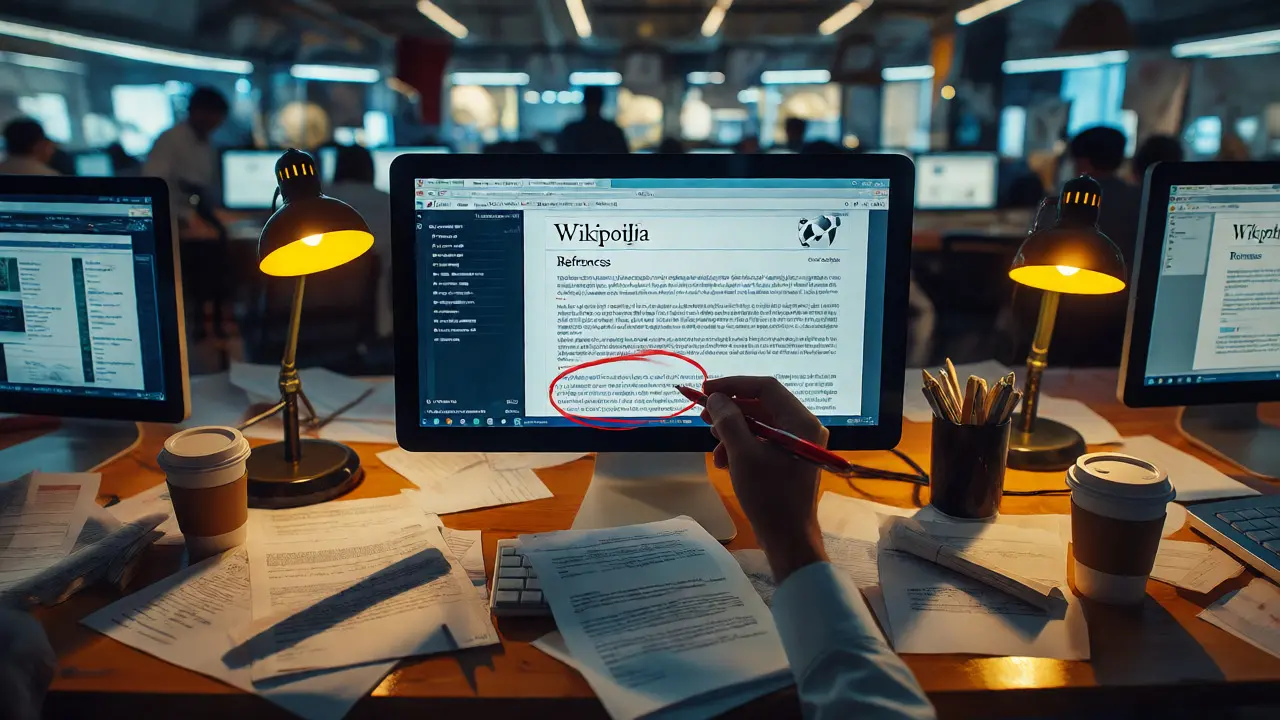
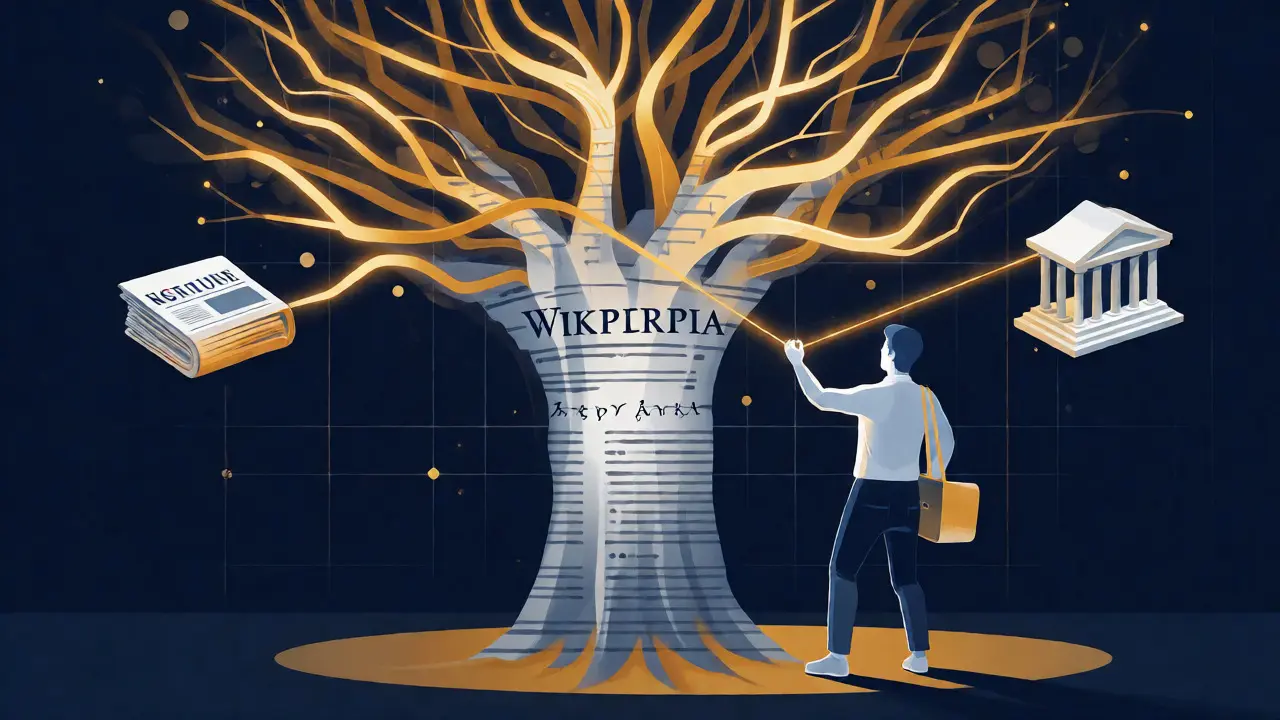
Here is where amateur users get tripped up. They read the article text and assume it’s true. Professional researchers do the opposite. They ignore the main text initially and head straight for the References section at the bottom. This list of citations is the gold mine. Every claim in a well-maintained Wikipedia article should be backed by a reliable source-usually a major newspaper, a government report, or an academic journal. By clicking these links, you bypass the secondary interpretation (Wikipedia) and go directly to the primary or secondary sources that matter. This is how you verify facts without reinventing the wheel.
Let’s say you’re writing about a new medical treatment. The Wikipedia article might summarize the clinical trials. Instead of trusting that summary, click the citation linking to the original study published in The Lancet. Now you have the actual data. You can quote the researchers directly. This method transforms Wikipedia from a questionable source into a powerful index. It acts as a curated bibliography. Journalists often spend more time analyzing the reference list than the article body itself because it reveals the quality of the information. If an article has only three references, all from blogs, you know it’s weak. If it has fifty references from reputable outlets, you have a solid foundation to build on.
Decoding the Talk Page: Understanding Controversy
Most people never look at the "Talk" tab. This is a mistake. The Talk page is where editors argue about the content. For a journalist, this is fascinating detective work. It shows you exactly where the disagreements lie. Is there a dispute over whether a person is a "terrorist" or a "freedom fighter"? The Talk page will show you the debate, the sources cited by each side, and the consensus reached. This context is invaluable for balanced reporting. It alerts you to potential biases and contested narratives before you even start writing.
Consider a historical event with conflicting accounts. The main article presents a neutral summary, but the Talk page reveals that historians disagree on the casualty numbers. As a reporter, you now know to seek out multiple expert opinions rather than accepting one number as gospel. You can also see if certain sources were removed due to bias. This transparency helps you avoid repeating errors that previous editors already caught. It’s essentially a peer-review process happening in real-time. Ignoring it means missing critical nuances that could make or break your story’s credibility.
Ethical Boundaries: When Not to Cite
So, when is it okay to mention Wikipedia in your piece? Almost never in the body text of a hard news report. Style guides from The New York Times to the BBC generally prohibit citing it as a primary authority. Why? Because it’s a tertiary source. It summarizes other sources. If you cite it, you’re citing a summary of a summary. Readers expect you to have done the legwork to find the original. However, there are exceptions. Feature pieces, opinion columns, or stories specifically about media literacy might reference Wikipedia to illustrate a point about public perception or digital culture. Even then, frame it carefully: "According to the Wikipedia entry, which cites X..." rather than just "Wikipedia says..."
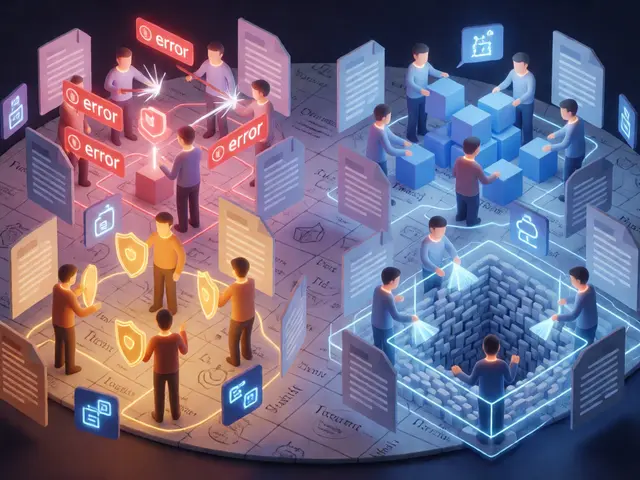
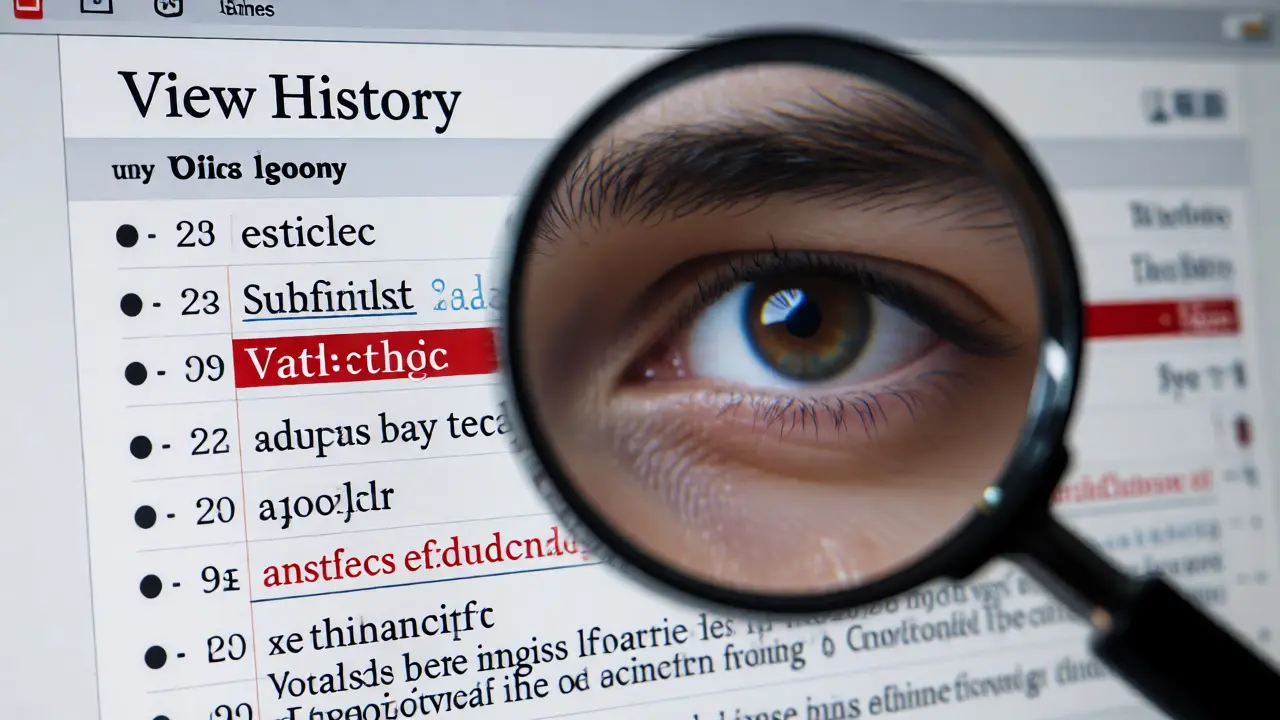
There’s also the issue of vandalism and edit wars. While major articles are heavily protected, niche topics can be vulnerable. A malicious user could alter a fact temporarily. Always check the revision history if something seems off. Click "View History" to see recent edits. If a change was made by an anonymous IP address five minutes ago, be skeptical. Professional researchers treat Wikipedia as a living document, not a static record. This vigilance ensures you don’t propagate hoaxes or temporary errors into your published work.
Practical Workflow for Newsrooms
How do busy newsrooms integrate this into their daily grind? Here is a typical workflow for a researcher tasked with profiling a lesser-known public figure:
- Step 1: Quick Scan. Read the lead section and infobox to grasp basic biographical details.
- Step 2: Source Audit. Check the References section. Are there links to official bios, interviews, or credible news reports?
- Step 3: Cross-Verification. Take two key facts (e.g., birth date, job title) and verify them against a non-Wikipedia source immediately.
- Step 4: Gap Analysis. Identify what’s missing. Does the article lack recent updates? This tells you what questions to ask during an interview.
- Step 5: Contextual Deep Dive. Read the Talk page to understand controversies or disputed facts surrounding the subject.
This process turns a potentially unreliable source into a roadmap. It doesn’t replace traditional reporting; it accelerates it. You still need to call people, visit places, and dig through archives. But you start with a clearer picture, saving time on basic fact-finding.
| Method | Speed | Reliability | Best Use Case |
|---|---|---|---|
| Wikipedia Search | High | Medium (Requires Verification) | Initial orientation, finding leads, understanding context |
| News Archive Search | Medium | High | Historical accuracy, previous coverage, quotes |
| Direct Interviews | Low | Very High | New information, personal insights, exclusive angles |
| Government Databases | Low | Very High | Official records, legal status, financial data |
Beyond Text: Multimedia and Structured Data
Wikipedia isn’t just text anymore. It’s a hub for multimedia. News organizations often use Wikimedia Commons, the media repository associated with Wikipedia, to find images. Many photos are licensed under Creative Commons, meaning you can use them legally with proper attribution. This saves budget on stock photography. But caution is needed. Check the license type carefully. Some require attribution, others allow commercial use, and some prohibit derivatives. Misusing an image can lead to copyright strikes. Always download the metadata and keep a record of the source URL and author name.
Additionally, Wikidata, the sister project, stores structured data. If you’re building a data-driven story, you can pull information directly from Wikidata via API. For example, you can query all mayors of cities in a specific region and compare their terms. This allows for automated fact-checking and large-scale comparisons that would be tedious manually. It bridges the gap between encyclopedic knowledge and computational journalism. Forward-thinking newsrooms are experimenting with this integration to enhance their data storytelling capabilities.
Final Thoughts on Digital Literacy
Using Wikipedia effectively requires digital literacy. It demands skepticism, curiosity, and technical skill. It’s not about blindly trusting or blindly rejecting. It’s about understanding its role in the information ecosystem. For news organizations, it’s a tool for efficiency and discovery. It helps journalists navigate complex topics quickly, provided they follow the trail back to the source. The next time you open that browser tab, don’t just read the words. Look at the footnotes. Check the history. Ask yourself: "Who wrote this, and why?" That question alone elevates your research from casual browsing to professional investigation.
Can I cite Wikipedia in my news article?
Generally, no. Most style guides discourage citing Wikipedia directly in hard news because it is a tertiary source. Instead, use it to find the primary sources listed in the references section and cite those instead. Exceptions exist for feature stories discussing Wikipedia itself or internet culture.
Is Wikipedia reliable enough for fact-checking?
It is reliable for finding leads and verifying basic facts if cross-checked. Studies show it is often comparable to traditional encyclopedias in accuracy, especially for popular topics. However, it is prone to vandalism and edit wars, so always verify critical facts with independent sources before publishing.
What is the 'Talk' page used for?
The Talk page is where Wikipedia editors discuss changes, disputes, and sourcing. For journalists, it reveals controversies, biased interpretations, and the reasoning behind editorial decisions. It helps identify contested facts that require further independent verification.
How do I check for recent vandalism?
Click the 'View History' tab on any Wikipedia article. Review the most recent edits. If changes were made by anonymous users or unregistered IPs recently, scrutinize those changes closely. Compare the current version with the last stable version approved by established editors.
Can I use images from Wikipedia in my publication?
Yes, but you must check the license. Most images on Wikimedia Commons are under Creative Commons licenses. You typically need to provide attribution to the author and link to the license. Some images are public domain, requiring no attribution, while others have restrictions on commercial use.