Wikipedia isn’t just a website. It’s a global network of volunteers who spend thousands of hours every week writing, editing, fact-checking, and defending free knowledge. And behind the scenes, the Wikimedia Foundation quietly funds some of the most creative ideas that keep Wikipedia alive - through its Grants Program. In early 2026, major updates were announced to how those grants are awarded, who gets them, and what kinds of projects now qualify. If you’ve ever wondered how a small team in Indonesia built a mobile app to help elderly users edit Wikipedia, or how a group in rural Kenya started a weekly radio show summarizing Wikipedia articles, this is how they got the money to do it.
What Changed in the 2026 Grants Program?
The biggest shift? The program moved from a rigid, application-heavy system to a more flexible, outcome-focused model. In past years, applicants had to submit 15-page proposals with detailed budgets and timelines. Many talented volunteers gave up because the process felt more like writing a university thesis than applying for a grant. Now, you can apply with a simple 500-word idea, a rough budget, and a plan to measure success. The focus is no longer on paperwork - it’s on impact.
There are now three main grant types:
- Small Impact Grants - up to $2,000 for quick, local projects. Think: a workshop for high school students to learn how to edit Wikipedia in their native language.
- Community Innovation Grants - $2,000 to $10,000 for experiments that could scale. Examples: a voice-based editing tool for visually impaired users, or a chatbot that helps new contributors avoid common mistakes.
- Strategic Partnerships - $10,000 to $50,000 for collaborations with universities, libraries, or NGOs that align with Wikimedia’s mission. These require a formal partnership agreement but offer long-term support.
The application window is now open year-round, with monthly review cycles. That means you don’t have to wait six months for a decision. If your idea is solid, you can get funding in under 30 days.
Who’s Getting Funded Now?
Two years ago, 80% of grants went to projects in North America and Western Europe. That’s changed. In 2025, 62% of funded projects came from regions previously underrepresented: Southeast Asia, Sub-Saharan Africa, Latin America, and Eastern Europe.
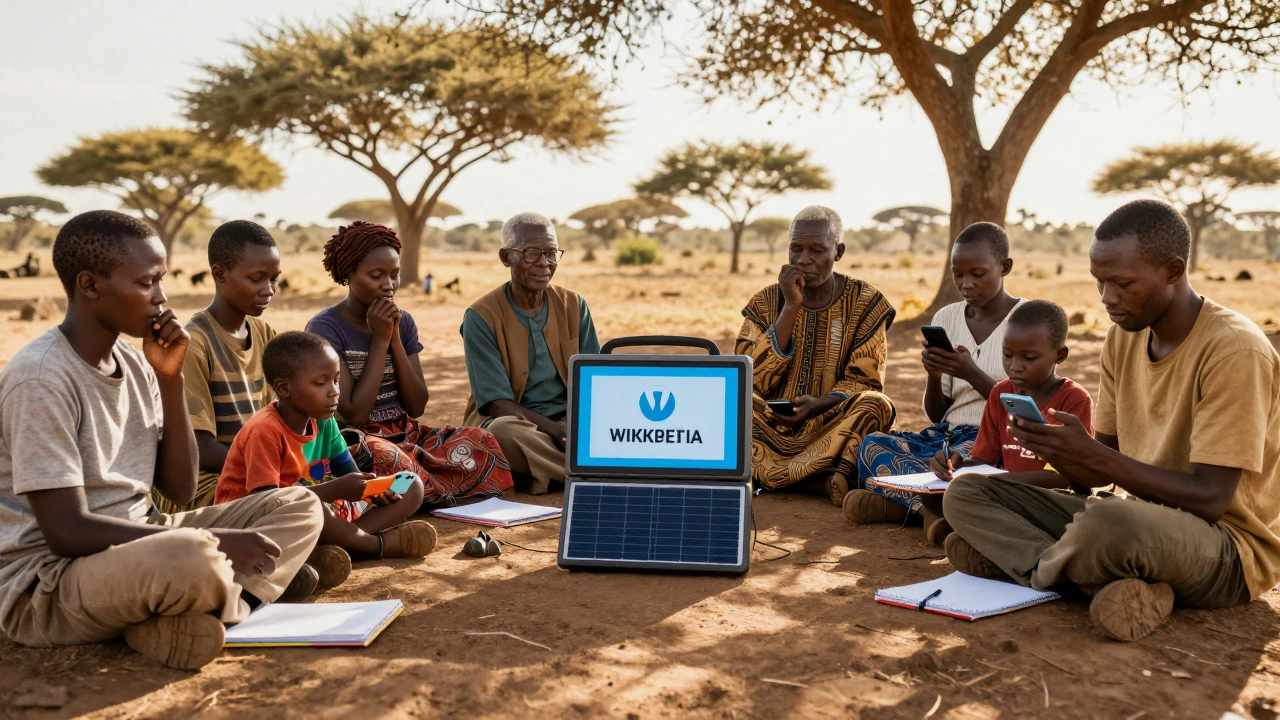
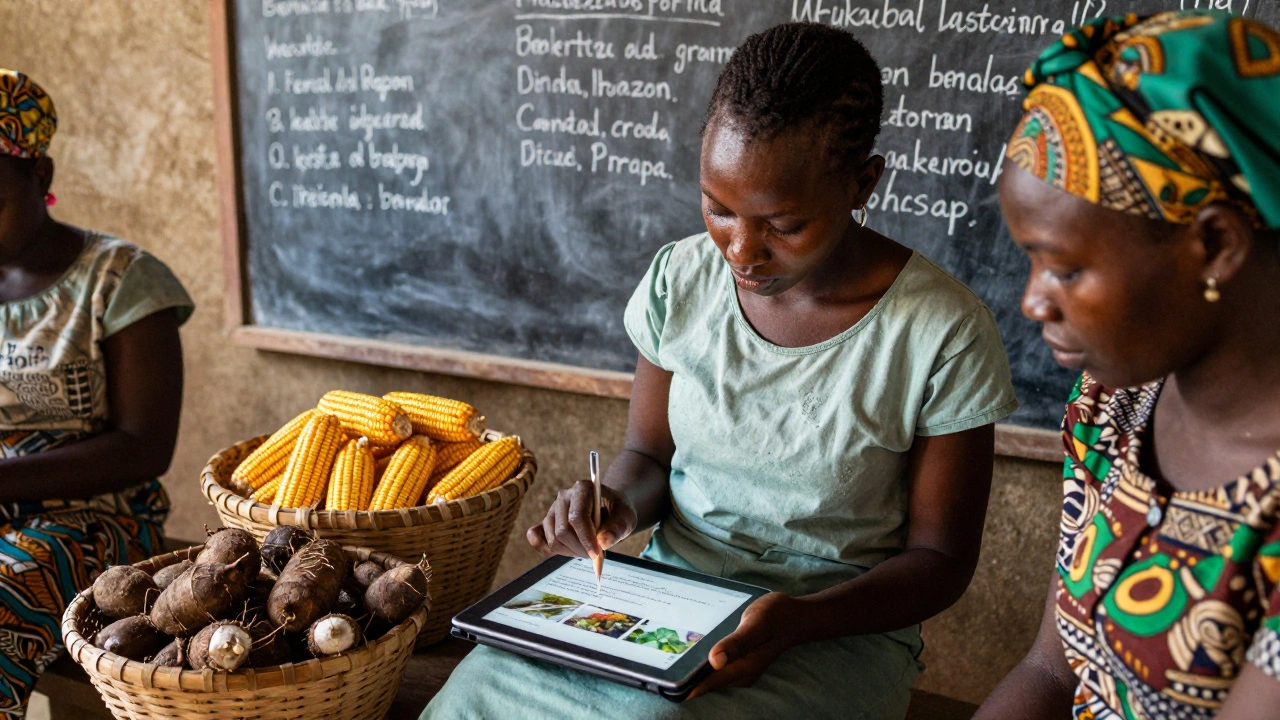
One example: a team in Lusaka, Zambia, received a $5,000 grant to train women in local farming cooperatives to document traditional crop knowledge on Wikipedia. Before, that knowledge was passed down orally - and disappearing. Now, over 300 articles in Bemba and Nyanja have been added, and the project is being replicated in Malawi and Zimbabwe.
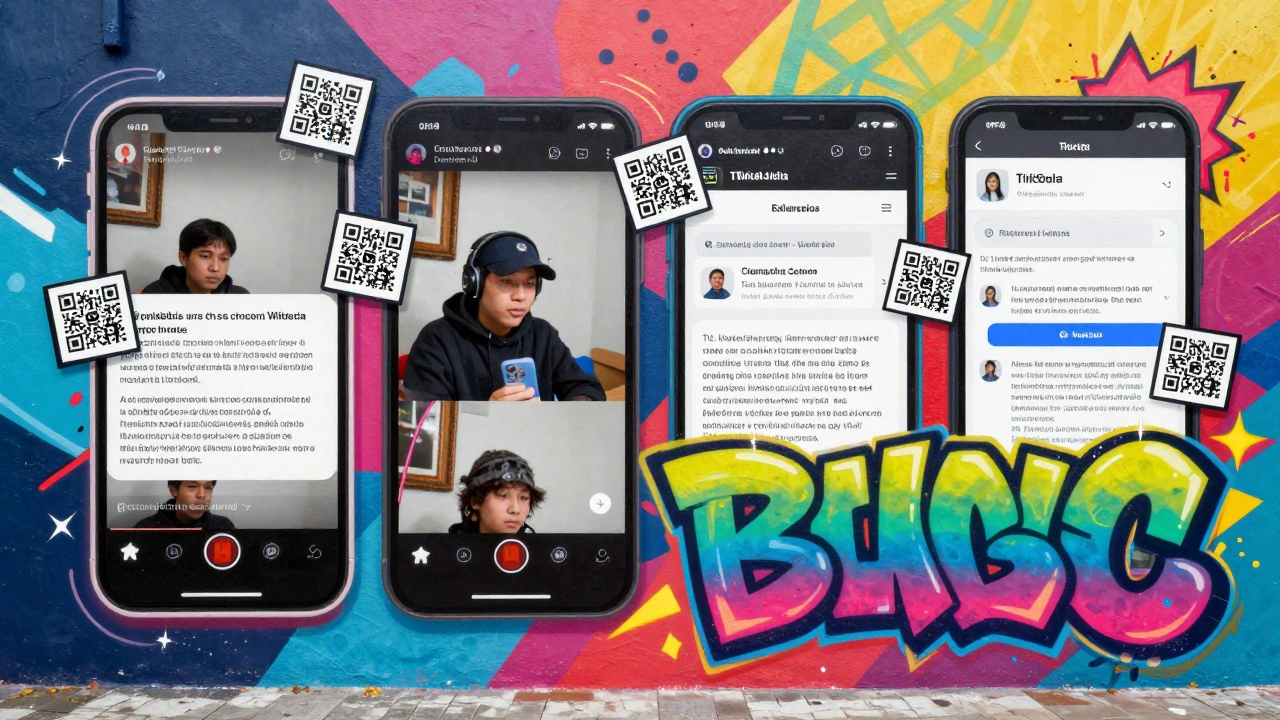
Another: a group of high school students in Manila created a TikTok-style video series explaining Wikipedia’s citation rules. It went viral in the Philippines, reaching over 2 million views. They used their $1,500 grant to buy microphones and lighting equipment - not for fancy editing software, but to make the content feel familiar to young users.
The Foundation is also prioritizing projects that support accessibility. In 2025, 18 grants went to initiatives that made Wikipedia easier to use for people with disabilities - including screen-reader optimized interfaces, simplified navigation for neurodivergent users, and audio summaries for low-literacy communities.
What Kinds of Projects Get Funded?
It’s not just about writing articles. The grants now fund tools, training, outreach, and even tech experiments that might seem small but have ripple effects.
Here are real examples from the last funding round:
- A developer in Brazil built a plugin for LibreOffice that lets users insert Wikipedia citations directly while writing papers - no more copy-pasting URLs.
- A collective in India created a “Wikipedia Reading Club” for senior citizens, meeting weekly in public libraries to discuss articles and edit together.
- A group in Colombia launched a podcast that breaks down complex Wikipedia articles into 10-minute episodes for commuters.
- A volunteer in Ukraine developed a real-time translation tool that auto-translates incoming edits between Ukrainian, Russian, and English, reducing edit wars.
The common thread? All of these projects solved a real problem for real people. They didn’t try to reinvent Wikipedia. They made it work better where it was needed most.
How to Apply - Step by Step
If you’re thinking of applying, here’s how to do it right:
- Start with a problem. What’s broken in your community? Who can’t access Wikipedia? What’s missing from the articles? Don’t start with “I want to make an app.” Start with “Older people in my town can’t read Wikipedia because the font is too small.”
- Keep it simple. You don’t need a team of 10. One person with a clear idea and a plan to test it is enough.
- Measure success. How will you know it worked? Did 50 people use your tool? Did 10 new editors join? Did article views go up? Be specific.
- Use the new online form. Go to meta.wikimedia.org/wiki/Grants. The form has only 10 questions. Answer honestly. No jargon.
- Wait for feedback. Within two weeks, you’ll get a reply. If your idea needs tweaking, they’ll help you refine it - not reject it.
Most applicants don’t get rejected because their idea is bad. They get rejected because they didn’t explain the problem clearly.
What Doesn’t Get Funded?
It’s just as important to know what won’t work.
- Projects that just want to create more articles without addressing access or usability.
- General training programs that don’t tie back to a measurable outcome.
- Projects that duplicate existing tools - like building another Wikipedia mobile app when one already exists.
- Requests for salaries or equipment that aren’t directly tied to the project’s goal.
For example, a request for $10,000 to hire three full-time editors to write articles about local history? That won’t fly. But a request for $2,000 to train 20 local historians to write and edit those articles themselves - with follow-up support -? That’s exactly what they’re looking for.
Why This Matters
Wikipedia is the fifth most visited website in the world. But it’s not growing because of corporate backing or advertising. It’s growing because people like you and me - volunteers with no budget, no office, no title - found ways to make it better. The new grants program is designed to unlock that potential everywhere, not just in places with internet access or tech hubs.
It’s not about money. It’s about trust. The Wikimedia Foundation is saying: We believe you know what your community needs. We’re not here to tell you how to fix it. We’re here to help you try.
That’s why, in 2025, over 1,200 grant applications came in from 97 countries. And nearly 60% of them got funded - the highest approval rate in the program’s history.
What’s Next?
The Foundation is testing a new feature called “Micro-Grants” - tiny $200 awards for ideas that can be tested in a week. Think: printing 50 flyers with QR codes linking to Wikipedia articles about local landmarks. Or hosting a 90-minute edit-a-thon at a community center. These don’t need formal applications. Just submit a photo of your plan and a short video explaining it. If it’s creative and solves a real need, you’ll get the money.
The message is clear: Innovation doesn’t need a big budget. It just needs someone willing to try.
Can I apply for a grant if I’m not a Wikipedia editor yet?
Yes. The grants program encourages new contributors. Many funded projects are led by people who’ve never edited Wikipedia before. What matters is that you understand the problem you’re trying to solve and have a plan to involve the Wikipedia community. The Foundation will connect you with mentors if you need help getting started.
Do I need to be part of a nonprofit to apply?
No. Individuals, informal groups, schools, and community organizations can all apply. You don’t need legal status. The grant is given to the person or team behind the idea, not the organization. You’ll need a bank account to receive funds, but you don’t need a business license.
What if my project fails?
Failure is part of the process. The Foundation expects that not every idea will work. What they care about is what you learned. You’re required to submit a short report after your project ends - even if it didn’t go as planned. That feedback helps them improve future grants. Many successful projects started as failed experiments.
Can I apply for funding to translate Wikipedia articles?
Only if it’s part of a larger effort to improve access. Simple translation without context or community involvement won’t qualify. But if you’re translating articles into a local language and training others to edit and maintain them - yes. The goal is sustainability, not just one-time translation.
How long do I have to spend the grant money?
You have 12 months from the date you receive the funds. For Micro-Grants (under $500), you have 6 months. You’ll need to submit receipts for purchases and a final report showing how the money was used and what impact it had.
If you’ve ever thought, “I wish Wikipedia had more about my town,” or “My grandma doesn’t understand how to use it,” now’s the time to act. You don’t need to be a tech expert. You don’t need to be rich. You just need to care enough to try.