Quick Summary:
- Edit-a-thons break down the technical and social barriers that keep marginalized groups off Wikipedia.
- They target "systemic bias" by creating targeted sprints to document underrepresented figures.
- These events shift the site from a solitary hobby to a collaborative social act.
- The result is a more accurate, global record that reflects actual human history, not just a slice of it.
What Exactly Is an Edit-a-thon?
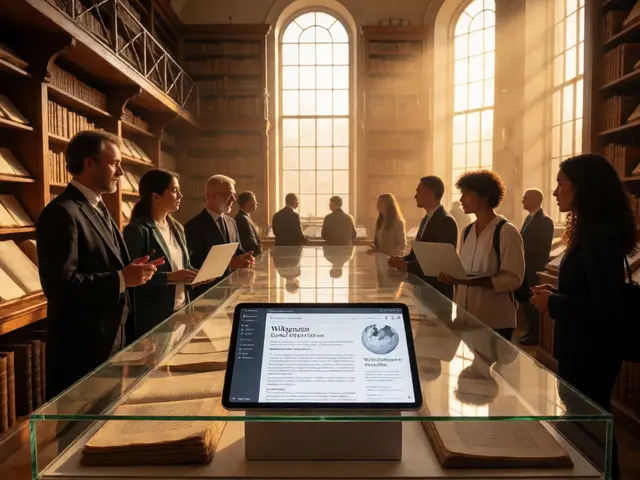
At its core, Wikipedia is a multilingual online encyclopedia written collaboratively by volunteers. While it sounds open, the learning curve for a new editor is steep. You have to deal with complex markup, strict sourcing rules, and a community that can be intimidating to newcomers. An edit-a-thon is a organized event-sometimes a one-day workshop, sometimes a month-long campaign-where people gather to create new articles or improve existing ones on a specific theme.
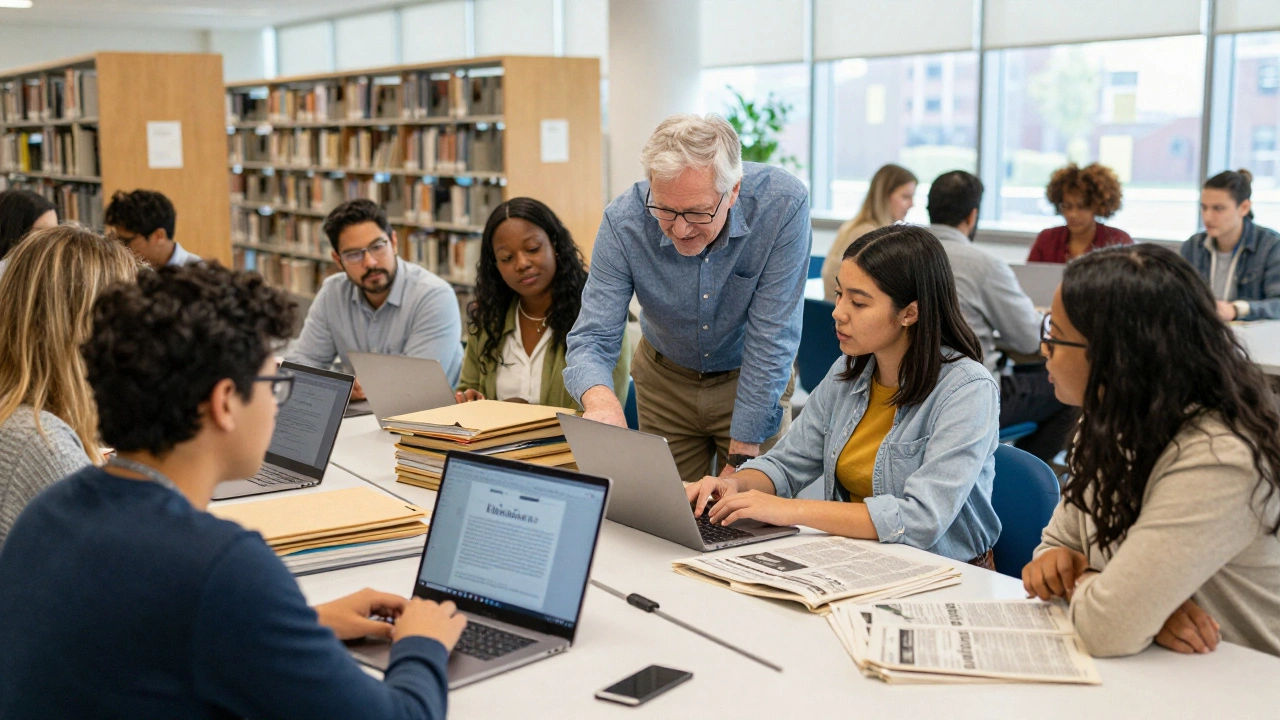
Think of it as a "hackathon" for history. Instead of coding an app, participants are coding knowledge. By bringing people together in a physical or virtual space, the intimidation factor vanishes. If you get stuck on how to cite a source, there is a seasoned editor right next to you to show you the way. This social support system is the secret sauce that turns a curious visitor into a contributor.
The Problem of Systemic Bias
To understand why these events matter, we have to talk about Systemic Bias. In the context of an encyclopedia, this isn't about a single person being prejudiced. It's about the gap between the reality of the world and the reality of the content. For years, Gender Gap statistics showed that a tiny fraction of biographies were about women. If the editors are predominantly one group, they naturally write about the people they find interesting or relevant. This creates a feedback loop where the "important" people of history are defined by a very narrow group of writers.
This bias extends beyond gender. It hits ethnic minorities, LGBTQ+ individuals, and people from the Global South. When we rely on Wikipedia for research, we aren't just getting facts; we're getting a reflection of who held the power to write those facts. Edit-a-thons deliberately break this cycle by inviting people from the very communities that are missing from the site.
How Edit-a-thons Actually Move the Needle
It's one thing to say "everyone should edit," but that rarely works. Edit-a-thons use specific strategies to ensure they aren't just adding more of the same. First, they focus on targeted content gaps. For example, an event might focus exclusively on women in STEM or African independence leaders. By narrowing the scope, organizers can identify exactly which biographies are missing and find the reliable sources needed to create them.
Second, they provide safe spaces. For many people, the public nature of Wikipedia is scary. One wrong move and you get a "warning" from an anonymous administrator. In a curated edit-a-thon, the environment is supportive. Participants learn the ropes in a low-stakes setting, which builds the confidence they need to keep editing long after the event ends. This is how a one-day event turns into long-term digital inclusion.
| Feature | Solo Editing | Edit-a-thon Approach |
|---|---|---|
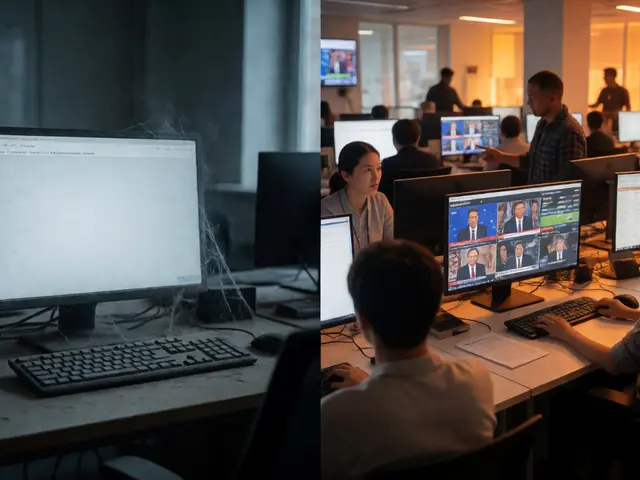
| Learning Curve | Steep, trial-and-error | Guided, real-time support |
| Motivation | Individual interest | Collective community goal |
| Content Focus | Random/Personal | Strategic gaps (Diversity-focused) |
| Retention Rate | Low for newcomers | Higher due to social bonding |
The Role of Reliable Sources and Verifiability
One of the biggest hurdles in diversifying Wikipedia is the Verifiability requirement. Wikipedia doesn't care if something is true; it cares if it can be proven via a reliable source. Here is the catch: marginalized people are often under-documented in traditional media and academic journals. If a woman from a rural village changed her community's economy in the 1950s, but no newspaper wrote about it, she doesn't meet the "notability" criteria.
Edit-a-thons tackle this by partnering with libraries, universities, and archives. When organizers bring in librarians who know how to dig through old microfiche or obscure digital archives, they find the evidence needed to satisfy Wikipedia's strict rules. They aren't just writing articles; they are performing a rescue mission for forgotten history. This process transforms the act of editing into a form of digital activism.
Beyond the Page: The Social Impact
The impact of these events goes beyond the number of words added to a page. There is a psychological shift that happens when someone from an underrepresented group sees their culture or identity reflected accurately on the world's most visited reference site. It's a claim of ownership over their own narrative. When a student in Nairobi finds a detailed, well-sourced page about a local Kenyan innovator, it validates that their history is worth documenting.
Moreover, edit-a-thons build bridges between academic institutions and the general public. By moving knowledge out of gated journals and into the Open Access ecosystem, these events democratize information. They turn the ivory tower of academia into a public square where anyone with an internet connection can learn about the diversity of human achievement.
Avoiding the Pitfalls of "One-Off" Events
Not all edit-a-thons are created equal. Some are "vanity projects" where a company or organization spends a day adding pages about their own staff or products, which often get deleted for lacking notability. The most successful events are those that prioritize long-term sustainability. This means focusing on editor retention. If 100 people show up to an event but 99 leave and never come back, the impact is temporary.
The best organizers create a pipeline. They start with a basic workshop, move to a themed edit-a-thon, and then invite participants to join a WikiProject-a group of editors collaborating on a specific topic over years. By linking a one-day event to a permanent community, they ensure that the effort to combat bias is a marathon, not a sprint.
Can anyone start a Wikipedia edit-a-thon?
Yes, absolutely. You don't need to be a professional. The best way to start is by identifying a gap in knowledge-like a local historical figure or a specific cultural group-and partnering with a local library or community center to provide a space and internet access. It's also helpful to reach out to experienced Wikipedia editors for guidance on sourcing.
What happens if an article created at an edit-a-thon is deleted?
This usually happens if the subject doesn't meet Wikipedia's "notability" standards or if the sources are considered unreliable. Instead of seeing this as a failure, it's an opportunity to refine the research. Most edit-a-thons encourage participants to find more robust, third-party sources to prove why the person or topic deserves a page.
How do edit-a-thons combat the gender gap specifically?
Events like "Women in Red" focus specifically on adding women's biographies. By organizing these sprints, they consciously target the statistical imbalance where men are vastly overrepresented. They provide lists of women who have significant achievements but no page, making it easy for new editors to jump in and help.
Do I need to be a tech expert to participate?
Not at all. If you can use a word processor and a web browser, you have enough technical skill. Edit-a-thons are designed specifically to help people who aren't "techies" get comfortable with the platform through hands-on guidance.
Why is the "Global South" often missing from Wikipedia?
It's a mix of lack of internet access in some regions, the bias of traditional publishing houses that don't document those regions' histories, and the fact that the core editor base has historically been centered in the West. Edit-a-thons in these regions help bridge that gap by empowering locals to document their own history.
Next Steps for New Contributors
If you're feeling inspired to change the digital record, you don't have to wait for a formal event. You can start by browsing the "Wanted Articles" lists on various WikiProjects. Look for names that sound familiar but don't have a page, or find an existing article that feels one-sided and try to add a neutral, sourced perspective.
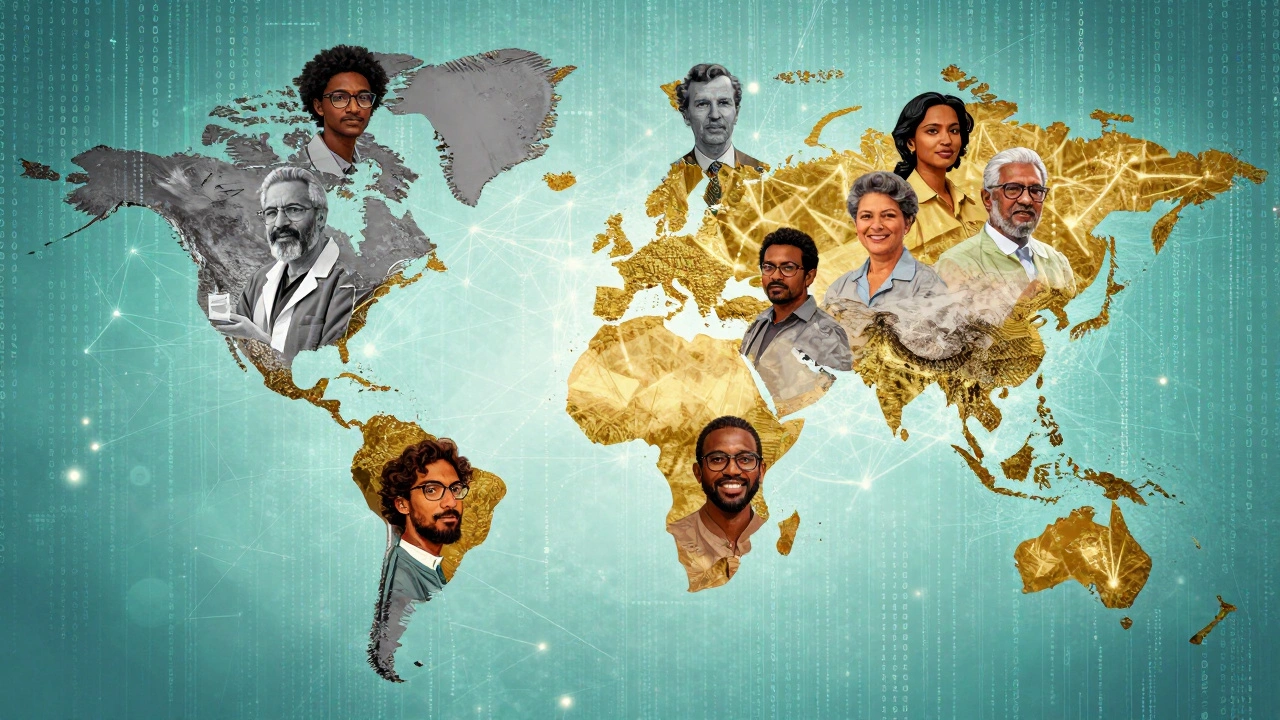
For those who want to organize, start small. A two-hour session with three friends and a few focused goals is better than a massive event that lacks direction. Focus on the people who have the stories but not the platform. By bringing them into the fold, you're not just editing a website-you're helping to build a more honest map of human history.