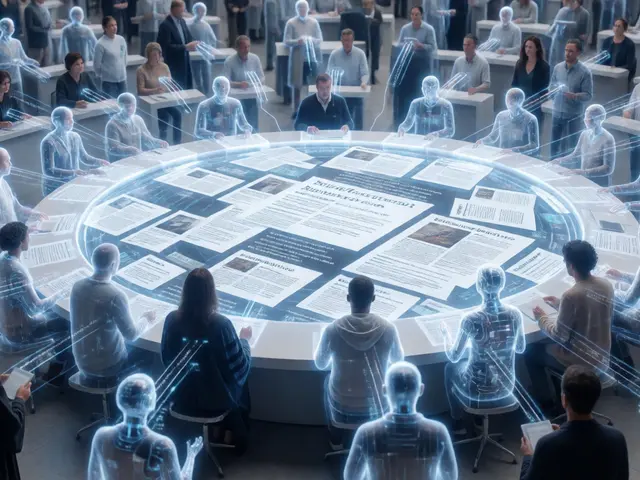
You might think writing a Wikipedia article is a solo act. One person sits down, types up facts, and hits publish. But if you look at the data behind any high-quality entry, you see something else entirely: a complex web of human interaction. Editor collaboration networks are the invisible structures that determine whether an article becomes a trusted resource or a battleground of conflicting edits. These networks aren't just about who talks to whom; they reveal how knowledge gets negotiated, validated, and stabilized in one of the world's largest collaborative projects.
The Hidden Architecture of Knowledge Creation
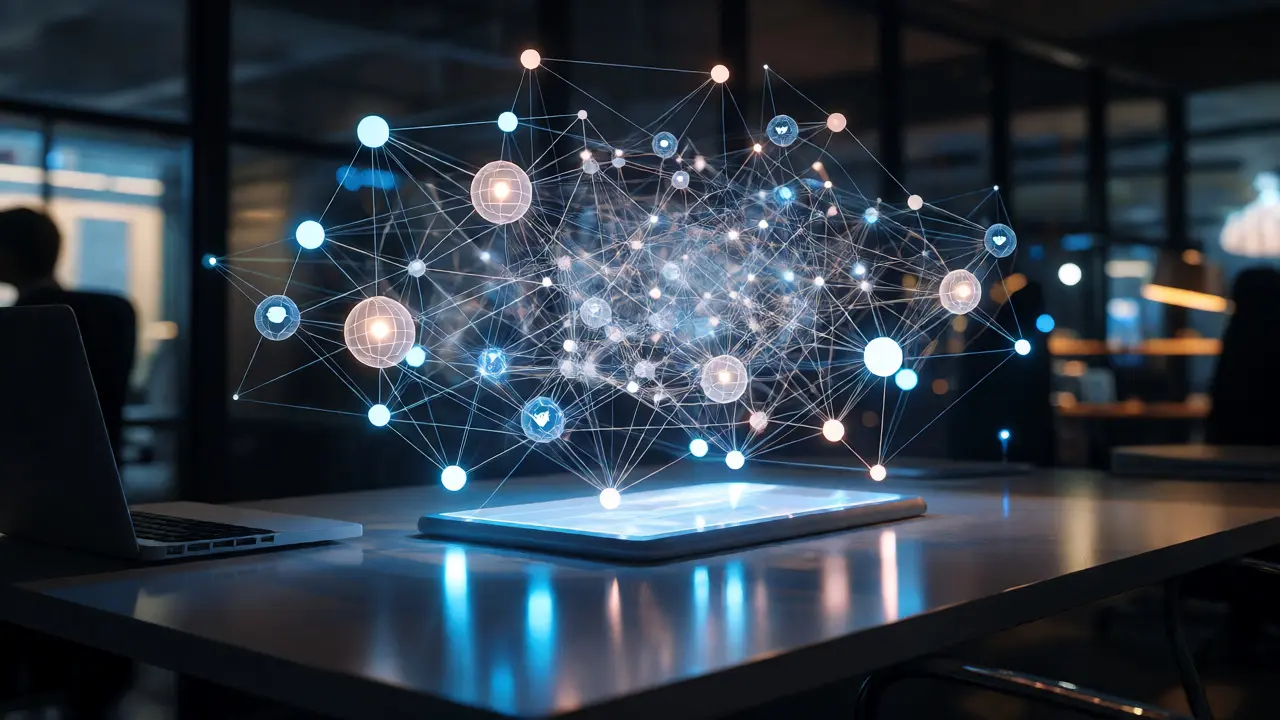
When researchers analyze Wikipedia, they don't just look at text. They map relationships. An editor collaboration network is a social graph where nodes represent individual contributors and edges represent interactions, such as editing the same article, discussing changes on talk pages, or reverting each other's work. This structure tells us more about the health of an article than word count ever could.
Why does this matter? Because isolated editors often produce fragmented content. When a single user dominates an article without engaging with others, the result can be biased or poorly sourced. In contrast, articles with dense collaboration networks tend to have higher quality ratings. The back-and-forth debate forces clarity. It strips away jargon. It demands citations. If you've ever wondered why some Wikipedia pages feel polished while others read like disjointed notes, the answer usually lies in the strength and diversity of their editor network.
Key Roles Within the Network
Not all editors play the same role. Social network analysis identifies distinct positions within these groups. Understanding them helps explain how consensus forms-or fails to form.
- Core Contributors: These are the hubs. They edit frequently across many articles and interact with dozens of other users. They often possess deep domain expertise or strong community standing. Their presence stabilizes articles during controversial periods.
- Bridges: These editors connect different clusters of users. For example, a bridge might link a group of academic historians with a group of pop-culture enthusiasts editing the same biography. Bridges facilitate the flow of information between silos, preventing echo chambers.
- Peripherals: Occasional editors who make small contributions. While they may not shape the long-term direction of an article, they provide fresh perspectives and catch minor errors that core members might overlook due to familiarity bias.
- Isolates: Users who edit independently without interacting with others. High numbers of isolates in a specific article often signal poor coordination or a lack of shared norms among contributors.
This distribution isn't random. Successful articles typically feature a balanced mix. Too many core contributors can lead to cliques that exclude new voices. Too many peripherals can result in inconsistent style and tone.
How Collaboration Improves Article Quality
Data from Wikimedia Foundation studies shows a clear correlation between network density and article assessment. Articles rated "Good" or "Featured" by the community consistently show higher levels of interactive editing compared to "Start" class stubs. But it's not just about volume. It's about the type of interaction.
Consider the difference between additive collaboration and corrective collaboration. Additive collaboration involves multiple people adding sections or sources without necessarily reading each other's work. Corrective collaboration involves reviewing, debating, and refining existing text. Research indicates that corrective collaboration drives quality improvements far more effectively. When two editors argue over a phrasing on a talk page, the resulting compromise is usually clearer and more neutral than either original version.
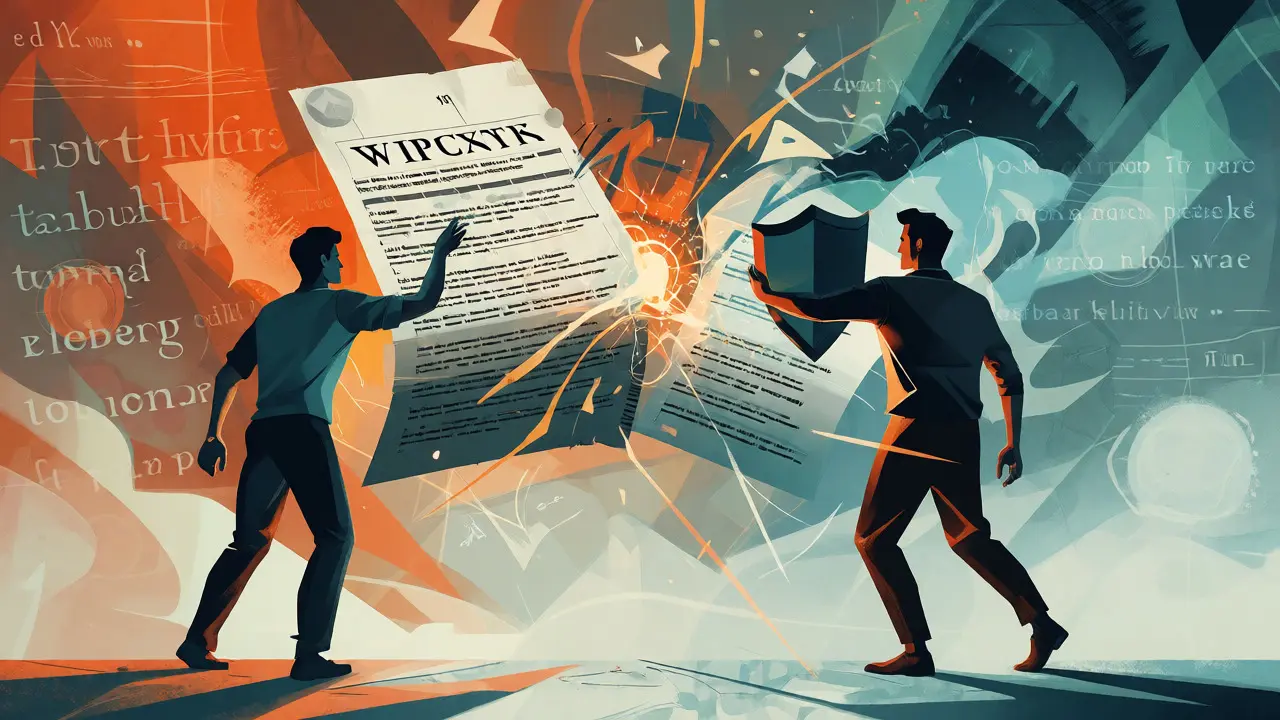
There is also the phenomenon of "edit wars," which seem destructive but often serve a regulatory function. A heated dispute between two active editors signals that the topic is contentious and requires careful handling. The resolution of these conflicts often leads to stricter sourcing requirements and more nuanced language, ultimately benefiting the reader.
Challenges in Maintaining Healthy Networks
Building a robust editor collaboration network isn't easy. Several factors can disrupt the balance.
Burnout and Attrition: Core contributors are human. They get tired. When a key hub leaves the project, the remaining network can fragment. Other editors may stop contributing because the central figure who mediated disputes is gone. This creates a vacuum that can lead to stagnation or increased conflict among remaining users.
Topic Volatility: Breaking news events attract sudden influxes of peripheral editors. These newcomers often lack knowledge of Wikipedia's policies. Without guidance from core members, the article can become cluttered with unverified claims. If the core network doesn't expand quickly enough to absorb these new users, the article's quality drops temporarily until stability returns.
Bureaucratic Friction: As networks grow, informal agreements sometimes harden into rigid rules. New editors may find themselves blocked by established members for minor procedural errors. This gatekeeping protects quality but can stifle innovation and discourage diverse viewpoints from entering the network.
Tools for Analyzing Editor Interactions
If you want to see these networks yourself, several tools visualize the hidden connections in Wikipedia articles. You don't need a degree in computer science to use them.
| Tool Name | Primary Function | Best For |
|---|---|---|
| Xtools Plus | Generates visual graphs of user interactions and edit patterns. | Quick overview of activity levels and top contributors. |
| WikiGrep | Searches through edit summaries and talk page discussions. | Finding specific debates or policy references. |
| Gephi (with Wikipedia plugins) | Advanced network visualization software. | Academic research and detailed structural analysis. |
| Revision History Analysis | Built-in Wikipedia feature showing chronological edits. | Tracking the evolution of specific sentences or paragraphs. |
Using these tools reveals patterns invisible to casual readers. You might discover that 80% of edits to a controversial political article come from just five users. Or you might see that a scientific article has a wide, shallow network, suggesting broad but superficial engagement.
The Future of Collaborative Editing
As Wikipedia evolves, so do its collaboration models. Automated bots now handle routine tasks like fixing broken links, freeing up humans for substantive discussion. Artificial intelligence tools are beginning to assist in detecting vandalism and suggesting sources, which may change how editors interact. Instead of arguing over basic facts, humans might focus more on interpretation and synthesis.
However, the core dynamic remains unchanged. Knowledge on Wikipedia is socially constructed. It emerges from the friction and cooperation between diverse individuals. The strength of an article depends less on the raw intelligence of its writers and more on the resilience of their network. Can the group withstand disagreement? Can it integrate new members? Can it maintain standards under pressure?
For anyone interested in digital humanities or online communities, studying these networks offers a window into how collective intelligence works in practice. It proves that collaboration isn't just nice to have-it's the engine of accuracy.
What defines a healthy editor collaboration network?
A healthy network balances core contributors who provide stability with peripheral users who bring fresh eyes. It features frequent, constructive interactions on talk pages rather than silent reverts. Crucially, it allows for the integration of new members without excessive gatekeeping, ensuring the article remains accessible and up-to-date.
Do edit wars negatively impact article quality?
Not necessarily. While edit wars can look chaotic, they often indicate high engagement with a contentious topic. The resolution process typically leads to stricter sourcing and more neutral language. However, prolonged unresolved conflicts can degrade quality by discouraging other editors from participating.
How can I identify the main editors of a Wikipedia article?
You can check the "View history" tab on any Wikipedia page. Look for usernames appearing most frequently in recent months. Tools like Xtools Plus provide a more detailed breakdown, showing not just edit counts but also the timing and nature of their contributions, helping you spot the core network members.
Does the number of editors always correlate with article quality?
No. Quantity alone doesn't guarantee quality. An article with ten active, coordinated editors will generally outperform one with fifty disconnected ones. The depth of interaction-such as referencing each other's edits and resolving disagreements on talk pages-is a stronger predictor of quality than raw contributor numbers.
What role do bots play in editor collaboration networks?
Bots handle mechanical tasks like formatting and link repair, reducing noise in the revision history. This allows human editors to focus on substantive content decisions. By automating low-value edits, bots help keep the collaboration network focused on intellectual negotiation rather than administrative cleanup.