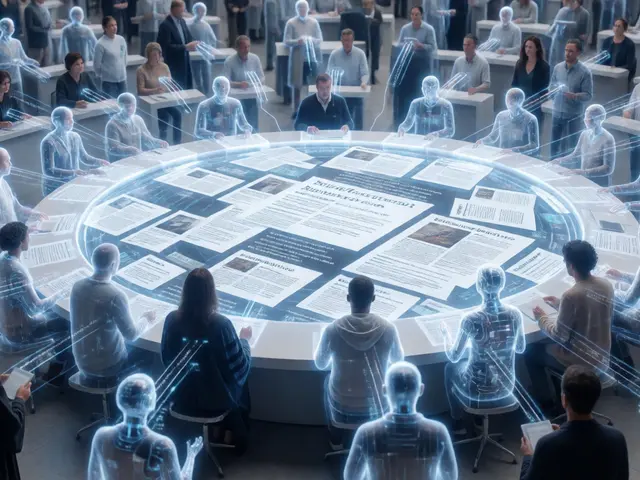
It happens more often than you might think: a major news outlet publishes a story, only to issue a correction hours later because a key detail was wrong. While we often assume these errors stem from sloppy reporting, a surprising number of modern corrections are triggered by real-time data shifts found in Wikipedia is a free online encyclopedia that serves as a primary reference tool for journalists and editors. This isn't about blindly copying text; it’s about using the platform’s edit history as a live alert system for changing facts.
The relationship between professional media and user-generated encyclopedias has evolved from skepticism to strategic integration. For many newsrooms, especially those with lean staff, Wikipedia functions as a dynamic database rather than just a reading source. When a politician resigns, a company merges, or a scientific study is retracted, the Wikipedia page is often updated within minutes. If a journalist is drafting an article based on pre-update information, the resulting piece risks being obsolete before publication. The correction process now frequently involves cross-referencing the Edit History is a chronological log of all changes made to a specific Wikipedia page, allowing users to track who changed what and when. to identify exactly when the fact shifted.
The Workflow: From Draft to Correction
Understanding how this works requires looking at the daily routine of a digital editor. It rarely starts with a reader complaint. Instead, it often begins with an automated alert or a manual check during the final proofreading stage. Here is how the typical cycle unfolds:
- Initial Verification: A reporter writes a draft citing a statistic or title (e.g., "CEO of Company X"). Before publishing, an editor checks the current status on Wikipedia to ensure no last-minute board meetings have occurred.
- Publication & Monitoring: The story goes live. In high-traffic newsrooms, tools like MediaWiki is the software engine that powers Wikipedia and other wiki-based platforms, enabling real-time content updates. API integrations can monitor pages mentioned in recent articles for significant edits.
- Discrepancy Detection: An editor notices a mismatch between the published text and the current Wikipedia entry. They click into the Page History to see if the change was made by a reliable source or a vandal.
- Source Validation: Crucially, the editor does not accept the Wikipedia change at face value. They look at the references cited in the new Wikipedia edit. If the update cites a press release or a reputable wire service, the newsroom initiates a correction.
- Correction Issuance: The news outlet updates the original article, adding a timestamped note explaining the change. This transparency builds trust, showing readers that the error was caught and fixed quickly.
This process highlights a shift in journalistic responsibility. It is no longer enough to verify facts at the moment of writing; accuracy must be maintained through the lifespan of the digital asset.
Why Wikipedia Triggers Corrections More Than Other Sources
You might wonder why Wikipedia is such a common trigger for corrections compared to official government sites or corporate press releases. The answer lies in speed and aggregation. Official sources often lag behind events. A company might announce a merger in a press release, but their investor relations page might take days to update. Wikipedia, however, aggregates these immediate announcements. Because it is constantly updated by a global community of volunteers, it acts as a "canary in the coal mine" for factual changes.
Consider a scenario involving a celebrity endorsement deal. If a brand drops a spokesperson due to a scandal, the news breaks on social media first. Within an hour, Wikipedia editors update the "Endorsements" section of both the celebrity's and the brand's pages. If a local news outlet ran a feature article earlier that morning praising the partnership, they are now out of date. The Wikipedia update serves as the signal that the narrative has changed, prompting the correction.
| Source Type | Update Speed | Reliability for Corrections | Primary Use Case |
|---|---|---|---|
| Wikipedia | Minutes to Hours | High (if references checked) | Alerting editors to changed facts |
| Corporate Press Releases | Hours to Days | Medium (biased perspective) | Official statements and quotes |
| Government Databases | Days to Weeks | High (authoritative) | Statistical verification and legal records |
| Social Media Feeds | Seconds | Low (unverified) | Breaking news detection only |
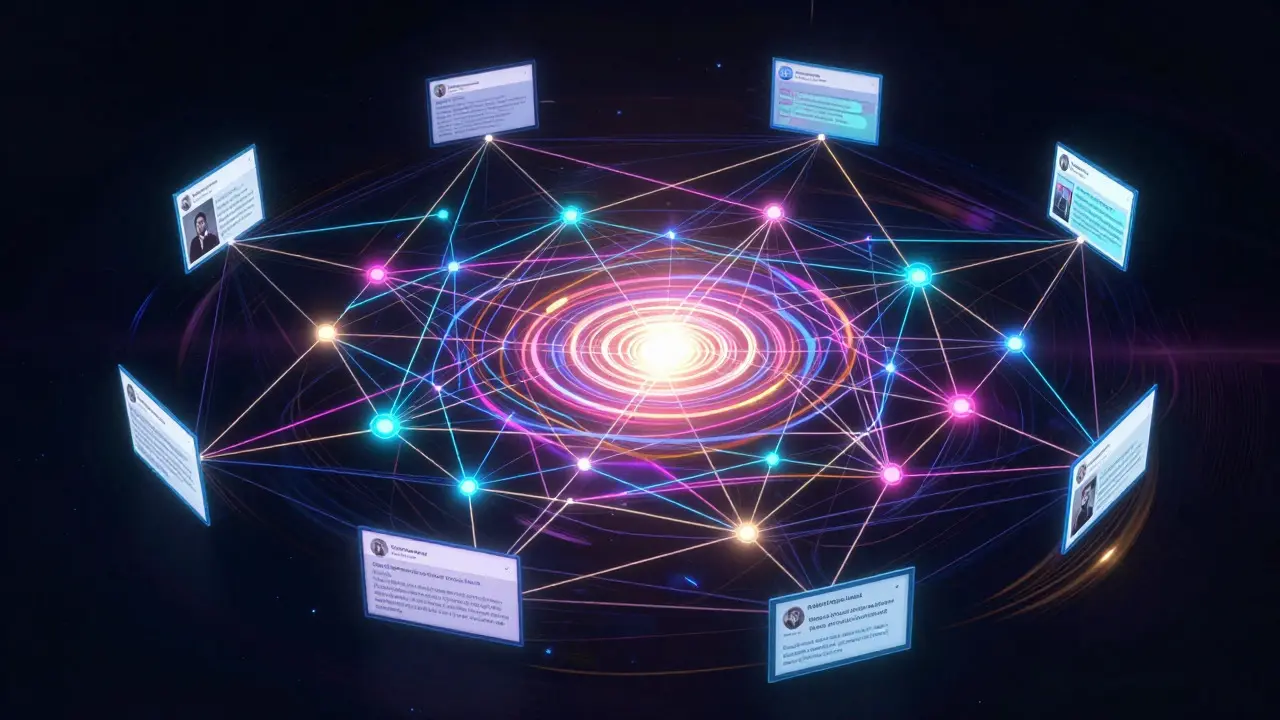
The Role of Edit History in Journalistic Integrity
The most powerful feature for journalists is not the current state of a Wikipedia page, but its past states. The Revision History allows editors to compare versions side-by-side. If a news story says a candidate received 50% of the vote, but Wikipedia now shows 48%, the editor doesn't just guess which is right. They look at the revision history to see *when* the number changed and *what source* justified the change. Often, the initial 50% figure was an early estimate, and the 48% reflects the final certified count. By tracing this lineage, the newsroom can write a precise correction: "Updated to reflect final certified results released on [Date]."
This practice prevents the "correction spiral," where one error leads to another. Without checking the edit history, an editor might revert to an old, incorrect figure simply because they don't understand why the current figure is different. The history provides the context needed to make the right call.
Pitfalls and How to Avoid Them
While Wikipedia is a useful tool, relying on it without caution can lead to its own set of errors. Here are the most common pitfalls and how professional newsrooms avoid them:
- Vandalism: Sometimes, a Wikipedia page is edited by a fan or critic to push an agenda. Fix: Always check the "References" tab of the new edit. If there are no citations, treat the info as unverified until confirmed by a primary source.
- Lag in Complex Topics: For ongoing legal trials or complex geopolitical conflicts, Wikipedia may struggle to keep up with nuance. Fix: Use Wikipedia for basic facts (names, dates) but rely on court documents or wire services for analysis.
- Over-Reliance on Consensus: Just because a fact is on Wikipedia doesn't mean it's true. Fix: Treat Wikipedia as a map, not the territory. It tells you where to look, but you must go there yourself to verify.
The key mindset shift is viewing Wikipedia as a collaborative index. It points you to the latest developments, saving you time in finding primary sources. But the ultimate authority still rests with the primary documents, interviews, and official records.
Best Practices for Newsrooms Using Wikipedia
To maximize the utility of Wikipedia for corrections while minimizing risk, top-tier newsrooms adopt specific protocols. These aren't just rules; they are workflows designed for speed and accuracy.
- Tag Key Entities: When writing a story, editors tag the main entities (people, companies, places) in their Content Management System (CMS). This allows automated tools to monitor those specific Wikipedia pages for changes.
- Set Thresholds for Alerts: Not every edit matters. A typo fix doesn't require a news correction. Newsrooms set alerts for "significant