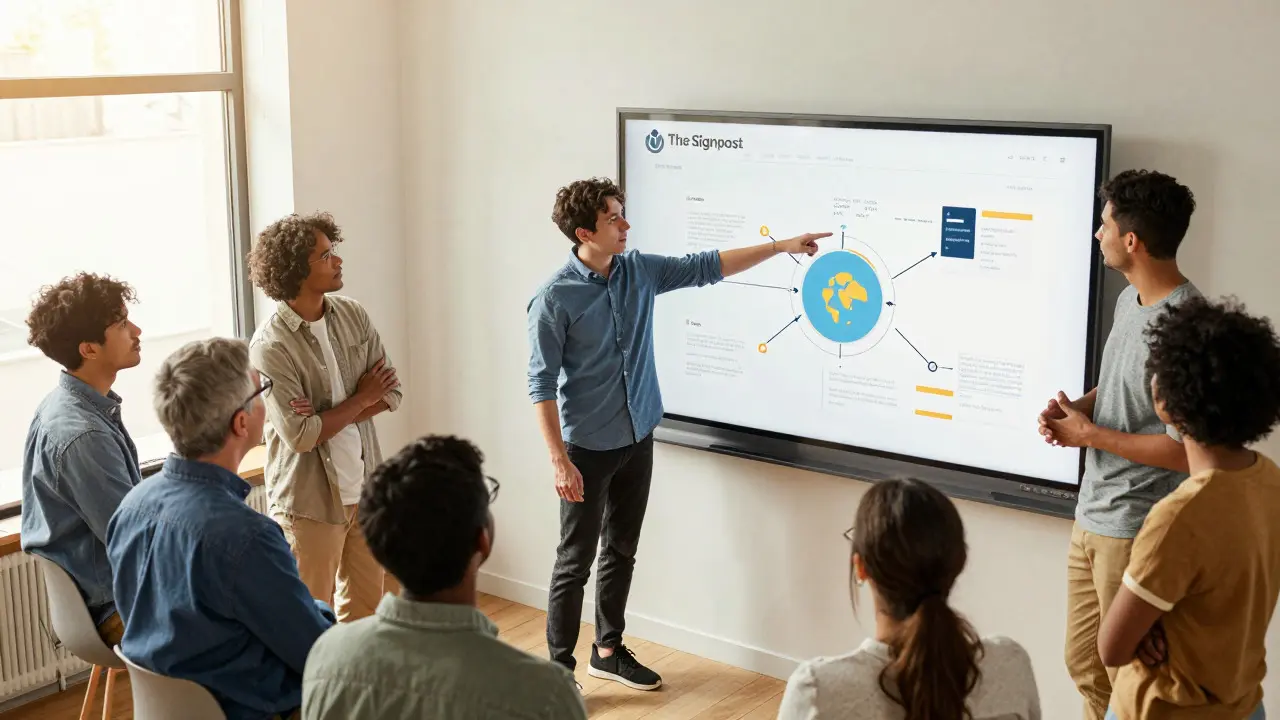
Have you ever looked at a Wikipedia article and thought, "I could write this better"? Or maybe you spotted a typo in a news piece and felt the urge to fix it? If so, The Signpost is looking for exactly that kind of energy. As of August 2026, the publication has opened its doors to new volunteer editors and reporters who want to help document the heartbeat of the Wikimedia movement.
The Signpost is the official weekly newspaper of the Wikimedia Foundation, covering news, opinions, and features related to Wikipedia and other Wikimedia projects. It serves as a bridge between the millions of casual readers and the dedicated volunteers who maintain these platforms. Unlike traditional journalism, here you don't just report on events; you often participate in them. The call for volunteers isn't just about filling seats-it's about finding people who understand the unique culture of open-source knowledge sharing.
### Why Join the Team Now?
The digital landscape has shifted significantly since the early days of Wikipedia. With the rise of AI-generated content and increasing scrutiny on factual accuracy, the need for trusted, human-verified information is higher than ever. The Signpost plays a crucial role in this ecosystem by providing transparency into how decisions are made within the Wikimedia community.
Currently, the team faces a few specific challenges:
If you have experience with MediaWiki, the underlying software that powers Wikipedia, you are already ahead of the curve. Understanding how templates work and how to navigate the edit history can save hours of fact-checking time. However, even if you are new to the technical side, your ability to explain complex concepts simply is highly valued.
### What Do Editors Actually Do?
Being an editor at The Signpost is different from being an editor at a commercial news outlet. You aren't paid a salary, but you gain access to behind-the-scenes insights that most journalists never see. Your primary responsibilities will include:
The workflow is collaborative. Most drafts start on the talk pages of The Signpost's meta-discussion area. This means your edits are visible to the entire community before they go live. It’s a transparent process that builds trust but requires thick skin, as feedback can be direct.
### Becoming a Reporter: The Fieldwork Aspect
Reporters at The Signpost act as liaisons between local chapters and the global community. For example, if the German Wikipedia (Deutsche Wikipedia) launches a major fundraising campaign, a reporter might interview the chapter leaders to understand their strategy. This requires not just language skills but cultural sensitivity.
Recent trends show a surge in interest from emerging markets. In 2025, contributions from South Asian and African chapters increased by 40%, yet their representation in The Signpost remains low. This is where new reporters come in. You don't need to be fluent in multiple languages, but you must be comfortable using translation tools while verifying context with native speakers.
Key attributes for a successful reporter include:
### The Application Process
There is no formal application form with a resume upload. Instead, the process is merit-based and community-driven. Here is how it typically works:
1. **Show Your Work:** Pick a recent article published by The Signpost and leave a constructive comment on its talk page. Suggest a minor improvement or ask a thoughtful question. This shows you engage critically with the content.
2. **Join the Mailing List:** Subscribe to the signpost-l mailing list. Lurk for two weeks to understand the tone and recurring topics.
3. **Pitch a Story:** Propose a story idea to the current editor-in-chief via email or IRC. Keep it brief: what is the story, why does it matter now, and who are the key sources?
4. **Trial Period:** If accepted, you will co-author a small piece with a senior editor. They will review your draft line-by-line.
This process filters out those who just want a title and keeps those who genuinely care about the quality of the output.
### Tools and Resources You Need
You don't need expensive software. The entire operation runs on free and open-source tools. Here is the essential toolkit:
Tool
Purpose
Learning Curve
VisualEditor
WYSIWYG editing for basic changes
Low
Source Editor
Advanced formatting and template usage
Medium
IRC (Internet Relay Chat)
Real-time communication with editors
Medium
Commons
Sourcing licensed media assets
Low
Another subtle issue is burnout. Since everything is volunteer-run, deadlines can feel flexible until they suddenly aren't. Set realistic expectations for yourself. It’s better to deliver one excellent piece than three rushed ones.
### The Impact of Your Contribution
When you join The Signpost, you are contributing to the infrastructure of global knowledge. Your articles influence how millions of users perceive the health and direction of Wikipedia. A well-written feature on a controversial policy change can calm tensions; a poorly reported incident can spark unnecessary drama.
In 2024, a series of articles by The Signpost helped clarify the rollout of the Vector 2022 interface, reducing user complaints by 15% according to internal surveys. That was the result of clear, empathetic reporting by volunteers who understood both the technical and human sides of the issue.
As we move deeper into 2026, the demand for skilled communicators in the tech space continues to grow. The Signpost offers a unique entry point into this field. It’s not just about writing; it’s about building a reputation in a community that values integrity and transparency above all else. If you are ready to put your pen to the digital paper, the community is waiting for your voice.