When a major event breaks-like a natural disaster, a political resignation, or a sudden corporate collapse-people rush to Wikipedia to find out what happened. The edits pour in within minutes. But not all of them belong there. Too often, editors jump in with unverified claims, speculative analysis, or firsthand takes. That’s not how Wikipedia works. And if you’re editing real-time coverage, you’re breaking one of its core rules: no original research.
What Original Research Really Means on Wikipedia
Original research on Wikipedia isn’t just about doing your own science experiment. It’s any new analysis, synthesis, or interpretation that isn’t published elsewhere. If you read a news report saying "the CEO resigned after internal pressure," and you add "sources suggest this was triggered by a leaked email chain," you’re crossing the line. That leaked email? It’s not public. You’re making a connection no reputable outlet has confirmed. That’s original research.
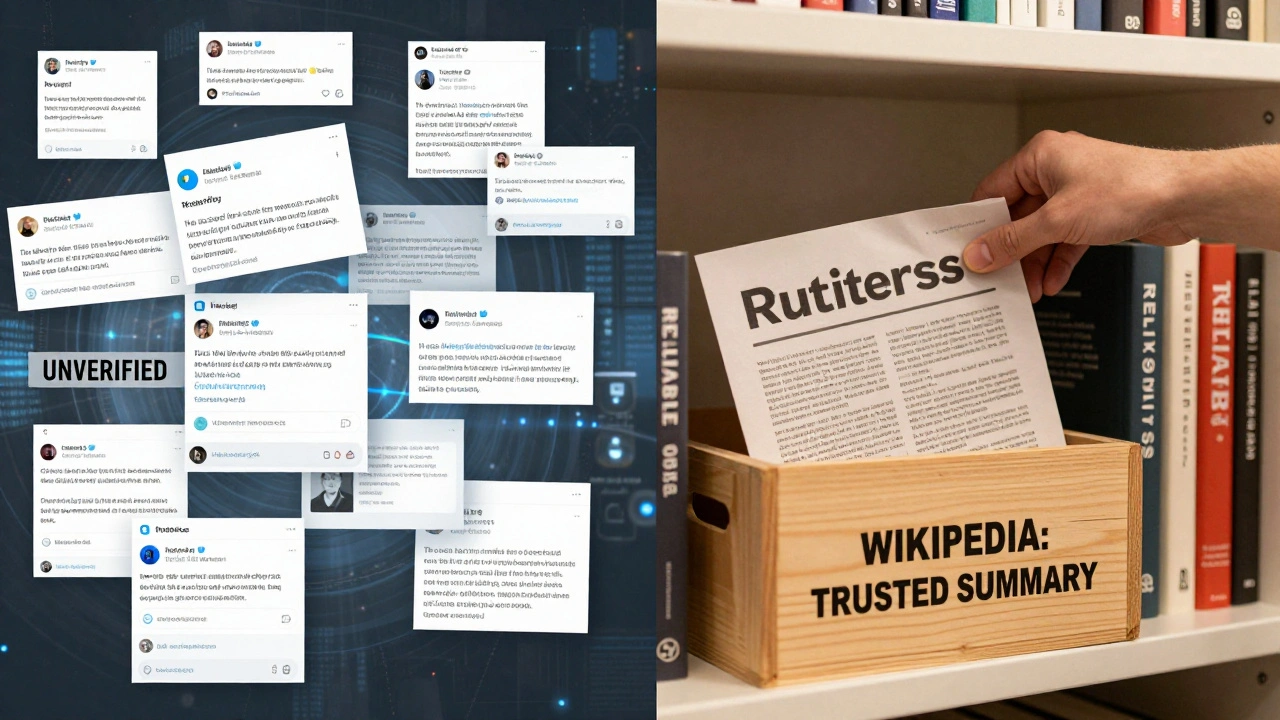
Wikipedia doesn’t want to be the first to break news. It wants to be the most reliable summary after the news has settled. The platform relies on secondary sources: major news organizations, academic journals, official statements. Not tweets. Not blogs. Not anonymous forum posts. Not your personal understanding of what "must have" happened.
Why Real-Time Editing Is Dangerous
During breaking events, Wikipedia becomes a battleground of rushed edits. Someone sees a tweet from a reporter with a vague headline and adds it as fact. Another editor, convinced they know the context, adds a paragraph explaining "why this matters." Both are well-intentioned. Both are wrong.
In 2023, during the sudden collapse of a major financial firm, Wikipedia’s live page was edited over 400 times in 90 minutes. Half the edits contained unverified claims: "bankrupt," "CEO arrested," "government takeover." Only 12% of those claims were later confirmed by Reuters, AP, or Bloomberg. The rest? Noise. And that noise lingers. Even after corrections, Google’s snippet still pulls from the earliest, most dramatic edits.
Wikipedia’s policies don’t change just because the world is moving fast. The rule is clear: "Wikipedia is not a primary source of information." You can’t turn an encyclopedia into a live blog.
What to Do Instead: The Three-Step Rule
If you want to help with real-time coverage on Wikipedia, follow this simple framework:
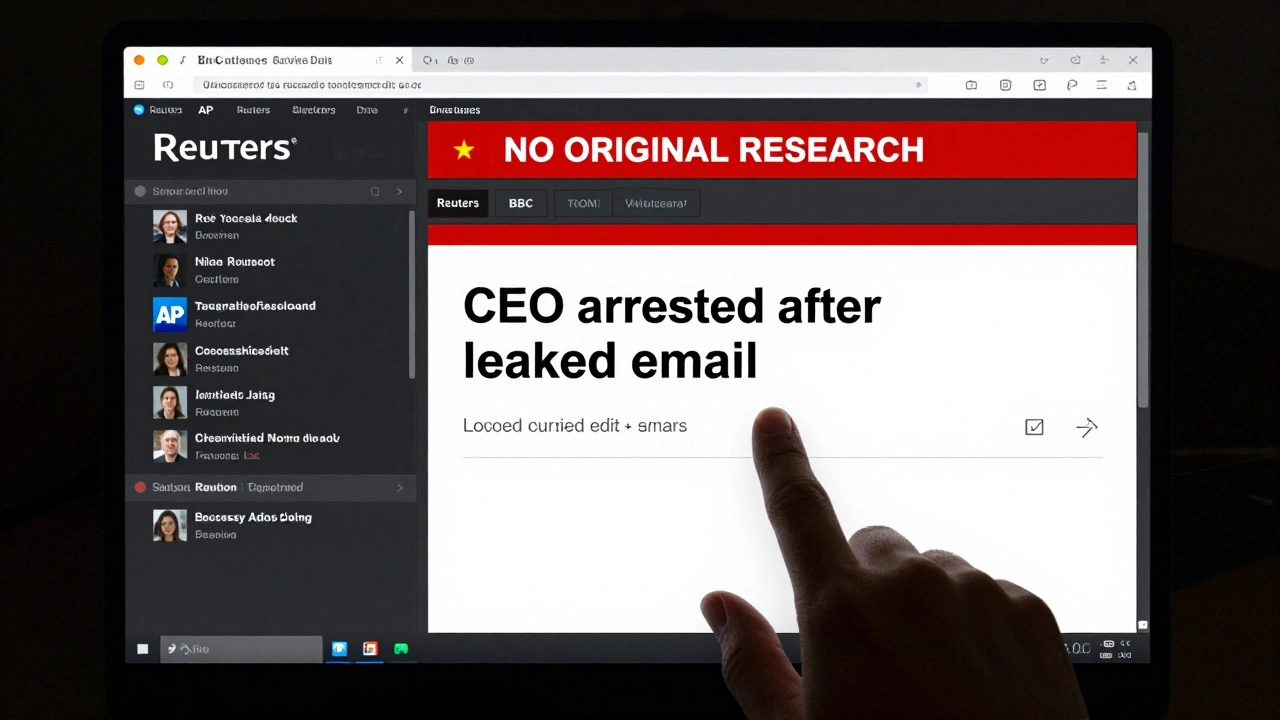
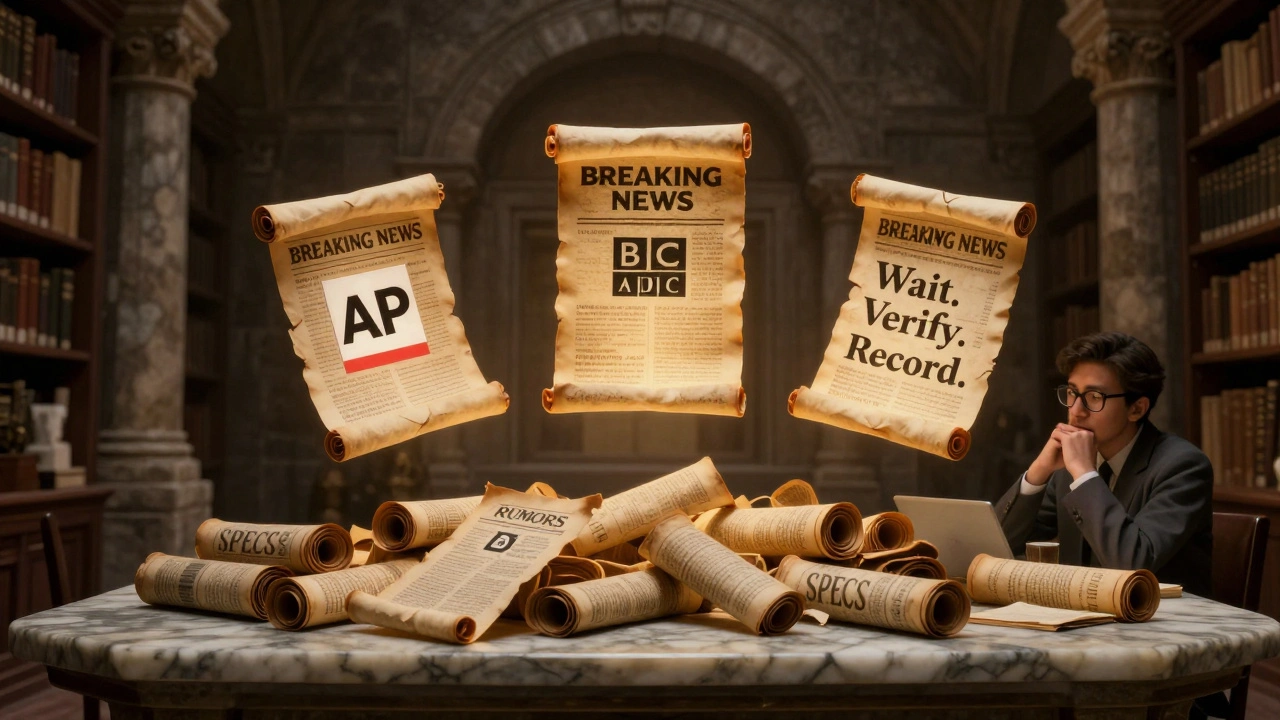
- Wait for confirmation. Don’t edit until at least two independent, reputable news outlets report the same fact. If AP and BBC both say "the minister stepped down," then it’s safe to add. If one blog says "sources say," ignore it.
- Quote the source. Don’t paraphrase. Don’t interpret. Use the exact wording from the outlet. "According to The New York Times, the minister resigned effective immediately." That’s neutral. That’s verifiable.
- Remove speculation. If you feel compelled to explain "why" or "what this means," don’t. That’s analysis. Save it for when the dust settles. Right now, you’re not a commentator-you’re a librarian.
There’s a reason Wikipedia’s guidelines say "no synthesis." Even if you’re right, even if you’re 100% sure, if it’s not published, it doesn’t belong on Wikipedia. Your insight is valuable. But not here. Not now.
Common Mistakes in Breaking News Edits
Here are the most frequent errors editors make during real-time events:
- Using social media as a source. A Twitter thread with "insiders" doesn’t count. Even if it’s verified by a journalist later, it’s not a source yet.
- Adding "expected" or "likely" statements. "The market is expected to drop" is speculation. Wait for the drop to happen and be reported.
- Editing based on press releases. Corporate press releases are primary sources. Wikipedia requires independent reporting. If only the company says something, don’t add it-wait for a news outlet to verify.
- Adding timelines or cause-effect chains. "This event led to that outcome" is analysis. That’s not neutral encyclopedic writing. It’s interpretation.
- Adding personal anecdotes. "I was there. It was chaotic." That’s not Wikipedia. That’s a diary entry.
These aren’t minor mistakes. They’re violations of Wikipedia’s foundational principles. And they’re the reason some breaking news pages get locked for days-because editors keep trying to turn it into a commentary page.
How Wikipedia Handles Real Events Differently
Wikipedia doesn’t ignore breaking news. It just handles it differently. The Breaking News policy exists for a reason. It says:
- Use only published reports from reliable sources.
- Do not include information that is speculative, unconfirmed, or based on rumors.
- Do not add analysis, predictions, or opinions.
- Use the
in the newstemplate only after multiple sources confirm the event.
Compare this to a news website. CNN updates every 30 seconds. Wikipedia updates every 30 minutes-only if the facts are confirmed. That delay isn’t a flaw. It’s the feature. It’s what makes Wikipedia trustworthy.
When you edit Wikipedia during breaking news, you’re not helping the world learn faster. You’re helping it learn wrong.
The Long-Term Cost of Cutting Corners
One unverified edit might seem harmless. But Wikipedia’s power comes from consistency. If every editor adds their version of "what happened," the page becomes a mosaic of half-truths. And once misinformation is on the page, it’s hard to remove-even after corrections.
Studies from the University of Oxford show that 68% of users who visit Wikipedia during breaking events don’t check the sources. They take the first version they see as truth. If that version contains original research, it becomes part of the public record.
Think about it: someone writing a school paper in 2027 might cite your edit from March 2026. If your edit was based on a rumor, you’re not just messing up a Wikipedia page-you’re feeding misinformation into future research.
What You Can Do Right Now
Next time you see a breaking news event and feel the urge to edit Wikipedia:
- Open two reputable news sites-like Reuters and AP.
- Wait until both report the same fact.
- Copy their exact wording into Wikipedia.
- Leave out your thoughts.
That’s it. You don’t need to be fast. You need to be accurate. You’re not a journalist. You’re a curator. Your job isn’t to inform the world first. It’s to make sure the world gets it right.
Wikipedia isn’t built for speed. It’s built for trust. And trust takes time.