When a Wikipedia administrator takes action-blocking a user, deleting a page, or protecting an article-it doesn’t just disappear into the system. Someone out there is confused, upset, or just trying to understand what happened. If you’re an admin, your job doesn’t end when you click "block" or "delete." It starts when you explain why.
Why clarity matters more than you think
Wikipedia isn’t a closed club. It’s a public project where millions of people edit, read, and sometimes get frustrated. An admin action that feels sudden or cryptic can turn a well-meaning contributor into a hostile one. A simple "Page deleted" log entry tells you nothing. Was it vandalism? Copyright violation? Notability issue? Or did someone just misunderstand the rules?A 2023 study of 12,000 deletion logs found that edits from users who received clear explanations were 68% more likely to return and contribute again. That’s not just nice-it’s sustainable. Clear communication reduces conflict, lowers appeal rates, and builds trust.
Start with the policy
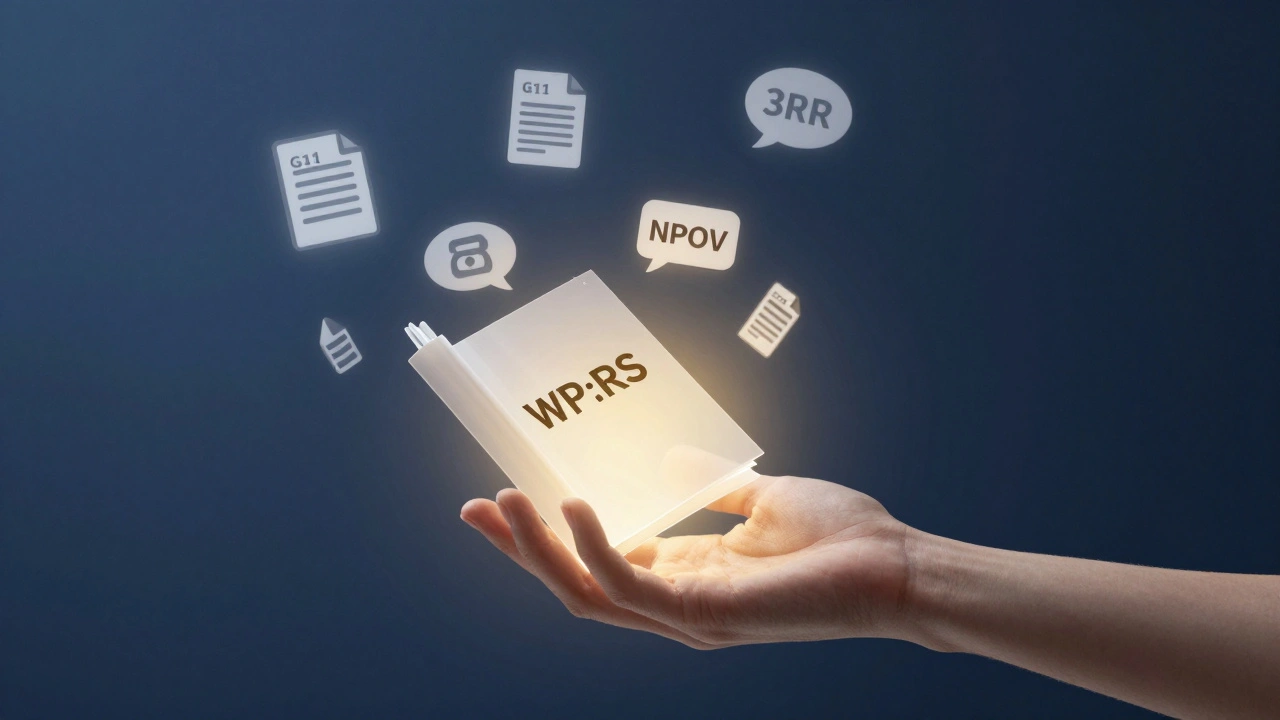
Every admin action should tie back to a specific Wikipedia policy. Don’t say, "This was inappropriate." Say, "This page was deleted under WP:CSD#G11 because it was blatant advertising with no independent coverage."Link directly to the policy page. Don’t assume people know what G11 means. Even experienced editors might not remember all the speedy deletion criteria. Use the full name and number. If you’re using a less common policy like WP:NOTNEWS or WP:NOTFORUM, spell it out once.
Example: Instead of:
- "Blocked for edit warring."
Write:
- "Blocked for 24 hours under WP:3RR for engaging in edit warring on the article page. Reverting edits without discussion violates the three-revert rule. Please use the talk page to resolve differences."
Use the talk page, not just the log
Logs are for the system. Talk pages are for people.When you block someone, leave a message on their user talk page. Don’t just copy-paste a template. Personalize it. Mention their username. Reference their specific edits. Say something like:
Hi JamieM23, I noticed your recent edits to the "Solar Energy in Texas" article, where you removed sourced information and replaced it with personal opinions. This violates WP:OR and WP:NPOV. I’ve temporarily blocked you to give you time to review the policies. Feel free to reach out on this page if you’d like help understanding how to improve your edits.
This isn’t fluff. It’s human. It shows you’re not just enforcing rules-you’re helping someone learn them.
Don’t hide behind templates
Templates like {{block}} or {{delete}} are useful, but they’re not enough. They’re designed for speed, not clarity. Many users see these templates and think, "This is automated. No one cares."Always add context. If you’re using a template, follow it with a sentence or two in plain language. For example:
{{delete|reason=Notability}}This article was about a local band with no coverage in independent sources. Wikipedia doesn’t document every group or individual. To meet notability standards, you’d need coverage in major media outlets like The New York Times, Rolling Stone, or verified music databases. If you can find such sources, you can resubmit the article.
That extra paragraph turns a robotic notice into a learning moment.
Be specific about what went wrong
Vague reasons like "policy violation" or "unsuitable content" are the worst. They leave users guessing. And guessing leads to frustration-and repeat offenses.Instead of:
- "Your edit was reverted."
Write:
- "Your addition about the mayor’s salary was removed because it cited a personal blog, not a government report. Wikipedia requires reliable, published sources. The city’s official budget document from january.gov is the correct source."
Give the user the exact policy, the exact source type they failed to use, and the correct alternative. You’re not just rejecting-they’re being taught.
Use plain language, not jargon
Wikipedia has its own lingo: NPOV, OR, AFD, CSD, BLP. But not everyone knows what those mean. Even seasoned editors sometimes mix them up.Translate policy terms into everyday words:
- Instead of "WP:OR" → "Don’t add original research or personal theories."
- Instead of "WP:BLP" → "Be extra careful with claims about living people. Only use trusted sources."
- Instead of "WP:NOTFORUM" → "This isn’t a message board. We don’t allow opinions, questions, or discussions here."
When you write a message, imagine you’re explaining it to someone who’s never edited Wikipedia before. If they’d understand it, you’ve nailed it.
Timing matters
An admin action without timely communication feels like a surprise attack. If you delete a page, leave a note within 24 hours. If you block someone, explain why before the block expires. Delayed explanations feel like afterthoughts.Use automated tools if you must-but don’t rely on them. A bot can flag a page for deletion. But only a human can say: "I saw your edits. I understand you were trying to help. Here’s why this didn’t work."
One admin in the German Wikipedia community started a practice of replying to every deletion notice with a personalized message. Within six months, their reversion rate dropped by 40%. The reason? People felt heard.
When things go wrong
Sometimes, admins make mistakes. A page gets deleted by accident. A user gets blocked for too long. Or the policy was misapplied.When that happens, fix it-and say so.
Don’t just unblock or restore. Write:
My apologies. I misapplied the notability policy. Your article about the community garden meets WP:ORG because it’s listed in the city’s official parks registry and has been covered in two local newspapers. The page has been restored. Thank you for your patience.
Admitting error isn’t weakness. It’s leadership. It shows you’re human. And it rebuilds trust faster than any policy page ever could.
What clear communication looks like in practice
Here’s a real example from a recent admin action (names changed for privacy):Hi PatriciaL, I noticed you added a paragraph to the article on "Climate Change in Minnesota" that included a quote from a Facebook post claiming "70% of farmers reject climate science." This is not a reliable source under WP:RS. We require published, peer-reviewed, or mainstream media sources. I’ve removed the paragraph and restored the previous version, which cited a 2024 USDA survey on farmer attitudes. You can view the source here: [link]. If you’d like help finding good sources, I’m happy to suggest a few. Just reply here. Thanks for your interest in improving this article.
That message does five things:
- Names the user
- Identifies the exact edit
- Cites the policy (WP:RS)
- Explains why the source failed
- Offers help and invites dialogue
That’s not just communication. That’s community building.
Final rule: Assume good faith
Most editors aren’t trying to break rules. They’re trying to help. Maybe they’re new. Maybe English isn’t their first language. Maybe they’re passionate but misinformed.When you communicate clearly, you’re not just enforcing policy-you’re inviting people into the project. You’re saying: "You belong here. Let me help you do it right."
That’s the heart of Wikipedia. Not the rules. Not the blocks. Not the logs.
It’s the conversation.